Have you ever wondered how many knives you really need to survive in the wild? It’s a question that matters more than you might think.
Choosing the right number and type of knives can mean the difference between struggling and thriving when you’re out there on your own. You don’t want to carry too many and weigh yourself down, but having too few could leave you unprepared for critical tasks.
You’ll discover exactly how many knives are essential for survival, what each one should do, and how to make smart choices that fit your needs. Keep reading, because your safety and success might depend on the answer.

Credit: www.youtube.com
Choosing The Right Survival Knives
Choosing the right survival knife can make a big difference in an emergency. A good knife helps with many tasks like cutting, carving, and preparing food. It must be reliable and easy to handle. Knowing the types and features helps you pick the best knife for your needs.
Fixed Blade Vs Folding Knives
Fixed blade knives have a solid blade that does not fold. They offer great strength and stability. These knives handle tough jobs without breaking. Folding knives fold into the handle, making them compact and easy to carry. They are lighter but less sturdy than fixed blades. Choose fixed blades for heavy use and folding knives for convenience.
Blade Material And Durability
Blade material affects sharpness and how long the knife lasts. Stainless steel resists rust and needs less care. Carbon steel stays sharp longer but can rust if not cleaned. Some knives use special alloys for better strength. Pick a blade that balances sharpness and maintenance for your environment.
Blade Size And Shape
Blade size matters for different survival tasks. A blade 3 to 5 inches long works well for most jobs. Short blades are easy to control. Longer blades can cut bigger materials. The blade shape also affects use. Drop point blades are good for general work. Tanto blades offer strong tips for piercing. Pick size and shape based on your needs.

Credit: www.nothingbutknives.com
Essential Knife Types For Survival
Choosing the right knives is key for survival situations. Each knife serves a specific role, making tasks easier and safer. Carrying the right types helps you handle different challenges outdoors.
General Purpose Knife
This knife is the most useful in many survival tasks. It usually has a strong, sharp blade around 4 to 6 inches long. You can use it for cutting rope, preparing food, or making kindling. Its design balances strength and precision, making it a reliable tool.
Hunting And Skinning Knife
This knife has a curved blade for easy skinning and cleaning game. It helps you remove hides without damaging the meat. The blade is sharp and flexible to work well with animal tissues. A good hunting knife makes preparing food faster and cleaner.
Utility Or Multi-tool Knife
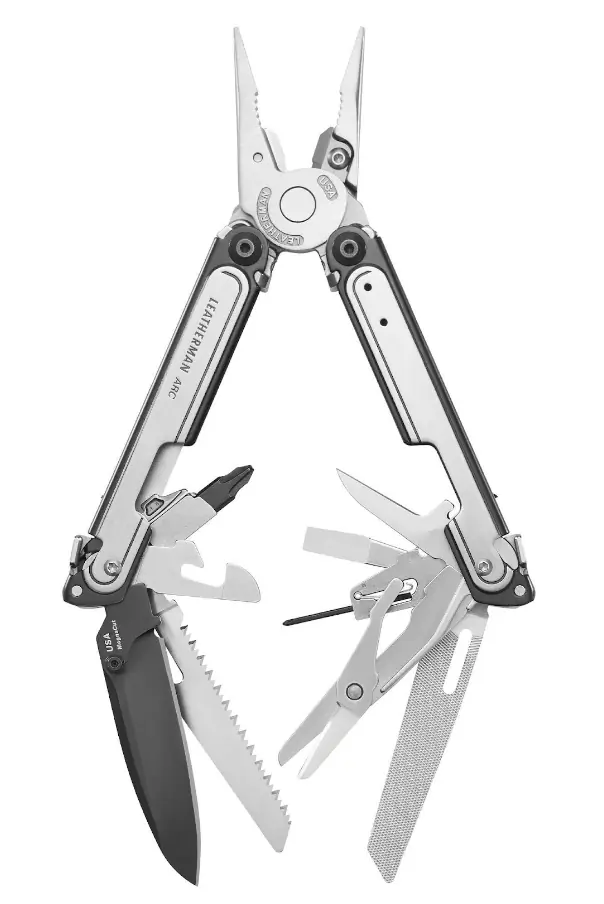
A utility or multi-tool knife has many functions in one compact tool. It often includes pliers, screwdrivers, and small blades. This knife is useful for repairs, small cuts, and other quick tasks. It saves space and weight in your survival kit.
Specialized Knives For Specific Tasks
Different knives suit different tasks in survival situations. A strong fixed blade works well for heavy cutting, while a smaller knife handles delicate jobs. Having a few specialized knives can make survival easier and safer.
In survival situations, the right knife makes a big difference. Specialized knives serve specific tasks, ensuring efficiency and safety. Each type of knife has unique features. These features help you tackle survival challenges effectively.Fire Starting Tools
Fire is vital for survival. Certain knives come with built-in fire starting tools. These knives include a striker and a ferrocerium rod. They create sparks, helping to ignite a fire quickly. Ideal for cold or wet conditions. Lightweight and easy to carry. Fire starting knives save space in your gear.Cutting And Carving Knives
Cutting and carving knives are essential for crafting tools. They help in preparing food and making shelter. These knives have strong, sharp blades. They ensure precision and control. Some designs feature a gut hook. Useful for skinning game. Choose a durable knife for long-lasting use.Throwing And Self-defense Knives
Throwing knives provide fun and skill-building. They can also offer defense in emergencies. Balanced for accurate throws. These knives have a sharp point. Ensuring penetration on target. Self-defense knives are compact and easy to handle. They often include a finger guard for safety.Number Of Knives To Carry
Deciding how many knives to carry for survival depends on your specific needs and the environment you expect to face. Carrying too few might leave you unprepared, while too many can weigh you down and complicate your gear. Finding the right balance ensures you have the tools necessary without unnecessary bulk.
Minimalist Approach
If you prefer to travel light, one well-chosen knife can cover most survival tasks. A sturdy fixed-blade knife with a sharp, durable edge can handle cutting, carving, and food preparation. You might add a small folding knife as a backup or for finer tasks, but keeping it to one or two knives reduces weight and hassle.
I once survived a weekend hike with just a single fixed-blade knife. It was enough for building shelter, preparing meals, and even making fire kindling. This approach works best if you trust your knife’s quality and versatility.
Balanced Survival Kit
Carrying two or three knives allows you to assign specific roles to each tool. For example, a large fixed blade for heavy-duty work, a smaller utility knife for detailed tasks, and a folding knife for everyday carry. This setup gives you flexibility without overwhelming your pack.
Think about how you use knives daily. Having distinct tools can save time and effort, especially under pressure. Are you prepared to switch between knives quickly when every second counts?
Comprehensive Survival Setup
In more demanding situations, you might need a collection of knives tailored for diverse survival challenges. This could include a large machete for clearing brush, a fixed blade for food and shelter tasks, and a tactical folding knife for defense or precision work. Each knife complements the others, covering all survival bases.
While this setup is heavier, it prepares you for almost any scenario. Are you willing to carry extra weight for maximum readiness? Consider your environment and mission before opting for this level of preparedness.
Maintaining And Caring For Survival Knives
Maintaining and caring for survival knives ensures they stay sharp and reliable. Proper care extends the knife’s life and keeps it ready for any task. Regular maintenance prevents damage and rust, which can weaken the blade. Simple habits can protect the knife from wear and tear during outdoor use.
Sharpening Techniques
Keep the blade sharp for clean cuts and safe use. Use a sharpening stone or a ceramic rod to restore the edge. Hold the blade at a 20-degree angle while sharpening. Move the blade evenly across the stone in smooth strokes. Repeat on both sides until the edge feels sharp. Test the sharpness by slicing paper or gently touching the edge. Avoid over-sharpening, which can wear down the blade quickly.
Cleaning And Rust Prevention
Clean the knife after every use to remove dirt and moisture. Use warm water and mild soap with a soft cloth or brush. Dry the knife thoroughly to prevent rust from forming. Apply a light coat of oil to the blade for extra protection. Use mineral oil or specialized knife oil to avoid damage. Check the handle and blade for signs of rust regularly. Remove any rust spots quickly with fine steel wool or a rust eraser.
Proper Storage
Store knives in a dry, cool place to avoid moisture buildup. Use a sheath or blade cover to protect the edge and prevent accidents. Avoid storing knives loosely in bags or drawers where they can get damaged. Hanging knives or using a knife block keeps them organized and safe. Regularly inspect stored knives for any signs of corrosion or damage. Proper storage helps maintain the knife’s performance and longevity.

Credit: www.youtube.com
Alternatives To Knives In Survival Situations
Survival situations don’t always hand you the perfect knife. Sometimes, you have to get creative with what’s around you. Knowing your alternatives can be the difference between staying safe and struggling.
Improvised Cutting Tools
When you don’t have a knife, look for sharp edges in nature or your environment. Broken glass, sharp stones, or even strong sticks can serve as cutting tools.
I once had to use a piece of broken shell to cut small vines during a camping trip. It wasn’t ideal, but it worked well enough to build a shelter.
Remember, these tools won’t last forever. Use them carefully to avoid injury and always look for ways to improve or replace them.
Multi-functional Gear
Many survival kits include tools that do more than one job. Items like a sturdy credit card, a multitool with a small saw or file, or even a metal spoon can serve as cutting or scraping devices.
Think about what you carry daily. Could your belt buckle or your car key help in a pinch? Sometimes, the best cutting tool is something you didn’t expect to use that way.
Having gear that serves multiple purposes reduces the need to carry extra weight and prepares you for unexpected challenges.
Survival Strategies Without Knives
Can you survive without cutting tools at all? Absolutely. Focus on skills like knot tying, fire making, and shelter building that don’t rely solely on cutting.
For example, weaving grass or bark strips can create strong ropes without needing to cut them precisely. You might also use friction to break down materials instead of slicing.
Ask yourself: How can you adapt your actions to your tools, not the other way around? Flexibility in survival thinking is as critical as any blade.
Frequently Asked Questions
How Many Survival Knives Should I Carry?
Carrying two to three knives is ideal for survival. One fixed blade for heavy tasks, one folding knife for precision, and a smaller utility knife cover most needs efficiently.
What Types Of Knives Are Best For Survival?
Fixed blade knives are best for survival due to strength. A folding knife is useful for detailed tasks. Both types complement each other well in a survival kit.
Can One Knife Handle All Survival Tasks?
One versatile fixed blade knife can handle most survival tasks. However, having multiple knives for different purposes increases safety and efficiency in various situations.
Should Survival Knives Have Specific Features?
Yes, survival knives should have a full tang, sturdy handle, and corrosion-resistant blade. These features ensure durability and reliability in harsh outdoor conditions.
Conclusion
Choosing the right number of knives depends on your needs and situation. One strong, reliable knife can handle many tasks well. Some people prefer having a small backup knife for safety. Keep your knives sharp and clean for best use.
Avoid carrying too many knives; it can weigh you down. Think about what you need for cutting, carving, and protection. Simple, practical tools work best in survival. Trust your own skills and keep your gear ready. Survival is about being prepared, not overloaded.