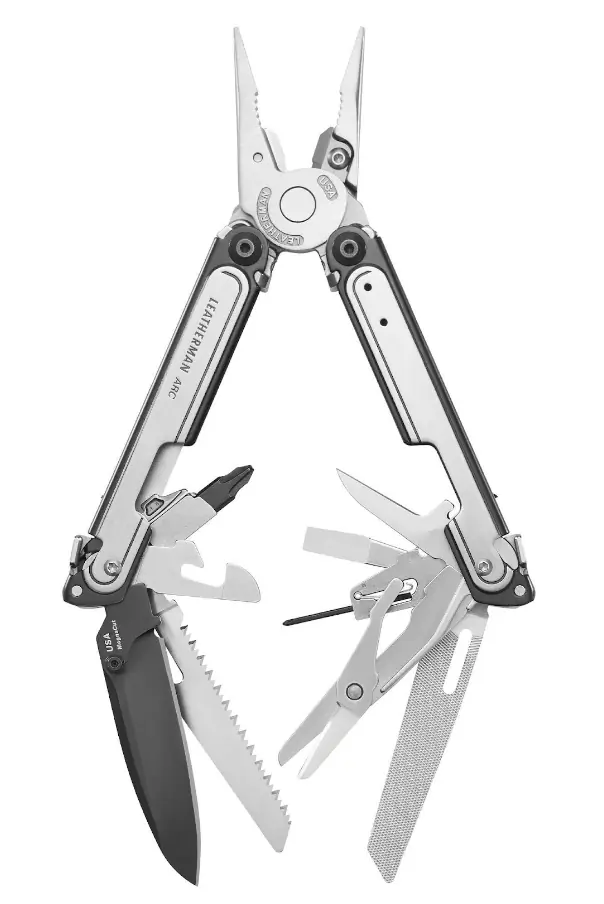
Have you ever noticed the holes in your survival knife and wondered why they’re there? It might seem like a small detail, but those holes serve important purposes that can make a big difference when you’re out in the wild.
Understanding why survival knives have holes will help you appreciate your gear more—and could even improve how you use your knife in tough situations. Keep reading to discover the surprising reasons behind this simple design feature and how it can benefit you when it matters most.

Credit: www.nothingbutknives.com
Purpose Of Holes In Survival Knives
Survival knives are essential tools for outdoor enthusiasts and adventurers. Many have holes in their blades or handles. These holes serve various practical purposes. They enhance the knife’s functionality and usability in challenging environments.
Weight Reduction
Holes in survival knives help reduce weight. A lighter knife is easier to carry. It reduces fatigue during long treks. This is crucial when every ounce counts. A lighter knife means you can move faster. It also allows for greater endurance in survival situations.
Attachment Points
The holes in survival knives serve as attachment points. You can secure the knife to a stick to create a spear. This is useful for hunting or fishing. It provides flexibility in crafting tools. You can also use the holes to attach a lanyard. This prevents the knife from getting lost.
Improved Grip And Handling
Holes can improve grip and handling. They allow for a better, more secure hold. This is important in wet or slippery conditions. A good grip ensures precision and safety. It minimizes the risk of accidents. A secure grip enhances performance in survival tasks.
Weight Reduction Benefits
Survival knives often feature holes in their blades or handles, which might seem purely aesthetic at first glance. However, these holes serve an important function: reducing the knife’s overall weight. This makes a significant difference, especially when you need to carry your gear for extended periods or perform precise tasks.
Easier Carrying
Every ounce counts when you’re packing your survival kit. Holes in the knife reduce weight without sacrificing strength or durability. This makes the knife lighter and less tiring to carry, whether it’s in your pocket, on your belt, or strapped to your pack.
Think about a long hike where you carry multiple tools. A lighter knife means less strain on your body, allowing you to move more comfortably and conserve energy for other challenges. Have you ever noticed how a small weight difference can change your whole day outdoors?
Enhanced Maneuverability
A lighter knife feels more balanced and easier to handle. The holes help shift the weight distribution, improving control during delicate or rapid movements. This can be crucial when you’re crafting shelter, preparing food, or handling emergency situations.
Reducing weight also means less fatigue in your wrist and hand. When you need precision, a lighter tool helps maintain steady control. Have you experienced how a heavy knife can slow you down or make you less accurate?
Attachment And Utility Options
Survival knives often feature holes to increase their practicality beyond cutting tasks. These holes serve as attachment points, making the knife a versatile tool in outdoor and emergency situations. Users can connect cords, mount accessories, or even build other survival tools using these holes. This design enhances the knife’s usefulness in challenging environments.
Lashing And Tying
Holes allow users to lash or tie the knife securely to sticks or poles. This can turn the knife into a spear for hunting or defense. Tying the knife to gear or clothing also prevents loss. The holes make it easy to attach paracord or rope, which is essential in survival settings.
Mounting Accessories
The holes can hold small survival accessories like fire starters or whistles. Attaching these tools keeps them within easy reach. It also helps organize gear and reduces clutter. The knife becomes a compact survival kit with all essentials attached.
Creating Survival Tools
Using the holes, the knife can be combined with other materials to create new tools. For example, it can be fixed to a stick to make a fishing spear. Holes enable quick modifications and adaptations in the wild. This flexibility often makes a big difference in survival situations.
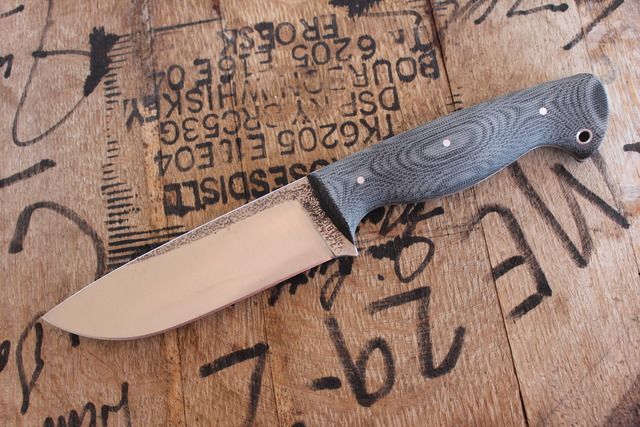
Credit: www.bladeforums.com
Grip And Handling Advantages
Survival knives often include holes in their design to improve grip and handling. These holes help users maintain a firm hold, especially during tough tasks or in wet conditions. The enhanced grip makes the knife safer and more effective to use.
Better Control
Holes in the knife handle reduce weight without losing strength. This balance allows for smoother, more precise movements. A lighter knife feels easier to handle and less tiring over time.
Users can also adjust their grip around the holes. This adaptability improves control during cutting, slicing, or carving. The result is a more confident and stable hold.
Preventing Slippage
The holes create extra friction points on the handle. This feature helps stop the knife from slipping out of wet or sweaty hands. Even in harsh conditions, the user can keep a secure grip.
Holes also allow water or debris to pass through. This reduces slipperiness and keeps the handle firm in the hand. A non-slip grip is crucial for safety and precision.
Design Variations With Holes
Survival knives often feature holes in their design, but these holes vary greatly depending on the knife’s intended use and construction style. Understanding these design variations can help you choose the right knife for your needs. The way holes are integrated affects both the knife’s strength and functionality.
Full Tang Vs Partial Tang
Full tang knives have a blade that extends through the entire handle. Holes in full tang knives often serve practical purposes, such as reducing weight without sacrificing strength.
Partial tang knives have blades that only extend partway into the handle. In these knives, holes might be used to secure handle scales or add attachment points for lanyards or gear.
Have you noticed how a full tang knife feels more balanced? The holes in the tang can shift the weight just enough to improve handling during tough survival tasks.
Hole Shapes And Sizes
The shapes and sizes of holes vary widely—from small circular holes to large elongated slots. Small holes often serve as lanyard holes, allowing you to attach cords for security or ease of carrying.
Larger holes or slots can be multipurpose. They might be used for threading paracord to create an emergency bracelet or handle wrap, or even to help in sharpening by allowing airflow and debris removal.
Think about what you need your survival knife to do beyond cutting. Would a small hole for a lanyard make it easier to retrieve from your gear? Or would a larger hole help you customize the handle for better grip or emergency use?

Credit: eknives.com
Additional Survival Uses
Survival knives often have holes that serve practical purposes beyond just reducing weight. These holes play a key role in various survival techniques. They offer extra utility that can be crucial in the wild.
Fire Starting Techniques
Holes in survival knives can help create sparks for fire starting. By striking a ferrocerium rod against the knife’s hole edge, sparks fly easily. This method works well even in damp conditions. The hole acts as a point to focus force and control the strike.
Some survival knives have specially designed holes to hold small fire-starting tools. These tools fit snugly, making them easy to carry and use. This setup keeps essential fire-starting gear close at hand.
Improvised Traps And Snares
The holes in survival knives can assist in making traps and snares. You can thread cord or wire through the hole to create loops or tension points. This helps in building effective snare mechanisms to catch small animals.
Using the hole, you can tie your knife securely to sticks or branches. This forms a stable base for traps. The knife’s sharp edge then acts as a cutting or triggering tool within the trap setup.
Frequently Asked Questions
Why Do Survival Knives Have Holes In The Blade?
Holes reduce the knife’s overall weight, making it easier to carry. They also help balance the blade and improve grip options for different tasks.
Do Holes Affect The Knife’s Strength Or Durability?
Properly designed holes do not weaken survival knives. They maintain structural integrity while reducing weight, ensuring the blade stays strong and reliable.
Can Holes Be Used For Attaching Survival Gear?
Yes, holes allow users to attach cords or lanyards. This helps secure the knife or create makeshift tools in survival situations.
Are Holes In Survival Knives Useful For Multitasking?
Holes can serve multiple purposes, like striking fire starters or improving grip. They add versatility to the knife in outdoor scenarios.
Conclusion
Survival knives have holes for practical reasons. These holes reduce weight, making the knife easier to carry. They also help attach the knife to gear or ropes. Some holes improve grip and balance during use. These small details can make a big difference in survival situations.
Understanding this helps you appreciate the design better. Next time you see a survival knife, you’ll know why it has holes. Simple, smart, and useful—just what you need outdoors.