Imagine a sudden emergency that cuts off your access to food. Do you know how much you really need to stay safe and healthy?
Having the right amount of food can make all the difference when disaster strikes. You might feel unsure about what to stock or how long it should last. This guide will help you figure out exactly how much food you should have on hand, so you can protect yourself and your loved ones without worry.
Keep reading to get clear, simple answers that will give you peace of mind.

Credit: www.youtube.com
Estimating Food Needs
Estimating how much food you need for an emergency is a key step in preparing well. You must consider several factors to make sure everyone has enough to eat. Careful planning helps avoid shortages and stress during tough times.
Daily Calorie Requirements
Each person needs a certain number of calories to stay healthy. On average, adults require about 2,000 to 2,500 calories per day. Children and older adults often need fewer calories. During emergencies, energy needs might change due to stress or physical activity. Plan to store food that meets these calorie needs every day.
Number Of People To Feed
Count all family members and anyone else you may need to help. Include adults, children, and pets if possible. Each person has different food needs based on age and health. Knowing the exact number helps calculate total food storage accurately.
Duration Of Emergency
Decide how long you want to be prepared for. Experts often recommend storing food for at least three days. Some prefer a two-week supply for added safety. Longer supplies need more storage space and careful rotation to keep food fresh. Plan your food storage based on the likely length of emergencies in your area.

Credit: choq.com
Choosing The Right Foods
Choosing the right foods for an emergency kit is about more than just filling your pantry. You need items that last, provide essential nutrients, and can be prepared quickly under stress. Balancing these factors ensures your food supply supports your health and energy when you need it most.
Long Shelf Life Options
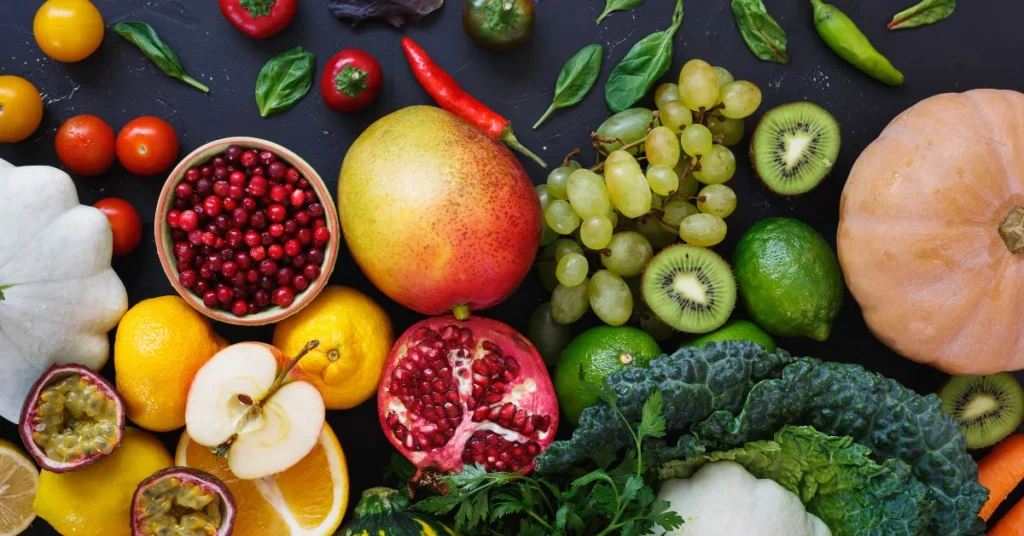
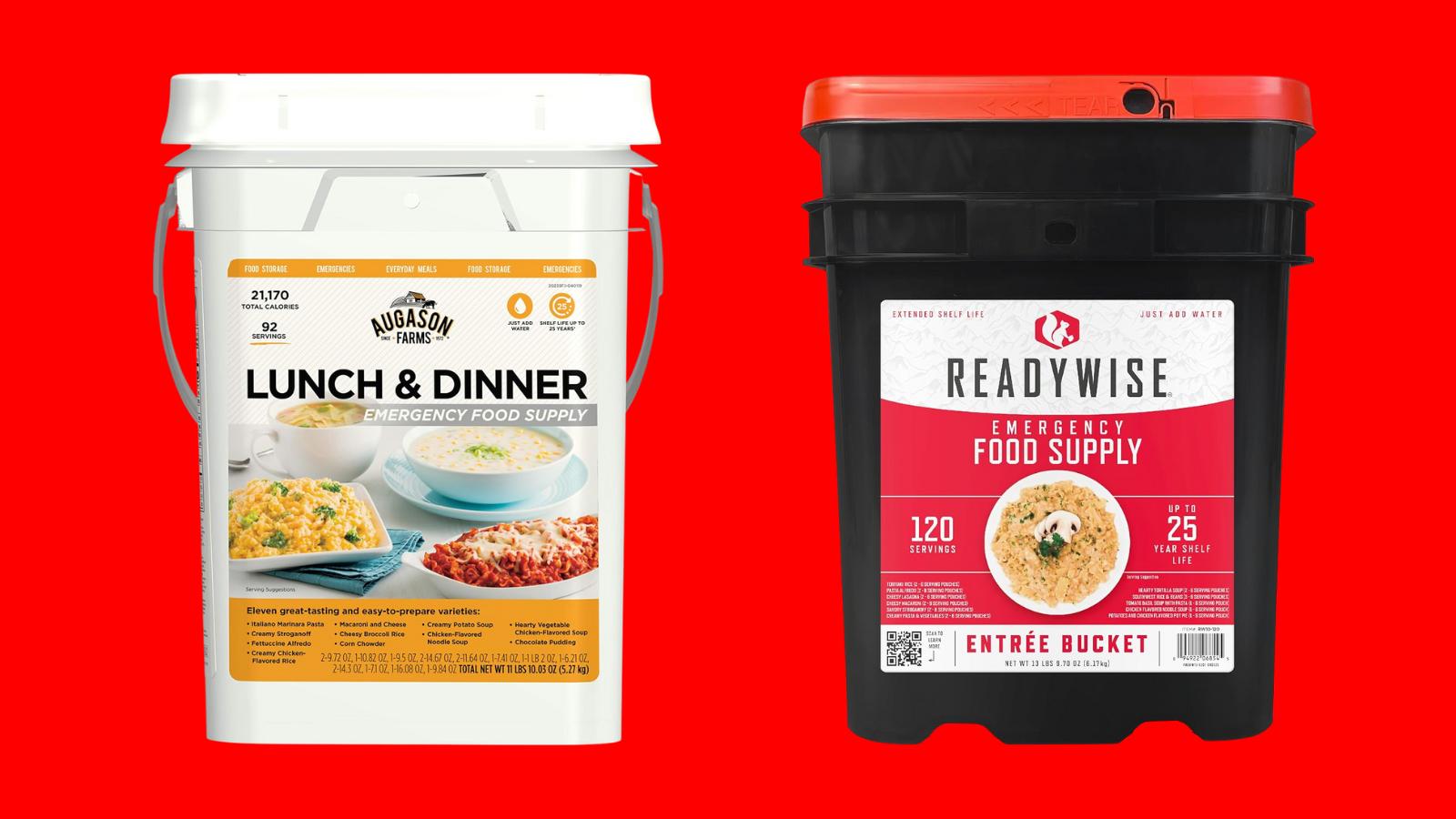
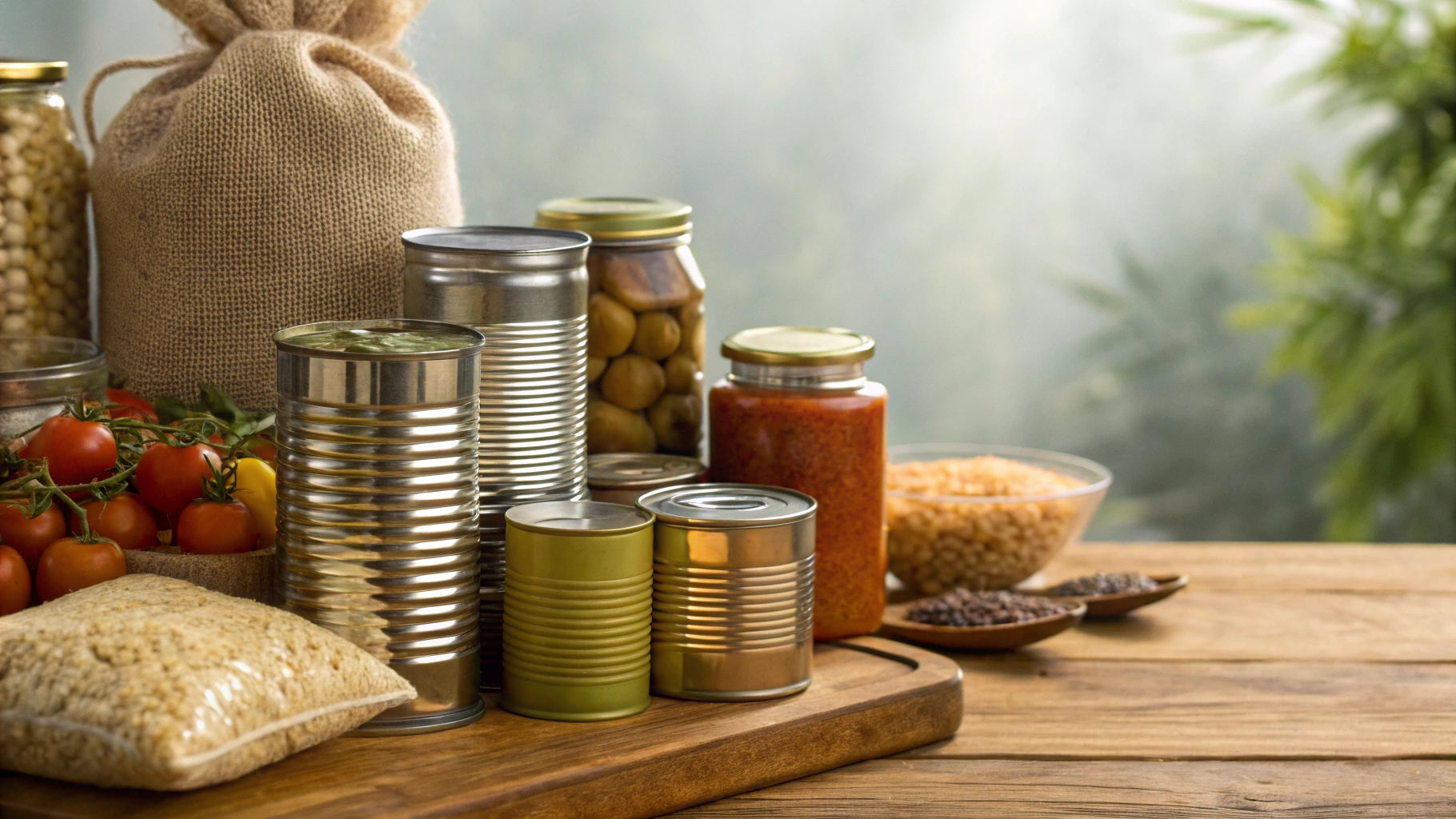
Foods that last for months or even years are key to a reliable emergency stash. Canned beans, rice, and dried pasta often have shelf lives exceeding one year. Don’t forget dehydrated fruits and freeze-dried meals—they save space and stay fresh a long time.
Look for vacuum-sealed packages or airtight containers to keep your food safe from moisture and pests. Have you checked the expiration dates on your emergency supplies lately? Rotate items regularly to avoid surprises when you need them most.
Nutrient-dense Foods
Energy-rich foods keep you going during tough times. Nuts, seeds, peanut butter, and whole-grain crackers pack calories and nutrients into small portions. Adding canned fish or jerky gives you protein without refrigeration.
Vitamins and minerals are just as important as calories. Fortified cereals and powdered milk can fill gaps in your diet. Think about what you need to feel alert and strong—your body will thank you when the power goes out.
Easy-to-prepare Meals
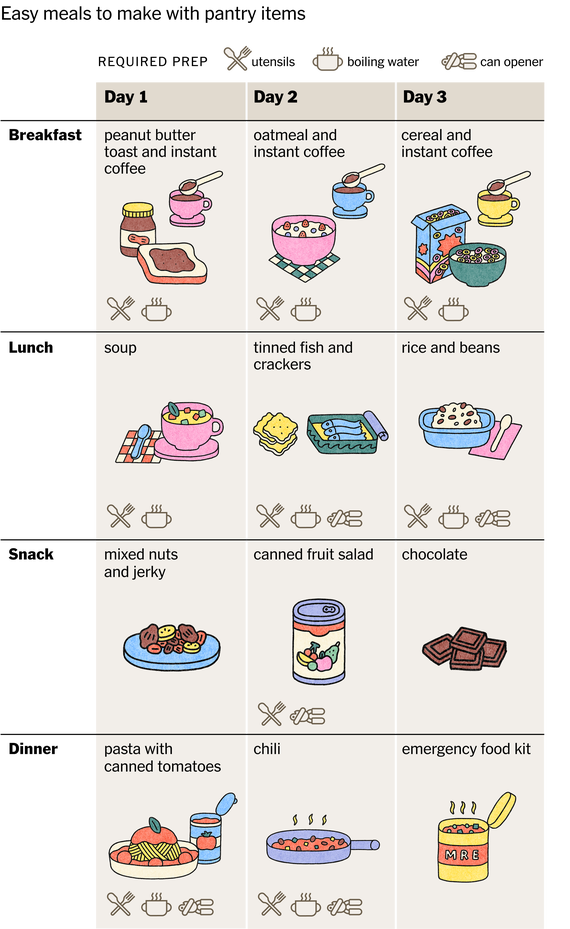
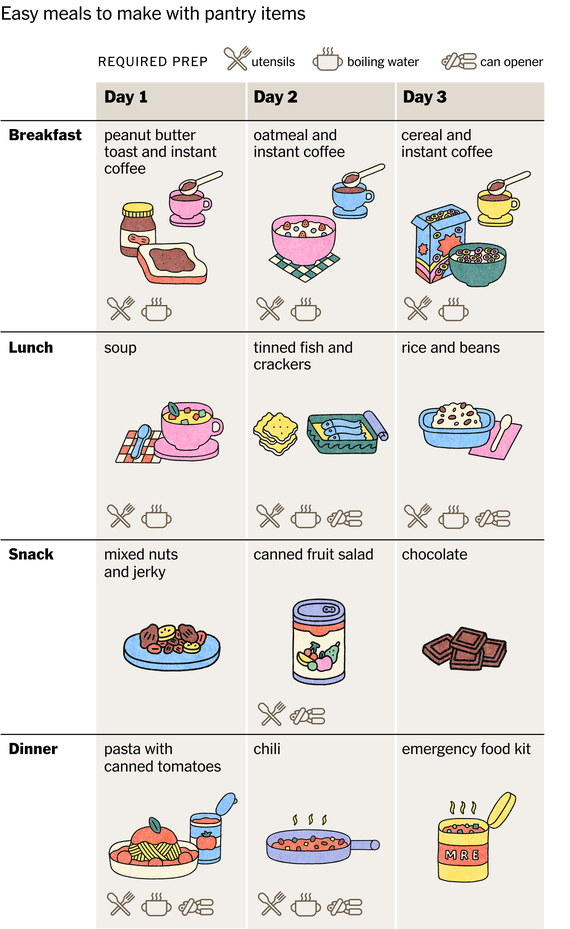
Emergencies aren’t the time for complicated recipes or long cooking times. Choose foods you can eat straight from the can or bag, or those that need minimal water and heat. Instant oatmeal, ready-made soups, and energy bars are lifesavers.
Consider how much fuel you’ll have for cooking. Can you prepare meals without electricity or gas? Having a manual can opener and a portable stove could make a big difference. What simple meals do you rely on when time and resources are limited?
Storing Your Emergency Food
Plan to store at least a two-week supply of food for each person. Focus on non-perishable items that provide energy and nutrients. Rotate supplies regularly to keep your emergency food fresh and safe.
Storing emergency food is crucial for preparedness. Proper storage ensures food remains safe and edible. This involves using correct containers, maintaining ideal conditions, and monitoring expiration dates. Let’s explore these aspects for efficient food storage.Proper Containers
Choosing the right containers is essential. Opt for airtight containers to keep food fresh. Use food-grade plastic or glass jars. Metal cans with lids also work well. Avoid using thin plastic bags. They may not protect against pests or moisture. Label containers with contents and date of storage.Ideal Storage Conditions
Store food in a cool, dry place. Aim for a temperature of 50 to 70 degrees Fahrenheit. Avoid areas with direct sunlight. Basements or pantries are great options. Ensure the area is free from pests and rodents. High humidity can spoil food quickly. Use dehumidifiers if necessary.Rotation And Expiration
Regularly check food expiration dates. Rotate food to use older items first. This method is known as FIFO – First In, First Out. Replace expired items immediately. Keep a list of stored food and expiration dates. This helps in planning and reduces waste.Water And Hydration Needs
Water is the most important resource during an emergency. Staying hydrated keeps your body working well. It supports your energy, brain function, and overall health. Planning enough water for each person is essential. This section explains daily water needs, storage tips, and purification methods.
Daily Water Intake
Each person needs about one gallon of water per day. This covers drinking, cooking, and basic hygiene. Children and elderly may need less, but plan the same amount. Hot weather or physical activity can increase water needs. Always have extra water saved to avoid shortages.
Water Storage Tips
- Use clean, food-grade containers for storing water.
- Store water in a cool, dark place away from chemicals.
- Keep water containers sealed tightly to prevent contamination.
- Label containers with the date of storage and rotate every six months.
- Consider using water storage barrels for large quantities.
Purification Methods
Stored water may need purification before use. Boiling water for at least one minute kills most germs. Water purification tablets are effective and easy to carry. Portable water filters remove bacteria and parasites. Always have a backup purification method in your emergency kit.
Special Dietary Considerations
Planning your emergency food supply means more than just stocking up on non-perishable items. Your unique dietary needs must be part of the equation. Special dietary considerations can make all the difference in staying healthy and comfortable during a crisis.
Allergies And Intolerances
If you or your family members have food allergies or intolerances, carefully check every item before adding it to your emergency stash. Avoid common allergens like nuts, dairy, gluten, or shellfish unless you have safe alternatives. Label your stored food clearly to prevent accidental consumption.
Think about cross-contamination risks too. Even a small exposure can cause serious reactions. Have backup options ready, such as allergy-friendly protein bars or hypoallergenic baby formula. This helps you stay safe without sacrificing nutrition.
Infants And Elderly Needs
Infants and elderly individuals need special attention in your food supply. Babies require formula or breast milk substitutes and age-appropriate solid foods that are easy to digest. Don’t forget supplies like bottles, sterilizers, and baby snacks.
Older adults may have dietary restrictions or chewing difficulties. Soft foods, fortified cereals, and easy-to-open packaging can make a big difference. Have enough nutrients to support their immune system and energy levels during stressful times.
Medications And Supplements
Some medications require food to be effective or to avoid stomach upset. Plan meals that align with these needs. For example, if you or a loved one take thyroid medication, avoid foods that interfere with absorption like soy or high-fiber items.
Don’t forget about essential supplements such as vitamins or minerals. Stock extra supplies and include them in your emergency checklist. Missing these could lead to health issues when fresh food is limited.
Emergency Cooking Methods
Emergency cooking methods are essential to understand when planning how much food you should store. You may have plenty of food, but if you can’t prepare it safely, it loses its value. Knowing your cooking options helps you stay nourished and comfortable during unexpected situations.
No-cook Food Options
Not all emergencies allow for cooking. Stock up on foods you can eat straight from the package. Think canned beans, peanut butter, nuts, dried fruits, and protein bars.
These items require no heat and provide essential nutrients. Have a variety to avoid meal fatigue. Do you have enough no-cook options to last several days?
Alternative Cooking Tools
When cooking is possible but your usual appliances aren’t, alternative tools become lifesavers. Portable stoves, solar ovens, and charcoal grills work well.
Each tool has pros and cons—solar ovens depend on sunlight, while charcoal grills need proper ventilation. Test these tools before an emergency to know what suits your needs best.
Fuel Storage And Safety
Fuel is as important as the cooking tools themselves. Store fuel like propane, charcoal, or wood safely and in approved containers.
Keep fuel away from heat sources and out of children’s reach. Have enough to last, but avoid excess that could cause hazards. Have you mapped out a safe storage spot for your fuel supplies?
Planning For Pets
Planning for your pets during an emergency is just as important as preparing for yourself. Pets rely on you for their food and care, so having a clear plan ensures they stay healthy and calm. Think about your pet’s usual diet and habits to make your emergency food supply both practical and sufficient.
Pet Food Quantities
Calculate your pet’s daily food needs based on their size, age, and activity level. Typically, dogs eat about 2-3% of their body weight in food per day, while cats consume roughly 3-4%. Multiply that by the number of days you want to prepare for—usually at least two weeks.
Don’t forget treats and supplements if your pet normally receives them. Keep a small buffer to handle changes in appetite or stress. Have you measured how much your pet actually eats each day? This simple step can prevent both overstocking and shortages.
Storage And Shelf Life
Store pet food in airtight containers to protect it from moisture and pests. Dry kibble can last 6-12 months if sealed properly, but canned food typically lasts 2-5 years unopened. Always check expiration dates before adding items to your emergency stash.
Rotate your pet’s emergency food supply regularly to keep it fresh. Avoid mixing old and new food to prevent spoilage. Have you considered how you’ll store food if power goes out? Cool, dry places are best, but portable options like sealed bags can help.
Special Diets For Pets
If your pet has allergies or medical conditions, their diet needs extra attention. Stock enough of their prescription or special food to cover your emergency period. Sudden diet changes can upset their stomach, so maintaining consistency is key.
Consult your vet about suitable emergency alternatives if your regular food runs out. Sometimes, simple homemade options can temporarily replace commercial diets. How prepared are you to manage your pet’s unique dietary needs under stress?
Credit: www.battlbox.com
Frequently Asked Questions
How Much Food Is Needed Per Person For Emergencies?
You should store at least a two-week supply of food per person. This includes non-perishable items that provide balanced nutrition and calories.
What Types Of Food Last Longest In Emergencies?
Canned goods, dried beans, rice, and freeze-dried meals have the longest shelf life. Choose foods that require minimal preparation and water.
How Many Calories Per Day Should I Store For Emergencies?
Store about 2,000 to 2,500 calories per person daily. This amount supports basic energy needs during emergency situations.
Should Emergency Food Include Special Dietary Needs?
Yes, consider allergies, medical conditions, and preferences. Include gluten-free, diabetic-friendly, or vegetarian options as needed.
Conclusion
Having enough food for an emergency keeps you safe and calm. Plan for at least three days of supplies per person. Choose foods that last long and need little water or heat. Store the food in a cool, dry place.
Check your stock often and replace expired items. Remember, being ready helps you face emergencies better. Small steps today bring peace tomorrow. Start your food plan now. Stay prepared, stay safe.