When disaster strikes, having the right amount of food can make all the difference. But how much food should you actually stock for an emergency?
You might worry about running out or wasting too much. Finding the perfect balance is key to staying safe and comfortable when the unexpected happens. You’ll discover simple steps to calculate your food needs, avoid common mistakes, and build a supply that fits your lifestyle.
Keep reading—your future self will thank you.
Assessing Your Household Needs
Knowing exactly how much food to store for emergencies starts with understanding the unique needs of your household. Every family differs in size, lifestyle, and health, so a one-size-fits-all approach won’t work. Assessing your household needs helps you avoid overbuying or falling short when it matters most.
Calculating Daily Calorie Requirements
Each person requires a certain number of calories daily to stay healthy and energized. Typically, adults need between 1,800 and 2,500 calories, depending on activity levels. You can find calorie calculators online to get a personalized estimate for everyone in your home.
Multiply each person’s daily calorie need by the number of days you want to prepare for. This simple math gives you a clear target. Don’t forget to include snacks and beverages that contribute to overall calorie intake.
Considering Dietary Restrictions
Does anyone in your household have allergies or follow a special diet? Gluten intolerance, vegetarianism, or diabetes can all affect what foods you should stock. It’s crucial to choose safe and suitable options to keep everyone healthy during an emergency.
Make a list of these restrictions and match your food supplies accordingly. For example, if a family member cannot eat nuts or dairy, avoid foods that contain these ingredients even if they have a long shelf life.
Factoring In Age And Health Conditions
Children, elderly family members, and those with chronic illnesses often need different nutrition. Young kids might need more calories per pound compared to adults, while seniors may require softer foods or supplements. Health conditions like hypertension or kidney disease might restrict salt or protein intake.
Tailor your food storage to meet these needs by including items like baby formula, easy-to-chew foods, or low-sodium canned goods. Think about how these choices impact the volume and variety of food you stock.

Credit: www.hawaiianelectric.com
Choosing The Right Food Types
Choosing the right types of food for your emergency stockpile can make all the difference during a crisis. It’s not just about quantity but quality—foods that last long, provide enough energy, and keep you feeling somewhat normal. Think about what will sustain you physically and emotionally when everything else is uncertain.
Non-perishable Staples
Start with foods that won’t spoil quickly. Canned beans, rice, pasta, and dried lentils are excellent because they have a long shelf life and provide essential nutrients. I once relied on canned tuna and rice during a power outage, and they kept me full and nourished without any refrigeration.
Don’t forget items like powdered milk, cooking oils, and canned vegetables. These staples form the backbone of your emergency meals and offer versatility in cooking. Check expiration dates regularly and rotate your stock to keep everything fresh.
High-energy Snacks
Energy-dense snacks are crucial when you need quick calories without a full meal. Nuts, trail mix, granola bars, and peanut butter packs are perfect for this. They’re easy to carry and consume, which makes them great for short bursts of activity or when you’re on the move.
Choose snacks that combine protein, fats, and carbs to keep your energy steady. Think about what you enjoy eating—if it feels like a treat, you’re more likely to eat it when times get tough. What snacks do you turn to when you need a quick boost?
Comfort And Variety Foods
Comfort foods can ease stress and provide a sense of normalcy during emergencies. Stock up on items like instant coffee, tea bags, chocolate, or your favorite dried fruits. These small pleasures can boost morale when you least expect it.
Variety is also important to avoid food fatigue. Mix up flavors and textures so your meals don’t become a chore. Have you ever noticed how a simple cup of tea or a square of chocolate can lift your spirits on a bad day? That’s the power of comfort foods in an emergency.
Estimating Food Quantities
Estimating how much food to store for emergencies can feel overwhelming. You want to be prepared without overbuying or wasting space. Getting a clear idea of the right quantities helps you stay ready and saves money.
Food Amounts Per Person
Start by calculating daily calorie needs. On average, an adult requires about 2,000 to 2,500 calories per day during emergencies. Children, seniors, or people with health conditions might need more or less.
Here’s a simple breakdown of food per person per day:
| Food Type | Amount |
|---|---|
| Grains (rice, pasta, oats) | 1 to 1.5 pounds |
| Proteins (beans, lentils, canned meat) | 0.5 to 1 pound |
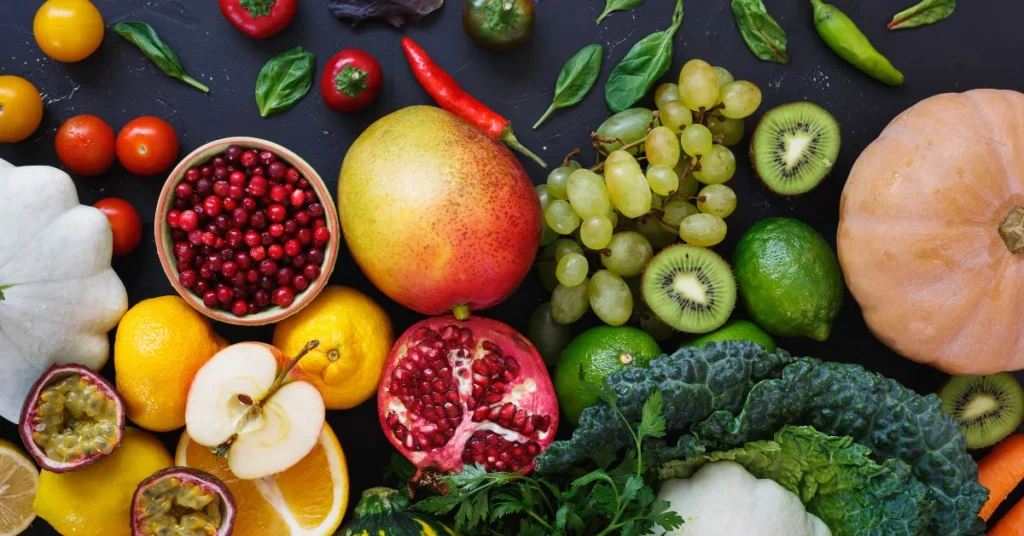
| Fruits and Vegetables (canned or dried) | 1 to 1.5 pounds |
| Fats (nuts, oils) | 0.25 to 0.5 pounds |
Think about how many days you want to be prepared for, then multiply these amounts accordingly. Have you ever realized how quickly food supplies can disappear during unexpected events?
Meal Planning For Emergencies
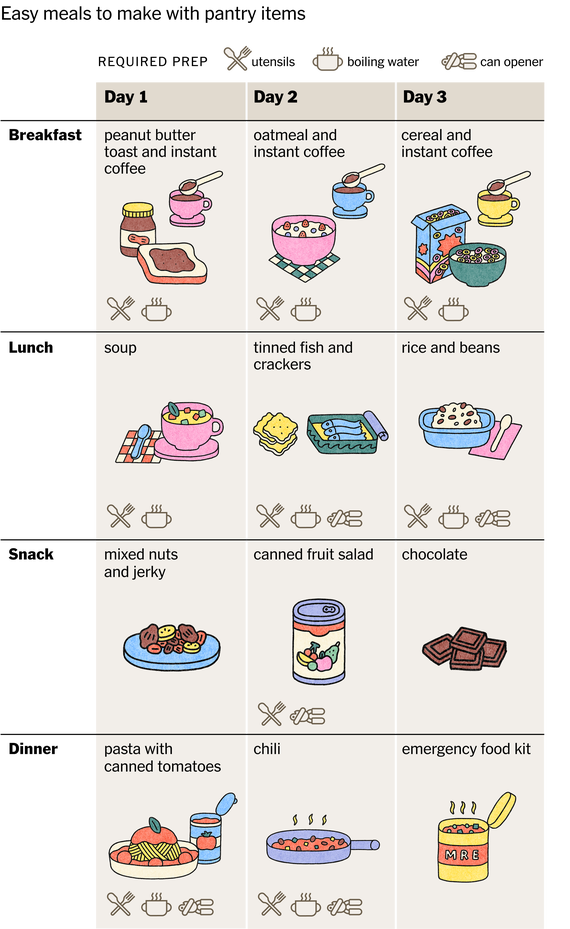
Planning meals in advance helps you avoid food waste and ensures balanced nutrition. List simple recipes using your stored items. For instance, rice with beans and canned vegetables can be a nutritious, easy meal.
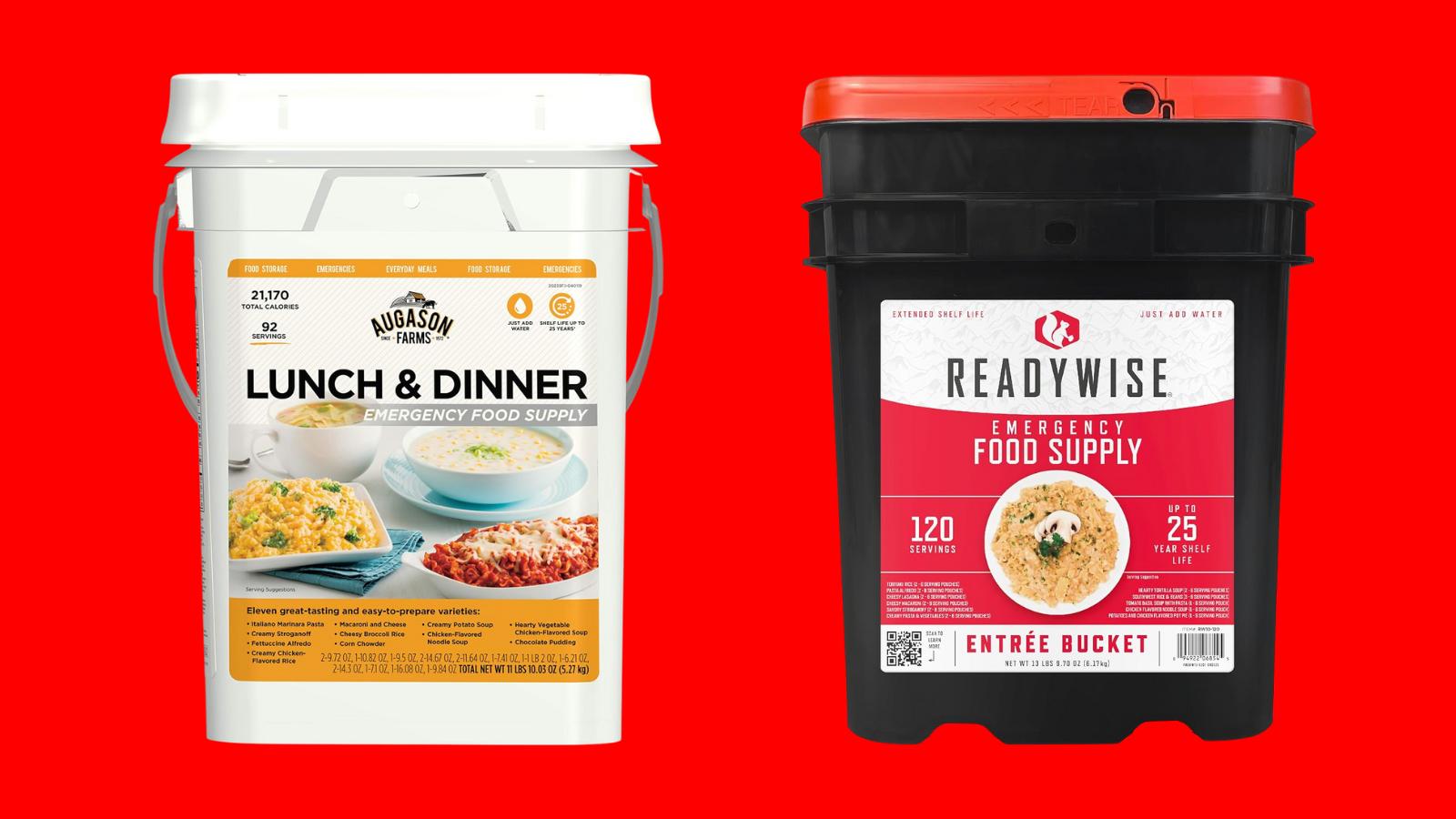
Try to mix dry goods with canned or freeze-dried items for variety. Don’t forget comfort foods that boost morale, like chocolate or instant coffee. What meals would keep you satisfied and energized during tough times?
Create a weekly meal plan that rotates your stock to keep it fresh. Testing these meals before an emergency can reveal what you actually enjoy and what you might want to swap out.
Adjusting For Storage Space
Storage space often limits how much food you can keep. Measure your available area before purchasing supplies. Stackable containers and vacuum-sealed bags can save room and keep food fresh longer.
If space is tight, focus on high-calorie, nutrient-dense foods that take up less volume. Examples include peanut butter, nuts, and dehydrated meals. Have you checked if your chosen foods fit comfortably in your storage spots?
Remember to keep your stock organized with labels and dates. This makes it easier to rotate items and spot what needs replacing. Small tweaks in storage can make a big difference in your emergency readiness.
Storage Tips And Best Practices
Storing emergency food properly keeps it fresh and safe for long periods. Poor storage can spoil food and waste your supplies. Follow simple tips to protect your stockpile and ensure food lasts when you need it most.
Optimal Storage Conditions
Store food in a cool, dry, and dark place. Ideal temperatures range between 50°F and 70°F. Avoid areas with high humidity to prevent mold and spoilage. Keep food away from direct sunlight and heat sources. A basement or pantry often works well.
Rotating Your Stockpile
Use the “first in, first out” rule to rotate food items. Eat older items before newer ones. Label each item with the purchase or expiration date. Check your stock regularly for expired or damaged food. This practice prevents waste and keeps your supply fresh.
Using Proper Containers
Choose airtight containers to protect food from air and pests. Use food-grade plastic bins, glass jars, or metal cans. Avoid containers that can leak or break easily. Vacuum-sealed bags also extend shelf life. Clearly label each container with contents and date.
Water Supply Considerations
Water is the most vital element to store for any emergency. Without enough water, survival becomes difficult quickly. Planning a reliable water supply is crucial for safety and health during emergencies. Consider how much water each person needs every day. Think about the best ways to store water safely. Know how to purify water to avoid illness from unsafe sources.
Daily Water Needs
Each person requires about one gallon of water per day. This includes water for drinking, cooking, and basic hygiene. Children, pregnant women, and sick people may need more. Hot weather or physical activity also increases water needs. Plan for at least three days of water supply per person. Longer emergencies require more storage. Always keep extra water for pets and cleaning.
Water Storage Methods
Use clean, food-grade containers for storing water. Plastic jugs, water barrels, and sealed bottles work well. Store water in a cool, dark place to prevent algae growth. Label containers with the date filled. Rotate stored water every six months to keep it fresh. Avoid containers that held chemicals or non-food liquids. Use water storage kits that include taps for easy access.
Purification Techniques
Water may become unsafe during emergencies. Purify water before drinking to remove germs and bacteria. Boiling water for one minute kills most harmful organisms. Use water purification tablets or drops as directed. Portable water filters can remove particles and microbes. Solar disinfection uses sunlight to treat small water amounts. Keep multiple purification options ready for any situation.
Supplementing Your Stockpile
Building a food stockpile is important for emergencies. Still, food alone is not enough. Supplementing your stockpile ensures you stay healthy and comfortable. It covers vitamins, cooking tools, and other essentials. These items help you make the most of your stored food.
Vitamins And Supplements
Vitamins keep your body strong during emergencies. Stock multivitamins that cover daily needs. Vitamin C and D support your immune system. Consider supplements like calcium and magnesium for bone and muscle health. Store them in airtight containers away from heat and light. This keeps them effective for longer.
Emergency Cooking Supplies
Food needs cooking tools to become edible. Include portable stoves or camping grills in your stockpile. Keep enough fuel for several days or weeks. Add lightweight pots, pans, and utensils. Don’t forget manual can openers for canned goods. Small cutting boards and knives help with food prep. Carry waterproof matches or lighters to start fires easily.
Non-food Essentials
Non-food items support your overall survival and hygiene. Stock water purification tablets or filters for safe drinking water. Include basic first aid kits with bandages, antiseptics, and pain relievers. Store hygiene products like soap, toothpaste, and feminine supplies. Have garbage bags and plastic containers to manage waste. These essentials keep your environment clean and healthy.
Adapting For Different Emergency Scenarios
Different emergencies need different amounts of food. Stock enough for each person’s daily needs. Plan based on the type and length of the emergency.
Adapting to different emergency scenarios is crucial for effective food storage. Each situation demands unique planning to ensure your family remains nourished. Consider factors like duration, location, and seasonal needs. This will help you tailor your food stockpile effectively.Short-term Vs Long-term Planning
Short-term emergencies might last a few days. You need enough food for immediate survival. Focus on non-perishable items like canned goods, dried fruits, and nuts. Long-term situations require a more extensive stock. Think about foods with a long shelf-life. Items like rice, beans, and powdered milk are essential. Consider nutrient-rich options to maintain health over time.Urban Vs Rural Considerations
Urban living often means limited storage space. Choose compact, high-calorie foods to maximize space. Think about ready-to-eat meals and energy bars. In rural areas, storage space might not be an issue. You can store larger quantities of bulk items. Consider homegrown and preserved foods like canned vegetables. Access to fresh water and gardening options might be available too.Seasonal Adjustments
Seasons affect food availability and storage needs. Winter might require more calorie-dense foods for warmth. Soups, stews, and hot drinks can be comforting. Summer can offer more fresh produce options. Consider preserving seasonal fruits and vegetables. This ensures variety and nutrition year-round. Adjust your stockpile to reflect the changing seasons.
Credit: www.goodhousekeeping.com

Credit: backpackerspantry.com
Frequently Asked Questions
How Much Food Should I Stock Per Person?
Stock at least a two-week supply of food per person. Include calories and nutritional balance in your planning. Consider daily calorie needs, typically around 2,000 to 2,500 calories.
What Types Of Food Are Best For Emergencies?
Choose non-perishable, nutrient-rich foods like canned goods, dried fruits, nuts, and grains. Prioritize foods with long shelf lives and easy preparation. Avoid items needing refrigeration or complex cooking.
How Often Should I Rotate Emergency Food Supplies?
Rotate your emergency food supplies every 6 to 12 months. Check expiration dates and replace expired or soon-to-expire items. Regular rotation maintains freshness and ensures food safety.
How Much Water Should I Stock For Emergencies?
Store at least one gallon of water per person daily. Plan for a minimum two-week supply to cover drinking and basic hygiene. Adjust amounts for climate and individual needs.
Conclusion
Planning food for emergencies helps keep you safe and calm. Stock enough for each person’s needs every day. Don’t forget water and easy-to-cook meals. Rotate supplies regularly to keep food fresh. Simple steps today can make tough times easier tomorrow.
Preparing now means less worry later. Start small, then build your emergency food store over time. Stay ready, stay safe.