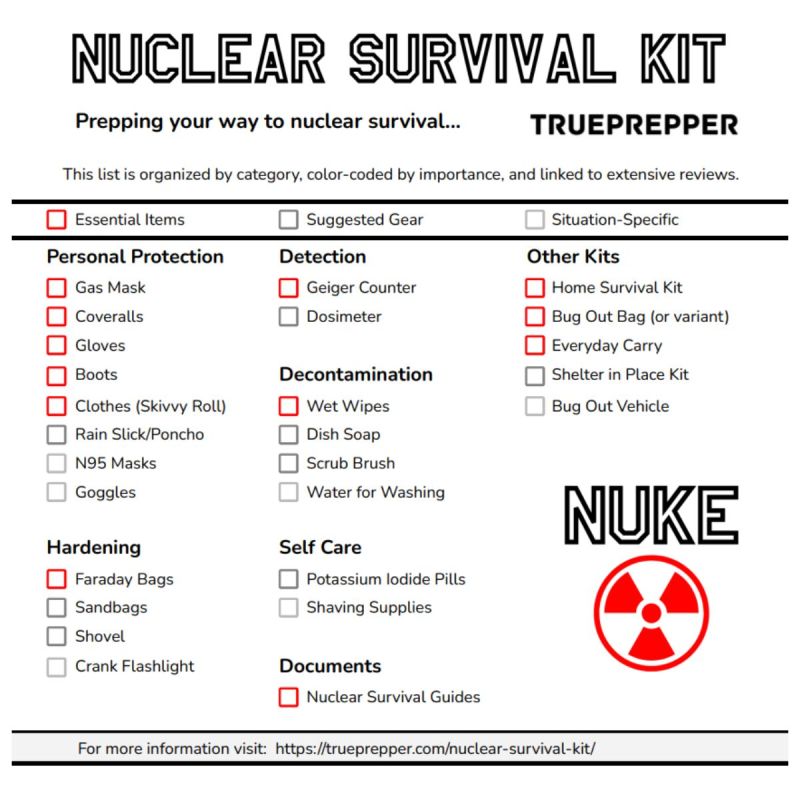
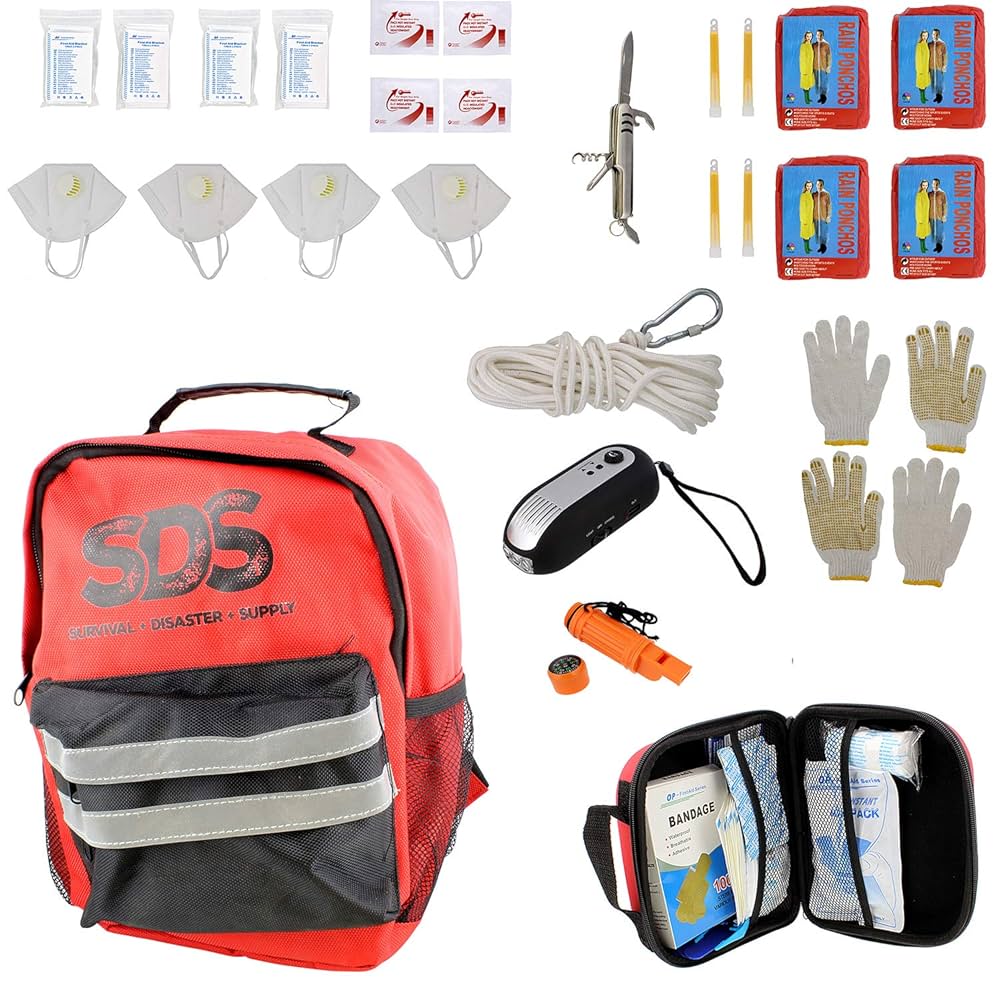
Imagine the ground shaking beneath your feet and everything around you turning chaotic in seconds. Are you ready to face that moment?
Building an earthquake survival kit is one of the smartest steps you can take to protect yourself and your loved ones. This kit isn’t just a box of supplies—it’s your lifeline when disaster strikes. In this guide, you’ll discover exactly what you need, why each item matters, and how to prepare your kit quickly and effectively.
Keep reading, because being prepared could make all the difference when every second counts.

Credit: www.amazon.in
Choosing The Right Container
Choosing the right container for your earthquake survival kit is crucial. It protects your supplies and keeps them organized. The container must withstand rough conditions and keep items safe from water and dust. Picking a container that fits your needs makes it easier to carry and use during an emergency.
Durable And Waterproof Options
Durability is key to protect your survival gear. Hard plastic containers resist impacts and won’t break easily. Look for containers labeled as waterproof or water-resistant. These prevent moisture from damaging food, medicine, and electronics inside.
Metal containers can also work well. They are strong but heavier. Choose containers with secure lids and tight seals to keep water out. Avoid cardboard or thin plastic bags. They tear and offer little protection in tough conditions.
Portability Considerations
Your earthquake kit must be easy to carry. Size matters. A container too large can be hard to move quickly. Choose a container that fits your needs but stays manageable.
Look for containers with handles or shoulder straps. These features make it easier to grab and go. Stackable containers help organize multiple kits or supplies. Clear containers let you see contents without opening them.
Balance weight and size. Carrying a heavy container can slow you down. Pack only essentials to keep the kit light and portable.

Credit: moreprepared.com
Essential Food And Water Supplies
Having the right food and water supplies in your earthquake survival kit can make a huge difference when disaster strikes. You want items that last long, are easy to store, and can keep you energized. Think about what you would need if help is delayed for several days—hydration and nutrition become your top priorities.
Non-perishable Food Items
Choose foods that won’t spoil quickly and require little to no preparation. Canned goods like beans, vegetables, and tuna are sturdy options. Don’t forget about energy-rich snacks such as nuts, granola bars, and dried fruits.
Freeze-dried meals are lightweight and last for years, making them excellent for your kit. Include comfort foods too, like peanut butter or chocolate, to keep spirits up during stressful times. Remember, variety helps prevent food fatigue when you rely on your supplies for several days.
- Canned meats and fish
- Dried fruits and nuts
- Granola or energy bars
- Instant oatmeal packets
- Freeze-dried meals
- Peanut butter or nut butters
Water Storage And Purification
Water is the most critical item in your survival kit. Aim for at least one gallon per person per day, stored in clean, food-grade containers. If you have space, include extra water for pets or cooking.
Water purification tools are just as important as storage. Tablets, portable filters, or purification drops can turn unsafe water into drinkable water. I once had to rely on purification tablets after an earthquake blocked water supplies—without them, dehydration would have been a serious risk.
Think about your water needs beyond drinking. Can you safely prepare food or clean wounds with the water you have? Adding a small, manual water filter can give you peace of mind when you’re unsure about the water source quality.
- Food-grade water storage containers (1+ gallon)
- Water purification tablets
- Portable water filter (e.g., LifeStraw)
- Household chlorine bleach (unscented, for emergency disinfection)
First Aid And Medical Supplies
Having the right first aid and medical supplies in your earthquake survival kit can make a huge difference when seconds count. You want to be ready to handle minor injuries and provide comfort until professional help arrives. Think about the last time you got a cut or scrape—did you have everything you needed to treat it quickly?
Basic First Aid Items
Start with essentials that cover common injuries like cuts, scrapes, and burns. Bandages in various sizes, sterile gauze pads, and adhesive tape help stop bleeding and protect wounds. Don’t forget antiseptic wipes or solution to clean injuries and reduce infection risk.
- Assorted adhesive bandages
- Sterile gauze pads and adhesive tape
- Antiseptic wipes or solution
- Elastic bandage for sprains
- Disposable gloves to keep things sanitary
- Scissors and tweezers
- Instant cold packs
These items allow you to treat minor injuries effectively and prevent complications. A personal tip: keep everything in a waterproof pouch to avoid damage during a quake.
Medications And Personal Needs
Think about any medications you or your family members take regularly—these must be part of your kit. Include pain relievers, antihistamines, and any prescription drugs with clear instructions.
- Pain relief like ibuprofen or acetaminophen
- Allergy medications such as antihistamines
- Prescription medicines with copies of prescriptions
- Personal medical supplies (inhalers, insulin, etc.)
- Oral rehydration salts for dehydration
Ask yourself: What medical needs might arise during an earthquake that you’re not prepared for? Keeping extras of your personal medications can be lifesaving when access to pharmacies is limited.
Tools And Emergency Gear
Having the right tools and emergency gear can make all the difference when an earthquake strikes. These items aren’t just extras—they’re essentials that help you stay safe, communicate, and manage unexpected challenges. Let’s look at what you should add to your earthquake survival kit to stay prepared and confident.
Multi-use Tools
A good multi-use tool is like a Swiss Army knife for emergencies. It combines several functions such as a knife, screwdriver, can opener, and scissors in one compact device. Carrying one can save you space and give you quick access to various tools when you need them most.
Think about the last time you needed to open a stuck can or cut through debris. Having a multi-use tool ready can speed up your response and reduce stress. Choose one with sturdy construction and easy-to-use locks to avoid injuries.
Flashlights And Batteries
Power outages are common during earthquakes, so reliable lighting is crucial. Flashlights provide immediate visibility and help you navigate safely through damaged areas. Always pack extra batteries because you never know how long the outage might last.
Consider LED flashlights—they last longer and are brighter than traditional bulbs. Have at least two flashlights in your kit, so if one fails, you have a backup. You might also want a headlamp, which frees your hands for other tasks.
Communication Devices
Staying connected can save lives, but cell towers often get overloaded or damaged after an earthquake. A battery-powered or hand-crank radio helps you receive emergency broadcasts and important updates. Some models even include weather alerts and flashlights.
Walkie-talkies are another useful option, especially if you need to keep in touch with family members nearby. Make sure all devices have charged batteries and you know how to operate them under pressure. How will you communicate if your phone dies?
Clothing And Shelter Materials
Clothing and shelter materials are vital parts of an earthquake survival kit. They protect from weather and provide comfort during emergencies. Choosing the right items can make a big difference in safety and warmth.
Weather-appropriate Clothing
Pack clothing that suits your local climate. Breathable fabrics work well in hot weather. Warm layers are essential for cold conditions.
- Include moisture-wicking shirts and pants.
- Carry a sturdy jacket for wind and rain.
- Bring hats and gloves for cold environments.
- Use durable, comfortable footwear.
Change of clothes is important. It helps you stay dry and avoid illness after an earthquake.
Emergency Blankets And Tents
Emergency blankets are lightweight and retain body heat. They take up little space and are easy to carry. Tents offer shelter from rain, wind, and debris.
- Choose compact, waterproof tents.
- Look for blankets made with reflective material.
- Ensure tents are easy to set up alone.
These items give essential protection and comfort. They help you rest and recover during tough times.
Important Documents And Cash
Having important documents and cash ready is a crucial part of your earthquake survival kit. When disaster strikes, access to these essentials can save you from hours of stress and confusion. You want to make sure you can prove your identity, access funds, and handle emergencies smoothly even if normal services are disrupted.
Storing Vital Papers
Keep copies of your vital papers in a waterproof, fireproof container. This protects them from damage during an earthquake or aftershocks. Documents like your ID, passport, birth certificate, insurance policies, medical records, and property deeds should be included.
Try to store digital copies on a secure USB drive or cloud service that you can access from anywhere. But remember, power outages might limit access, so physical copies are non-negotiable. Ask yourself: if your home was damaged, would you be able to prove your identity and ownership quickly?
Emergency Funds
Cash is king when electronic payment systems fail. Keep at least a few hundred dollars in small bills and coins. This amount can cover essentials like food, water, or transportation during the first critical hours.
Don’t stash all the money in one place. Split it between your emergency kit and a secure spot you can reach quickly. Think about the last time you needed cash urgently—having it ready before disaster hits makes all the difference.
Personal Hygiene And Sanitation
Keeping up with personal hygiene and sanitation during an earthquake emergency is often overlooked but absolutely essential. Without access to running water or regular facilities, maintaining cleanliness helps prevent illness and keeps morale high. Your survival kit should include thoughtful hygiene and waste management items to keep you and those around you safe and comfortable.
Sanitary Supplies
Think about the basics you use daily: soap, toothpaste, and toilet paper. Pack travel-sized soap bars or antibacterial wipes to clean your hands and body when water is limited. Include a toothbrush and toothpaste, along with feminine hygiene products if needed.
Don’t forget items that help reduce germs, like hand sanitizer with at least 60% alcohol. Adding a small towel or washcloth can make a big difference for washing up. A few sealed moist towelettes can keep your skin fresh when you can’t shower.
Waste Disposal Solutions
Handling waste hygienically prevents contamination and disease. Pack heavy-duty garbage bags and sealable plastic bags to contain trash and used hygiene items. Consider adding a portable toilet seat or disposable bags designed for human waste to manage bathroom needs safely.
Think about how you’ll store and dispose of waste if collection services are disrupted. A small container of disinfectant or bleach can help sanitize waste areas. Have you planned where you’ll keep your trash until it can be safely removed? This step is crucial to avoid attracting pests or spreading bacteria.
Regular Maintenance And Updates
Keeping your earthquake survival kit ready is not just about gathering supplies; it requires ongoing care. Regular maintenance and updates ensure that everything works when you need it most. Neglecting this can turn your well-stocked kit into a liability during an emergency.
Checking Expiry Dates
Food, water, and medications in your kit have expiration dates. These dates matter because expired items can lose effectiveness or become unsafe. Set a reminder every six months to check these dates and swap out anything that’s outdated.
Have you ever found a can of food in your pantry that looked fine but tasted off? That’s a risk you don’t want in your survival kit. Keeping fresh supplies means you’re truly prepared.
Replacing Used Items
After any drill, emergency, or even accidental use, replace items immediately. Even a small use can reduce the reliability of critical tools like first aid supplies or batteries.
Think about the last time you borrowed a flashlight and forgot to tell anyone. Would you want to find it missing or dead when the ground starts shaking? Keep your kit complete and ready by replenishing used items promptly.
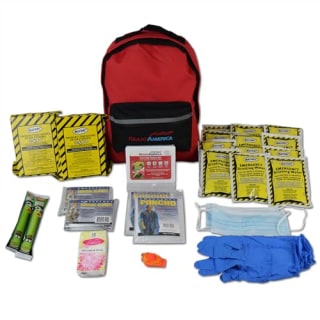
Credit: www.nbcnews.com
Frequently Asked Questions
What Are Essential Items For An Earthquake Survival Kit?
Essential items include water, non-perishable food, flashlight, batteries, first aid kit, and a whistle. These basics help you stay safe and communicate during an emergency.
How Much Water Should I Store In My Kit?
Store at least one gallon of water per person per day. Plan for a minimum of three days to stay hydrated during an earthquake.
Where Should I Keep My Earthquake Survival Kit?
Keep your kit in an accessible, safe location at home and work. Ensure everyone in your family knows where it is stored for quick access.
How Often Should I Update My Survival Kit Supplies?
Check and update your kit every six months. Replace expired food, batteries, and medications to ensure everything is ready when needed.
Conclusion
Building an earthquake survival kit is essential. It keeps you prepared. Gather necessary items like water, food, and a flashlight. Don’t forget batteries, a first aid kit, and sturdy shoes. Store everything in a waterproof container. Place the kit in an easily accessible spot.
Regularly check and update your supplies. Stay informed about local emergency plans. Practice with your family to ensure readiness. Being prepared can save lives. Make your safety a priority today. Start building your kit now. It’s a small step with a big impact.
Your future self will thank you.