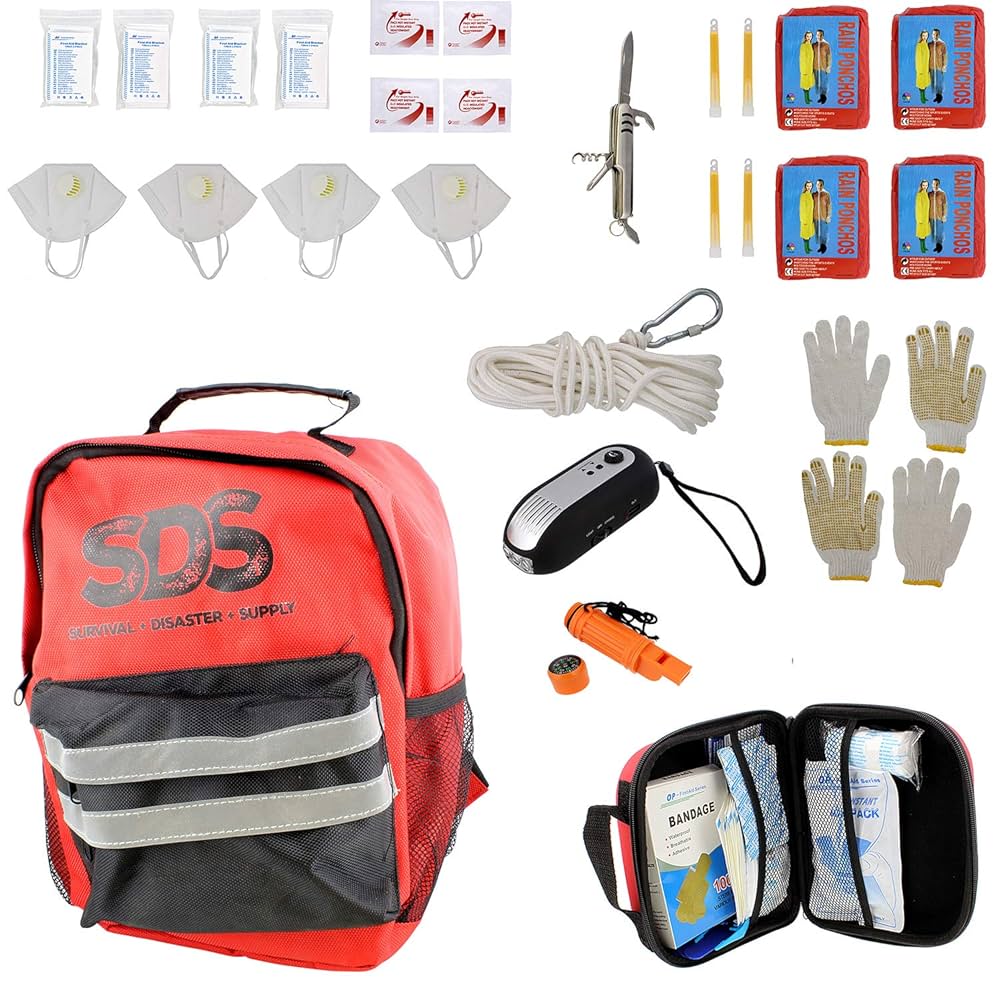
Imagine a situation where you and your loved ones need to act quickly to stay safe. Do you have everything ready to face unexpected emergencies?
Building a family survival kit is one of the smartest steps you can take to protect those you care about most. In this guide, you’ll learn simple, practical ways to gather essential items that could make all the difference when it matters most.
Keep reading, and you’ll feel confident knowing your family is prepared for whatever comes your way.
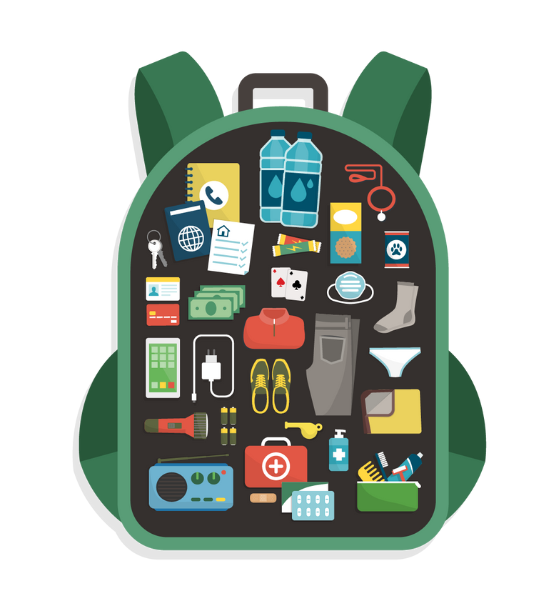
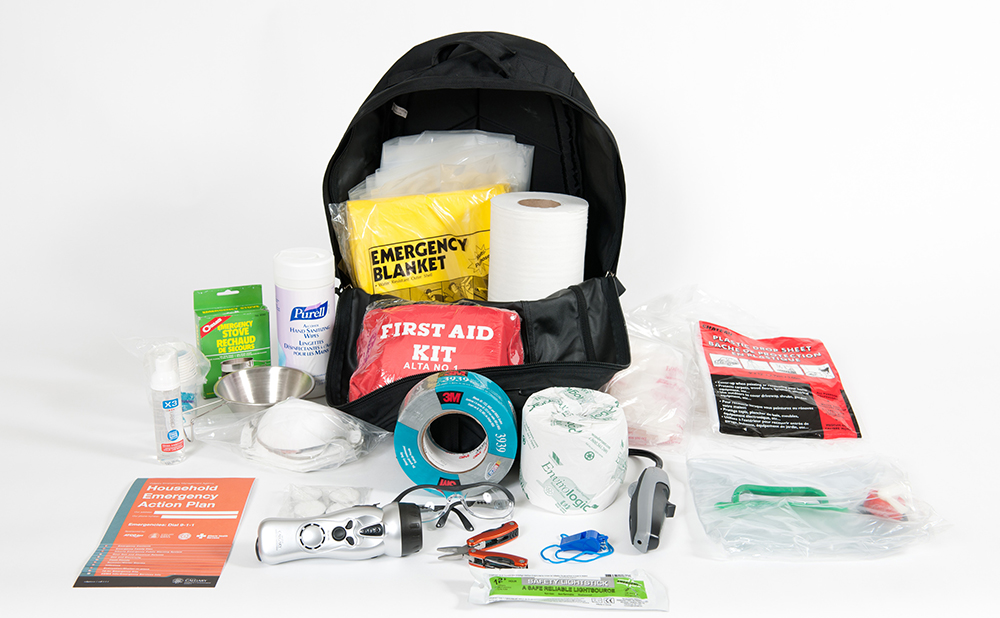
Credit: www.victoria.ca
Choosing The Right Container
Choosing the right container is a key step in building a family survival kit. The container holds all your essential items. It must protect them and make access easy. The right container keeps your supplies safe from damage and weather. It also helps you carry your kit without trouble. Think about where you will store the kit and how often you may need it. Your container should fit your family’s needs and lifestyle.
Durability And Portability
The container must be strong enough to last long. It should resist water, dust, and impact. Look for materials like hard plastic or metal. These protect your items from rough conditions. The container also needs to be light enough to carry. Handles or wheels can help with moving heavy kits. Think about how far you might need to carry it. A durable and portable container makes your kit ready for any situation.
Size And Accessibility
Choose a size that fits all your survival items comfortably. Too small, and you may leave out important supplies. Too big, and it becomes hard to carry or store. Organize your kit inside with compartments or bags. This helps find items fast in emergencies. Make sure the container opens easily and fully. Quick access can save time and stress. Balance size with convenience for the best results.

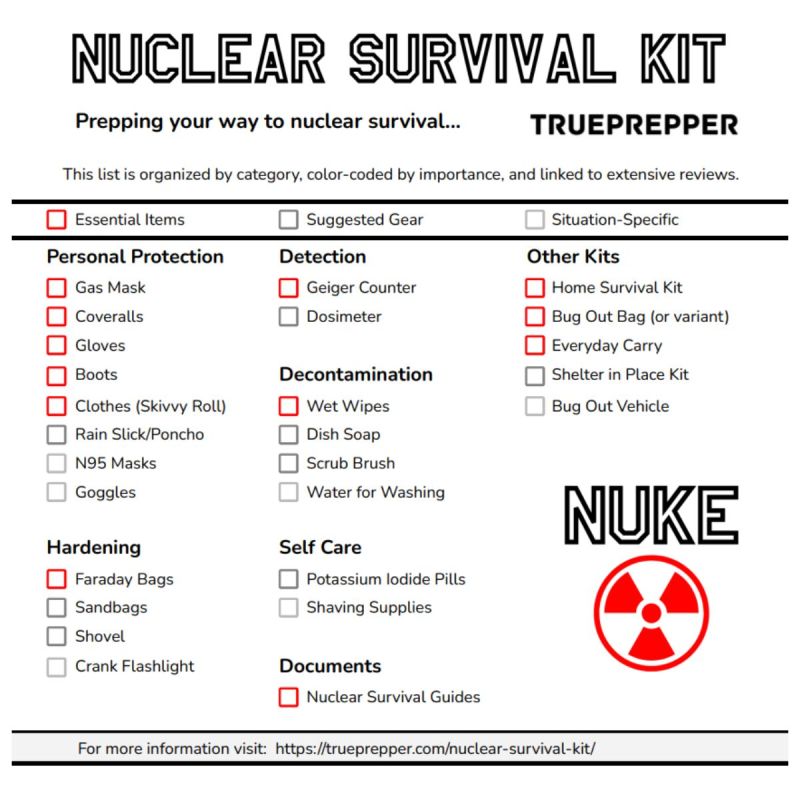
Credit: trueprepper.com
Water And Hydration Supplies
Water is the most essential element in any family survival kit. Without clean and accessible water, your chances of staying healthy during an emergency drop significantly. Preparing your water and hydration supplies carefully ensures your family remains hydrated and safe no matter the situation.
Water Storage Options
You need reliable containers to store enough water for your family. Consider using a mix of options to balance portability and capacity.
- Large water barrels:These can hold 30 to 55 gallons and are perfect for home storage. They save space and keep water for months if sealed properly.
- Smaller water jugs:Five-gallon jugs or bottles are easier to carry and useful for short trips or distributing water among family members.
- Collapsible water bags:These are lightweight and take up minimal space when empty. They are great for backpacking or emergency kits.
Think about your family’s daily water needs—how much do you drink, cook, and clean with? Have you factored in extra water for sanitation? Storing more than you think you need is always safer.
Purification Methods
Storing water is just the first step; ensuring it’s safe to drink is crucial. You can’t always rely on stored water alone, especially if you need to use natural sources.
- Boiling:Boiling water for at least one minute kills most bacteria and viruses. It’s simple but requires fuel and time.
- Water purification tablets:These are compact and easy to carry. They use chemicals like iodine or chlorine dioxide to disinfect water quickly.
- Portable water filters:Filters remove bacteria and protozoa. Some advanced models also tackle viruses, making them highly effective.
- UV light purifiers:These devices use ultraviolet light to neutralize harmful microorganisms. They work fast but need batteries or solar power.
Have you tested your purification methods before an emergency? Knowing how to quickly and safely treat water can make all the difference when clean water isn’t readily available.
Food And Nutrition Essentials
Food and nutrition are vital for any family survival kit. Proper food choices keep energy and health strong during emergencies. Planning meals wisely helps use limited resources well. Focus on foods that last long and provide needed nutrients. Balanced nutrition supports body and mind in tough times.
Non-perishable Food Choices
Choose foods that stay fresh without refrigeration. Pick items with long shelf life to avoid spoilage. Include a variety of proteins, carbohydrates, and fats. Consider these options:
- Canned beans and vegetables
- Dry pasta and rice
- Peanut butter and nut butters
- Dehydrated fruits and vegetables
- Canned meats like tuna or chicken
- Powdered milk and shelf-stable milk alternatives
- Instant soups and oatmeal packets
Store food in airtight containers to keep pests away. Rotate stock regularly to keep supplies fresh.
Meal Planning And Preparation
Create simple menus using stored food. Plan meals that require minimal cooking or tools. Focus on dishes that combine proteins and carbs. Prepare food that keeps well once cooked. Consider these tips for meal prep:
- Use a portable stove or grill for cooking
- Keep ready-to-eat snacks like nuts and granola bars
- Mix canned beans with rice for a complete meal
- Hydrate dehydrated foods with clean water
- Plan for at least three meals per day per person
Practice cooking meals with your survival kit to learn timing and portions. This helps reduce waste and ensures everyone gets enough food.
First Aid And Medical Supplies
First aid and medical supplies are crucial for any family survival kit. They help treat injuries and manage health issues during emergencies. Having the right items ready can reduce pain and prevent infections. It also supports quick response before professional help arrives.
Basic First Aid Items
- Adhesive bandages in various sizes
- Sterile gauze pads and adhesive tape
- Antiseptic wipes and antibiotic ointment
- Scissors and tweezers
- Disposable gloves to avoid infection
- Instant cold packs for swelling
- Elastic bandages for sprains
- Thermometer to check fever
- CPR face shield for rescue breathing
- Emergency blanket for shock or cold
Medications And Special Needs
Include common over-the-counter medicines like pain relievers and antihistamines. Stock anti-diarrhea and antacid tablets to ease stomach issues. Make space for any prescription drugs family members require daily. Keep an updated list of allergies and medical conditions. Consider extra supplies like inhalers or insulin for special needs. Store medications in a cool, dry place and check expiration dates often.
Tools And Equipment
Having the right tools and equipment in your family survival kit can make all the difference during an emergency. These items aren’t just about convenience—they can help you solve problems quickly and keep your family safe. Choosing tools that are versatile and reliable is key, so you’re prepared for various situations.
Multi-tools And Knives
A good multi-tool is like having a small toolbox in your pocket. It combines pliers, screwdrivers, scissors, and more into one compact device. This saves space and weight, which is crucial when you need to carry your kit.
Knives are equally important. A sturdy fixed-blade knife can help with cutting rope, preparing food, or even making shelter. Look for knives with a comfortable grip and a sharp, durable blade.
Ask yourself: Can this tool help me with multiple tasks? If the answer is yes, it’s a smart addition to your kit. Avoid single-purpose tools that add bulk but little value.
Lighting And Communication Devices
Light sources are essential when you’re in the dark or trying to signal for help. Flashlights, headlamps, and even glow sticks provide hands-free illumination. Choose LED flashlights for longer battery life and better brightness.
Communication devices keep you connected when phone signals are weak or down. Walkie-talkies work well for short distances, especially within your family group. Consider a hand-crank or solar-powered radio to stay informed about weather updates or emergency broadcasts.
Think about how you’ll use these devices in real situations. Will you need to signal someone far away, or just light your path? Your answers will guide the best choices for your survival kit.
Clothing And Shelter Items
Clothing and shelter are key parts of any family survival kit. They protect against weather and keep everyone safe. Preparing these items carefully helps face many emergency situations. Choose items that fit your family’s needs and local climate.
Weather-appropriate Clothing
Clothing must match the weather conditions of your area. Pack layers for cold climates. Include thermal underwear, warm socks, and insulated jackets. For hot areas, select lightweight, breathable fabrics.
Waterproof clothing is vital to stay dry. Rain jackets and pants protect against wet conditions. Sturdy boots are necessary for rough terrain. Don’t forget hats and gloves for sun and cold protection.
- Base layers for warmth or cooling
- Waterproof outerwear
- Extra socks and underwear
- Durable shoes or boots
- Hats and gloves
Emergency Shelter Materials
Emergency shelters provide safety and warmth. Compact and lightweight options work best for survival kits. Include tarps, tents, or emergency blankets to create quick shelters.
Choose materials that resist wind and rain. Look for easy setup and durability. A good shelter blocks cold air and keeps family dry. Rope or paracord helps secure shelters fast.
- Waterproof tarps or tents
- Emergency space blankets
- Paracord or rope for tying
- Ground mats or sleeping pads
- Compact sleeping bags
Personal Documents And Money
Your personal documents and money are the backbone of your family survival kit. Without them, accessing help, proving identity, and managing expenses in an emergency can become a huge challenge. Gathering and organizing these essentials beforehand saves you time and stress when every second counts.
Important Papers To Include
Start by collecting key documents that prove who you are and what you own. Keep these in a waterproof, portable folder or digital backup.
- Identification:Passports, driver’s licenses, and birth certificates for every family member.
- Medical Records:Vaccination history, prescriptions, and health insurance cards.
- Insurance Policies:Home, health, life, and auto insurance details.
- Legal Documents:Wills, power of attorney, and marriage certificates.
- Financial Records:Bank account numbers, loan documents, and recent tax returns.
- Emergency Contacts:A list of relatives, doctors, and local emergency services.
Have you ever tried to find a birth certificate or insurance policy in a rush? Keeping these papers together avoids that panic and helps you get assistance faster.
Cash And Payment Alternatives
Cash is king when electronic payment systems fail. You want enough to cover immediate needs like food, fuel, and temporary shelter.
- Cash:Keep small bills and coins in your kit; larger denominations can be harder to use in emergencies.
- Prepaid Cards:Load a prepaid debit card as a backup if ATMs or banks are unavailable.
- Mobile Payment Apps:Ensure your phone is set up with apps like Apple Pay or Google Wallet, but don’t rely solely on them.
Think about the last time you needed cash quickly. Do you have enough on hand now? What about places that don’t accept cards? Preparing multiple payment options keeps you ready for any situation.
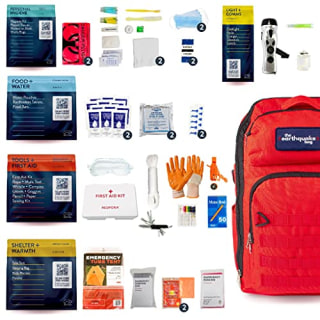
Credit: www.nbcnews.com
Maintenance And Updates
Keeping a family survival kit ready takes ongoing care. Maintenance and updates keep the kit useful and reliable during emergencies. Regular attention prevents expired items and missing supplies. This section explains how to maintain and update your kit effectively.
Regular Kit Inspections
Inspect your survival kit every three to six months. Look for damaged packaging or leaks in food and water containers. Check the condition of tools like flashlights, batteries, and first aid supplies. Make sure everything is clean and ready to use. Keep a checklist to mark items you inspect. This practice helps avoid surprises during a crisis.
Rotating Supplies And Expiry Dates
Track expiry dates on food, medicine, and batteries. Replace expired or soon-to-expire items promptly. Use older supplies first and restock with fresh ones. Rotate items to keep everything fresh and effective. Label items with purchase or expiry dates if needed. Proper rotation ensures your kit always holds safe, usable supplies.
Frequently Asked Questions
What Items Are Essential For A Family Survival Kit?
A family survival kit should include food, water, first-aid supplies, and tools. Add a flashlight, batteries, and a whistle. Include personal documents, cash, and sanitation items. Customize it with medications and baby supplies if needed. Update it regularly to ensure everything is current and functional.
How Do I Choose The Right Survival Kit?
Consider your family’s specific needs and the climate you live in. Ensure it covers basic necessities like food, water, and shelter. Check for quality and durability of items. Look for portable kits for easy transportation. Customize it based on family size and any special requirements.
How Often Should I Update My Survival Kit?
Update your survival kit every six months to ensure all items are current. Check expiration dates on food, water, and medications. Replace batteries and check the functionality of tools. Adjust the kit for seasonal changes and any new family members or needs.
Regular updates ensure preparedness.
Why Is A Family Survival Kit Important?
A family survival kit ensures preparedness during emergencies like natural disasters. It provides essential supplies for safety and survival. Having a kit reduces stress and increases your family’s chance of staying safe. Being prepared helps manage unexpected situations effectively, offering peace of mind.
Conclusion
Building a family survival kit takes time and care. Start with basics like water, food, and first aid. Add important documents and tools for emergencies. Keep the kit updated and easy to carry. Share the plan with everyone in your family.
Being ready can reduce stress during a crisis. Small steps today help protect your loved ones tomorrow. Stay safe and prepared for any situation.