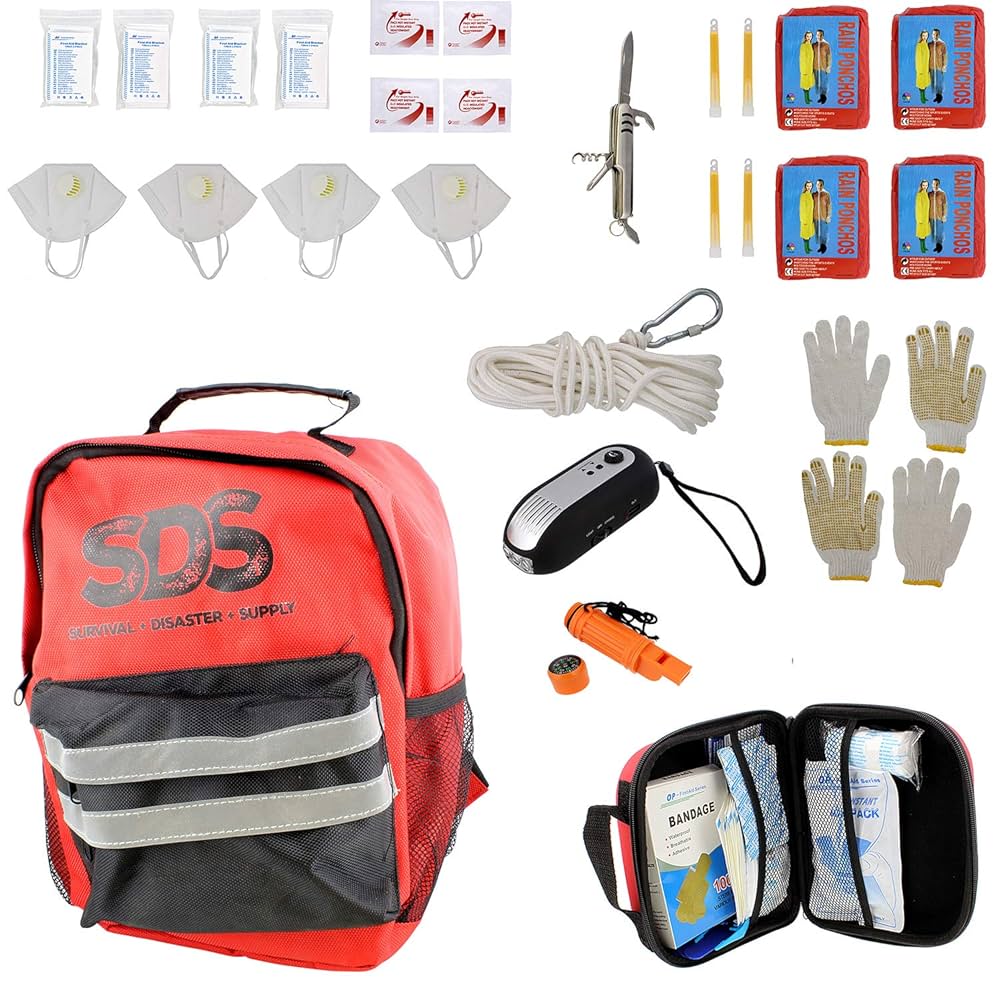
Imagine being stuck on the side of the road with no help in sight. How prepared would you feel?
Your car survival kit could be the difference between stress and safety. Building one doesn’t have to be complicated or expensive. You’ll discover simple steps to create a kit that protects you and your loved ones during unexpected emergencies. Ready to take control of your safety?
Keep reading to learn exactly what to include and why each item matters.
Essential Tools
Essential tools make your car survival kit practical and reliable. These tools help solve common car problems quickly. Each item has a clear purpose to keep you safe and moving. Choose compact, durable tools that fit easily in your car. This list covers the must-have items for emergencies and everyday issues.
Multi-tool And Knife
A multi-tool combines several functions in one device. It usually includes pliers, screwdrivers, and scissors. A sharp knife helps cut seat belts or ropes in emergencies. Both tools fit in a pocket or small pouch. They save space and provide many uses.
Jumper Cables
Jumper cables restart a dead car battery fast. Choose cables at least 10 feet long for easy reach. Look for thick, insulated wires for safety and durability. Keep cables in a bag to prevent tangling. They are lifesavers on cold or remote roads.
Tire Repair Kit
A tire repair kit fixes small punctures without changing tires. It usually includes plugs, a reamer, and an insertion tool. Some kits come with sealant to stop leaks quickly. This kit saves time and avoids being stranded. Learn how to use it before an emergency.
Portable Air Compressor
A portable air compressor inflates tires anytime and anywhere. It plugs into your car’s 12V outlet or uses a rechargeable battery. Choose a model with an easy-to-read pressure gauge. This tool helps maintain correct tire pressure for safety and fuel economy.

Credit: www.youtube.com
First Aid Supplies
Having first aid supplies in your car survival kit can make a huge difference during emergencies. These items help you handle injuries quickly and reduce the risk of infection or complications. Imagine being stuck on a lonely road and being able to treat a wound immediately—this can be a lifesaver.
Basic Medical Items
Start with essentials like adhesive bandages in various sizes, sterile gauze pads, and adhesive tape. Include antiseptic wipes or solution to clean wounds and prevent infection. A pair of scissors and tweezers are also useful for cutting tape or removing debris from cuts.
- Assorted adhesive bandages
- Sterile gauze pads
- Adhesive tape
- Antiseptic wipes or solution
- Scissors and tweezers
- Disposable gloves
Medications And Pain Relievers
Keep common over-the-counter pain relievers like ibuprofen or acetaminophen in your kit. These can help ease pain and reduce inflammation after an injury. Don’t forget allergy medications such as antihistamines if you have allergies or might encounter insect bites.
Consider including any personal prescription medications that you or your regular passengers might need. How would you handle a sudden allergic reaction or headache when you’re miles away from the nearest pharmacy?
Emergency Blanket
An emergency blanket is a compact, lightweight item that retains body heat. It’s often overlooked but can prevent hypothermia if you are stranded in cold weather. You can also use it as a makeshift shelter or to signal for help.
Think about the last time you felt cold and uncomfortable after a breakdown. Carrying an emergency blanket can turn that uncomfortable situation into a manageable one.
Food And Water
Food and water are vital for survival during car emergencies. Having the right supplies ensures you stay nourished and hydrated. Choose items that last long and are easy to store in your car.
Non-perishable Snacks
Non-perishable snacks provide energy without spoiling. Pick items that are compact and nutrient-dense. Examples include:
- Granola bars
- Trail mix
- Beef jerky
- Peanut butter packets
- Dried fruits
- Crackers
These snacks stay fresh for months. They require no refrigeration and are easy to eat on the go.
Water Storage Options
Water is the most important part of your survival kit. Keep enough water stored safely in your car. Use containers designed for drinking water. Good options include:
- Sealed plastic water bottles
- Collapsible water pouches
- Reusable water jugs with secure lids
Store water in a cool, shaded place inside your vehicle. Replace water every six months to keep it fresh.
Water Purification Methods
Sometimes stored water runs out or becomes unsafe. Water purification tools help make water safe to drink. Consider carrying:
- Water purification tablets
- Portable water filters
- Small camping water purifiers
- Boiling equipment (like a small stove)
These methods kill germs and remove impurities. They give you peace of mind in emergencies.
Safety And Signaling
Safety and signaling tools are essential parts of your car survival kit. They help you stay visible and alert others when you need help. Without these items, even a minor breakdown can turn into a risky situation.
Flashlights And Batteries
A reliable flashlight is a must-have in your car kit. It helps you see clearly during nighttime emergencies or in dark places. Always keep extra batteries or a rechargeable flashlight so you won’t be left in the dark.
Think about the last time you struggled to find something in your car at night. Having a bright, dependable light can save you time and stress. Choose a compact model that fits easily in your glove box or door pocket.
Reflective Triangles And Flares
Reflective triangles and flares alert other drivers to your presence when your car is stopped on the roadside. Place them a safe distance behind your vehicle to warn oncoming traffic. This can prevent accidents and keep you safe while waiting for help.
Do you know how far to place these signals? Typically, 10 feet, 100 feet, and 200 feet behind your car on highways give drivers enough time to react. Investing in durable, weather-resistant triangles or flares makes a big difference in harsh conditions.
Whistle And Signal Mirror
A whistle can grab attention over long distances without draining your energy. It’s especially useful if you are stuck far from traffic or in rough terrain. Keep it within easy reach so you can use it quickly if needed.
A signal mirror reflects sunlight to catch the eye of rescuers or passing vehicles. It’s lightweight and requires no power, making it a perfect low-tech signaling tool. Have you ever tried signaling without one? It’s harder than you think.
Clothing And Shelter
Clothing and shelter are essential parts of a car survival kit. They protect you from cold, rain, and harsh weather. Proper clothing keeps your body temperature steady and prevents illness. Shelter offers a safe space to rest or stay dry during emergencies.
Warm Clothing And Gloves
Pack layers of warm clothing for insulation. Include thermal underwear, a fleece jacket, and a wool hat. Gloves are crucial to keep your hands warm and functional. Choose waterproof and insulated gloves for the best protection. Extra socks and a scarf can add comfort and warmth.
Rain Gear
Rain gear keeps you dry and prevents chills. Carry a lightweight, waterproof jacket and pants. A poncho is a compact option that covers both you and your backpack. Waterproof boots or shoe covers protect your feet from wet conditions. Always pack a small towel to dry off quickly.
Compact Shelter Options
Shelter blocks wind and rain, helping you stay safe. A compact tent is easy to store in your car. Emergency blankets or bivvy sacks save space and provide warmth. Tarps and ropes create quick shelters from branches or car parts. Choose shelter items that are light and simple to set up.

Credit: lovelyindeed.com
Navigation And Communication
Keeping your car survival kit ready means staying connected and oriented no matter the situation. Navigation and communication tools help you find your way and call for help if needed. These essentials can turn a stressful moment into manageable, even safe, circumstances.
Maps And Compass
Relying solely on your phone’s GPS can be risky—batteries die and signals drop. Having a physical map and a compass ensures you can still navigate when technology fails. Choose a detailed road map of your area and learn basic compass skills to read directions confidently.
Try folding your map neatly so it’s easy to open and read in tight spaces. You may be surprised how quickly a simple compass can help you regain your sense of direction in unfamiliar territory. Have you ever been lost because your phone died? This is exactly why these tools matter.
Portable Phone Charger
Keeping your phone charged is crucial for communication and navigation. A portable phone charger, also called a power bank, can keep your devices alive during long trips or emergencies. Pick one with enough capacity to charge your phone multiple times.
Look for chargers that are compact and durable. Some models even come with solar charging, which can be a lifesaver if you are stuck outdoors for days. What’s your backup plan if your phone suddenly dies on a deserted road?
Two-way Radios
Two-way radios offer a reliable way to communicate without relying on cell towers. They work well in remote areas where your phone might have no signal. Including them in your survival kit lets you stay connected with family or friends nearby.
Choose radios with a decent range and clear audio quality. Practice using them before you need them, so you’re comfortable sending and receiving messages under pressure. Could having a simple radio be the difference between getting help quickly or waiting alone?
Vehicle Maintenance Items
Keeping a few essential vehicle maintenance items in your car survival kit can save you from unexpected breakdowns and costly repairs. These items help you handle minor issues quickly, so you’re not stranded in inconvenient or unsafe situations. Think of these tools as your car’s first aid kit—simple but crucial for keeping your journey smooth.
Engine Oil And Coolant
Low engine oil or coolant levels can cause your car to overheat or damage the engine. Carry a small container of the right engine oil and coolant for your vehicle’s make and model. Checking and topping these fluids during a long trip can prevent a roadside emergency.
Have you ever been stuck waiting for a tow because your engine overheated? A quick top-up might have saved hours of delay and frustration. Keep these fluids in sealed, easy-to-access bottles and check your car’s manual to know which types to bring.
Duct Tape And Zip Ties
Duct tape and zip ties are surprisingly effective for quick fixes on the road. You can use duct tape to temporarily hold a loose bumper, secure a cracked hose, or even patch a broken side mirror. Zip ties work great to fasten dangling parts or bundle cables together.
These items don’t take much space but offer endless solutions. Have you tried using zip ties to fix a broken car grille? It’s a simple trick that kept me going until I could visit a mechanic. Including these in your kit means you’re ready for unexpected repairs.
Gloves And Rags
Handling engine oil, coolant, or dirty parts requires protection and cleanliness. A pair of durable gloves keeps your hands clean and safe from sharp edges or hot surfaces. Rags are essential for wiping spills, cleaning your hands, or drying parts before repairs.
Do you remember the last time you tried to fix something in your car with greasy hands? Gloves and rags save you from that mess and make the whole process easier. Keep a few disposable gloves and microfiber cloths in your kit—they’re lightweight and reusable.

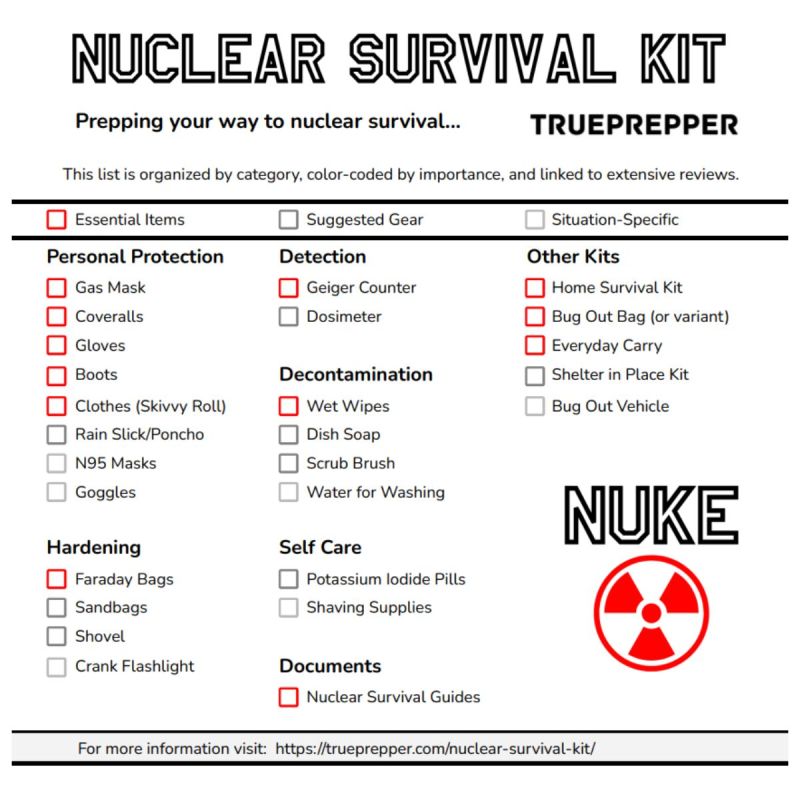
Credit: trueprepper.com
Frequently Asked Questions
What Essential Items Should I Include In A Car Survival Kit?
Include water, non-perishable food, first aid, flashlight, batteries, and blankets. Add tools like a multi-tool, jumper cables, and a tire repair kit. These items help you stay safe and prepared during emergencies on the road.
How Often Should I Update My Car Survival Kit?
Check and update your kit every six months. Replace expired food, batteries, and medications. Regular updates ensure your kit remains effective and ready for any emergency situation while traveling.
Where Is The Best Place To Store A Survival Kit In My Car?
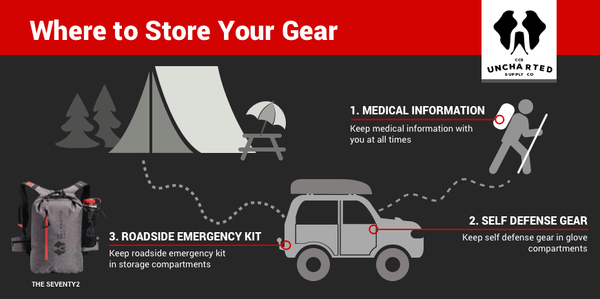
Store your survival kit in an easily accessible location like the trunk or under the seat. Ensure it’s secure but reachable quickly during emergencies. Proper placement saves time and reduces stress in urgent situations.
How Can I Customize A Survival Kit For Different Climates?
Add climate-specific items like sunscreen and hats for hot areas. Include extra blankets and hand warmers for cold regions. Tailoring your kit ensures comfort and safety regardless of weather conditions during your travels.
Conclusion
Creating a car survival kit ensures safety on the road. Always keep essentials like water, food, and a flashlight. Check your kit regularly for expired items. A well-prepared kit can ease unexpected troubles. Remember, your safety is worth the effort.
Keep your kit in an accessible spot. This way, you’re ready for emergencies anytime. Stay prepared, and drive with peace of mind. Your journey becomes safer with each precaution you take. Building a survival kit is simple yet crucial. Take action today.
You’ll thank yourself later. Safe travels!