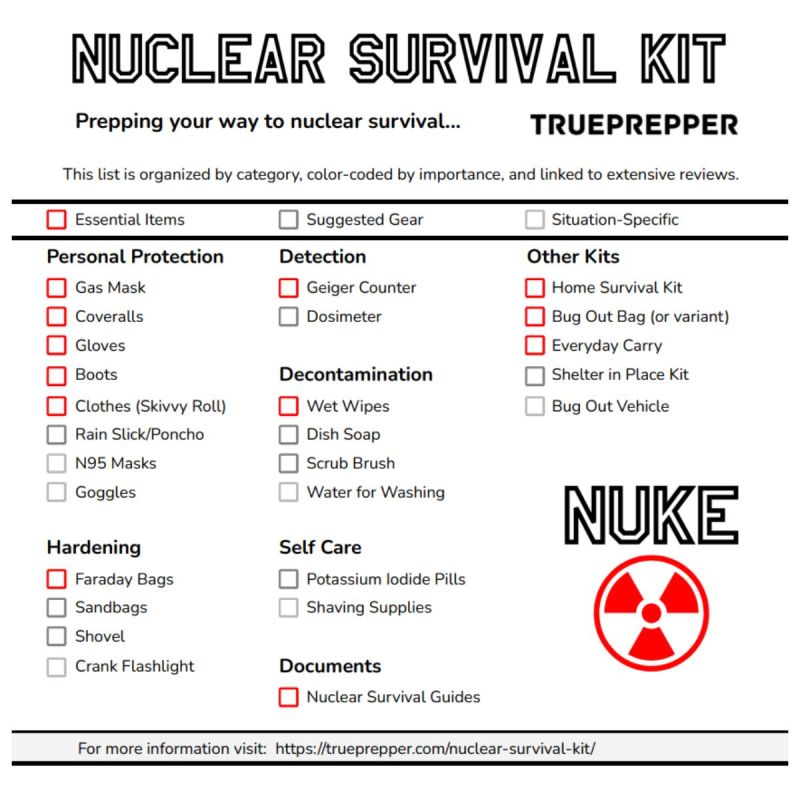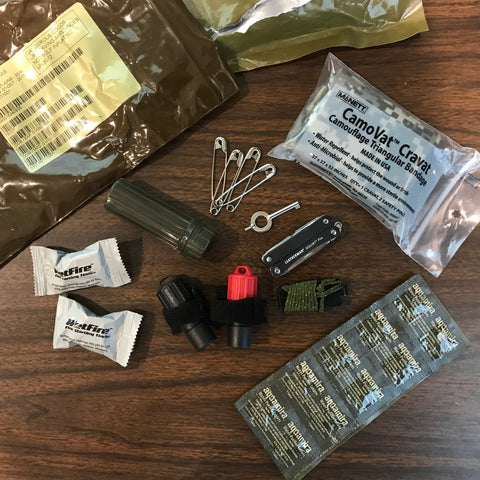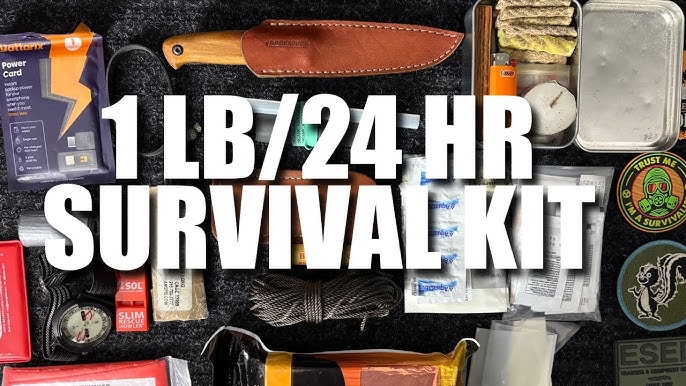
Imagine facing an unexpected emergency without the right tools. How would you protect yourself and your loved ones?
Building a survival kit is one of the smartest steps you can take to stay prepared. You’ll discover simple, practical tips to create a kit that fits your needs. By the end, you’ll feel confident knowing you have what it takes to handle tough situations.
Ready to take control of your safety? Let’s get started.

Credit: www.selfrelianceoutfitters.com
Choosing The Right Container
Choosing the right container is a key step in building a survival kit. The container must protect your supplies from damage and keep them organized. It should be easy to carry and sturdy enough to handle rough conditions.
Not all containers work well for survival kits. Some may leak, break, or be too bulky. Think about where you will keep the kit and how you will use it. The container should fit your needs perfectly.
Durability And Material
The container needs to be tough and long-lasting. Look for materials like hard plastic, metal, or heavy-duty fabric. These materials resist water, dust, and impact. Avoid thin or flimsy containers that can break easily.
Size And Portability
Choose a size that holds all your items without being too big. A compact container is easier to carry. Consider your mode of transport—whether you walk, drive, or bike. Portability ensures you can take your kit anywhere.
Waterproof And Weatherproof Features
Water can ruin your supplies quickly. Pick a container with a tight seal to keep moisture out. Waterproof containers protect food, matches, and electronics. Weatherproof designs guard against rain, snow, and dust.
Organization And Accessibility
Dividers, compartments, or pouches help keep items neat. A well-organized kit saves time during emergencies. Easy access to essential items is critical. Choose containers with clear lids or labels for quick identification.
Weight And Comfort
The container’s weight matters. Heavy containers add to your load. Lightweight options reduce fatigue during travel. Handles, straps, or backpacks enhance comfort. Balance weight and capacity for best results.
Water And Hydration Solutions
Water is the most important item in any survival kit. Staying hydrated keeps your body working well. Without clean water, your health can quickly decline. Preparing smart water and hydration solutions means carrying safe drinking options. It also means storing water efficiently for emergencies.
Portable Water Filters
Portable water filters remove harmful germs and particles from water. They make water safe to drink from rivers, lakes, or taps. Many filters are small and lightweight, perfect for carrying on hikes or trips.
- Look for filters that remove bacteria, protozoa, and sediment.
- Some use activated carbon to improve taste and reduce chemicals.
- Pump filters require manual effort but clean large amounts quickly.
- Straw-style filters allow you to drink directly from water sources.
- UV light filters kill viruses by using ultraviolet light.
Choose a filter that fits your needs and is easy to use. Test it before your trip to ensure it works well.
Water Storage Options
Storing water safely is essential for survival. Containers should be clean, durable, and easy to carry. Different options suit different situations.
- Plastic bottles:Lightweight and widely available. Use BPA-free bottles.
- Collapsible water bags:Save space when empty. Good for backpacking.
- Metal canteens:Durable and reusable. Can be heated to boil water.
- Water bladders:Fit inside backpacks. Allow hands-free drinking.
Keep stored water in a cool, dark place to prevent bacteria growth. Rotate supplies every six months for freshness.
Food And Nutrition Essentials
Food and nutrition are the backbone of any survival kit. Without proper sustenance, your energy and focus will quickly drain, making any emergency situation harder to handle. Choosing the right food items means balancing shelf life, nutritional value, and ease of preparation.
Non-perishable Food Items
Non-perishable foods are your survival kit’s staple because they last long without refrigeration. Think about canned beans, rice, and pasta; these provide steady energy and are easy to store.
- Canned goods:vegetables, meats, and soups offer variety and long shelf life.
- Dry staples:lentils, oats, and powdered milk supply essential proteins and carbs.
- Ready-to-eat items:granola bars, nuts, and dried fruits are convenient snacks that boost energy.
Remember, choose items you actually enjoy eating. If you don’t like your survival food, you might avoid eating it when you need it most. Have you tested your food supplies for taste and preparation speed?
Nutritional Supplements
Supplements can fill in the gaps when your food supply lacks certain vitamins or minerals. Vitamins like C and D, along with minerals such as zinc, support your immune system in stressful situations.
- Multivitamins:provide a broad range of essential nutrients.
- Electrolyte powders:help maintain hydration and muscle function.
- Protein powders:offer a quick source of energy and aid muscle repair.
I once packed a small container of electrolyte tablets during a camping trip, and it made a huge difference in how I felt after long hikes. Could adding a few supplements to your kit improve your endurance and recovery?
Clothing And Shelter
Clothing and shelter form the backbone of your survival kit. They protect you from harsh elements and keep you comfortable when nature tests your limits. Choosing the right items in these categories can make the difference between enduring an emergency and struggling through it.
Weather-appropriate Clothing
Your clothing needs to match the environment you’ll face. Layering works best—start with a moisture-wicking base layer to keep sweat away from your skin. Next, add an insulating layer for warmth, and finish with a waterproof, windproof outer layer.
Think about the weather you expect. In cold climates, thermal underwear, wool socks, and a warm hat are essentials. In hot environments, lightweight, breathable fabrics and sun protection like a wide-brimmed hat can prevent heat exhaustion.
Don’t forget sturdy, comfortable footwear. Shoes that can handle wet or rough terrain prevent injuries that could end your survival efforts. Have you ever tried hiking in cotton socks soaked with sweat? You’ll want to avoid that at all costs.
Compact Shelter Options
Your shelter should be lightweight and easy to carry but strong enough to protect against wind and rain. A compact tent or a tarp can serve as versatile options. Tarps are especially useful because you can set them up in various ways depending on your surroundings.
Consider adding a bivvy sack or emergency space blanket for extra warmth and protection. These take up little space but trap body heat surprisingly well. Can you imagine how much warmth a thin foil blanket can provide during a cold night?
Remember, setting up shelter quickly saves energy and reduces exposure to the elements. Practice pitching your shelter before you need it so you’re ready when time is critical.
First Aid And Medical Supplies
Your first aid and medical supplies can make a critical difference in an emergency. Having the right items ready ensures you can handle injuries or health issues immediately. It’s not just about bandages and antiseptics; it’s about being prepared for whatever comes your way.
Basic First Aid Kit Components
A well-stocked first aid kit covers common injuries and minor medical problems. You should include:
- Adhesive bandagesin various sizes for cuts and scrapes
- Antiseptic wipesto clean wounds and prevent infection
- Sterile gauze padsand medical tape for larger wounds
- Elastic bandagesto support sprains and strains
- Antibiotic ointmentto help wounds heal faster
- Scissors and tweezersfor cutting tape or removing splinters
- Pain relieverslike ibuprofen or acetaminophen
- Disposable glovesto keep things clean and protect you
Think about the injuries you might face. Are you preparing for outdoor adventures, or just everyday accidents? Tailor your kit to your lifestyle and environment.
Prescription Medications
Your survival kit should include any prescription medications you need regularly. Running out of these during an emergency can be dangerous.
- Keep a supply of your essential medications, such as inhalers, insulin, or heart medication.
- Store medications in a waterproof, clearly labeled container.
- Include copies of prescriptions and a list of your medical conditions.
- Regularly check expiration dates and replace expired items.
Have you considered how you would access your medications if you were displaced or without power? Planning ahead can save your life.
Tools And Equipment
Choosing the right tools and equipment is a crucial part of building a survival kit. These items are your lifeline in tough situations, so you need gear that performs reliably and suits your specific needs. Think about the tasks you might face and pick tools that make those tasks easier and safer.
Multi-tools And Knives
Multi-tools are compact powerhouses. They combine several functions into one device, such as pliers, screwdrivers, and scissors. This saves space and weight in your kit, letting you carry more essentials.
A good knife is indispensable. Look for a fixed blade with a sturdy handle and a sharp, durable edge. It can help with cutting rope, preparing food, or even building shelter. Avoid cheap knives that dull quickly or break under pressure.
Remember, having a sharp tool is only half the battle. Practice using your knife and multi-tool safely before you need them. Can you handle them confidently in low light or stressful conditions?
Fire-starting Gear
Fire is more than warmth—it’s a way to purify water, signal for help, and cook food. Carry at least two types of fire starters to avoid failure. Waterproof matches, a lighter, and a ferrocerium rod are popular options.
Don’t rely on just one method. For example, a lighter might run out of fuel, but a ferro rod can spark even when wet. Store your fire-starting gear in a waterproof container to keep it ready for action.
Have you tested your fire starters in different weather conditions? Practicing sparks in rain or wind can highlight what you need to improve before an emergency.
Navigation And Communication
Navigation and communication tools are vital in any survival kit. They help you find your way and call for help when needed. Without these tools, getting lost or isolated becomes a real danger. Keep your navigation and communication devices simple and reliable. Prioritize items that work without batteries or have long battery life. Practice using these tools before any emergency arises.
Maps And Compasses
Paper maps are essential. They do not rely on batteries or signals. Choose a detailed topographic map of your area. It shows terrain features and landmarks clearly. A good compass works alongside a map. Learn to use a compass to find directions accurately. Mark your starting point and planned route on the map. Keep both in a waterproof case to prevent damage.
- Carry a local topographic map
- Use a reliable, easy-to-read compass
- Store maps and compass in a waterproof pouch
- Practice orienting the map with the compass
Emergency Communication Devices
Emergency communication devices save lives. They send distress signals or connect you to help. Choose devices that fit your environment and needs. A whistle is simple and loud. Use it to signal nearby people. A personal locator beacon (PLB) sends your location to rescue teams. Satellite phones work in remote areas without cell coverage. Portable radios help you listen to weather alerts and broadcasts. Always keep spare batteries or a solar charger handy.
- Include a loud emergency whistle
- Consider a personal locator beacon (PLB)
- Use a satellite phone for remote areas
- Carry a portable weather radio
- Bring extra batteries or a solar charger

Credit: www.youtube.com
Personal Safety And Defense
Personal safety and defense are essential parts of any survival kit. When you’re in an emergency, protecting yourself can be just as important as finding food or water. Having the right tools and knowing how to use them can give you confidence and increase your chances of staying safe.
Self-defense Items
Choosing self-defense items for your survival kit means thinking about what you can carry easily and use effectively. Pepper spray is a popular choice because it’s lightweight and can temporarily disable an attacker without causing permanent harm. A sturdy tactical flashlight can also serve dual purposes: lighting your way and acting as a striking tool if needed.
Some people add a small folding knife or a personal alarm. These items don’t require special training, but knowing how to use them quickly is key. Have you practiced using your self-defense tools in a safe environment? This practice can make all the difference when you face real danger.
Emergency Whistles
Emergency whistles are small but powerful safety tools. They can alert others to your location when you’re lost or in trouble. Unlike shouting, a whistle’s sound carries far and lasts longer without tiring your voice.
Look for whistles that produce a loud, piercing sound and are easy to carry, like those with a keychain attachment. Keep one in your survival kit and one on your person. When was the last time you tested your whistle’s range? Knowing how far your signal can travel helps you understand when and where to use it.
Light And Power Sources
Light and power sources are essential parts of any survival kit. Without reliable lighting, you could find yourself in total darkness during emergencies. Power sources keep your devices charged and ensure you stay connected and informed.
Flashlights And Lanterns
Choosing the right flashlight or lantern can make a huge difference. Opt for LED flashlights—they use less battery and last longer. A compact, waterproof flashlight fits easily into your kit and handles rough conditions well.
Lanterns offer 360-degree light, which is perfect for setting up camp or working hands-free. Battery-powered lanterns are common, but solar lanterns can be a smart addition, especially if you expect extended power outages. Think about how long you might need light and pack extra batteries or a backup light source.
Backup Power Solutions
Backup power keeps your essential electronics running. Portable power banks are a must-have; choose one with enough capacity to charge your phone several times. Solar chargers are excellent for longer trips—just place them in sunlight and let nature do the work.
Don’t overlook hand-crank generators. They require no batteries and work anytime you can turn the crank, providing power when other options fail. How will you keep your devices powered if you can’t find batteries or sunlight?
Hygiene And Sanitation
Maintaining hygiene and sanitation is vital in any survival situation. Cleanliness helps prevent illness and keeps you feeling well. A good survival kit includes items that support personal care and waste management. These essentials protect your health and those around you.
Personal Hygiene Items
Personal hygiene items keep your body clean and reduce infection risks. Include these basics in your kit:
- Soap or biodegradable wipes for washing hands and body
- Toothbrush and toothpaste for oral care
- Hand sanitizer with at least 60% alcohol
- Small towel or washcloth
- Feminine hygiene products if needed
- Comb or brush for hair care
Choose compact, lightweight items for easy carrying. Replace items regularly to keep them fresh.
Waste Disposal Solutions
Proper waste disposal stops germs from spreading. Pack these tools to manage trash safely:
- Heavy-duty plastic bags for collecting garbage
- Portable toilet or waste bags with absorbent material
- Disinfectant wipes to clean surfaces
- Shovel for burying waste when allowed
Store waste away from your living and water areas. Dispose of it following local rules and safety guidelines.

Credit: www.amazon.ca
Frequently Asked Questions
What Essential Items Should A Survival Kit Include?
A survival kit must have water, food, shelter, and first aid supplies. Include a knife, fire starter, flashlight, and signaling device for emergencies. Tailor items to your environment and potential scenarios.
How Often Should I Update My Survival Kit?
Update your survival kit every six months to ensure all items are functional. Replace expired food, batteries, and medications. Regular checks keep the kit ready for any emergency.
Can I Build A Survival Kit On A Budget?
Yes, prioritize essential items and buy quality basics first. Use multi-purpose tools to save space and money. Gradually add specialized gear as your budget allows.
Where Should I Store My Survival Kit?
Store your kit in an easily accessible, waterproof container. Keep it in a cool, dry place at home or in your car. Accessibility ensures quick response during emergencies.
Conclusion
Building a survival kit takes time and thought. Choose items that suit your needs and environment. Keep your kit small but useful. Check it often to replace old supplies. Practice using your kit so you feel ready. Staying prepared helps you stay calm in emergencies.
Start assembling your survival kit today. Small steps lead to big safety.