Imagine facing a sudden emergency where food becomes scarce. Would you be ready?
Building an emergency food supply is one of the smartest steps you can take to protect yourself and your loved ones. It’s not just about storing cans on a shelf—it’s about creating a reliable safety net that keeps you nourished when it matters most.
In this guide, you’ll discover simple, practical ways to gather and organize your food stash. By the end, you’ll feel confident knowing exactly how to prepare for any situation that comes your way. Keep reading, because your peace of mind starts here.
Choosing The Right Foods
Choosing the right foods is a crucial part of building an emergency food supply. Your selections should focus on items that last long, provide necessary nutrients, and fit your personal dietary needs. This balance ensures you stay healthy and energized during unexpected situations.
Long Shelf Life Options
Foods with a long shelf life reduce the need for frequent replacements. Consider staples like canned beans, dried rice, and pasta, which can last for years when stored properly.
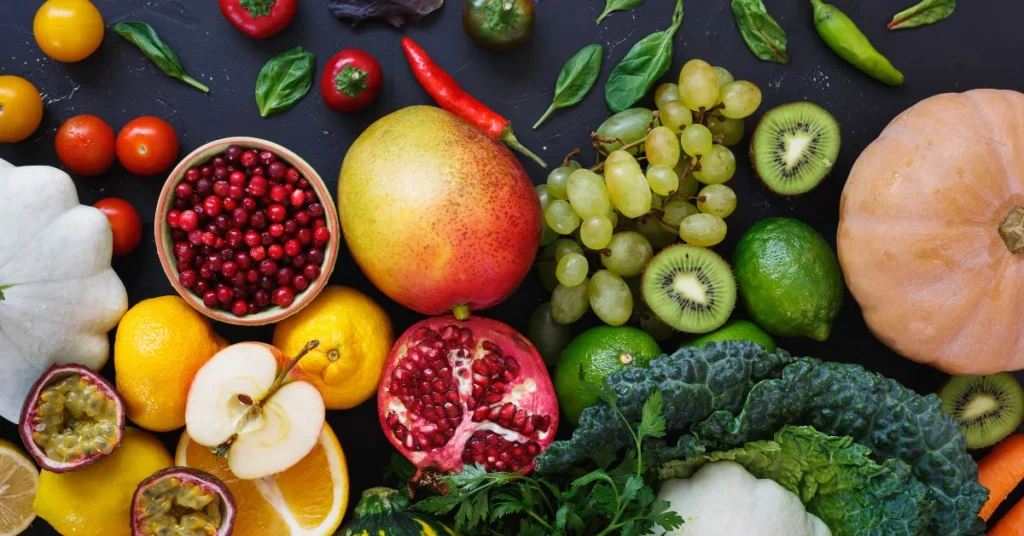
Freeze-dried fruits and vegetables are also excellent choices. They maintain flavor and nutrients while offering convenience and space-saving benefits.
Don’t forget about nuts, seeds, and powdered milk. These items provide calories and protein and often have shelf lives of several months to years.
Nutritional Value
Calories alone won’t keep you going; your body needs essential vitamins and minerals too. Look for foods rich in protein, fiber, and healthy fats to maintain energy and support immune function.
Including a variety of foods helps cover different nutritional bases. For instance, canned salmon offers omega-3s, while beans supply fiber and protein.
Think about what you would normally eat daily and try to match those nutrients. It’s easier to stick to your emergency diet if the foods feel familiar and satisfying.
Dietary Restrictions
Your emergency food supply should respect any allergies or dietary preferences you have. If you’re gluten-free, avoid wheat-based products and choose alternatives like quinoa or brown rice.
Vegetarians and vegans will want to focus on plant-based proteins such as lentils, chickpeas, and nuts. Keep in mind any family members’ needs too.
Have you tested your emergency foods before storing them? Trying the foods ahead of time helps ensure they suit your tastes and won’t cause digestive issues during a crisis.

Credit: mountainhouse.com
Storage Techniques
Storing your emergency food supply correctly is just as important as choosing the right foods. Proper storage techniques can extend shelf life, keep food safe, and ensure you have access to quality nutrition when you need it most. Understanding how to package, store, and manage your supplies will help you avoid waste and stress during emergencies.
Containers And Packaging
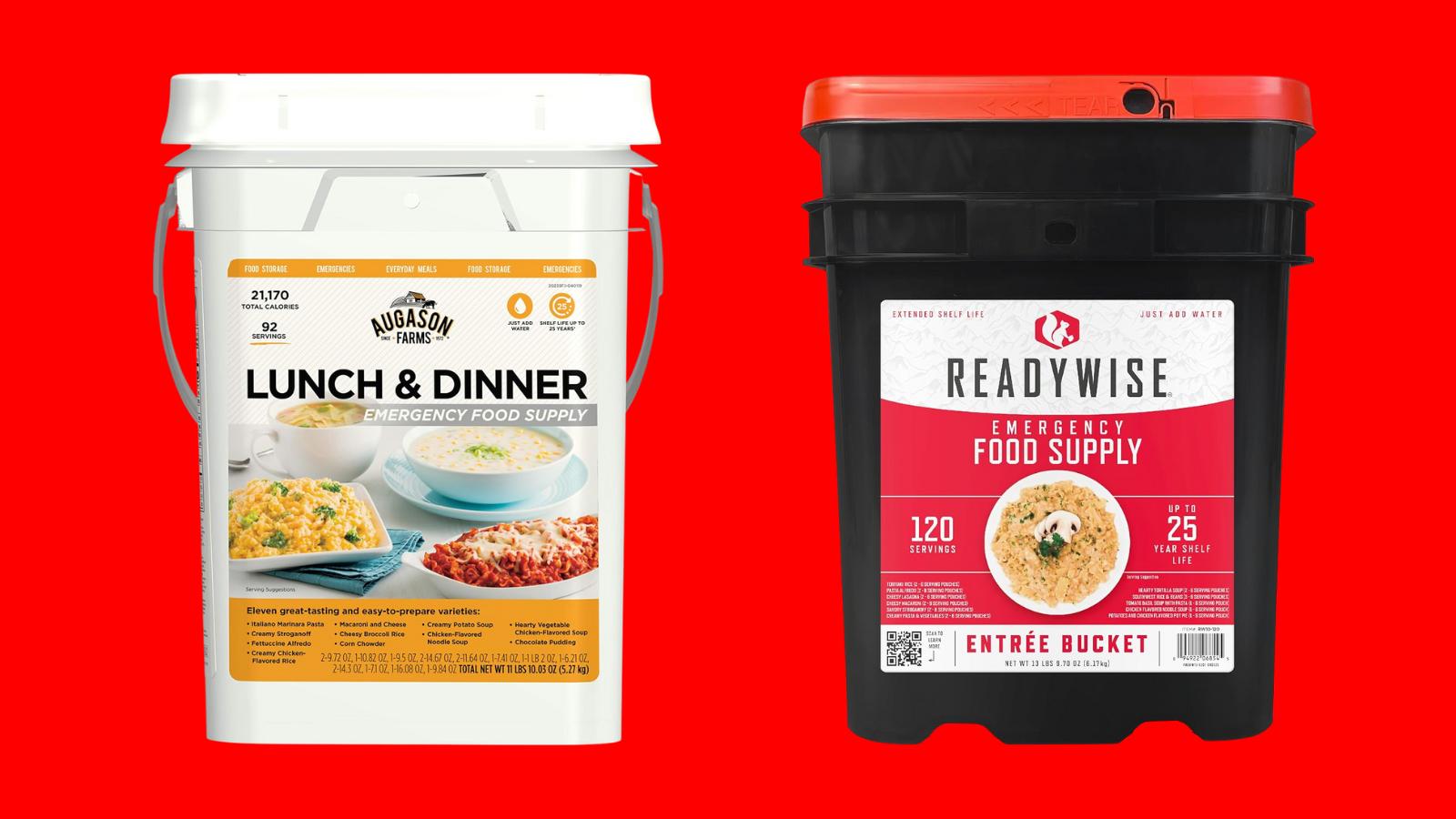
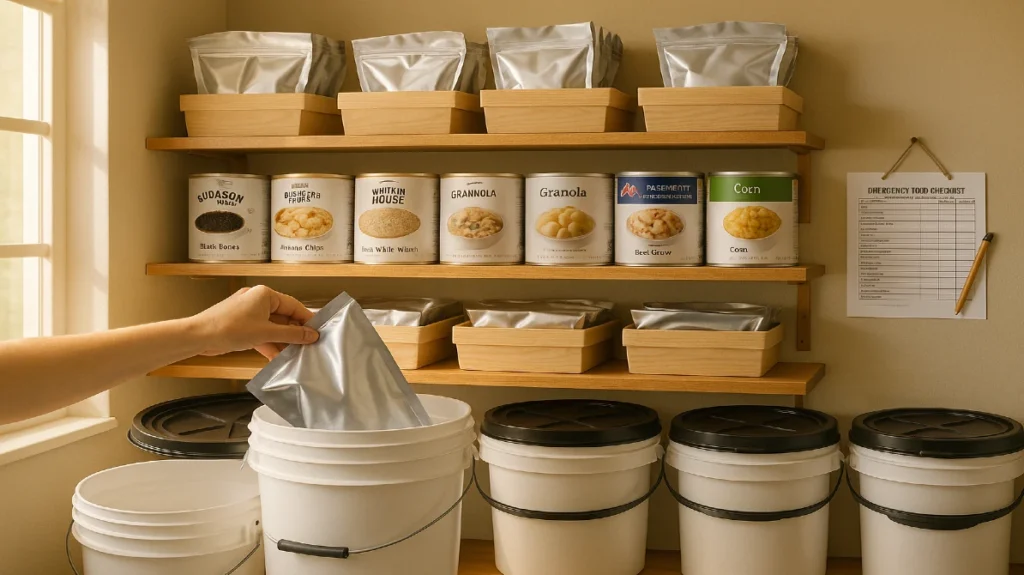
Choose containers that protect your food from moisture, air, and pests. Airtight containers such as Mylar bags with oxygen absorbers are excellent for long-term storage. Food-grade plastic buckets with sealed lids also work well and stack easily in storage areas.
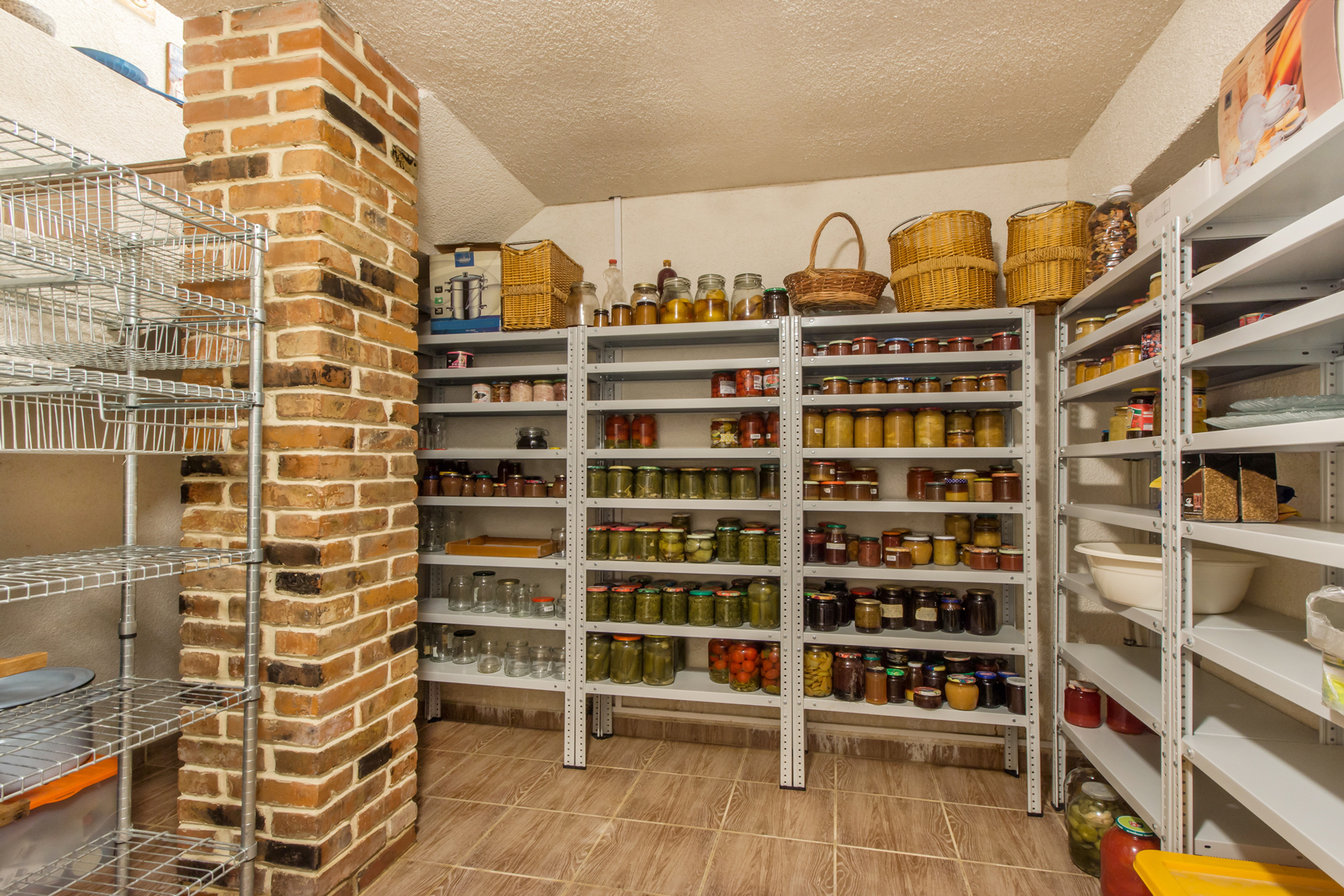
Glass jars offer a non-toxic option but can break easily, so use them for smaller quantities or sturdy shelving only. Vacuum sealing is another effective method, especially for dehydrated foods and grains. Think about labeling each container clearly with contents and packing date to save confusion later.
Optimal Storage Conditions
Keep your food supply in a cool, dry, and dark place to maximize shelf life. Temperatures below 70°F (21°C) are ideal, as heat accelerates spoilage. Avoid areas with high humidity, like basements prone to dampness, because moisture causes mold and clumping.
Consider investing in a dehumidifier or silica gel packs if your storage space tends to be humid. Also, store food away from direct sunlight to prevent nutrient loss and packaging degradation. Have you checked your storage area’s temperature and humidity recently?
Rotation And Inventory Management
To keep your emergency food fresh, use the “first in, first out” rule. This means you consume the oldest food first and replace it with new supplies. Creating an inventory list helps you keep track of what you have and when items expire.
Regularly check your stock for damaged packaging or signs of spoilage. You can use a simple spreadsheet or even a dedicated app to manage your inventory efficiently. Staying organized reduces waste and ensures you always have usable food ready.
Meal Planning Strategies
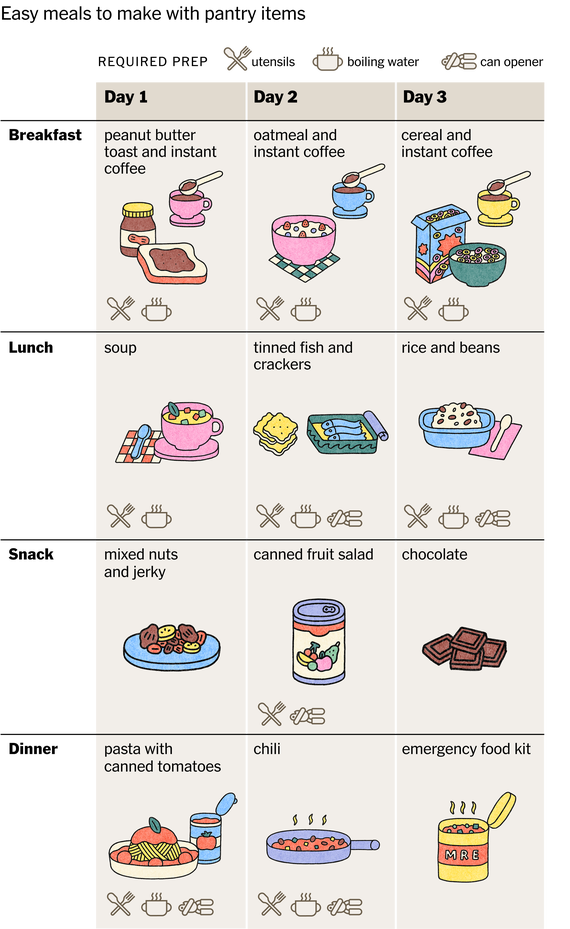
Start by choosing foods with a long shelf life and high nutritional value. Organize supplies by category to make access easier during emergencies. Regularly check and rotate items to keep your stock fresh and ready.
Meal planning is key for building an emergency food supply. It ensures you have nutritious meals ready in times of need. With careful planning, you can maintain health and energy during emergencies. Let’s explore meal planning strategies for effective emergency food storage.Balanced Meal Composition
A balanced meal is essential for good health. Aim to include proteins, carbohydrates, and healthy fats. Proteins can come from canned beans, tuna, or peanut butter. Carbohydrates like rice, pasta, or oats provide energy. Healthy fats are found in nuts or canned fish. Keep a variety to ensure nutritional balance.Calorie Requirements
Calorie needs vary by age, gender, and activity level. Adults generally need 1,800 to 2,400 calories daily. Children and active people may require more. Check nutritional labels to plan meals that meet these needs. Ensure your emergency food supply covers enough calories for each family member.Cooking Without Power
During emergencies, power may be unavailable. Plan meals that don’t need electricity to prepare. Stock canned goods, dried fruits, and nuts. Consider a camping stove or grill for cooking. Store extra fuel safely. Ready-to-eat meals can be handy when cooking is not an option. Keep these options in your emergency food supply.
Credit: www.jackery.com
Water Supply Essentials
Water is the most important part of any emergency food supply. Without clean water, food storage and survival become difficult. Planning your water supply is essential for long-term preparedness.
Focus on how to store water safely, ways to purify it, and understanding daily water needs. Each part plays a key role in keeping you healthy during emergencies.
Safe Water Storage
Choose containers made for water storage. Use food-grade plastic or glass bottles with tight lids. Store water in a cool, dark place to prevent bacteria growth. Avoid containers that once held chemicals or non-food items. Label containers with the date you filled them. Replace stored water every six months to keep it fresh.
Purification Methods
Purify water before drinking to kill germs and parasites. Boiling water for one minute is effective and simple. Use water purification tablets or drops, following package instructions. Portable water filters remove dirt and harmful microbes. Sunlight can disinfect water in clear bottles after six hours of exposure. Always have multiple purification options on hand.
Daily Water Needs
Each person needs about one gallon of water daily. This amount covers drinking, cooking, and basic hygiene. Children and pregnant women may need more water. In hot climates or during heavy activity, increase water intake. Calculate total water needs for all family members. Store enough water for at least three days, ideally two weeks.
Supplementing Your Stockpile
Supplementing your emergency food supply is essential to maintain health and morale. Basic staples like rice and beans provide energy but often lack essential nutrients. Including a variety of items ensures your body gets what it needs to function well during tough times.
Vitamins And Minerals
Vitamins and minerals support your immune system and keep you strong. Stock up on multivitamin tablets to cover daily needs. Powdered vitamin C and calcium supplements are easy to store and use. Consider adding dried seaweed or powdered greens for natural nutrient sources.
Comfort Foods
Comfort foods help reduce stress and boost morale in emergencies. Choose items that last long and bring happiness. Examples include chocolate, nuts, dried fruit, and instant coffee or tea. These small treats can improve mood and provide quick energy.
Specialty Items
Specialty items cater to dietary needs or personal preferences. Gluten-free grains, lactose-free milk powder, or canned fish can be vital. Include baby formula or pet food if needed. Label these items clearly and rotate them regularly to keep fresh.
Preparing For Different Scenarios
Preparing for different scenarios helps you build a food supply that matches your unique needs and risks. Not every emergency is the same, so tailoring your supplies ensures you won’t be caught off guard. Think about the most likely events where you live and plan accordingly to stay safe and well-fed.
Natural Disasters
Natural disasters like hurricanes, floods, or earthquakes can cut off access to stores for days or weeks. You need foods that last long without refrigeration, such as canned goods, dried beans, rice, and freeze-dried meals.
Don’t forget items that require minimal water or cooking. Ready-to-eat foods like peanut butter, energy bars, and nuts are lifesavers. Have a manual can opener ready—electric ones won’t work if the power is out.
Power Outages
Power outages can strike unexpectedly and last from a few hours to several days. Stock up on foods that don’t need refrigeration or cooking, such as bread, crackers, and shelf-stable milk.
Think about how you will prepare food without electricity. Portable camping stoves, fuel, and disposable utensils become essential. Also, keep plenty of bottled water since pumps might not work during outages.
Extended Isolation
Extended isolation, like being stuck at home during a quarantine, demands a larger variety of nutritious foods to keep energy and morale up. Include canned vegetables, fruits, protein sources, and whole grains to maintain a balanced diet.
Consider your family’s tastes and dietary needs to avoid food fatigue. Rotating your stock regularly ensures freshness and prevents waste. Have some comfort foods on hand—they can make a big difference during stressful times.
Maintaining Food Safety
Maintaining food safety is vital for a reliable emergency food supply. Proper care helps keep your food fresh and edible for longer. It stops harmful germs and pests from spoiling your stock. Safe food storage protects your health in critical times.
Preventing Contamination
Clean hands and surfaces before handling food. Use airtight containers to store dry goods. Separate raw and cooked items to avoid cross-contamination. Keep food away from chemicals and strong smells. Label containers with dates to track freshness.
Pest Control
Seal cracks and holes in storage areas. Use metal or heavy plastic containers to keep pests out. Avoid storing food directly on floors. Clean spills and crumbs promptly to remove food sources for pests. Set traps or use natural repellents to reduce pest risks.
Regular Inspections
Check your food supply every few months. Look for signs of spoilage like mold, unusual smells, or discoloration. Toss any food showing damage or pests. Rotate older items to the front and use them first. Keep a checklist to stay organized and avoid waste.
Credit: stormreadyhome.com
Budget-friendly Tips
Building an emergency food supply does not have to break the bank. Smart choices and simple habits can stretch your budget while stocking up essentials. Planning and patience save money and reduce waste.
Buying In Bulk
Purchasing large quantities of non-perishable foods lowers the cost per unit. Items like rice, beans, pasta, and canned goods often come cheaper in bulk. Use airtight containers to keep bulk foods fresh longer. Sharing bulk buys with family or friends can also reduce expenses.
Sales And Discounts
Watch for sales on staple foods and stock up during discounts. Many stores offer deals on canned goods, dried fruits, and frozen vegetables. Use coupons and store apps to save extra money. Keep an eye on clearance sections for near-expiry items that still have good shelf life.
Diy Food Preservation
Preserving food at home cuts costs and extends shelf life. Simple methods include drying, freezing, and canning seasonal produce. Dehydrated fruits and vegetables store well and add variety to your supply. Learning basic preservation skills reduces dependence on store-bought, pre-packaged emergency foods.
Frequently Asked Questions
What Are The Best Foods For Emergency Supply?
Choose non-perishable foods like canned goods, dried beans, rice, and pasta. Include high-energy items such as nuts, peanut butter, and granola bars. Opt for foods with long shelf lives and minimal preparation needs to ensure readiness during emergencies.
How Much Emergency Food Should I Store Per Person?
Store at least a three-day supply of food per person for short-term emergencies. For long-term, aim for a two-week supply or more. Consider dietary needs and calorie requirements when planning your emergency food stockpile.
How Do I Store Emergency Food Safely?
Keep emergency food in a cool, dry, and dark place. Use airtight containers to prevent moisture and pests. Rotate your stock regularly to maintain freshness and replace expired items promptly.
Can I Use Frozen Foods In An Emergency Supply?
Frozen foods are not ideal for long-term emergency storage due to power loss risks. Focus on shelf-stable items instead. If using frozen foods, ensure you have a reliable power source and backup plan.
Conclusion
Building an emergency food supply takes time and care. Choose foods that last long and are easy to store. Keep your supply fresh by rotating items regularly. Think about your family’s needs and tastes. Stay calm and organized during preparation.
Being ready helps you feel safe and confident. Start small and add more as you go. Emergency food supply is a smart step for any home. It gives peace of mind in uncertain times. Take action today to protect your loved ones.