When it comes to being prepared for emergencies, having the right survival food kit can make all the difference. But with so many options out there, how do you know which one is best for you?
Choosing the right kit isn’t just about picking the first thing you see—it’s about finding food that fits your needs, lasts long, and keeps you energized when it matters most. In this guide, you’ll discover simple tips to help you select a survival food kit that you can truly rely on.
Keep reading, and make sure your next choice gives you peace of mind and real readiness.
Key Factors In Survival Food Kits
Choosing the right survival food kit means focusing on important details. These details affect how well the kit serves in emergencies. The key factors ensure your food lasts, fuels your body, and stays easy to carry. Understanding these points helps pick the best kit for your needs.
Shelf Life And Expiration Dates
Long shelf life means food stays good for years. Check expiration dates carefully. Some kits last 5 to 25 years. Store food in a cool, dry place to keep it fresh. Avoid kits with short shelf lives to prevent waste. Proper storage extends the food’s usability.
Nutritional Value
Food must provide essential vitamins and minerals. Balanced nutrition supports health during tough times. Look for kits with a mix of proteins, carbs, and fats. Avoid kits with too much sugar or artificial ingredients. Natural nutrients help maintain energy and focus.
Caloric Needs
Calories provide energy for survival tasks. Kits should meet daily calorie needs based on activity level. Most adults require 2,000 to 2,500 calories daily. Choose kits offering enough calories without extra bulk. Proper calories prevent fatigue and keep the body strong.
Portability And Weight
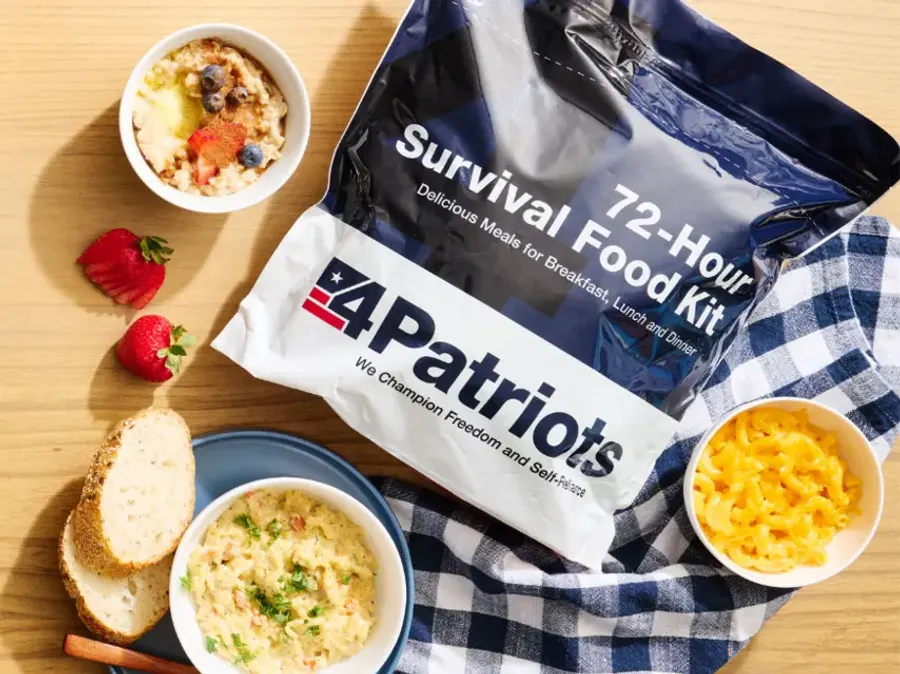
Lightweight kits are easier to carry during emergencies. Compact packaging saves space in backpacks or vehicles. Consider how far you must travel with the kit. Heavy kits can slow you down and cause strain. Choose a kit that balances weight and quantity well.
Credit: 4patriots.com
Types Of Survival Food Kits
Choosing the right survival food kit depends on the type of food it contains. Each type offers different benefits for storage, preparation, and nutrition. Understanding the main types helps pick the best option for your needs.
Freeze-dried Meals
Freeze-dried meals keep most nutrients and taste well. They last for many years when stored correctly. These meals need water to rehydrate before eating. Lightweight and compact, they are easy to carry during travel or emergencies.
Dehydrated Foods
Dehydrated foods remove moisture to prevent spoilage. They usually weigh less than canned foods but more than freeze-dried. Water is required to prepare them. They keep a good amount of flavor and nutrition. Perfect for long-term storage and quick meals.
Mres (meals Ready To Eat)
MREs are complete meals packed in durable pouches. No cooking or water is needed to eat them. Designed for military use, they have a long shelf life. They include main dishes, snacks, and utensils. Very convenient for immediate consumption.
Canned Goods
Canned goods offer ready-to-eat food with a long shelf life. They do not require water or special preparation. Heavier and bulkier than freeze-dried or dehydrated foods. Ideal for storage at home or bug-out locations. Provide a variety of options like vegetables, meats, and soups.
Assessing Your Needs
Choosing the right survival food kit starts with knowing your needs. This helps you pick food that fits your situation perfectly. Think about who will use the kit, any special diets, how long you want the food to last, and where you might use it. Each factor affects what kind of food is best. Careful thought here makes sure you stay nourished and safe.
Number Of People
Count everyone who will use the kit. More people need more food. Plan enough meals and snacks for each person. Don’t forget to include children and elders. Their needs might be different from adults. Accurate numbers help avoid running out of food during emergencies.
Dietary Restrictions
Know any allergies or special diets in your group. Some may need gluten-free, vegetarian, or low-sodium options. Avoid foods that cause reactions. Choose kits with clear ingredient lists. Catering to these needs keeps everyone healthy and comfortable.
Duration Of Storage
Decide how long the food should last. Short-term kits last a few days to weeks. Long-term kits store for months or years. Check expiration dates carefully. Longer storage requires sealed, freeze-dried, or dehydrated foods. This ensures you have safe food when needed.
Environmental Conditions
Think about where you will keep and use the kit. Hot, humid places need special packaging to prevent spoilage. Cold areas may affect food texture and taste. Choose kits made for your climate. Proper storage conditions keep food fresh and safe.
Credit: www.forbes.com
Packaging And Storage Considerations
Choosing the right survival food kit goes beyond just the type of food included. How the food is packaged and stored plays a crucial role in keeping it safe and edible when you need it most. Understanding these packaging and storage factors helps you make a smarter, more practical choice for your emergency preparedness.
Waterproof And Airtight Packaging
Packaging that keeps moisture and air out is essential for long-term food storage. Moisture can cause mold, spoilage, and nutrient loss, while air exposure leads to oxidation, which ruins taste and quality.
Look for kits sealed in vacuum-packed bags or heavy-duty Mylar pouches with oxygen absorbers. These options extend shelf life and protect food during unexpected weather or accidental spills.
Have you ever opened a package only to find the food stale or damp? Choosing airtight, waterproof packaging can prevent that disappointment and keep your food fresh when you really need it.
Storage Space Requirements
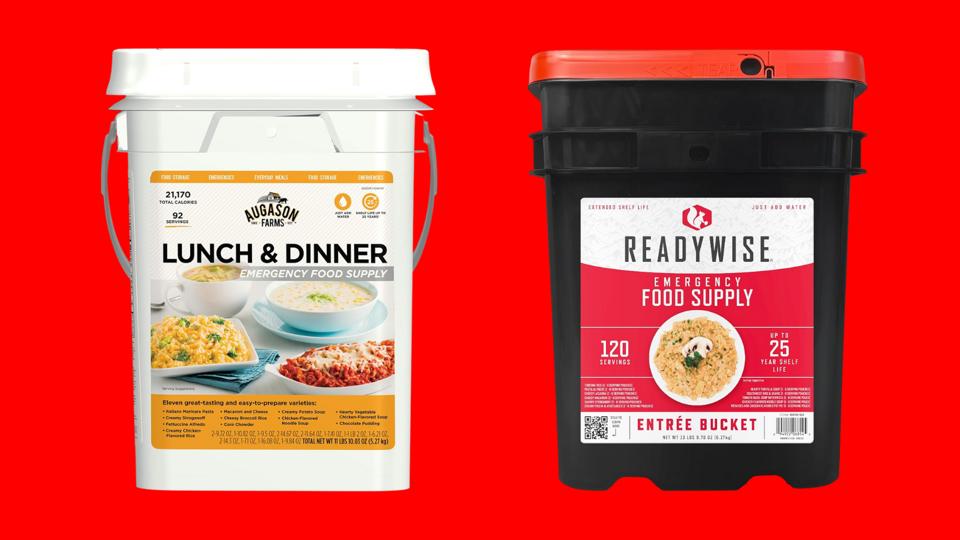
Consider how much room you have to store your survival food kit. Some kits come in large buckets or containers, while others are compact and easy to stash in small spaces.
Think about where you’ll keep the kit—under a bed, in a closet, or a basement shelf—and pick packaging that fits those spaces without being a hassle.
Do you have a tight storage area? Smaller, stackable packages might work better than bulky containers. Balancing quantity with space availability ensures you don’t end up with food you can’t store properly.
Temperature Sensitivity
Not all survival food kits handle temperature changes equally well. Some foods can spoil or lose nutritional value if exposed to extreme heat or cold.
If your storage area isn’t climate controlled, choose kits designed to resist temperature fluctuations. Freeze-dried foods typically tolerate heat better than canned goods, which can swell and spoil in heat.
Think about your local climate and storage conditions. Could your kit survive a hot summer or freezing winter? Picking temperature-resistant packaging protects your investment and keeps your emergency food reliable.
Additional Supplies To Include
Choosing the right survival food kit is crucial, but don’t overlook the additional supplies that can make your experience smoother and safer. These items can enhance your ability to prepare meals, stay hydrated, and maintain hygiene during emergencies. Let’s look at some essential extras you should consider adding to your kit.
Water And Water Purification
Water is the most critical resource in any survival situation. Carry enough clean water, but also include portable water purification tools to ensure you can make unsafe water drinkable.
- Water bottles or hydration bladders:Durable and easy to carry, they keep you hydrated on the go.
- Water purification tablets:Compact and lightweight, these kill bacteria and viruses quickly.
- Portable water filters:Devices like straw filters or pump filters can remove impurities and make natural water sources safe.
Have you thought about how you’ll access safe water if your stored supply runs out? These tools can be lifesavers in unpredictable situations.
Cooking Equipment
Eating your survival food is one thing, but cooking it can improve both taste and nutrition. A small, reliable cooking setup is a smart addition to your kit.
- Portable stove:Lightweight options like canister stoves or wood-burning stoves work well in different environments.
- Fuel:Don’t forget to bring enough fuel compatible with your stove to last several days.
- Fire starters:Waterproof matches, lighters, or ferro rods help you start a fire quickly and safely.
Imagine trying to eat cold, hard food after a long day. Cooking gear not only warms your meals but also provides comfort and boosts morale.
Utensils And Accessories
Having the right tools to eat and prepare your food is often overlooked but can make a big difference. Consider adding practical utensils and accessories to your survival kit.
- Spork or multi-use utensils:Combines spoon, fork, and knife in one compact tool.
- Lightweight pots or pans:Useful for boiling water or cooking meals.
- Collapsible bowls or cups:Space-saving and convenient for eating or drinking.
- Cleaning supplies:Small scrubbers or biodegradable soap help maintain hygiene.
Do you have the right tools to eat and cook efficiently? These accessories prevent frustration and help you make the most of your survival food.
Budgeting For Survival Food Kits
Budgeting for survival food kits is a crucial step that often gets overlooked. Your goal is to find a balance between cost and the quality of the food you’re storing. It’s not just about buying the cheapest option; it’s about making smart choices that stretch your dollar without compromising your safety.
Cost Comparison
Not all survival food kits are priced the same. Some come with premium ingredients and longer shelf life, while others focus on basic nutrition at a lower cost. Comparing prices across brands can reveal surprising differences in value.
For example, a kit costing $100 might last 30 days, while a $150 kit could last 60 days with better nutritional content. Ask yourself: how much are you willing to invest for peace of mind?
Bulk Buying Benefits
Buying in bulk often lowers the cost per meal significantly. If you have the storage space, purchasing larger kits or multiple smaller kits together can save money over time.
Think about buying a 120-serving pack instead of four 30-serving packs. The upfront cost is higher, but the price per serving drops noticeably. Do you have a dry, cool place where you can safely store bulk supplies?
Balancing Quality And Price
Cheaper kits might be tempting, but they can fall short in taste, nutrition, or shelf life. On the other hand, premium kits might offer excellent quality but drain your budget quickly.
Look for a middle ground: kits that meet your nutritional needs, taste preferences, and storage limits without breaking the bank. Sometimes, combining a basic kit with a few specialty items is more effective than buying an all-in-one premium kit.
Testing And Rotating Your Supplies
Testing and rotating your survival food supplies keeps your kit reliable and fresh. Regular checks prevent unpleasant surprises during emergencies. It also helps you know what tastes good and what needs replacement. Staying organized with rotation extends shelf life and reduces waste.
Trial Runs And Taste Tests
Try samples from your kit before an emergency. Taste tests show which foods you like and can eat comfortably. Trial runs reveal how easy the meals are to prepare. This practice helps avoid food fatigue and ensures you’re ready for real situations.
Rotation Schedules
Create a rotation plan to use older items first. Mark expiration dates and check supplies monthly. Replace any foods nearing their shelf life. A rotation schedule keeps the kit fresh and ready at all times.
Maintaining Freshness
Store food in cool, dry places away from sunlight. Use airtight containers to protect from moisture and pests. Keep a record of opened packages to track freshness. Proper storage keeps nutrition and flavor intact longer.

Credit: www.mypatriotsupply.com
Frequently Asked Questions
What Factors Should I Consider When Choosing A Survival Food Kit?
Consider shelf life, nutritional value, taste, and portion size. Also, check for dietary restrictions and packaging durability for emergencies.
How Long Can Survival Food Kits Last Unopened?
Most survival food kits last between 5 to 25 years unopened. Proper storage in a cool, dry place extends shelf life significantly.
Are Freeze-dried Foods Better Than Dehydrated Options?
Freeze-dried foods retain more nutrients and flavor. Dehydrated foods weigh less but may lose some nutritional value.
Can Survival Food Kits Meet All Daily Nutritional Needs?
Quality kits provide balanced calories, proteins, fats, and vitamins. Always verify nutritional labels to ensure they meet your dietary requirements.
Conclusion
Choosing the right survival food kit is crucial. Consider your needs first. Think about the kit’s shelf life. Check the nutritional value. Variety matters for long-term use. Look for easy preparation. Read reviews from others. Compare prices wisely. Make sure the kit is portable.
Trustworthy brands offer better quality. Store the kit properly. Stay prepared for any situation. Your safety and health depend on it. Be ready and stay safe. Investing time now saves stress later. Remember, a good kit is your lifeline.