
Are you struggling to find cloth in Survival Simulator? You’re not alone.
Cloth is one of the most important resources you need to craft essential items and survive longer. But where exactly can you get it, and how can you make sure you gather enough? In this guide, you’ll discover simple and effective ways to collect cloth quickly.
By the end, you’ll know exactly what to do to boost your survival game and stay ahead of the challenges. Keep reading to unlock the secrets of getting cloth easily in Survival Simulator.
Essential Tools And Resources
Collecting cloth in Survival Simulator requires more than just luck. You need the right tools and resources to make your efforts count. Understanding what materials to gather and which tools to craft sets a strong foundation for efficient cloth production.
Gathering Basic Materials
Start by searching for plants like cotton and bushes that yield fibers. These fibers are the raw ingredients for cloth, so don’t overlook seemingly small patches of greenery. Keep an eye out for animals too, as some provide hides that can be processed into cloth.
Have you noticed some areas give better fiber than others? Focus your gathering in these zones to save time and effort. Use your inventory space wisely; prioritize fibers and hides over less useful items when your backpack gets full.
Crafting Tools For Cloth Production
Once you have raw materials, you’ll need tools to turn them into cloth. A simple crafting knife or stone blade can help you cut fibers cleanly. Crafting a loom or weaving frame is essential to produce larger cloth pieces quickly.
Don’t underestimate the power of upgrading your tools early. Improved blades speed up fiber collection and reduce material waste. Ask yourself: Are your current tools slowing you down? Investing in better equipment can make the difference between a quick cloth harvest and hours of frustration.

Credit: www.youtube.com
Locating Raw Materials
Locating raw materials is your first and most important task to get cloth in Survival Simulator. Without a steady supply of basic resources, crafting cloth becomes impossible. Understanding where to find these materials can save you time and keep you safe during your adventures.
Identifying Plant Sources
You can gather cloth by collecting fibers from certain plants scattered throughout the map. Look for tall grass, bushes, and vines that stand out with their green or brownish strands. These plants often have a fibrous texture that you can harvest using simple tools like a knife or even your hands.
Keep an eye out near water bodies or forest edges where these plants grow thick. Once you spot them, interact with the plant to collect fibers, which can later be crafted into cloth. Have you noticed that some plants yield more fibers than others? Try experimenting with different areas to find the richest sources.
Harvesting Animal Products
Animals provide another valuable source of raw materials for cloth. Hunting small creatures such as rabbits or deer gives you hides and pelts that you can transform into cloth with the right crafting skills. Don’t forget to carry weapons or traps to increase your success rate when hunting.
After a successful hunt, skin the animal to collect hides. These raw materials often yield more durable cloth compared to plant fibers. Think about how you can balance your time between hunting and gathering plants for a steady cloth supply.
Crafting Stations Setup
Setting up crafting stations is essential for making cloth in Survival Simulator. These stations let players turn raw materials into useful items. Focus on building a loom and creating a workbench. Both are key to crafting cloth efficiently. This setup saves time and resources during gameplay.
Building A Loom
The loom is the main tool to craft cloth. It weaves fibers into fabric. First, gather enough wood and sticks. Place the loom on flat ground to avoid placement errors. The loom requires:
- Wood planks
- Sticks
- Rope or vines
After building the loom, add fibers collected from plants or bushes. Use the loom interface to start crafting cloth. Keep the loom close to your base for easy access.
Creating A Workbench
The workbench supports advanced crafting tasks. It holds tools and materials for making cloth and other items. To create a workbench, collect:
- Wooden logs
- Stone pieces
- Rope
Place the workbench near the loom to speed up crafting. The workbench allows combining multiple resources at once. It also stores crafting recipes for quick use.
Crafting Process Explained
Crafting cloth in Survival Simulator is a hands-on process that transforms raw fibers into useful fabric. Understanding each step helps you gather resources efficiently and manage your inventory better. Let’s break down the crafting process so you can create cloth with confidence and speed.
Spinning Fiber Threads
Spinning is your first task. You start by collecting plant fibers, which are abundant around the environment. Using your crafting tools, you twist these fibers into threads.
Keep your tools ready, as spinning requires a little time and patience. The quality of your threads depends on how well you spin them, so don’t rush. Have you noticed how slower, careful spinning creates stronger threads? That strength is crucial for the next step.
Weaving Threads Into Cloth
After you have enough threads, weaving turns those threads into cloth. This step demands a flat surface or a crafting station. You arrange the threads in a crisscross pattern, tightening them to form a durable fabric.
Weaving properly affects the cloth’s durability and usability. Try weaving in small batches first to get a feel for the pattern. Do you prefer weaving by hand or using crafting stations? Your choice can save time or improve quality, depending on your play style.
Advanced Crafting Techniques
Advanced crafting techniques in Survival Simulator give you the edge to make your cloth not only useful but tailored to your specific needs. These methods go beyond basic gathering and sewing, allowing you to customize your fabric for better performance in the wild. Mastering these skills can change how you survive and interact with the environment around you.
Dyeing Cloth For Camouflage
Adding color to your cloth isn’t just for style—it can provide crucial camouflage. Using natural dyes from plants, berries, and mud helps your gear blend into different environments. Have you tried mixing colors to match the terrain you explore most?
To dye cloth effectively:
- Gather natural materials like leaves, berries, or clay.
- Boil them in water to extract color.
- Soak your cloth in the dye until it reaches the desired shade.
This simple step can reduce your visibility to predators or other players, improving your chances of survival. It also adds a personal touch to your gear, making it uniquely yours.
Enhancing Durability Of Fabrics
Durability is key when your cloth faces constant wear and tear. You can make your fabric last longer by applying natural treatments and reinforcing weak spots. Have you noticed how a small patch can save your entire garment?
Try these tips to strengthen your cloth:
- Use resin or tree sap as a natural sealant to repel water and dirt.
- Double-layer the fabric at high-stress areas like elbows and knees.
- Sew on extra patches from scraps to cover holes before they grow.
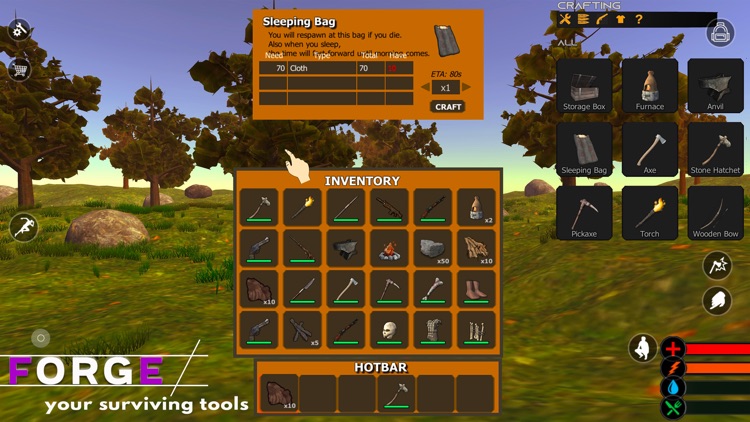
These techniques help you avoid frequent repairs and keep your gear reliable. Your cloth becomes more than just a piece of fabric—it becomes a durable tool for survival.
Credit: appadvice.com
Efficient Crafting Strategies
Efficient crafting strategies can make a big difference in how quickly you gather cloth in Survival Simulator. Mastering these techniques helps you save time and resources, letting you focus on other survival tasks. Let’s look at how you can improve your crafting process and get the most out of every action.
Time Management Tips
Managing your time well means you spend less waiting and more doing. Plan your crafting sessions around your resource collection so you don’t waste precious minutes searching for materials when you could be crafting.
Use downtime wisely. For example, if you need to wait for a crafting process to finish, gather resources or explore nearby areas instead of standing idle. This keeps your gameplay smooth and productive.
Set clear goals for each crafting session. Instead of randomly crafting, decide how much cloth you want and focus solely on achieving that target. This sharp focus speeds up your progress.
Resource Optimization Methods
Maximizing every resource is key to crafting cloth efficiently. Always prioritize harvesting plants and animals that yield the most usable material for cloth.
- Target bushes and trees known for providing fibers and leaves used in cloth crafting.
- Look out for animals that drop hides or fur, which can be converted into cloth.
- Combine smaller resource batches to create larger quantities of cloth at once.
Don’t forget to recycle or repurpose items you find. Sometimes, worn-out gear or leftover materials can be broken down into cloth or components for crafting.
Have you noticed how some players rush to craft without checking their inventory? Taking a moment to organize and combine resources can cut down crafting time drastically.
Troubleshooting Common Issues
Finding cloth in Survival Simulator can sometimes be tricky. Players face several common issues that stop them from crafting cloth smoothly. Knowing how to fix these problems helps keep the game fun and stress-free.
Dealing With Material Shortages
Material shortages often block cloth crafting. The game requires specific resources like plant fibers or animal hides. Check your inventory carefully. Sometimes you miss gathering enough basic materials.
Explore different areas to find more resources. Look under trees, bushes, or near water. Use tools to speed up collection. Trading with other players can also solve shortages quickly.
Fixing Crafting Errors
Crafting errors happen when recipes or steps are incorrect. Always double-check the recipe before starting. Make sure you have the right amount of each material. Missing even one item causes errors.
Sometimes the crafting station may malfunction. Restarting the station or moving to a different one can help. Pay attention to the crafting timer. Interrupting the process may cause failure.

Credit: www.youtube.com
Frequently Asked Questions
How Do I Find Cloth In Survival Simulator?
You can find cloth by looting buildings, killing animals like deer, or harvesting plants. Cloth often drops from trees or bushes too.
Can I Craft Cloth From Other Materials?
No, cloth cannot be crafted directly. You must collect it from specific sources like animals and plants.
Which Animals Drop Cloth In Survival Simulator?
Deer and rabbits commonly drop cloth when hunted. Focus on hunting these animals to gather cloth efficiently.
Is Cloth Necessary For Crafting Tools?
Yes, cloth is essential for crafting tools and armor. It helps improve your survival gear and protection.
Conclusion
Getting cloth in Survival Simulator helps you survive longer and build better gear. You can gather cloth by cutting plants or hunting animals. Always keep an eye on your resources. Collecting cloth early makes crafting easier and faster. Stay patient and explore different areas for materials.
Practice helps improve your gathering skills. Keep trying, and you will get better supplies each time. Cloth is key to your survival journey. Use it wisely and stay safe in the game world.


