Imagine being in the wild, far from help, with only what you carry on you. Would you know what to grab to stay safe and survive?
Building your own SAS survival kit can make all the difference in those critical moments. In this guide, you’ll discover exactly what to include and why each item matters. By the end, you’ll be ready to create a kit that fits your needs and boosts your confidence in any emergency.
Keep reading, because your survival could depend on what you pack today.
Sas Survival Kit Basics
Building your own SAS survival kit means preparing for the unexpected with essentials that can save your life. Understanding the basics of what to include and why makes your kit practical and reliable. It’s not about packing everything but selecting items that suit your specific needs and environment.
Purpose Of The Kit
Your survival kit is a compact collection of tools and supplies designed to help you handle emergencies. It supports your ability to find shelter, make fire, find water, and signal for help. Think of it as your first line of defense when you face challenging outdoor situations.
Ask yourself: what are the most critical problems you might face during an emergency? Your answers will guide what you add to your kit.
Key Survival Scenarios
Knowing the scenarios you’re likely to encounter helps you tailor your kit effectively. Common situations include getting lost in the wilderness, sudden weather changes, or minor injuries.
- Lost in the forest: You need navigation tools like a compass and a map.
- Cold nights: A reliable fire starter and emergency blanket become lifesavers.
- Water scarcity: Carrying a portable water filter or purification tablets is crucial.
- Injuries: Basic first aid supplies such as bandages and antiseptic wipes make a big difference.
Think about your environment and likely emergencies before deciding what goes into your SAS survival kit. What specific situations do you want to be ready for?

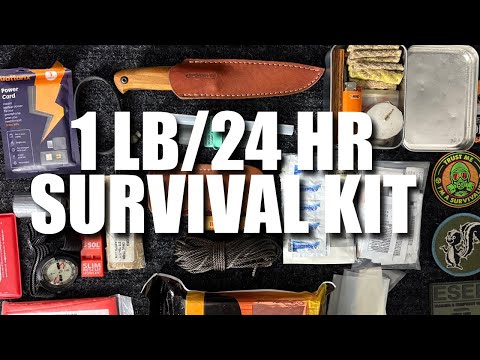
Credit: www.youtube.com
Essential Tools And Equipment
A well-prepared SAS survival kit needs essential tools and equipment. These items help you stay safe, find food and water, and build shelter. Choose tools that are strong, reliable, and easy to carry. Focus on items that serve multiple purposes to save space. Here are key categories to include in your kit.
Cutting Instruments
- A sharp fixed-blade knife is vital for cutting and carving tasks.
- A folding knife adds versatility and portability.
- A small saw can help cut wood for shelter or firewood.
- Scissors or multi-tools with cutting blades are useful for fine work.
Fire Starting Tools
- Waterproof matches are simple and effective.
- A magnesium fire starter sparks easily, even when wet.
- A lighter offers quick fire creation but check fuel levels often.
- Include tinder such as cotton balls or dry grass for easy ignition.
Shelter Materials
- A compact tarp or emergency blanket protects against rain and wind.
- Paracord is strong and useful for tying shelter parts.
- A lightweight bivvy bag adds warmth and weather resistance.
- Include tent stakes or pegs to secure your shelter.
Water Purification Gear
- Water purification tablets kill harmful bacteria and viruses.
- A portable water filter removes debris and contaminants.
- A small metal container can boil water for safe drinking.
- Collapsible water bottles save space and hold clean water.
Food And Nutrition Supplies
Food and nutrition are vital for survival in any emergency. A well-stocked kit ensures you get enough energy and nutrients. Choose supplies that last long and are easy to carry. Focus on variety to cover different dietary needs.
Non-perishable Food Items
Non-perishable foods keep well without refrigeration. They provide steady energy and essential nutrients. Pick items that are lightweight and compact. Here are some good options:
- Canned beans and vegetables
- Dry rice and pasta
- Powdered milk
- Energy bars and trail mix
- Peanut butter
- Dehydrated fruits
- Instant noodles
Store food in airtight containers to prevent spoilage. Rotate supplies regularly to keep them fresh. Avoid foods that need cooking if you lack fuel or tools.
Fishing And Trapping Gear
Fishing and trapping gear help catch fresh food outdoors. They increase your chance of survival by providing protein. Include simple, versatile tools in your kit. Useful items include:
- Fishing line and hooks
- Small fishing net
- Snare wire for traps
- Multi-tool with cutting blade
Practice using these tools before an emergency. Knowing how to catch food boosts your confidence and safety.
First Aid Essentials
First aid essentials are a crucial part of any SAS survival kit. They help treat injuries and prevent infections in the wild. A well-stocked first aid kit increases your chances of staying safe and healthy.
Basic Medical Supplies
Start with these fundamental items to cover most minor injuries:
- Adhesive bandages in various sizes
- Sterile gauze pads and adhesive tape
- Antiseptic wipes or solution
- Elastic bandages for sprains
- Disposable gloves to keep hands clean
- Scissors and tweezers for cutting and removing debris
- Instant cold packs to reduce swelling
- Pain relief tablets like ibuprofen or acetaminophen
Injury And Illness Treatment
Include items to handle wounds, burns, and common illnesses:
- Antibiotic ointment to prevent infection
- Burn cream or aloe vera gel for soothing burns
- Hydrocortisone cream for insect bites and rashes
- Oral rehydration salts to treat dehydration
- Thermometer to monitor fever
- Emergency blanket to prevent shock
- Saline solution for eye or wound cleaning
Navigation And Signaling Devices
Navigation and signaling devices are essential in any SAS survival kit. They help you find your way and alert rescuers to your location. Without these tools, you may get lost or remain unseen for long periods. Carrying reliable navigation and signaling devices increases your chances of survival.
Compasses And Maps
Compasses guide you by showing the direction. They are small, light, and easy to carry. Choose a compass with clear markings and a rotating bezel. Learning to use a compass can save your life in the wild.
Maps provide a detailed view of the terrain. Topographic maps show elevation and natural features. Always carry a waterproof map in your kit. Together, a compass and map help you navigate unfamiliar areas confidently.
Emergency Signals
Emergency signals attract attention from far away. Bright, reflective mirrors send flashes of light toward rescuers. Whistles create loud sounds that carry over distance. Signal fires produce smoke visible from the air.
- Carry a signal mirror for daytime use.
- Keep a whistle for noisy environments.
- Use flares or glow sticks for night signaling.
Practicing with these devices ensures you use them correctly in emergencies. Signaling can make the difference between rescue and being stranded.

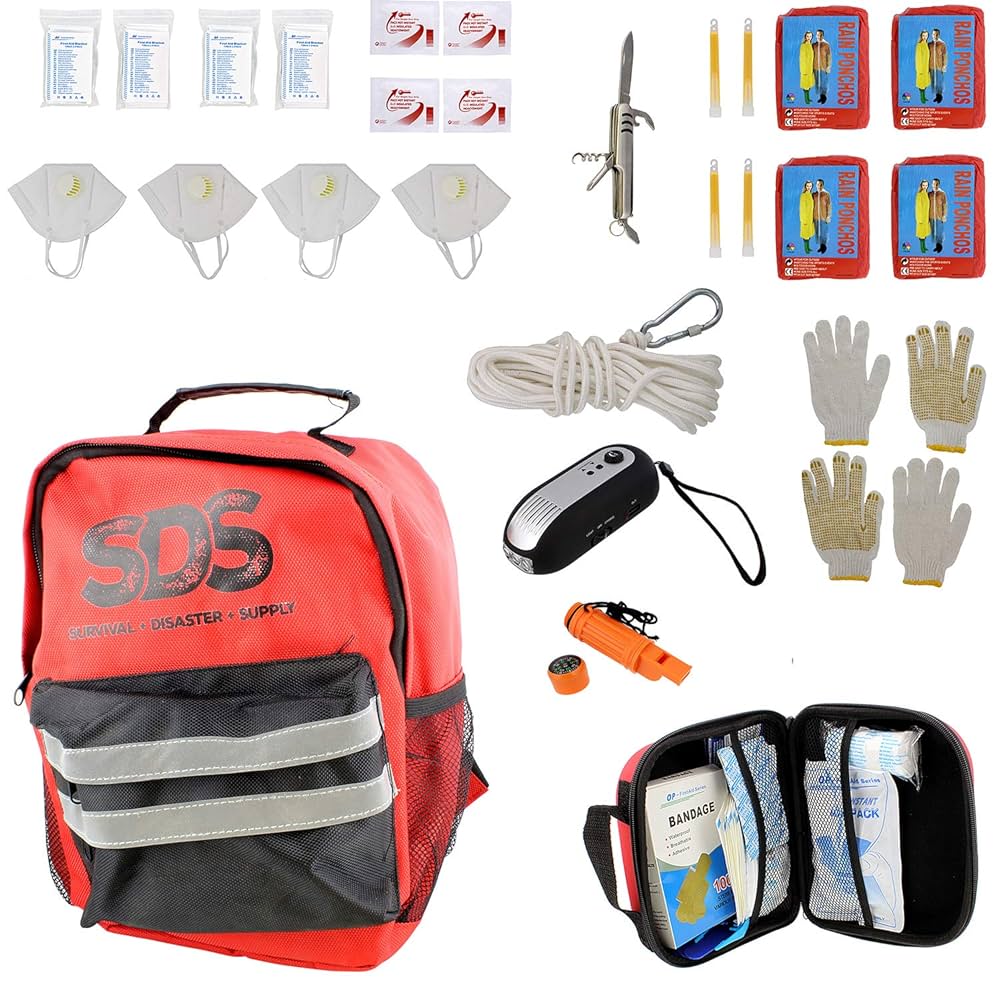
Credit: www.amazon.ca
Clothing And Protection
Choosing the right clothing and protection is vital in a SAS survival kit. Clothes must shield you from harsh weather and protect against insects and animals. Proper gear keeps you safe, comfortable, and ready for any challenge.
Weather-appropriate Gear
Select clothing that fits the climate you expect. Lightweight, breathable fabrics work best in hot weather. In cold areas, choose insulated layers that trap heat. Waterproof jackets and pants guard against rain and snow. A wide-brim hat helps block sun and rain.
- Base layers wick moisture to keep skin dry
- Middle layers provide warmth
- Outer layers shield from wind and water
- Quick-dry socks prevent blisters and fungus
Good gear adjusts to changing conditions. Pack extra socks and gloves. Dry clothes protect against hypothermia.
Insect And Animal Protection
Insects and animals can cause harm or spread disease. Use clothing that covers skin fully. Long sleeves, pants, and hats reduce bites. Treat clothes with insect repellent for extra defense. Mosquito nets and head nets offer crucial protection during rest.
- Wear boots to protect feet from snakes and thorns
- Use gloves when handling rough or dangerous materials
- Carry a small tube of insect repellent for exposed skin
- Keep clothing clean to avoid attracting animals
Proper protection lowers risks and improves survival chances. Stay alert to your surroundings.
Packing And Maintenance Tips
Packing a SAS survival kit carefully ensures you find what you need fast. Maintenance keeps the kit ready for any emergency. Proper organization and regular updates save time and stress during survival situations.
Organizing The Kit
Group items by use and size. Place small tools in clear, labeled bags. Keep first aid supplies together for quick access. Use compartments to separate food, water, and gear. Always pack the heaviest items at the bottom. This keeps the kit balanced and easy to carry.
- Use waterproof containers to protect contents.
- Label each section clearly.
- Keep frequently used items on top.
- Include a small inventory list inside the kit.
Regular Checks And Updates
Check your survival kit every three months. Replace expired food and medicine immediately. Test flashlights and batteries often. Inspect tools for rust or damage. Update your kit based on new needs or environment changes.
- Remove items that no longer work.
- Add seasonal gear like extra warm clothes.
- Keep the inventory list current.
- Note any missing or used items after practice drills.

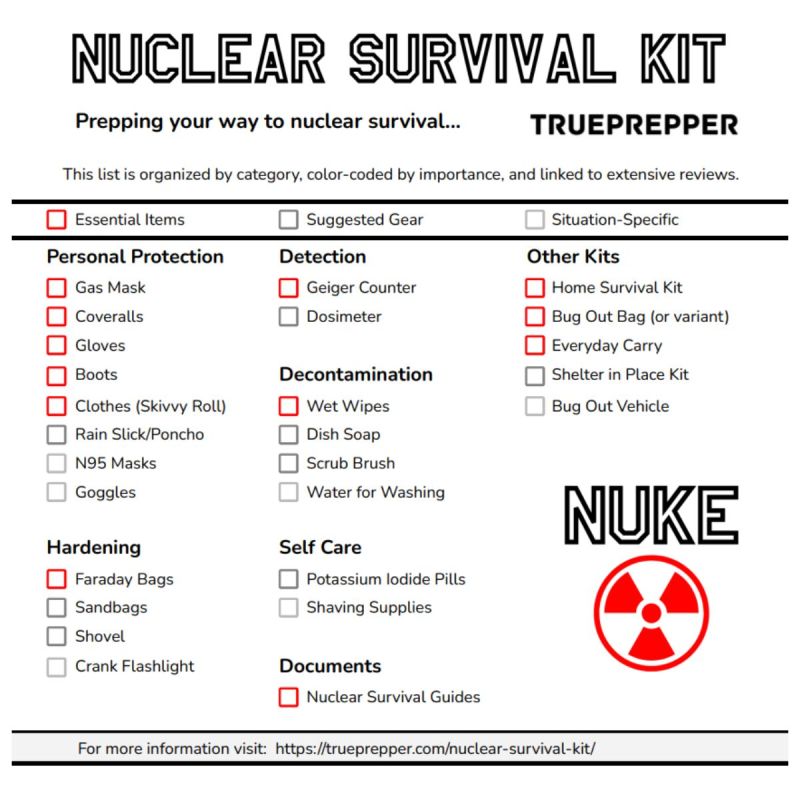
Credit: trueprepper.com
Frequently Asked Questions
What Is A Sas Survival Kit?
A SAS survival kit is a compact, portable set of tools and supplies. It’s designed for survival situations in the wilderness. Originating from the British Special Air Service, it helps with shelter, food, water, and navigation. Essential items include a knife, fire starter, and signaling equipment.
Why Is A Survival Kit Important?
A survival kit is crucial for unexpected emergencies. It ensures you have essential tools to survive in the wild. It helps with navigation, securing food and water, and signaling for help. Having a well-prepared kit can make a significant difference in critical situations.
What Should Be In A Sas Survival Kit?
A SAS survival kit should include a multi-tool, fire starter, and compass. Add a first-aid kit, water purification tablets, and signaling mirror. Include a whistle, fishing line, and small flashlight. Customize based on your environment and survival skills. Regularly update and check your kit.
How To Maintain A Survival Kit?
Regularly check and update your survival kit to ensure readiness. Replace expired items like food and batteries. Ensure tools are in working order and all items are clean. Store it in a dry, accessible location. Periodically practice using the tools to stay prepared.
Conclusion
Creating a SAS survival kit takes planning and care. Choose items that help with shelter, fire, water, and food. Keep your kit small but useful. Practice using your tools often to build confidence. A good kit can support you in tough situations.
Stay prepared and stay safe. Survival skills grow stronger with each step. Your kit is your safety net in the wild.