Imagine being outdoors when the temperature drops, and you need to start a fire quickly to stay warm or cook your food. Do you know how to make a survival fire starter kit that works every time?
Having your own reliable kit can mean the difference between comfort and danger. In this guide, you’ll discover simple, proven ways to create a fire starter kit using items you can find or carry easily. By the end, you’ll feel confident and prepared to light a fire no matter where you are.
Keep reading to learn how to take control of your survival skills right now.

Credit: www.youtube.com
Choosing The Right Materials
Choosing the right materials is key to building a reliable survival fire starter kit. The right components ensure quick ignition and long-lasting fire. This section covers types of fire starters, natural versus commercial choices, and essential tools and supplies. Picking quality items helps you prepare for any outdoor emergency or adventure.
Types Of Fire Starters
Fire starters come in many forms. Each type works best in different conditions. Here are common types:
- Ferrocerium rods create sparks when scraped.
- Magnesium blocks produce hot, easy-to-light shavings.
- Waterproof matches stay dry and ignite quickly.
- Flint and steel produce sparks for traditional fire lighting.
- Firestarter sticks or cubes ignite easily and burn steadily.
Choose types that suit your skill and environment.
Natural Vs Commercial Options
Natural fire starters come from the environment. Examples include dry leaves, pine needles, and birch bark. They are free but can be hard to find when wet.
Commercial options are made for easy lighting. They work even in damp weather. Examples are wax-coated cotton balls and chemical fire starters. These last long in your kit and are very reliable.
Essential Tools And Supplies
Besides fire starters, add tools for safety and convenience. Include:
- A small, sharp knife for preparing tinder and kindling.
- A waterproof container to keep materials dry.
- A striker or metal scraper to ignite ferro rods or flint.
- Tinder material like cotton balls or dryer lint for quick ignition.
These supplies make fire starting faster and easier. Keep your kit light and compact for easy carrying.

Credit: www.amazon.co.uk
Preparing Tinder And Kindling
Preparing tinder and kindling is a crucial part of building a reliable survival fire starter kit. Without dry and easily ignitable materials, starting a fire can become frustrating and time-consuming. Knowing what to gather and how to prepare these materials will save you effort and increase your chances of success in emergency situations.
Best Tinder Materials
Tinder must catch fire quickly with just a small spark or flame. Look for dry, fibrous, and lightweight materials that ignite easily. Some of the best natural tinder includes:
- Dry grass or leaves:Collect them from protected areas where they stay dry.
- Bark shavings:Birch bark is especially good because it contains oils that burn well.
- Cotton balls:Easy to carry and ignite, especially if dipped in petroleum jelly.
- Wood shavings:Use a knife to create fine, fluffy curls from dry wood.
- Pine needles:Fresh ones may be moist, so only use dry, fallen needles.
Have you ever tried lighting damp tinder? It’s nearly impossible. That’s why I always test my tinder before packing it—keeping it dry and fluffy makes all the difference.
Preparing Kindling For Quick Ignition
Kindling bridges the gap between tinder and larger firewood. It needs to catch fire quickly but burn longer than tinder to help build a stable flame. Split small branches into thin sticks, about the diameter of a pencil or smaller.
Arrange kindling so air flows easily around the sticks, helping oxygen feed the fire. Avoid thick or damp pieces, as they slow ignition. You can also feather stick kindling by shaving thin curls from a dry stick—this increases surface area and speeds up burning.
Next time you gather kindling, ask yourself: Is this piece dry and thin enough to ignite fast? If not, spend a few minutes preparing it properly. It can save you from frustration when you need a fire the most.
Assembling The Fire Starter Kit
Assembling a survival fire starter kit requires careful planning and smart organization. This kit must hold all essential items to start a fire quickly and easily. The goal is to keep everything accessible and protected from moisture and damage. A well-assembled kit boosts your chances of making fire in any situation.
Focus on gathering reliable supplies first. Then, store them in a container that fits your needs. Compactness and waterproofing are key factors to consider. Let’s explore how to organize and store your fire starter kit effectively.
Organizing Your Supplies
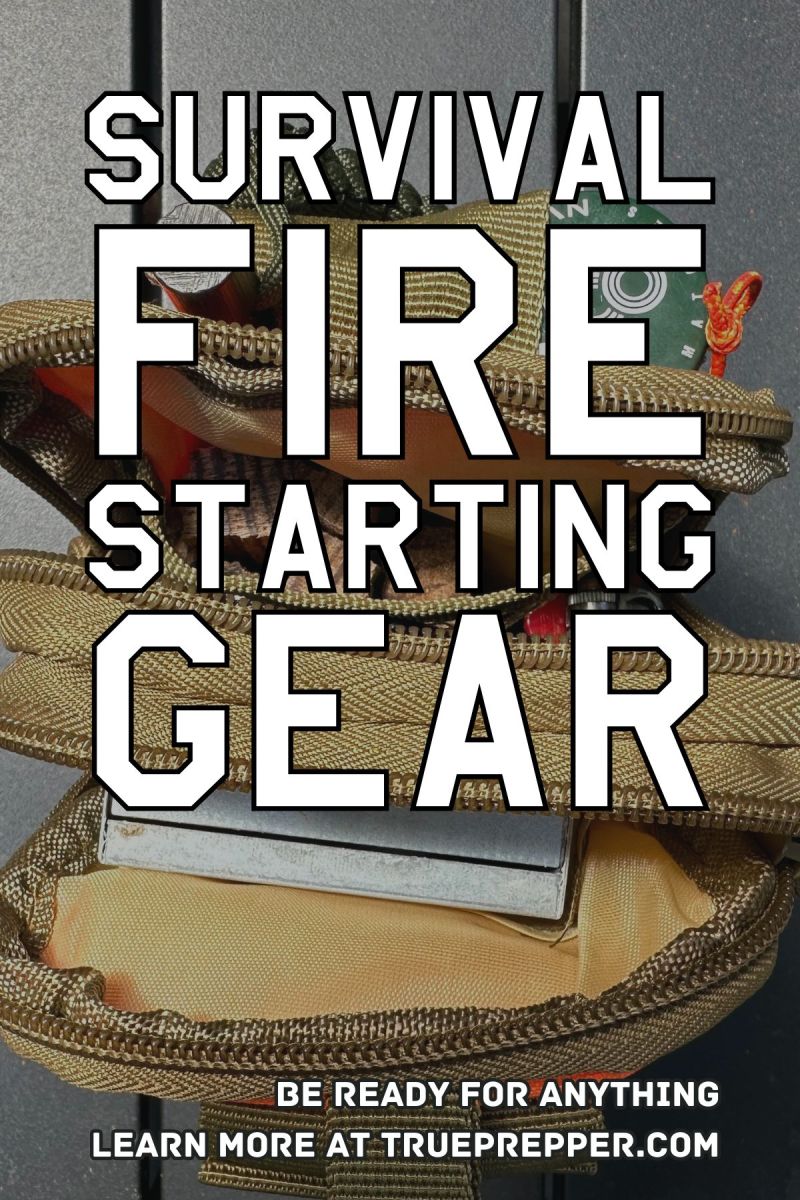
Choose essential items for your fire starter kit. Include:
- Waterproof matches or a lighter
- Flint and steel or ferrocerium rod
- Dry tinder such as cotton balls or dryer lint
- Small knife or blade for preparation
- Candle or wax strips to help ignite
Group items by type and size. Keep small parts in separate compartments or bags. This avoids losing or mixing things during use. Label items if possible. It saves time and reduces stress in emergencies.
Compact And Waterproof Storage Solutions
Select a container that fits your kit size and use. Good options include:
- Small plastic or metal box with a tight lid
- Waterproof pouch with zipper or seal
- Empty mint or pill tin with foam padding
Seal the container well to keep water out. Add silica gel packets or dry sachets to absorb moisture. Make sure the container is easy to carry and access quickly. Attach it to your backpack or belt for convenience.
Techniques For Igniting Fire
Igniting a fire is a skill that can make a huge difference in survival situations. Knowing different techniques helps you adapt to various conditions and materials you have on hand. Your ability to start a fire quickly and efficiently can keep you warm, cook food, and signal for help.
Using Ferro Rods Effectively
Ferro rods are reliable and durable tools that produce hot sparks when scraped. Hold the rod close to your tinder and strike it sharply with a metal striker or the back of a knife blade. The sparks can reach temperatures over 5,000°F, igniting even damp tinder if prepared right.
Practice controlling the angle and force of your strikes to create a shower of sparks. Make sure to gather dry, fine tinder like cotton balls, dry grass, or birch bark to catch the sparks instantly. Have you tested your ferro rod in windy or wet conditions? That experience builds confidence for real emergencies.
Lighting With Matches And Lighters
Matches and lighters are straightforward and often the first go-to for many. Keep waterproof matches in a sealed container to protect them from moisture. Strike matches away from your body and shield them from wind to maintain the flame.
But what if your lighter runs out of fuel? Carry multiple lighters as backups. Consider practice holding the flame close to your tinder without smothering it. Small changes in technique can save precious seconds.
Creating Sparks With Alternative Methods
If you lose your standard fire starters, some alternative ways can still create sparks. Using a battery and steel wool, touch the steel wool to both ends of a 9-volt battery to ignite fine strands. It’s a quick and effective way to start a fire when nothing else works.
Flint and steel is another classic method where a sharp steel edge strikes a piece of flint to create sparks. It requires a bit more skill and patience but is worth learning. Have you tried rubbing two dry sticks together? Friction methods are slow but can work if you have the endurance.
Maintenance And Safety Tips
Maintaining your survival fire starter kit and practicing safe fire techniques are crucial for both your safety and the kit’s reliability. A well-kept kit ensures you can build a fire quickly when needed, while safe fire practices protect you and the environment. Let’s dive into how to keep your kit ready and use it responsibly.
Keeping Your Kit Dry And Ready
Moisture is the enemy of any fire starter kit. Store your kit in a waterproof container or resealable plastic bag to keep it dry.
Check your kit regularly for dampness or damage. Replace any wet tinder or worn-out tools immediately to avoid surprises in an emergency.
Consider adding small silica gel packets to absorb moisture inside the container. Have you ever tried lighting damp tinder? It’s frustrating and wastes precious time.
Safe Fire Practices In The Wild
Always build your fire in a safe, clear area away from flammable materials like dry grass or overhanging branches.
Keep water or dirt nearby to extinguish the fire quickly if needed. Never leave a fire unattended, even for a moment.
Before leaving, make sure the fire is completely out by dousing it with water and stirring the ashes until cold. Think about how easy it is to prevent a wildfire by just being cautious.
- Use a fire ring or build a fire pit to contain flames.
- Check local fire regulations and bans to avoid fines or dangers.
- Avoid using accelerants like gasoline, which can cause uncontrollable flames.

Credit: www.amazon.co.uk
Frequently Asked Questions
What Essential Items Are Needed For A Survival Fire Starter Kit?
A survival fire starter kit needs waterproof matches, a ferrocerium rod, cotton balls, and dry tinder. These items help ignite fire quickly in any weather. Compact and lightweight tools ensure easy carrying during outdoor activities or emergencies.
How Do You Use A Ferrocerium Rod To Start Fire?
Strike the ferrocerium rod firmly with a metal striker or knife edge. Sparks will ignite the tinder placed nearby. This method works well even in wet conditions and produces a hot, reliable flame for survival situations.
Can Household Items Be Used In A Fire Starter Kit?
Yes, household items like cotton balls soaked in petroleum jelly and dryer lint work great. They catch sparks easily and burn longer. These materials are affordable, lightweight, and enhance fire-starting efficiency in survival kits.
How To Keep Fire Starter Kit Dry And Ready?
Store your fire starter kit in a waterproof container or resealable plastic bag. Moisture can ruin tinder and matches. Keeping items dry ensures they function properly when you need them most in emergencies.
Conclusion
Crafting a survival fire starter kit is simple and practical. Essential for outdoor adventures, it ensures warmth and safety. Gather basic materials like matches, lighters, and tinder. Pack them in a waterproof container. Knowledge of fire-making techniques enhances your preparedness.
Practice builds confidence in emergency situations. Remember, a well-prepared kit can be a lifesaver. Use it wisely in the wild. Stay safe and enjoy nature’s beauty. Always respect the environment while using fire. This guide helps you be ready and responsible outdoors.
Embrace the adventure with your fire starter kit in hand.