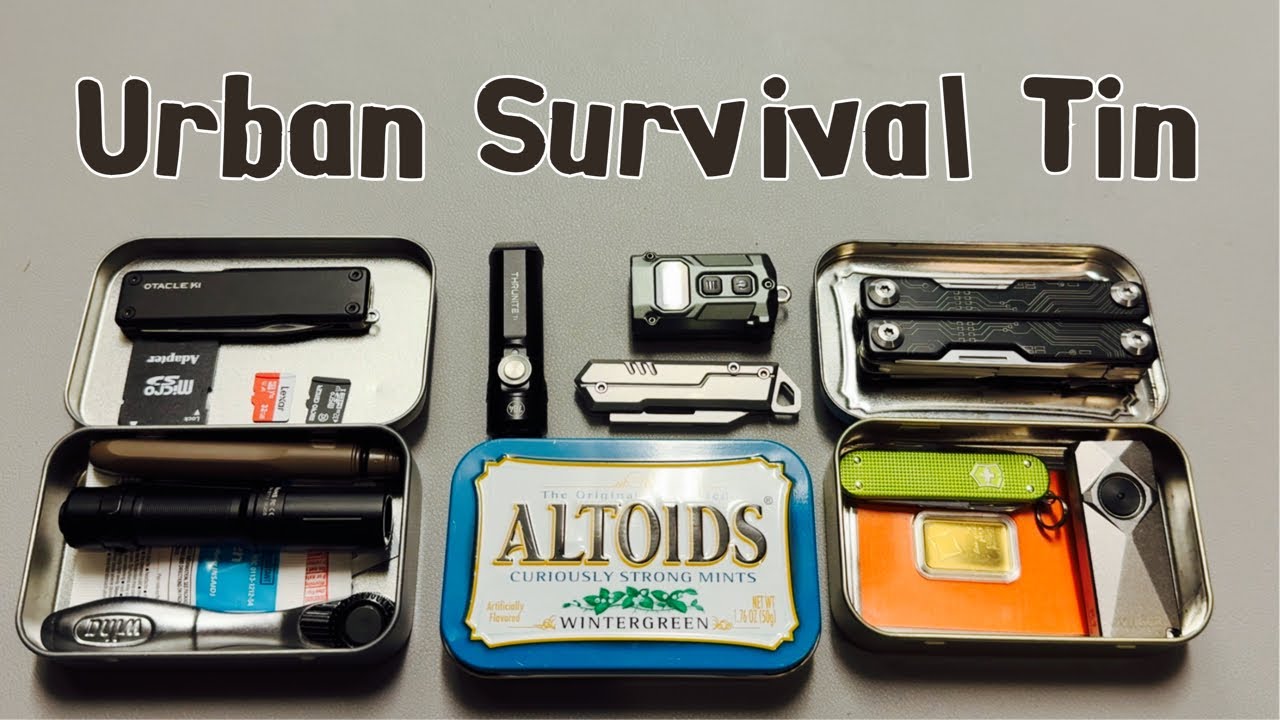
Imagine having everything you need to handle an emergency, all packed neatly into something as small as an Altoids tin. You might think it’s impossible, but building a survival kit that fits in this tiny container is easier than you expect.
Whether you’re heading out for a hike, preparing for unexpected situations, or just want peace of mind, this simple kit can be a real lifesaver. Keep reading, and you’ll discover exactly what to include and how to organize your survival essentials so you’re ready for anything—without carrying a bulky bag.
Your safety could depend on it.
Choosing The Right Altoids Tin
Choosing the right Altoids tin is the foundation of your survival kit’s success. Not all tins are created equal, and selecting one that matches your needs can save you time and frustration later. Think about how you plan to use the kit and what you want to carry inside before picking your tin.
Size And Durability
Size matters more than you might expect. Altoids tins come in different sizes, but the classic mint tin usually offers a good balance of space and portability. If your survival kit needs to fit in a pocket, the standard size is perfect, but for more gear, consider the larger tins or even stacking two together.
Durability is just as important as size. The tin should withstand rough handling without bending or breaking. I once trusted a flimsy tin, only to find it crushed after a day on a hiking trail. Look for tins made from thicker metal or ones with a secure lid that won’t pop open unexpectedly.
Preparing The Tin
Before packing, clean your tin thoroughly. Wash it with warm soapy water to remove any leftover mint oils or residue, then dry it completely to avoid rust. This step might seem small, but it ensures your gear stays dry and your kit lasts longer.
Consider adding a lining inside the tin. A thin layer of foam or felt can protect delicate items like matches or small tools from rattling and damage. You can even cut small compartments to keep things organized and easy to find when every second counts.
Have you thought about making your tin waterproof? Applying a thin bead of silicone around the lid’s edge can help keep moisture out. This simple modification could be the difference between a usable kit and soggy disappointment in a wet survival situation.
Essential Survival Items
A well-prepared survival kit fits easily in an Altoids tin. It holds essential items needed for emergency situations. Choosing the right tools and supplies ensures safety and comfort. Focus on compact, lightweight, and multi-use items. Every item must serve a clear purpose.
Fire Starting Tools
- Tiny waterproof matches or a mini lighter
- Magnesium fire starter for sparks
- Small piece of tinder, like cotton balls with petroleum jelly
Water Purification
- Water purification tablets for safe drinking
- Small folded metal or plastic straw for filtering
- Miniature container or bag to hold water
First Aid Supplies
- Adhesive bandages of various sizes
- Small alcohol wipes for cleaning wounds
- Miniature antiseptic ointment packet
- Tiny tweezers for splinter removal
Navigation Aids
- Small compass to find direction
- Tiny mirror for signaling
- Miniature folded map of local area
Food And Nutrition
- High-energy snacks like nuts or dried fruit
- Small packets of protein powder
- Compact chewing gum or mints for morale
Packing Techniques
Packing a survival kit in an Altoids tin requires smart techniques. The small space demands careful planning. Proper packing keeps your items organized and easy to find. It also helps fit more gear in a tight space. Follow these tips to pack efficiently and securely.
Organizing Small Items
Group similar items together. Use tiny plastic bags or small containers. This prevents items from scattering inside the tin. Label each group if possible. Keep sharp objects separate from fragile ones. Prioritize essentials like matches, bandages, and fishing hooks. Neat organization saves time during emergencies.
Maximizing Space
Use every inch of the tin’s interior. Flatten bandages and fold cloth tightly. Remove excess packaging from items. Stack items based on size and shape. Place flat items at the bottom and bulky ones on top. Consider layering with small foam or paper to avoid shifting. Compact packing allows more tools in less space.
Securing Contents
Prevent items from moving around during travel. Use foam inserts or cotton balls for cushioning. Wrap fragile items in tissue or plastic wrap. Tighten the tin’s lid securely. Add a small rubber band around the tin for extra hold. Securing contents protects your gear and keeps it ready to use.

Credit: grimworkshop.com
Customizing Your Kit
Customizing your Altoids tin survival kit is essential to make sure it fits your unique situation. Everyone’s needs and environments differ, so a one-size-fits-all kit won’t work effectively. Tailoring your kit helps you be ready for the specific challenges you might face.
Adapting To Different Environments
Your survival kit should reflect the environment where you plan to use it. If you’re heading into a forest, add waterproof matches, a small compass, and insect repellent. In desert conditions, include extra water purification tablets and a compact sunblock stick.
Think about the climate and terrain. Cold weather demands hand warmers or a small emergency blanket, while urban survival might prioritize a multi-tool and a portable phone charger. Adjusting your kit saves space and ensures every item has a purpose.
Personalizing For Specific Needs
Consider your personal health and skill level when choosing what to pack. If you have allergies, include antihistamines or an EpiPen if needed. You might want to add a tiny first aid kit with bandages and antiseptic if you’re not confident in your medical skills.
Ask yourself what tasks you might face. Are you good at starting fires with a ferro rod, or do you prefer waterproof matches? Customizing your kit around your strengths makes it easier to use under stress. What one item could you never do without in an emergency?
Maintenance And Updates
Keeping your Altoids tin survival kit ready is key for emergencies. Regular maintenance ensures each item works when needed. Updates keep the kit useful and tailored to your needs. Check your kit often to avoid surprises during an emergency.
Regular Checks
Open your kit every few months. Check if all items are in place and intact. Look for signs of damage or moisture. Test tools like flint or whistle to ensure they function. Clean the tin to prevent rust and dirt buildup. Make notes of anything missing or broken.
Replacing Expired Items
Some items in the kit have a shelf life. Replace food, medicine, and batteries before they expire. Check expiration dates printed on packaging. Swap out old items with fresh ones. Keep a list of expiration dates to track replacements. Avoid using damaged or degraded supplies in your kit.

Credit: grimworkshop.com
Using Your Kit In Emergencies
Using your Altoids tin survival kit in emergencies can make a big difference. It holds essential items in a small space. Knowing how to access and use these tools fast is important. Being prepared helps you stay calm and act smart.
Quick Access Tips
- Keep the tin in an easy-to-reach place.
- Practice opening the tin quickly without fumbling.
- Organize items inside so you find them fast.
- Use small, clear containers or bags for grouping items.
- Check your kit often to keep items ready and fresh.
Basic Survival Strategies
Start by assessing your situation calmly. Find shelter to protect yourself from weather. Use the kit’s fire-starting tools to make warmth and signal for help. Drink clean water using purification tablets or a small filter. Use the kit’s bandages and antiseptic for minor wounds. Ration food items to last longer. Stay visible and make noise to attract rescuers. Always plan your next move carefully.

Credit: grimworkshop.com
Frequently Asked Questions
What Is An Altoids Tin Survival Kit?
An Altoids tin survival kit is a compact emergency kit. It fits into a small Altoids tin. This kit contains essential items for survival. It’s ideal for hiking, camping, or emergencies. It’s lightweight, portable, and easy to assemble. You can customize it based on your needs.
What Items Should Be In The Kit?
Your kit should include basic survival items. Consider a mini flashlight, matches, and a whistle. Add a small knife, band-aids, and a compass. Include a water purification tablet and some fishing line. Customize the contents based on your environment.
How Do You Organize The Survival Kit?
Start by laying out all items. Place the flat items at the bottom. Arrange items by size and necessity. Keep frequently used items on top. Use small bags to group similar items. Ensure the tin closes securely without forcing.
Why Use An Altoids Tin For A Survival Kit?
An Altoids tin is compact and durable. It’s easy to carry in a pocket or bag. The metal case protects contents from damage. It’s water-resistant when sealed properly. Its small size encourages prioritizing essentials. It’s a cost-effective solution for a personal survival kit.
Conclusion
Building a survival kit in an Altoids tin saves space and keeps essentials close. Each item has a clear purpose for safety and basic needs. Carrying this tiny kit can bring peace of mind during emergencies. Start small, add useful tools, and customize it for your needs.
Practice using your kit so you stay prepared. This simple project helps you stay ready in any situation. A well-packed tin can make a big difference when it counts. Stay safe and keep your kit handy at all times.