Imagine having a tiny, powerful survival kit that fits right in your pocket. You might think it’s impossible, but with an Altoids tin, you can create a compact, life-saving kit that’s ready whenever you need it.
Whether you’re a hiker, camper, or just want to be prepared for emergencies, this simple project puts essential tools at your fingertips. In this guide, you’ll discover exactly how to build your own survival kit step-by-step. Keep reading, and you’ll be amazed at how easy it is to carry peace of mind wherever you go.

Credit: grimworkshop.com
Choosing The Right Altoids Tin
Choosing the right Altoids tin is the first step in making a compact survival kit. The tin must hold essential items while being strong enough for outdoor use. Picking the correct tin helps keep your gear safe and easy to carry.
Size And Durability
Altoids tins come in different sizes. The classic tin is small and fits in a pocket easily. Larger tins offer more space for extra tools and supplies.
Durability matters most. Pick a tin made of sturdy metal. It should resist dents and protect items inside. A strong lid ensures the tin stays closed during travel.
Cleaning And Preparing The Tin
Start by cleaning the tin thoroughly. Wash it with warm, soapy water to remove any dirt or residue. Dry the tin completely to avoid rust.
Remove the paper label if you want a smooth surface. Sand the edges lightly to prevent cuts. Adding a small rubber gasket can improve water resistance.
Essential Survival Items To Include
Choosing the right items for a survival kit in an Altoids tin is crucial. Space is limited, so every item must serve a vital purpose. Focus on essentials that help with shelter, warmth, navigation, food, water, and first aid. Prioritize compact, lightweight, and multi-use tools. This approach ensures readiness for emergencies in a tiny package.
Fire Starting Tools
- Waterproof matches
- Mini lighter
- Flint striker
- Tiny fire steel rod
- Tinder like cotton balls or dryer lint
Fire provides warmth, cooks food, and signals for help. Keep fire starters dry and easy to access.
First Aid Supplies
- Small adhesive bandages
- Antiseptic wipes
- Medical tape
- Tiny gauze pads
- Mini pain relief tablets
Minor injuries need quick care. First aid items protect wounds and prevent infection.
Water Purification Methods
- Water purification tablets
- Small portable filter
- Aluminum foil for boiling water
Clean water is essential to avoid sickness. Carry lightweight and easy-to-use purification tools.
Food And Nutrition
- High-energy snacks like nuts or energy bars
- Compact fishing hooks and line
- Small packets of peanut butter or honey
Energy is crucial for survival tasks. Include foods that last long and provide quick energy.
Navigation Aids
- Mini compass
- Folded map of the local area
- Whistle for signaling
Navigation tools help find direction and alert rescuers. Choose items that fit easily inside the tin.
Shelter And Warmth
- Emergency space blanket
- Small plastic sheet or poncho
- Paracord for building shelter
Protect from cold and elements. Compact shelter items are vital for survival comfort.
Organizing Your Kit Efficiently
Organizing your survival kit inside an Altoids tin requires smart planning. Every item must fit well and stay accessible. A neat layout saves time during emergencies. It also keeps your kit ready for any situation. Proper organization helps maximize the small space of the tin.
Layering And Compartmentalizing
Use layers to separate different types of items. Place flat objects like matches or bandages at the bottom. Stack bulkier items on top to avoid crushing. Create compartments with small dividers or folded paper. This stops items from mixing and cluttering.
Organizing by use or size makes sense. Keep first-aid supplies in one layer. Emergency tools like a small knife or whistle go in another. This way, you find what you need fast without digging.
Using Small Containers And Bags
Small containers or zip-lock bags add extra order. Use tiny containers for pills, matches, or fishing hooks. Label the bags to spot contents quickly. This prevents spills and keeps items dry.
Plastic bags save space and protect items from moisture. Seal them well to avoid leaks. Group similar items together in one bag. It keeps your kit tidy and items easy to reach.

Credit: grimworkshop.com
Customizing For Specific Environments
Customizing your Altoids tin survival kit to fit the environment you expect to face is crucial. Each setting demands different tools and supplies to keep you prepared and safe. You want your kit to be compact yet efficient, tailored to the challenges you might encounter.
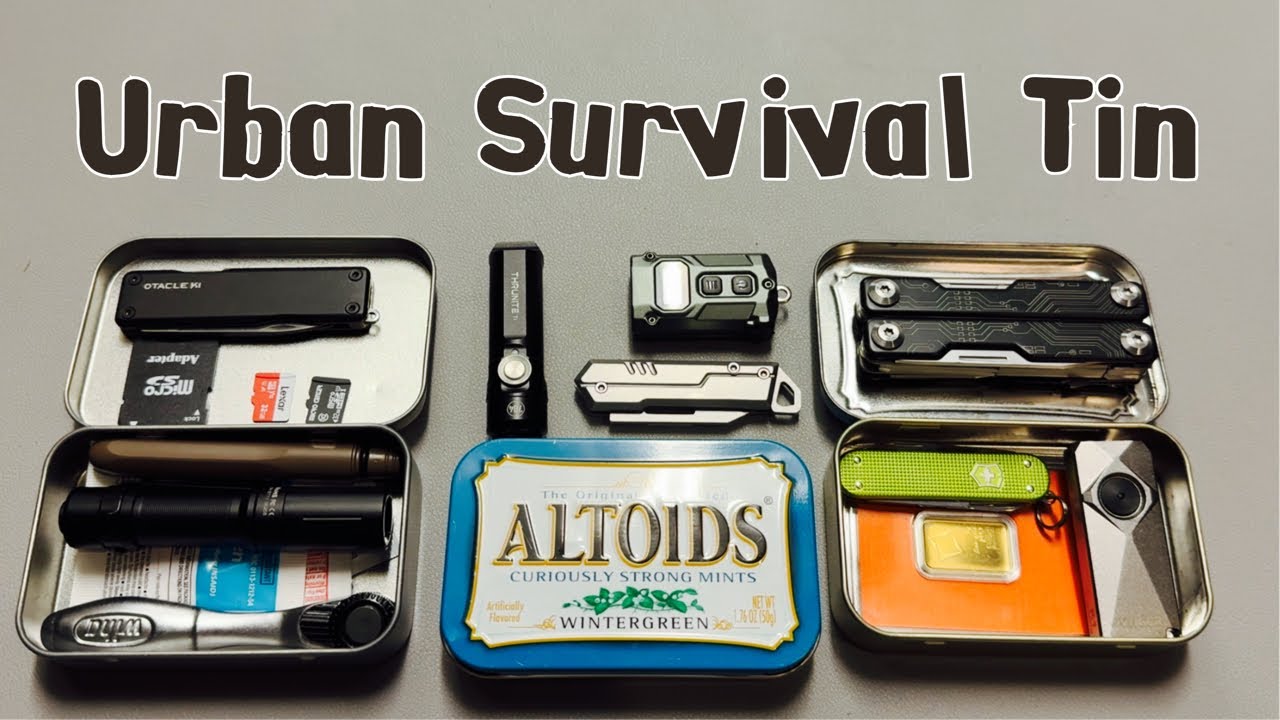
Urban Survival
In an urban setting, your kit should focus on navigation, communication, and basic first aid. Add items like a small flashlight with extra batteries, a whistle for signaling, and a compact multi-tool that includes a screwdriver and scissors. Consider slipping in a few paper clips or safety pins—they can be surprisingly useful for quick fixes.
Think about your daily commute or a potential power outage. Would a small amount of cash or a copy of important phone numbers fit inside? These can make a big difference when your phone battery dies or ATMs are down.
Wilderness Survival
For the wilderness, prioritize fire starters, water purification, and food sources. Include waterproof matches or a mini lighter, a small water filter straw, and high-energy snacks like dehydrated fruit or nuts. A tiny fishing kit or snare wire can be a game-changer if you’re stranded longer than expected.
Don’t forget a compact emergency blanket and a small first aid kit tailored for cuts, insect bites, and blisters. Have you tested how easy it is to use your gear in the dark or cold? Practicing now can save you valuable time later.
Cold Weather Adaptations
Cold environments demand warmth and protection against frostbite. Pack hand warmers, lip balm, and a small tube of sunscreen to protect against sun reflecting off snow. A mini candle or solid fuel tablets can provide emergency heat and light.
Include extra insulation like a small packable glove liner or a thin fleece hat. Keeping your core warm is vital, and these small items can prevent hypothermia. What’s the coldest condition you’ve prepared for with your kit?
Maintaining And Updating The Kit
Keeping your survival kit ready is crucial for any emergency. Regular care helps the kit serve its purpose well. Updating the kit ensures it fits your current needs and environment.
Regular Checks And Replacements
Check your Altoids tin survival kit every few months. Look for expired items like medications and food. Replace used or damaged supplies quickly. Keep batteries fresh to power devices when needed. Clean the tin to avoid rust or dirt buildup. Make a checklist to track what needs updating each time.
Adapting To Seasonal Changes
Change your kit contents based on the season. Add sunscreen and insect repellent for summer. Include hand warmers and extra matches in winter. Adjust clothing items for colder or warmer weather. Consider local weather risks like floods or storms. This keeps your kit useful year-round and ready for any situation.

Credit: grimworkshop.com
Tips For Carrying And Using The Kit
Carrying and using your Altoids tin survival kit effectively can make all the difference in an emergency. You want it to be accessible yet secure, so it’s ready when you need it most. Let’s dive into how to keep your kit handy and put it to good use in real situations.
Attachment And Portability
Think about where you’ll carry your kit daily. Attaching it to your keychain or backpack with a small carabiner keeps it within reach without adding bulk. You can even slip it into a pocket, but make sure it won’t get lost or crushed.
Waterproofing the tin with a rubber band or small pouch protects the contents from moisture. Consider wrapping it in paracord—not just for grip but because you get extra cord for emergencies. Have you tried attaching your kit to the inside of a jacket or belt? It’s a discreet option that prevents snagging on branches or gear.
Practical Use Scenarios
Picture this: You’re out hiking and your phone dies. Your kit can help start a fire with waterproof matches or a mini flint striker inside the tin. Carrying a tiny fishing line and hooks could turn a stressful moment into a manageable one by catching food.
Another situation could be a sudden power outage at home. Your Altoids tin might have a small flashlight, band-aids, and antiseptic wipes—just enough to handle minor injuries or navigate in the dark. How would you use your kit if stranded in a car or lost in a city? Thinking through these scenarios helps you customize what you pack.
Keep testing your kit in everyday settings. This way, you’ll know what works, what’s missing, and how to improve it before an actual emergency hits.
Frequently Asked Questions
What Items Should I Include In An Altoids Tin Survival Kit?
Include essentials like a small knife, waterproof matches, fishing line, mini first aid, and a whistle. These fit well and cover basic survival needs in a compact space.
How Do I Waterproof My Altoids Tin Survival Kit?
Seal the tin with silicone or use a small ziplock inside. This keeps moisture out and protects your survival items from water damage.
Can An Altoids Tin Hold Enough Supplies For Emergencies?
Yes, it holds small, essential items for short-term survival. It’s ideal for lightweight, compact gear but not for long-term survival needs.
How To Organize Items Inside An Altoids Tin Efficiently?
Use small plastic bags, foam inserts, or tiny containers. This keeps items secure, prevents damage, and maximizes space inside the tin.
Conclusion
Creating a survival kit with an Altoids tin is simple. You pack essential items in a small, portable container. This kit fits in your pocket, ready for emergencies. It’s smart to stay prepared for unexpected situations. A compact kit can make a big difference.
You have learned to use space wisely. This skill is valuable for travel or daily life. Remember to check and update your kit regularly. Always adapt it to your personal needs. With a little effort, you can carry peace of mind wherever you go.
Stay safe and prepared!