Imagine being in a situation where clean water is hard to find. Would you be ready?
Creating a water bottle survival kit can be the simple step that saves your life. In this guide, you’ll learn exactly what to pack and how to prepare your kit so you can stay safe and hydrated no matter where you are.
Keep reading, because your safety might depend on what you do today.
Choosing The Right Bottle
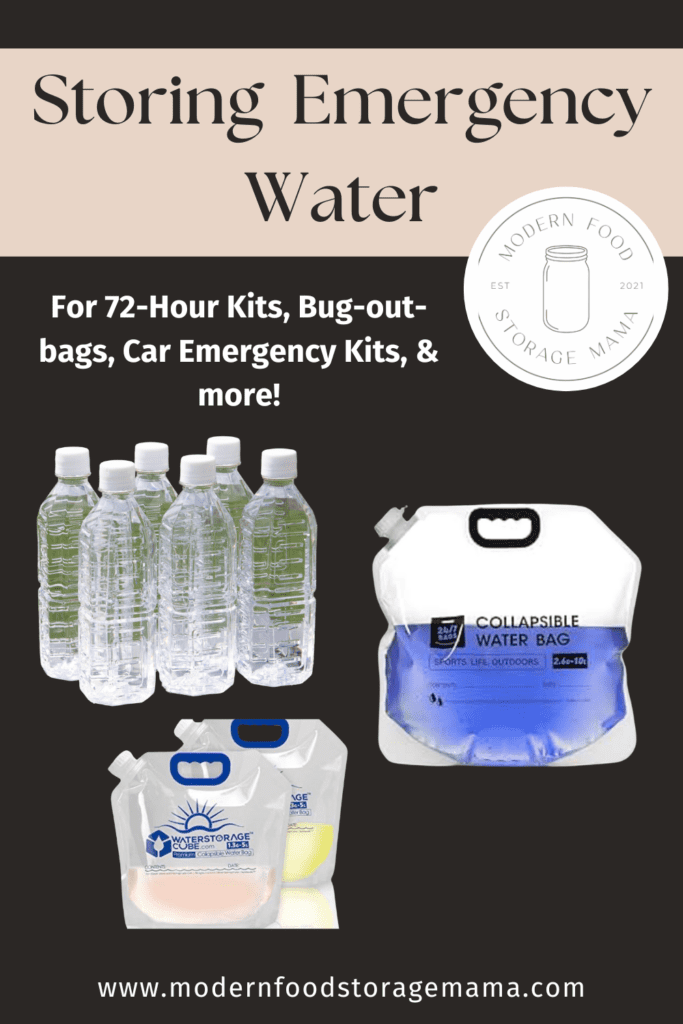
Choosing the right bottle for your water bottle survival kit is more important than you might think. The bottle you pick affects not only how much water you can carry but also how well it will hold up in tough situations. Think about what you need most: durability, size, or the material. Your choice can make a big difference when you’re out in the wild or facing an emergency.
Material Options
Water bottles come in various materials, each with its pros and cons. Plastic bottles are lightweight and affordable, but not all plastics are BPA-free or safe for long-term use. Stainless steel bottles are sturdy and resist rust, making them great for rough conditions, though they can be heavier.
Glass bottles provide a clean taste but break easily. If you want a bottle that can double as a cooking pot, look for food-grade metal options. Ask yourself: Will your bottle be exposed to fire or extreme cold?
Size Considerations
How much water you carry depends on your activity and the environment. A smaller bottle (around 500ml) is easy to carry and refill frequently, but it might not hold enough water for long trips. Larger bottles (1 liter or more) reduce refill trips but add weight and bulk.
Think about your daily water needs. Are you hiking in hot weather or a short walk through the park? Also, consider how your bottle fits in your pack or survival kit. Could a compact bottle save you space without sacrificing hydration?
Durability Factors
Durability is key when your survival kit faces rough use. Look for bottles with thick walls or reinforced designs that resist dents and cracks. Some bottles have protective sleeves or caps to prevent damage during drops.
Check if the bottle is leak-proof and can handle pressure changes, especially if you travel by air or climb mountains. I once had a plastic bottle crack during a camping trip, and it taught me to prioritize toughness over style. What’s your survival priority: weight or strength?

Credit: www.youtube.com
Essential Survival Items
Building a water bottle survival kit requires packing the right items. Essential survival items can save lives in tough situations. These items fit inside a water bottle for easy carrying. Each item has a specific purpose that helps with shelter, food, safety, and rescue.
Water Purification Tools
- Water purification tablets to kill germs
- Small portable water filter straw
- Boiling instructions for safe water
- Reusable water bottle with tight seal
Fire Starting Materials
- Waterproof matches in a sealed container
- Mini lighter with extra fuel
- Firestarter sticks or cotton balls with wax
- Flint and steel for sparks
First Aid Supplies
- Adhesive bandages of various sizes
- Antiseptic wipes or small ointment tubes
- Small roll of medical tape
- Tweezers for splinter removal
Fishing And Trapping Gear
- Fishing line spool and small hooks
- Mini sinkers and bobbers
- Wire snares for small animals
- Safety pins to create makeshift traps
Signaling Devices
- Small whistle for audible signals
- Reflective mirror to catch sunlight
- Bright colored cloth strips
- Compact flashlight with extra batteries
Packing Techniques
Packing a water bottle survival kit is more than just stuffing items inside. How you arrange your gear can mean the difference between a quick rescue and frustrating delays. Smart packing techniques help you save space, protect your supplies, and find what you need without wasting time.
Maximizing Space
Think about every inch inside your water bottle. Use small, flexible containers or resealable bags to hold items like matches, fishing hooks, or first aid supplies. Rolling bandages tightly and compressing cotton balls can free up extra room.
Remove unnecessary packaging from items before packing. For instance, take batteries out of bulky cases and wrap them in plastic to avoid shorts. Are there multi-use items you can add, like a small knife that also functions as a screwdriver?
Waterproofing Tips
Protecting your supplies from water damage is crucial. Use waterproof bags or double-seal plastic bags to shield delicate items like matches, medication, or paper instructions. Wrapping items in wax paper before sealing can add an extra moisture barrier.
Consider small, airtight containers for powder or tablets. These not only keep moisture out but also prevent spills. Have you tested your waterproofing by submerging a packed bottle in water? It’s worth the extra effort.
Organizing For Accessibility
Imagine needing a fire starter quickly—can you grab it without dumping everything? Organize your kit by grouping similar items together in clear bags or compartments. Label bags or use colored tape to identify contents at a glance.
Place the most critical items near the top or in the easiest-to-reach spot. This saves precious seconds in emergencies. What items do you think should always be within immediate reach in your survival kit?

Credit: mendovoice.com
Customizing For Different Environments
Every environment presents unique challenges for survival. Tailoring your water bottle survival kit ensures you carry the right tools for each setting. A kit designed for the forest won’t work well in the city or desert. Focus on items that match your surroundings to increase your chances of staying safe and hydrated.
Forest And Wilderness Kits
In wooded areas, water sources are often nearby but may need treatment. Include a compact water filter or purification tablets. Pack a small fire starter for warmth and cooking. Add a whistle for signaling and a small knife for cutting branches or food. Waterproof matches or a lighter help in wet conditions. Consider a compact first aid kit for minor injuries.
Urban Survival Additions
City environments require different tools. Carry a small flashlight with extra batteries. Add a multi-tool with pliers and screwdrivers for repairs. Include a portable phone charger for communication. Pack a dust mask to protect from pollution or debris. A small roll of duct tape can fix many problems. Add cash in small bills for emergencies where cards fail.
Desert And Arid Conditions
Desert kits focus on hydration and sun protection. Carry extra water purification tablets or drops. Include a collapsible cup to measure and drink water easily. Pack sunscreen and lip balm with SPF. Add a wide-brimmed hat or a lightweight cloth for shade. A compact mirror can signal for help under bright sunlight. Keep electrolyte tablets to prevent dehydration.
Maintenance And Updates
Keeping your water bottle survival kit ready is vital. Regular maintenance ensures all items work when needed. Updates prevent surprises during emergencies. Small checks save big troubles later.
Replacing Expired Items
Check every item’s expiration date. Replace water purification tablets, medications, and food packets on time. Expired items lose effectiveness or become unsafe. Keep a list of expiry dates for easy tracking.
Checking Bottle Integrity
Inspect the water bottle for cracks or leaks. Use a clean cloth to wipe the surface and check for damage. A broken bottle can ruin the kit’s purpose. Replace the bottle if signs of wear appear.
Seasonal Adjustments
Adjust the kit based on the season. Add extra water in hot months. Include warm gear or heat packs in cold seasons. Change food items to suit weather conditions. Seasonal changes keep the kit practical and effective.

Credit: grimworkshop.com
Frequently Asked Questions
What Is A Water Bottle Survival Kit?
A water bottle survival kit is a compact emergency kit stored in a water bottle. It contains essential survival items like a fire starter, multi-tool, and first aid supplies. This kit is portable and convenient for outdoor adventures. It ensures you have basic survival necessities in one easy-to-carry container.
How Do I Choose The Right Water Bottle?
Choose a durable, wide-mouthed bottle with a secure lid. It should be made of lightweight, non-toxic material. A transparent bottle helps you see the contents easily. Ensure it’s large enough to fit essential items, yet compact for easy carrying. Consider bottles with a loop for attaching to bags.
What Items Go Inside The Survival Kit?
Include a fire starter, multi-tool, and first aid supplies. Add water purification tablets, a flashlight, and a whistle. Emergency blankets and paracord are also useful. Customize based on your specific needs and environment. Ensure all items are compact and lightweight to fit comfortably inside the bottle.
Why Is A Survival Kit Important?
A survival kit provides essential tools and supplies in emergencies. It increases your chances of staying safe during unexpected situations. Whether hiking, camping, or traveling, having a kit ensures you’re prepared. It offers peace of mind and can be life-saving in critical situations.
Conclusion
Creating a water bottle survival kit takes just a few steps. Keep essential items like water, matches, and a small first aid kit inside. This kit helps you stay safe in emergencies. Carry it with you on trips or hikes.
Being prepared can make a big difference. Stay calm and use your kit wisely. Small efforts can protect your health and safety. Make your own kit today and feel more secure.