Exams can feel overwhelming, but what if you had a secret weapon to help you stay calm, focused, and ready? Creating an exam survival kit is exactly that—a simple way to boost your confidence and keep stress at bay.
Imagine having everything you need right at your fingertips, so nothing catches you off guard. You’ll discover easy steps to build your own kit, packed with essentials that support your mind and body. Ready to make exam time smoother and more manageable?
Let’s get started!

Credit: www.teacherspayteachers.com
Gathering Study Materials
Gathering your study materials is the foundation of creating a successful exam survival kit. Without the right resources, your preparation can become scattered and less effective. Focus on collecting everything you need to study smart, not just hard.
Choosing Key Resources
Start by identifying the most important materials for your exam. Textbooks, lecture slides, and past exam papers usually hold the core information you need. Don’t overload yourself—pick resources that cover your syllabus thoroughly and are easy to understand.
Think about what helped you learn best in the past. Was it videos, summary notes, or textbooks? Grab those resources first to make your study time more productive.
Organizing Notes Effectively
Disorganized notes can waste your time and cause unnecessary stress. Group your notes by topic or chapter to find what you need quickly during revision. Use folders, binders, or digital apps to keep everything tidy and accessible.
Highlight key points and add your own summaries to reinforce understanding. When was the last time you reviewed your notes and realized some parts could be clearer? Try rewriting confusing sections—it makes a big difference.
Selecting Helpful Study Tools
Choose tools that support your learning style and keep you motivated. Flashcards, mind maps, or quiz apps can boost memory and make studying less boring. Don’t forget practical items like highlighters, sticky notes, and timers to manage your sessions.
Have you ever tracked how long you actually study before losing focus? Using a timer can help you maintain concentration and avoid burnout. Pick tools that help you stay organized and focused rather than distracting you.
Packing Healthy Snacks
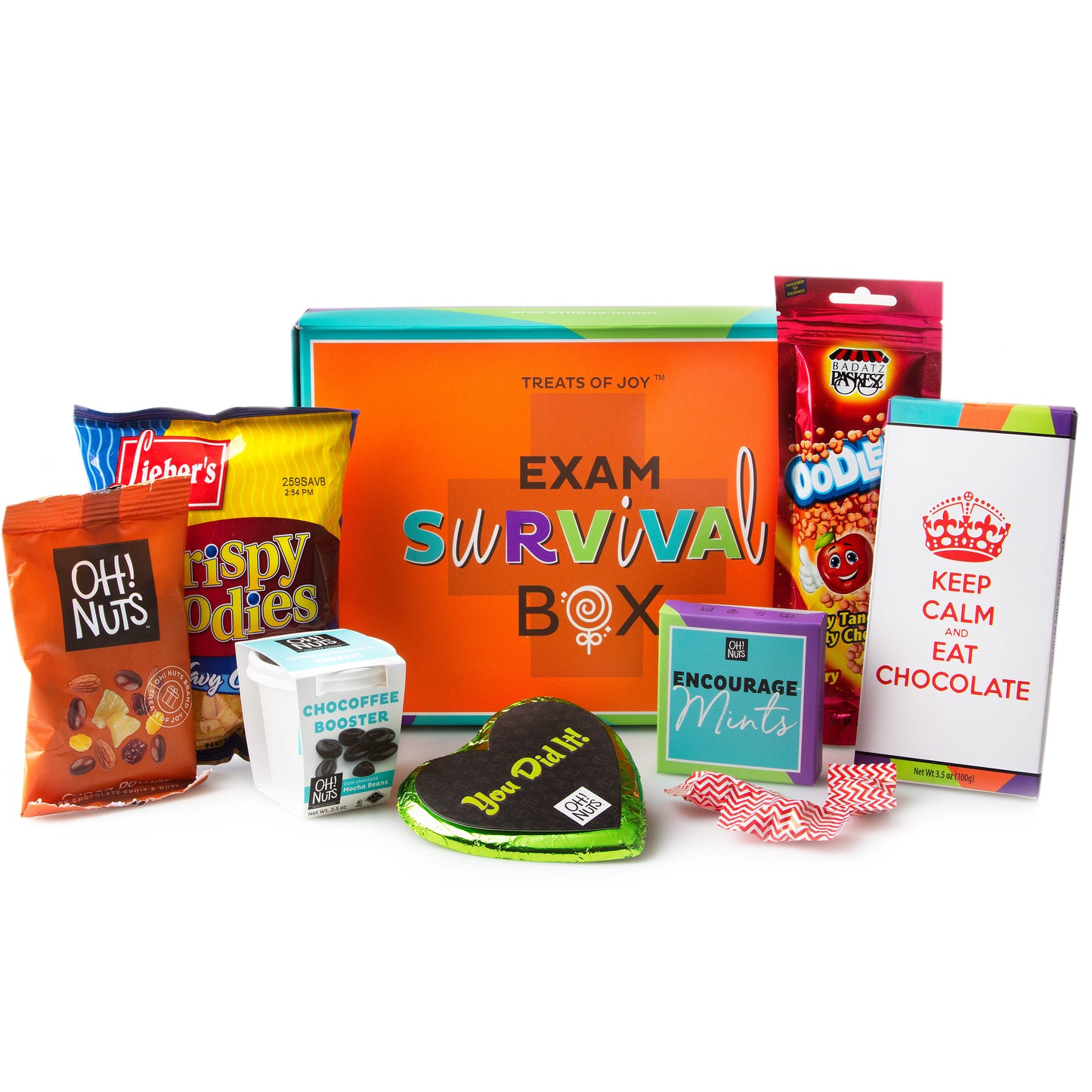
Packing healthy snacks for your exam survival kit can make a huge difference in how you feel and perform during those long study sessions and exam days. Choosing the right foods keeps your energy steady and your mind sharp. Let’s look at what snacks you should bring along to fuel your brain and keep you hydrated.
Brain-boosting Foods
Snacks rich in omega-3 fatty acids, like walnuts and flaxseeds, support memory and focus. Berries, especially blueberries, are packed with antioxidants that protect your brain cells from stress. Dark chocolate in small amounts can improve concentration and mood, making it a smart treat during breaks.
Don’t forget protein sources like Greek yogurt or a handful of almonds—they help sustain energy without spikes and crashes. Have you noticed how you feel sluggish after sugary snacks? Choosing these brain-friendly foods can prevent that crash and keep you alert.
Easy-to-carry Options
Choose snacks that are portable and mess-free. Trail mix, granola bars without added sugars, and dried fruit fit perfectly in your bag. They don’t require refrigeration and are easy to grab between study sessions or even during a quick break in the exam hall.
Fresh veggies like baby carrots or snap peas also work well and add a satisfying crunch. You might want to try packing single-serving nut butter packs to pair with apple slices—they’re tasty and convenient. What’s your go-to snack that’s both healthy and easy to carry?
Hydration Essentials
Staying hydrated is just as important as eating well. Carry a refillable water bottle to sip throughout the day. Adding slices of lemon or cucumber can make water more refreshing and encourage you to drink more.
Avoid sugary drinks that cause energy dips. Herbal teas, like peppermint or chamomile, can be calming and help reduce exam stress. How often do you stop to drink water during your study marathon?
Including Stress Relief Items
Including stress relief items in your exam survival kit can make a real difference in how you handle pressure. These items help calm your mind and keep your focus sharp during intense study sessions or the exam itself. Think about what helps you relax quickly and add those things to your kit to stay balanced and confident.
Calming Techniques
Simple calming techniques can be lifesavers during exam time. Try adding a small card with breathing exercises or a quick mindfulness guide to your kit. Practicing deep breathing or a two-minute meditation can reduce anxiety and clear your thoughts almost immediately.
Have you ever noticed how just slowing down your breath changes your mood? Carrying a reminder to do this can be a subtle but powerful stress buster.
Comfort Objects
Comfort objects provide emotional support when stress hits hard. A small, soft item like a stress ball or a favorite piece of fabric can help ground your nerves. These tangible items give your hands something to do and can distract your mind from negative thoughts.
Think about what makes you feel safe and calm—maybe a smooth stone, a little plush toy, or even a scented handkerchief. Including such objects can create a mini safe space right in your bag.
Quick Relaxation Tools
Quick relaxation tools are perfect for instant stress relief between study breaks or during the exam. Items like lavender essential oil, cooling gel patches, or noise-canceling earbuds can help you reset fast. These tools act like a quick reset button for your senses.
Imagine stepping out of the exam room, using a calming scent or some soothing music for a minute, and walking back in feeling refreshed. What quick fixes could you add to your kit to make that happen?
Preparing Practical Supplies
Preparing practical supplies for your exam survival kit is essential. It helps reduce stress and keeps you ready for any situation. A well-packed kit saves time and prevents last-minute worries. Focus on items that support your writing, technology needs, and unexpected emergencies.
Stationery Must-haves
- Pens and pencils in different colors for notes and answers
- Extra erasers to fix mistakes quickly
- Sharpener to keep pencils ready
- Highlighters to mark important information
- Ruler for drawing straight lines or graphs
- Sticky notes for quick reminders or bookmarks
Tech Gadgets And Chargers
- Calculator allowed by your exam rules
- Fully charged phone for emergency calls only
- Power bank to charge devices if needed
- Chargers and cables for all gadgets
- Earphones if your exam requires listening tasks
Emergency Items
- Small pack of tissues or wet wipes
- Bottled water to stay hydrated
- Healthy snacks like nuts or granola bars
- Medication you may need, such as painkillers
- Hand sanitizer for quick cleaning
- Spare face mask if required
Creating A Study Schedule
Creating a study schedule is a key part of your exam survival kit. It helps you organize your time, reduce stress, and stay focused on what matters most. But it’s not just about blocking hours on a calendar—it’s about working smarter, not harder.
Setting Realistic Goals
Start by breaking down your syllabus into manageable chunks. Set clear goals that you can actually reach each day. If you plan to study for three hours, don’t aim to cover an entire textbook chapter unless it’s a short one.
Ask yourself: What can I realistically finish today without feeling overwhelmed? Smaller, clear goals keep your motivation high and help you avoid burnout.
Balancing Study And Breaks
Studying non-stop rarely works. Your brain needs rest to absorb information effectively. Try the 25-5 rule: study for 25 minutes, then take a 5-minute break.
During breaks, move around or do something unrelated to studying. This recharges your focus. Have you noticed how a quick walk or stretch can make your next study session feel easier?
Tracking Progress
Keep a simple log of what you’ve studied each day. Use a journal, app, or spreadsheet to mark off completed topics. Seeing your progress builds confidence and helps you spot areas needing extra attention.
Review your log weekly. Are you sticking to your goals? Adjust your schedule if some topics take longer than expected. How will you celebrate small wins to stay motivated?
Maintaining Healthy Habits
Maintaining healthy habits is essential to keep your mind sharp and your energy steady during exam season. Your body and brain need proper care to perform at their best. Small changes in your daily routine can make a big difference in how you handle stress and retain information.
Quality Sleep Tips
Sleep is not a luxury—it’s a necessity for memory and focus. Aim for 7-9 hours of uninterrupted sleep each night. Avoid screens at least 30 minutes before bed to help your brain wind down naturally.
If you struggle to fall asleep, try a consistent bedtime routine. This could include reading a book or practicing deep breathing exercises. Have you noticed how a good night’s sleep makes studying feel less overwhelming?
Exercise And Movement
Physical activity boosts blood flow to the brain, improving concentration and mood. You don’t need a gym; even a 10-minute walk or stretching can help refresh your mind. Try short bursts of exercise during study breaks to break the monotony.
Consider activities like yoga or light jogging, which also reduce stress. How often do you take breaks to move around when studying? Moving your body can actually help you absorb information better.
Mindful Eating Practices
What you eat directly affects your brain power. Choose foods rich in protein, healthy fats, and vitamins to keep your energy steady. Avoid heavy, greasy meals that can make you feel sluggish during study sessions.
Keep healthy snacks like nuts, fruits, and yogurt within reach. Drinking enough water is equally important—dehydration can reduce focus and increase fatigue. Do you pay attention to how your meals affect your study performance?
Staying Motivated
Staying motivated during exam preparation can be tough. There are moments when distractions seem more appealing, and your energy feels drained. Keeping your focus sharp and your spirits high is key to making your exam survival kit truly effective.
Using Positive Affirmations
Positive affirmations are simple statements that boost your confidence. Saying things like “I am prepared,”or “I can handle this,”helps reduce anxiety and build mental strength. Try writing them on sticky notes and placing them where you study.
Repeat these affirmations every morning or before you start a study session. This small habit can shift your mindset from doubt to determination. Have you noticed how a few encouraging words can change your mood instantly?
Reward Systems
Rewards create a sense of accomplishment and keep you eager to continue. Set small goals, like finishing a chapter or completing a practice test, and treat yourself when you reach them.
- Enjoy a favorite snack
- Take a short walk outside
- Watch an episode of a show you like
This approach turns studying into a series of achievable steps. It’s easier to stay motivated when you know there’s a reward waiting at the finish line. What reward motivates you the most?
Visualizing Success
Visualizing success means imagining yourself doing well on the exam and feeling proud afterward. Picture walking into the exam room calm and confident. Imagine your relief and joy when you see your results.
This mental practice prepares your brain for success. It also helps reduce stress by replacing fear with positive images. Try spending a few minutes each day visualizing your best performance. How does that image change your study attitude?
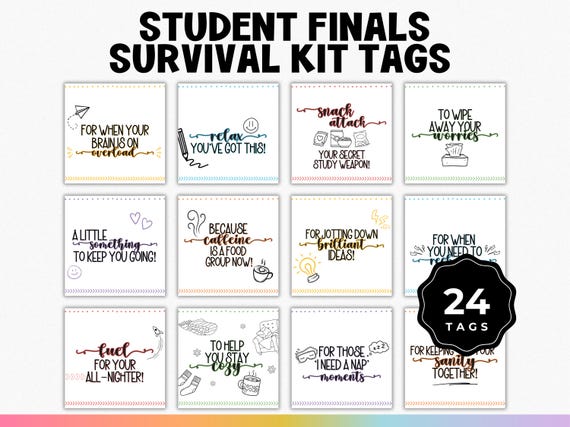
Credit: www.etsy.com
Credit: ohnuts.com
Frequently Asked Questions
What Items Are Essential In An Exam Survival Kit?
An exam survival kit should include snacks, water, stationery, and stress-relief tools. These help maintain energy and focus during exams. Including items like earplugs and a watch can also improve concentration and time management.
How Can An Exam Survival Kit Reduce Test Anxiety?
An exam survival kit provides comfort and preparedness. Having familiar items reduces stress and boosts confidence. It helps students stay calm, focused, and ready to tackle exam challenges effectively.
When Should You Prepare Your Exam Survival Kit?
Prepare your exam survival kit at least a day before the exam. This ensures you have all essentials and reduces last-minute stress. Early preparation helps you feel organized and confident.
Can An Exam Survival Kit Improve Exam Performance?
Yes, having an exam survival kit supports focus and energy. It minimizes distractions and stress. Being well-prepared allows better concentration, which can positively impact exam results.
Conclusion
Crafting an exam survival kit can ease your exam stress. Gather essential items to stay focused and calm. Include snacks for quick energy boosts. Keep water handy to stay hydrated. Don’t forget tools like pens and calculators. A stress ball can help relieve tension.
Having everything ready boosts confidence. Preparation makes a big difference in exams. Remember, a clear mind helps performance. Stay organized, and you’ll feel more at ease. Good luck with your exams!