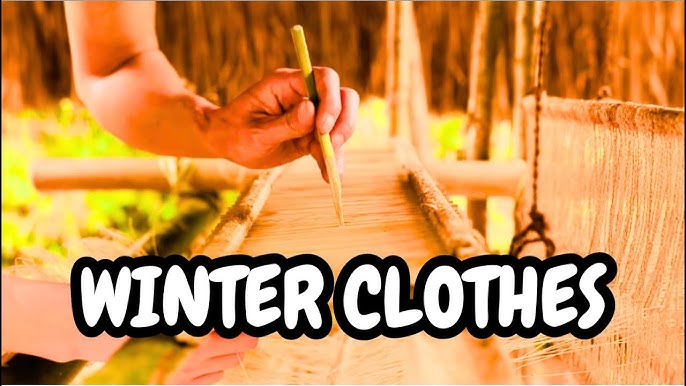
Imagine being out in the wild with no clothes to protect you from the cold, rain, or rough terrain. Your survival depends on more than just finding food and water—you need proper clothing to stay safe and comfortable.
You might think making clothes sounds impossible without a sewing kit or store-bought materials, but it’s not. You will learn simple, practical ways to create your own clothes using what nature provides. By the end, you’ll feel confident knowing how to keep yourself warm and protected, no matter where you are.
Keep reading, because your survival could depend on these skills.
Assessing Available Resources
Assessing the materials around you is the first step to making clothes in a survival situation. Knowing what resources are nearby can save time and effort. Your clothing depends on the types of materials you can find. Both natural and man-made items can be useful. Understanding their qualities helps create strong, wearable garments. This section guides you through spotting useful materials in nature and from your surroundings.
Identifying Natural Materials
Nature offers many fibers and materials suitable for clothing. Look for plants with strong, flexible fibers. Examples include:
- Bark from certain trees, like cedar or basswood
- Leaves from broadleaf plants
- Grasses and reeds with long strands
- Animal fur or hides from hunting or found remains
- Animal sinew or tendons for thread or lacing
Test the strength of fibers by pulling gently. Choose materials that don’t break easily. Dry materials are easier to work with than wet ones. Avoid plants that cause skin irritation. Some fibers may need softening before use. Natural materials can provide warmth and protection.
Scavenging Man-made Items
Man-made objects can complement natural materials or stand alone. Search the area for items like:
- Old clothing or fabric scraps
- Plastic bags or sheets
- Ropes, cords, or shoelaces
- Canvas or tarp material
- Parts from backpacks or gear
These materials often have durability and water resistance. Cut or tear them into strips or patches. Combine them with natural fibers for stronger clothes. Man-made materials can also help in stitching or binding. Keep an eye out for buttons, zippers, or needles. These small parts can be very useful for repairs and fastening.

Credit: trueprepper.com
Basic Weaving Techniques
Basic weaving techniques can be a lifesaver when you need to make clothes in a survival situation. Weaving transforms simple natural fibers into durable fabric, giving you material for shirts, wraps, or even makeshift bags. You don’t need fancy tools or skills—just some patience and resourcefulness.
Using Plant Fibers
Plant fibers are your best bet for weaving in the wild. Look for plants like nettle, flax, or even certain grasses, which have strong, flexible fibers. You can extract these fibers by stripping the leaves or stalks, then drying and softening them by rubbing or soaking.
Twisting fibers together makes them stronger. Try making a simple cord by twisting small bundles tightly—this will serve as your thread. Have you ever tried to make string from grass? It takes effort, but once you get the hang of it, you’ll see how useful it is for weaving fabric.
Creating Simple Looms
You don’t need a fancy loom to start weaving. A basic frame can be made from sticks or branches tied together in a rectangle or square shape. Stretch your twisted plant fibers vertically across this frame to create the warp—the foundation threads.
Next, weave horizontal fibers (the weft) over and under the warp threads, alternating each row. This back-and-forth motion creates a tight, interconnected fabric. You can use a small stick or even your fingers to push the weft fibers tightly together, making the fabric stronger and less prone to unraveling.
Try experimenting with the spacing between your warp threads. Narrower gaps produce finer fabric, while wider gaps make a more breathable weave. What kind of clothing could you create if you mastered this simple weaving setup?
Making Cordage
Making cordage is one of the most important skills you need in a survival situation. It allows you to create strong ropes and ties from natural materials around you. With a good cord, you can build shelters, secure tools, and even make traps or fishing lines.
Twisting And Braiding Fibers
Start by gathering flexible plant fibers like inner bark, grass, or even dried vines. Separate them into thin, even strands to make sure the cordage is strong and consistent.
Twisting fibers together creates a simple yet effective cord. Hold a few strands in one hand and twist them tightly in one direction. Then, fold the twisted strands in half and twist them back in the opposite direction to lock them together.
Braiding is another option that can increase the strength of your cordage. Use three or more strands and weave them over and under each other. The tighter the braid, the stronger the cord will be.
Testing Cordage Strength
Once you’ve made your cord, it’s crucial to test its strength before relying on it. Pull on it with steady force and see if it holds without snapping or unraveling.
Try tying a knot and then applying pressure. If the cord breaks or loosens, you may need to add more strands or twist tighter.
Remember, your cord needs to handle real tasks like holding up a shelter or carrying gear. Don’t settle for weaker cordage just because it looks fine at first glance.
Improvised Sewing Tools
In a survival situation, having the ability to make or repair clothes can be a game changer. Without modern tools, you’ll need to improvise with materials around you. Crafting your own sewing tools from natural resources can keep you warm, protected, and comfortable.
Crafting Needles From Bone Or Wood
Sharp, sturdy needles are essential for sewing, but you won’t have a store-bought one in the wild. Look for small bones, like those from birds or fish, which can be shaped into needles. Use a sharp rock or piece of flint to carve the bone into a thin, pointed tool.
If bones aren’t available, hardwood sticks work well too. Whittle the end to a fine point and carefully create a small eye near the tip by burning or scraping a tiny hole. This eye will hold your thread as you sew.
Have you ever tried shaping a tiny hole in wood? It takes patience, but it’s worth it when you see your needle ready for use. These improvised needles can last longer than you expect if you keep them dry and handle them gently.
Creating Thread From Natural Fibers
Thread is just as important as needles, and natural fibers can be twisted or braided into strong sewing thread. Look for inner bark from trees like basswood, or gather long grass, plant fibers, or even animal sinew. These materials can be softened by soaking or chewing to make them more flexible.
To make thread, strip the fibers into thin strands and twist them tightly together. You can create thicker or thinner thread depending on your sewing needs. For extra strength, braid multiple strands together.
Have you noticed how some plants have fibers that pull apart easily? These are perfect for thread. Experiment with different plants around you to find the strongest and most durable fibers. Your survival clothes depend on the strength of this thread.
Constructing Basic Garments
Constructing basic garments in a survival situation is about making the most of limited resources to protect yourself from the elements. Your goal is to create clothing that covers essential areas, provides warmth, and withstands tough conditions. Even without fancy tools, you can build functional clothes using simple designs and strong sewing techniques.
Designing Simple Patterns
Start by using your body as a guide to create patterns. Take pieces of fabric or animal hides and fold them to match the shape of your torso or limbs. Cut basic shapes like rectangles, squares, or simple tunics that can be fastened with ties or stitches.
Think about layering. A loose, open design allows for adding or removing layers depending on temperature. You don’t need perfect symmetry—focus on comfort and coverage.
Have you tried using leaves or bark as temporary templates? They can help you measure and plan your cuts before making permanent marks on your material.
Sewing Techniques For Durability
Strong seams are crucial. Use sturdy, natural fibers like sinew, plant fibers, or even thin strips of leather for thread. Double stitching or backstitching adds strength to your seams and prevents them from coming apart quickly.
Simple stitches like the running stitch or whip stitch work well and are easier to learn quickly. Make sure your stitches are tight and close together to resist wear and tear.
Remember, knots are your friends. Secure the beginning and end of each seam with strong knots to avoid unraveling. If you don’t have needles, sharp thorns or small bones can be used to push thread through materials.

Credit: trueprepper.com
Insulating For Warmth
Staying warm is crucial in a survival situation. Insulating your clothes helps keep body heat close. Effective insulation blocks cold air and traps heat. You can create warm clothing even with limited materials. Understanding insulation methods increases your chances of staying comfortable and safe.
Layering Techniques
Layering clothes creates pockets of warm air between fabrics. Each layer adds insulation and blocks cold wind. Start with a thin, tight-fitting base layer to keep moisture off skin. Add a middle layer for warmth, like wool or thick fabric. Finish with an outer layer that blocks wind and rain.
- Base layer: thin fabric, close to skin
- Middle layer: thick, insulating material
- Outer layer: windproof and water-resistant
Layering also lets you adjust clothes based on temperature changes. Remove or add layers to avoid sweating or getting too cold. Air trapped in layers works like natural insulation. This simple technique is key to staying warm outdoors.
Utilizing Animal Skins
Animal skins provide natural insulation and protection. Fur traps heat and blocks cold wind effectively. Use skins from hunted animals or found remains. Remove flesh and fat carefully to preserve the skin. Dry and soften it by scraping and stretching over time.
- Use fur side inside for warmth
- Layer skins for extra insulation
- Secure skins with natural fibers or sinew
Animal skins can be fashioned into coats, hats, or boots. They offer durability and warmth in harsh conditions. Using skins is a practical way to insulate in survival scenarios. They keep cold out and body heat in without modern materials.
Waterproofing Clothing
Waterproofing clothing is vital in survival situations. Staying dry helps maintain body heat. Wet clothes can cause discomfort and increase illness risk. Natural materials and simple techniques make effective waterproof layers. These methods keep you protected without modern gear.
Using Natural Waxes And Oils
Natural waxes and oils create a water-resistant barrier on fabric. Beeswax is a common choice. It melts easily and sticks well to cloth. Animal fats and plant oils also work well. Apply by warming the wax or oil. Rub it into the fabric evenly. Then let the clothing dry in a warm place. This seals the fibers and repels water.
- Beeswax offers strong, flexible protection.
- Animal fats add durability but can smell.
- Plant oils are easy to find but may need reapplication.
Testing Water Resistance
Check waterproofing by sprinkling small water drops on the fabric. Watch if water beads up or soaks in. Beaded drops mean good waterproofing. If water soaks, apply more wax or oil. Test outdoors for best results. Repeat until water stays on the surface. This ensures your clothing keeps you dry in rain or snow.

Credit: trueprepper.com
Repurposing And Repair
Repurposing and repair are vital skills in a survival situation. Clothes may tear or wear out quickly. Fixing and reusing materials saves resources and keeps you protected. These techniques extend the life of your clothing. Simple repairs can restore function and comfort. Creative repurposing can turn old fabrics into new garments or useful gear. Knowing how to patch and transform clothing improves your chances of staying warm and safe.
Patching Techniques
Small holes and tears weaken clothes fast. Patching is an easy way to fix damage. Cut a piece of fabric slightly larger than the hole. Use strong thread and needle to sew the patch in place. Stitches should be close together for durability. You can also use natural adhesives if thread is unavailable. Overlapping patches work well on elbows and knees. Reinforce worn spots before they tear completely. This prevents bigger problems and keeps clothes wearable longer.
Transforming Old Clothing
Old or damaged clothes can become new items. Cut large shirts into strips for bandages or ties. Pants can turn into shorts or bags. Layer fabric pieces to make warm liners or blankets. Use buttons, zippers, and cords from old garments for repairs or new creations. Combining different materials creates versatile clothing. This saves energy and materials in tough situations. Think beyond original use to maximize fabric value.
Frequently Asked Questions
How Can I Make Clothes Without A Sewing Machine?
You can make clothes by hand sewing using needles and strong thread. Use simple stitches like running or whip stitch for durability. Natural fibers like cotton or wool work best for easy sewing and comfort.
What Materials Are Best For Survival Clothing?
Use natural fibers such as cotton, wool, or leather. These materials provide warmth, durability, and breathability. Avoid synthetic fabrics that might melt or degrade quickly in harsh conditions.
How Do I Create Patterns For Survival Clothes?
Use old clothes as templates or draw directly on fabric with charcoal. Cut fabric pieces based on your measurements. Simple shapes like rectangles and triangles work well for quick construction.
Can I Use Natural Resources To Make Thread?
Yes, you can make thread from plant fibers like flax, nettle, or bark. Twist fibers tightly to create strong, thin cords suitable for sewing clothes by hand.
Conclusion
Making clothes in a survival situation takes patience and creativity. Use natural materials like leaves, bark, and animal hides. Simple tools can help you cut and sew. Stay careful and keep practicing your skills. Clothes protect you from weather and insects.
They also keep your body warm and safe. Remember, every small step counts in survival. Stay calm and focus on what you can do. Your efforts improve your chances of staying healthy. Keep learning and adapting as you go along.
Survival clothing can be made with what you find around you.


