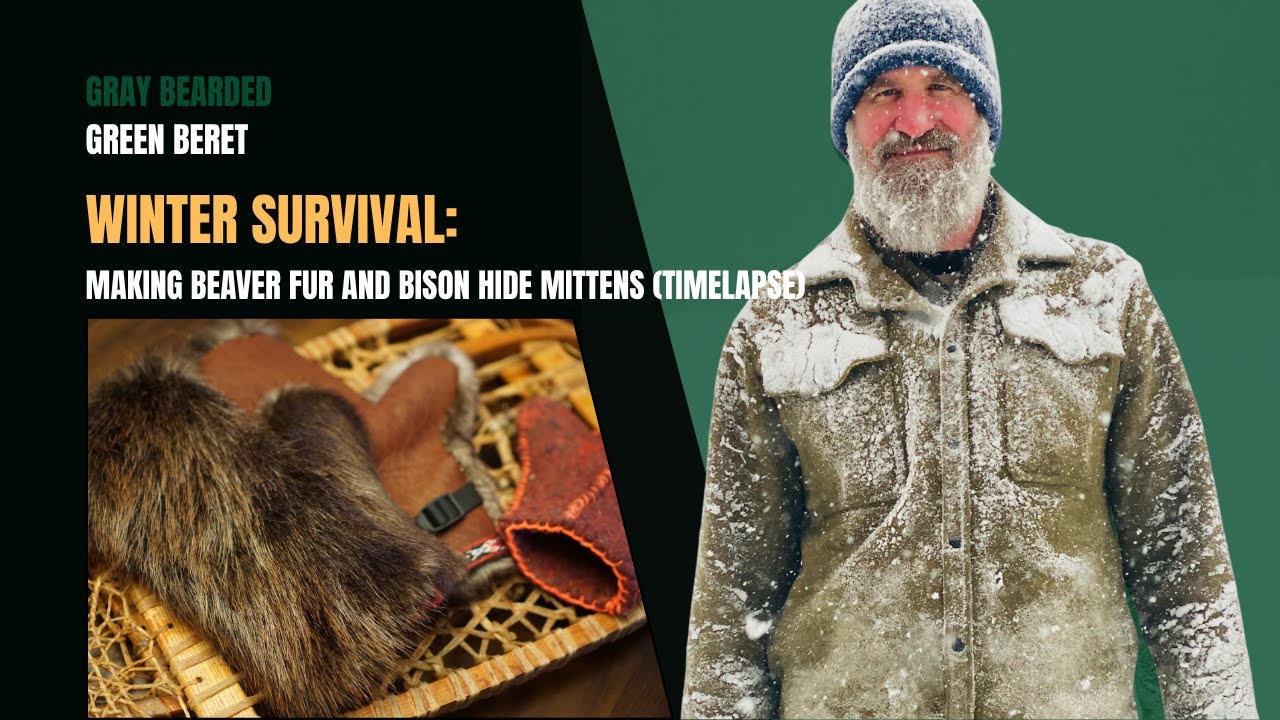
Imagine finding yourself in the wild, with nothing but your hands and the animal you’ve just caught. Your survival depends on more than just food—you need clothing to protect your body from cold, rain, and rough terrain.
But how do you turn that animal into something wearable? You might think it’s complicated, but with the right steps, you can create durable clothing that keeps you safe and warm. In this guide, you’ll learn simple, practical methods to make clothing from an animal in a survival situation.
Keep reading, because your comfort—and maybe even your life—could depend on what you do next.
Choosing The Right Animal
Choosing the right animal is key when making clothing in a survival situation. The animal’s size, fur, and habitat affect how useful it will be. Picking the right one saves time and effort. It also ensures the clothing will protect well against cold or rough weather.
Identifying Suitable Animals
Look for animals with thick fur or hides. Fur should be dense and soft for warmth. Hides must be tough but flexible for durability. Small mammals like rabbits or squirrels offer soft fur but less hide. Larger animals like deer or elk provide strong hides and good fur.
- Animals with thick, insulating fur work best.
- Choose those common in your area for easy access.
- Check animals known for durable hides.
- Avoid thin-skinned animals as their hide tears easily.
Safety Considerations
Stay safe while hunting or trapping. Some animals may carry diseases or parasites. Use gloves if possible when handling fur or hide. Avoid animals that look sick or injured. Always watch for dangerous animals nearby.
- Know local wildlife rules and protected species.
- Use sharp tools carefully to avoid injury.
- Keep a safe distance from aggressive animals.
- Clean and treat hides properly to kill germs.

Credit: www.naaer.hoodmuseum.dartmouth.edu
Harvesting Materials
Harvesting materials from an animal is a crucial skill in a survival situation. Your clothing depends on the quality of the hide you obtain. Proper techniques ensure you get the most out of the animal, making your efforts worthwhile.
Skinning Techniques
Start by making careful cuts to avoid damaging the hide. Use a sharp knife and begin at a natural seam, like the legs or belly. Pull the skin gently as you cut to separate it from the flesh without tearing.
Work slowly and keep your knife angled away from the hide. This reduces accidental punctures. If you rush or force the skin off, you risk ruining the material you need for clothing.
Have you ever tried skinning with dull tools? It’s frustrating and damages the hide. Always sharpen your blade before starting. This small step saves time and preserves the quality of your material.
Preserving The Hide
Once you have the skin, it’s essential to preserve it quickly. Fresh hides can spoil fast, especially in warm weather. Begin by scraping off any remaining flesh and fat with a dull blade or scraper.
Next, dry the hide by stretching it out in a shaded, ventilated area. Avoid direct sunlight, which can cause cracking. You can also use natural tannins from tree bark or leaves to tan the hide and make it more durable.
Do you have access to salt? Applying salt heavily to the wet hide draws out moisture and prevents bacterial growth. This old but effective method can buy you time before you properly tan the skin.
Tanning The Hide
Tanning the hide is a crucial step in turning animal skins into wearable clothing during a survival situation. Raw hides are tough, smelly, and prone to decay, so you need to transform them into soft, durable leather. This process not only preserves the hide but also makes it flexible and comfortable to wear.
Traditional Tanning Methods
One of the oldest ways to tan hides is by using brain tanning. The animal’s own brain contains natural oils that help soften and preserve the skin. After scraping off any flesh and hair, you apply a paste made from the brain mixed with water and work it thoroughly into the hide.
Another traditional method is smoking the hide. Once softened, the skin is exposed to smoke from a fire, which helps waterproof it and prevents bacteria growth. This method requires patience as the smoke needs to reach every part of the hide evenly.
Have you ever tried scraping a hide? It’s essential to remove all fat and tissue to avoid rotting. Using a dull knife or a scraper, you gently peel away the unwanted material. This step is tedious but necessary to ensure the tanning process works well.
Using Natural Resources
You can tan hides using natural materials found in your environment. Tree bark, especially from oak, hemlock, or chestnut trees, contains tannins that help preserve hides. Boiling the bark creates a tanning solution you soak the skin in for days or weeks.
Plant-based tanning requires regular checking and stirring to ensure the hide absorbs the tannins evenly. It’s a slow process but yields strong, long-lasting leather. Don’t underestimate the power of patience here—it can make the difference between a ruined hide and a wearable garment.
In some areas, you might find that certain animal fats or oils can substitute for brain tanning. These natural oils help keep the leather supple and prevent cracking. Experimenting with what’s available around you can provide surprising results.

Credit: www.thermapparel.com
Crafting Basic Clothing
Crafting basic clothing from an animal in a survival situation is essential for protection and comfort. You need to focus on creating pieces that cover vital areas while using as little material as possible. The goal is to keep yourself warm, shielded from the elements, and mobile.
Designing Simple Patterns
Start by examining the animal hide carefully. Look for natural folds or shapes that can guide your cuts. You don’t need complex designs—straight lines and rectangles work well.
Use your body as a measuring tool. For example, drape the hide over your shoulders or waist to estimate lengths. Mark where cuts should go with a sharp stone or bone.
Think about basic shapes like a poncho or loincloth. These are easy to make and provide good coverage. Can you visualize cutting a simple rectangle that fits comfortably around your waist or shoulders?
Sewing Without Tools
Sewing might seem impossible without needles or thread, but nature offers alternatives. Thin, strong animal sinew or tough plant fibers can act as thread. Twist sinew tightly to create a sturdy string.
For needles, sharpen a small bone or thorn until it’s fine enough to pierce the hide. If you don’t have those, you can create small holes using a heated point, then thread sinew through by hand.
Try simple stitches like the running stitch or whipstitch. They are quick and strong enough to hold pieces together. Remember, every stitch counts, so take your time to keep them tight.
Maintaining Animal Clothing
Maintaining clothing made from animal hides is crucial for survival. Proper care keeps the clothing durable and comfortable. It protects against weather and insects. Simple cleaning and repairs extend the life of your gear. Regular maintenance saves time and resources in the wild.
Cleaning Techniques
Clean animal clothing gently to avoid damage. Use cold water to rinse dirt and sweat. Avoid harsh soaps that strip natural oils. If soap is needed, use mild, natural options like diluted castile soap. Scrub lightly with a soft brush or cloth. Rinse thoroughly to remove all soap. Dry clothing slowly in shade to prevent stiffness. Avoid direct sunlight, which can cause cracks. Keep clothing dry to stop mold and odor.
Repairing Tears And Damage
Fix tears quickly to prevent larger damage. Use strong thread or sinew for stitching. Sew with small, tight stitches close to the edge. Patch holes with extra hide or fabric. Attach patches firmly with stitching or lacing. Smooth rough edges to stop further tearing. Regularly check all seams and patches. Repairing early keeps clothing safe and wearable. Carry basic sewing tools for quick fixes in the field.

Credit: www.selfrelianceoutfitters.com
Ethical Considerations
Making clothing from an animal in a survival situation requires careful thought about ethics. Respecting nature and wildlife helps maintain balance. Ethical choices protect animals and the environment. This section highlights important points to consider while using animal materials responsibly.
Respect For Wildlife
Respect means valuing animal life and its role in nature. Use animals only when necessary for survival. Avoid harming endangered or protected species. Treat the animal with care, even after it has been hunted. Using every part of the animal shows respect and reduces waste.
Sustainable Practices
Sustainability means taking only what is needed and no more. Limit the number of animals used to avoid population decline. Use natural methods for tanning hides to reduce pollution. Plan clothing to last long and serve multiple purposes. This helps preserve resources and supports future survival needs.
Frequently Asked Questions
How Do You Prepare Animal Hide For Clothing?
First, skin the animal carefully to avoid damage. Next, remove fat and flesh from the hide. Then, soak it in water to soften. Finally, dry and stretch the hide to create durable leather for clothing.
What Tools Are Needed To Make Survival Clothing?
Basic tools include a sharp knife, scraper, and needle with sinew thread. These help in skinning, cleaning, and sewing animal hides effectively. Improvised tools can work, but sharpness and durability improve clothing quality.
How Do You Sew Animal Hides Together?
Use a strong, durable thread like sinew or natural fibers. Employ a simple running stitch or whip stitch to join hides. Ensure tight, even stitches to prevent air and moisture from entering clothing.
Can All Animal Hides Be Used For Clothing?
Most mammal hides like deer, rabbit, or elk are suitable. Avoid hides from reptiles or birds, as they can be too fragile or stiff. Proper preparation is key for any hide to be wearable.
Conclusion
Making clothing from an animal helps you stay warm and safe. Use simple tools and careful steps to prepare the hide. Stretch and dry the skin well for best results. Sewing pieces together creates useful garments. This skill can protect you in tough outdoor situations.
Practice these steps to build confidence in survival. Stay calm and patient through the process. Your clothes can make a big difference in harsh weather. Keep learning and improving your survival skills every day.


