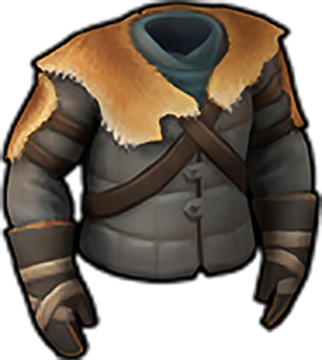
Are you struggling to stay warm in Survival Craft? Making fur clothes is the key to surviving harsh weather and dangerous nights.
Imagine having sturdy, warm gear that protects you from the cold and boosts your chances of survival. In this guide, you’ll learn simple steps to craft your own fur clothes quickly and efficiently. Keep reading to discover the easy tricks that will keep you safe and comfortable in the wild.
Your survival depends on it!
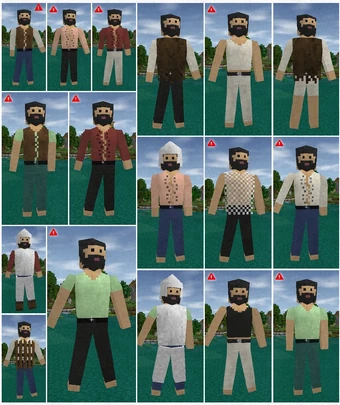
Credit: survivalcraftgame.fandom.com
Essential Tools And Materials
Creating fur clothes in Survival Craft starts with gathering the right tools and materials. Without these essentials, your crafting journey will be frustrating and slow. Knowing exactly what to collect saves time and increases your chances of success.
Gathering Basic Tools
You need a few basic tools before you can start working with fur. A sharp knife is essential for skinning animals and cutting materials. Make sure your knife is durable—dull blades waste time and can ruin your fur pieces.
Besides a knife, a sturdy crafting table or workbench helps organize your tools and materials efficiently. If you don’t have one, create a simple flat surface to work on. It keeps your fur and tools clean and accessible.
Also, consider having a fire source nearby. Some fur treatments require heat to soften or cure the material. Don’t ignore this step, as untreated fur can be stiff and uncomfortable to wear.
Choosing Suitable Fur
Not all furs are created equal in Survival Craft. Look for furs from animals that thrive in cold environments, like wolves or bears, since their pelts are thicker and warmer. Thin furs from smaller animals may not provide enough insulation.
When hunting, target animals that offer the best fur quality rather than just quantity. You’ll save resources and effort by focusing on fewer, high-quality pelts. Have you noticed how some animals have fur with unique textures? These can add style and durability to your clothes.
After collecting the fur, inspect it carefully. Remove any dirt, blood, or debris before starting your crafting. Clean fur is easier to work with and results in better-looking clothes.
Preparing The Fur
Preparing the fur is a key step in making fur clothes in Survival Craft. Proper preparation helps the fur last longer and look better. It also makes sewing easier and the clothing more comfortable to wear.
Start by cleaning the fur to remove dirt and oils. Then, treat it to keep it soft and flexible. After that, cut the fur into the right sizes for your clothing patterns.
Cleaning And Treating Fur
First, remove any dirt or blood from the fur. Use clean water to rinse the pelt gently. Avoid soaking it too long to prevent damage.
Dry the fur slowly in a cool, shaded place. Do not use direct heat or sunlight. This keeps the fur soft and prevents shrinking.
After drying, apply natural oils or special fur treatments. This keeps the fur flexible and prevents it from becoming brittle. Rub the oil evenly on the fur side, not the skin side.
Cutting To Size
Use sharp scissors or a knife to cut the fur. Follow the shape of your clothing pattern carefully.
Cut the fur with the hair side facing down. This helps keep the hair in place and avoids damage.
Make clean, straight cuts for easier sewing. Keep the pieces organized to avoid mixing them up.
Crafting Techniques
Crafting fur clothes in Survival Craft requires specific techniques to create durable and warm garments. Understanding the right crafting methods helps players make the best use of their resources. These techniques focus on combining fur pieces carefully and sewing them effectively.
Sewing Methods
Sewing fur pieces together needs patience and precision. Use strong thread or sinew to hold the fur firmly. Stitching must be tight to avoid gaps that let cold air in. Choose simple stitches like the running stitch or whipstitch for durability. Make sure the needle passes through both fur and leather backing if available. This strengthens the connection and extends the garment’s life.
Work slowly to avoid tearing the fur. Keep stitches evenly spaced for a neat look. Check your work by gently pulling the fabric to test the strength. Proper sewing keeps the garment flexible and comfortable.
Joining Fur Pieces
Joining fur pieces properly gives the clothes a natural shape. Start by laying the fur pieces with the hair side facing out. Align the edges carefully before sewing. Overlapping edges slightly can create a stronger bond.
For larger garments, join several fur patches in a pattern. This adds warmth and style. Use small, consistent stitches to connect the pieces. Avoid leaving open seams where cold can enter. Press the joined seams flat to reduce bulk and improve comfort.
Sometimes, adding a leather strip along the seam helps reinforce the join. This technique protects the edges from wear and tear. Well-joined fur pieces create clothes that last longer in Survival Craft.
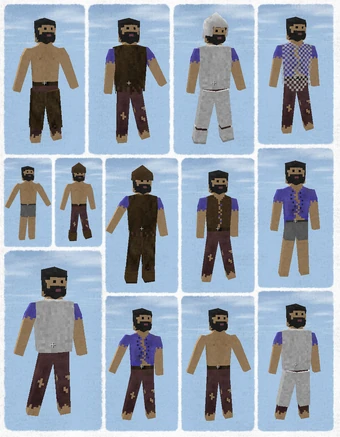
Credit: survivalcraftgame.fandom.com
Designing Functional Clothing
Designing functional clothing in Survival Craft means creating outfits that protect and help you survive. Your fur clothes need to fit well and keep you warm. Planning the design carefully saves resources and improves your game experience.
Start by thinking about how each piece will move with your character. Clothes should allow easy movement and shield from the cold. Focus on comfort and practicality to stay alive longer in the game.
Creating Patterns
Patterns are the blueprint for your fur clothes. Draw simple shapes on paper or in the game interface. Use rectangles, triangles, and circles to match body parts. Keep patterns small to save materials.
Cut the fur into these shapes carefully. Match pieces side by side before sewing. Patterns help avoid mistakes and make sewing faster.
Fitting And Adjustments
Try the clothes on your character often. Check for tight spots or loose areas. Tight clothes limit movement. Loose clothes may not keep warmth.
- Trim edges that are too long.
- Sew extra fur patches to weak spots.
- Adjust straps or ties for a secure fit.
Repeat fitting and adjusting until the clothes fit comfortably. Well-fitted fur clothes improve survival chances and look better too.
Maintaining Fur Clothing
Maintaining your fur clothing in Survival Craft is essential to keep it functional and durable. Proper care can extend the life of your gear and keep you warm in harsh conditions. Neglecting maintenance can lead to early wear and tear, leaving you vulnerable to the cold.
Cleaning And Storage Tips
Fur clothes collect dirt and sweat during your adventures, which can damage the fibers over time. Gently brushing off dirt with a soft brush helps keep the fur smooth and clean. Avoid using water, as it can cause the fur to stiffen or shrink.
Store your fur clothing in a cool, dry place away from direct sunlight. Use breathable fabric bags instead of plastic to prevent moisture buildup. Have you noticed how damp conditions ruin your gear faster? Keeping fur dry is the key to preventing mold and unpleasant odors.
Repairing Damages
Small tears or holes in fur clothing can quickly become bigger problems if left untreated. Use a needle and sturdy thread to carefully stitch any rips before they worsen. If you spot loose fur patches, gently glue them back or sew them securely to keep your garment intact.
Don’t wait for a big hole to appear. Regularly inspect your fur clothes, especially after intense use or battles with wildlife. Are you ready to handle minor repairs on the go? Carrying a small repair kit can save your clothing—and your warmth—when you need it most.

Credit: survivalcraftgame.fandom.com
Safety And Ethical Considerations
Working with fur in Survival Craft goes beyond just crafting skills. You need to think about safety and ethics to protect yourself and the environment. These considerations help you enjoy the game responsibly and make your experience more meaningful.
Handling Fur Safely
Fur can carry germs and bacteria that might harm you if you’re not careful. Always wear gloves when handling raw fur to avoid skin irritation or infections. Make sure to clean your tools and workspace regularly to keep everything hygienic.
Dry the fur completely before storing it. Damp fur can develop mold, which is hazardous to your health and damages the material. Have you noticed how a small mistake in handling can ruin your entire effort?
Sustainable Practices
Using fur responsibly means thinking about the game’s virtual ecosystem. Avoid hunting animals excessively; instead, target only what you need to craft your clothes. This approach mimics real-life conservation efforts and keeps your gameplay balanced.
Try to use every part of the animal to reduce waste. For instance, bones and hides can be crafted into tools or shelter materials. How does your approach to resource use impact your survival success?
Tips For Success
Creating fur clothes in Survival Craft can be tricky without the right approach. Success depends on attention to detail and knowing what pitfalls to avoid. These tips will help you craft durable and warm fur clothing that stands up to the harshest environments.
Common Mistakes To Avoid
- Using low-quality materials:Not all animal hides are equal. Using poorly preserved or damaged hides leads to weak fur clothes that tear easily.
- Ignoring the crafting order:Skipping steps like curing or drying the fur before sewing reduces the garment’s durability.
- Rushing the process:Hurrying can cause mistakes in stitching or sizing, making the clothes uncomfortable or ineffective.
- Neglecting tool maintenance:Dull knives and needles slow you down and damage materials, so keep your tools sharp and ready.
Have you ever crafted a fur coat only to find it falls apart after the first use? This usually happens because the preparation stage was overlooked. Taking time to prepare hides properly will save you frustration later.
Improving Craftsmanship
Practice makes perfect, especially with intricate sewing techniques. Experiment with different stitching styles to find what holds the fur best without causing damage.
Pay attention to details like seam placement and size adjustments. Well-placed seams improve both comfort and warmth.
- Test small pieces first:Before committing to a full garment, try crafting smaller items like gloves or hats to refine your skills.
- Use quality thread:Strong, natural thread increases the lifespan of your fur clothes.
- Study animal behavior:Knowing which parts of the animal yield the best fur can improve the quality of your materials.
What small changes can you make in your next crafting session to improve your results? Sometimes, the smallest tweaks lead to the biggest improvements.
Frequently Asked Questions
How Do I Start Making Fur Clothes In Survival Craft?
Begin by collecting animal pelts using tools like spears or traps. Then, craft a sewing kit. Use it to combine pelts into fur clothes, offering warmth and protection.
What Materials Are Needed For Survival Craft Fur Clothes?
You need animal pelts, sewing kits, and sometimes thread. Pelts come from hunting animals. Sewing kits allow you to stitch pelts together into wearable fur clothes.
How To Improve The Quality Of Fur Clothes?
Use higher-quality pelts from stronger animals. Craft sewing kits with better materials. Upgrade your tools for more efficient pelting and stitching, resulting in durable, effective fur clothing.
Can Fur Clothes Protect Against Cold In Survival Craft?
Yes, fur clothes provide essential insulation. They help maintain body heat in cold environments, reducing damage and increasing survival chances during harsh weather.
Conclusion
Making fur clothes in Survival Craft helps you stay warm and safe. Gather the right materials and follow simple steps. Practice crafting to improve your skills quickly. Wearing fur clothes gives you an advantage in cold areas. Keep exploring and crafting new items to survive better.
Stay patient and enjoy the process of creating useful gear. Survival Craft offers many ways to enjoy your adventure. Keep trying and have fun making your own fur clothes.


