Imagine having everything you need to stay safe and prepared, all packed into a tiny kit you can carry anywhere. You never know when an emergency might happen, and being ready can make all the difference.
Making your own mini survival kit is easier than you think, and it puts control right in your hands. You’ll discover simple steps to build a compact, personalized kit that fits your needs perfectly. Keep reading to learn how to protect yourself and feel confident no matter where you go.

Credit: www.youtube.com
Choosing The Right Container
Choosing the right container is crucial for a mini survival kit. It protects your items and keeps them organized. The container should fit the space you carry it in. It must be strong enough to handle rough conditions. Consider the size and weight carefully. Your container should make your kit easy to carry and use.
Compact And Durable Options
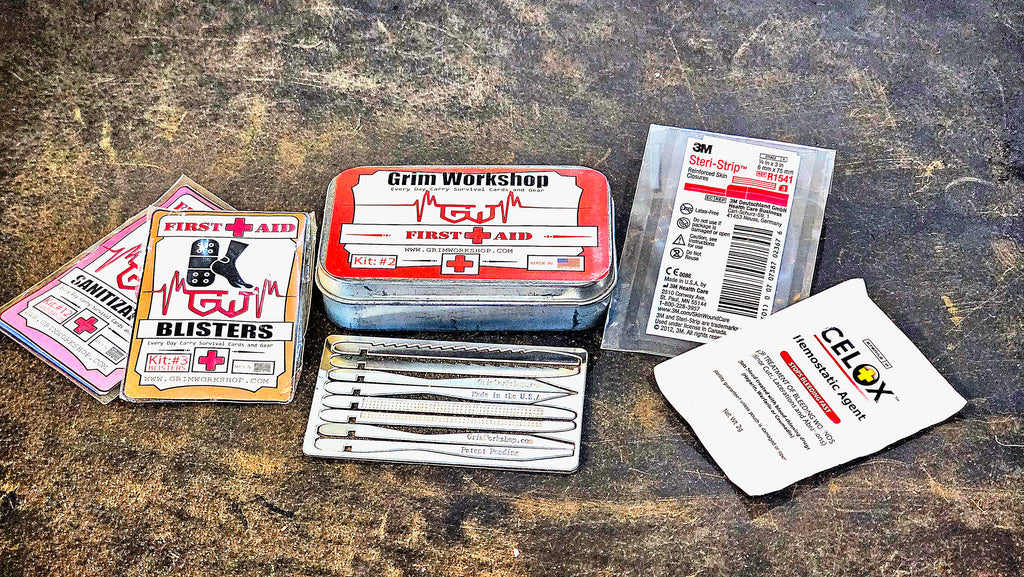
Small containers save space and reduce bulk. Look for cases made from hard plastic or metal. These materials resist cracks and dents well. A compact container fits in pockets, bags, or belts. The design should close tightly to avoid spills. Check for smooth edges to prevent damage to your gear. A durable case protects items during drops or pressure.
Waterproof And Lightweight Choices
Waterproof containers keep your gear dry in wet conditions. They often have rubber seals or gaskets for tight closures. Lightweight containers reduce the total weight of your kit. Materials like nylon or silicone offer water resistance and lightness. Some boxes combine waterproofing with light materials for best results. Choose a container that balances protection and ease of carrying. A waterproof, lightweight case helps keep your supplies safe and portable.
Essential Survival Items
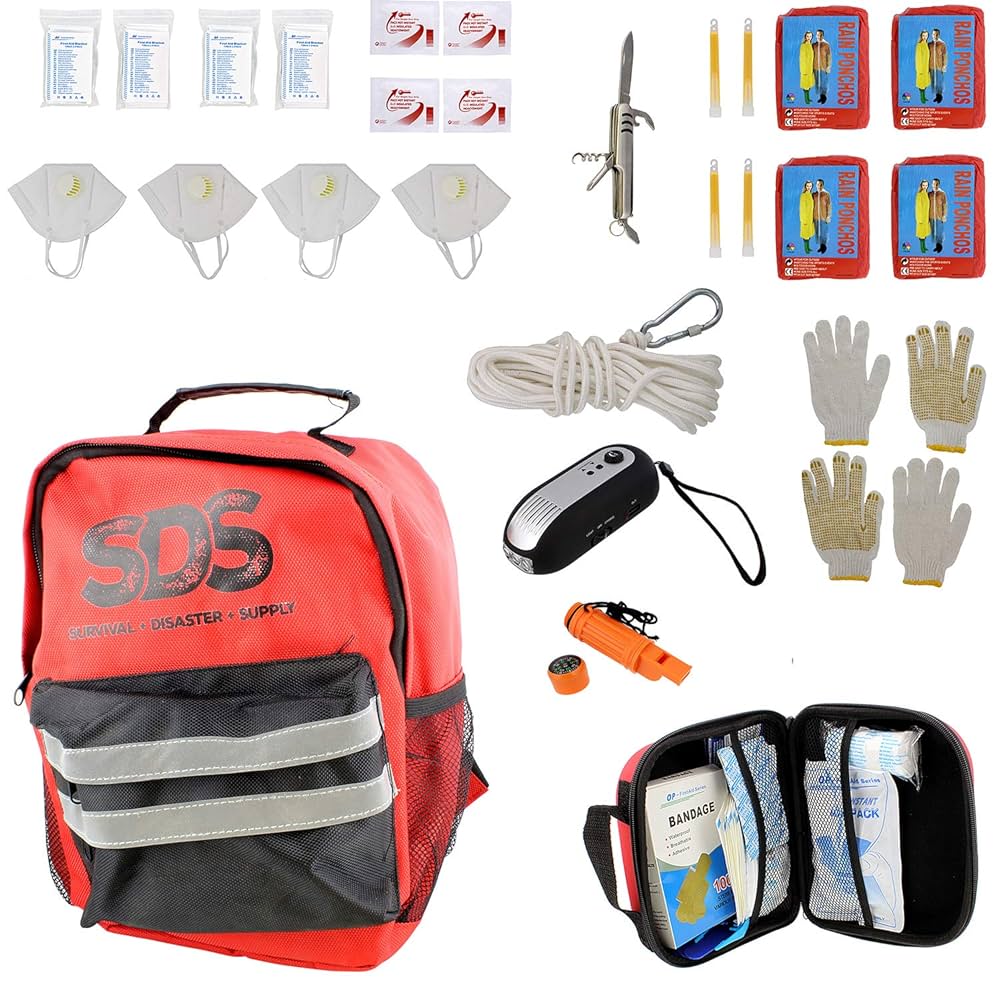
Essential survival items form the core of any mini survival kit. These tools and supplies help you stay safe and comfortable in emergencies. They cover basic needs like health, fire, direction, food, water, and shelter. Packing the right items improves your chances of handling unexpected situations.
First Aid Supplies
Basic first aid items treat injuries and prevent infection. Include adhesive bandages, antiseptic wipes, and gauze pads. Add pain relievers, tweezers, and medical tape. A small pair of scissors helps cut bandages or clothing. These supplies handle cuts, scrapes, and minor wounds quickly.
Fire Starting Tools
Fire provides warmth, light, and a way to cook food. Carry waterproof matches or a lighter. A ferrocerium rod offers reliable sparks in wet conditions. Cotton balls soaked in petroleum jelly make excellent fire starters. Fire tools help you stay warm and signal for help.
Navigation Aids
Finding your way is critical during survival situations. Pack a compass for basic navigation. A detailed map of your area works well with the compass. Consider a whistle for signaling your location. These aids guide you safely through unfamiliar terrain.
Food And Water Essentials
Energy and hydration keep your body functioning. Carry high-calorie snacks like energy bars or nuts. Include water purification tablets or a small filter. A collapsible water bottle saves space and holds fresh water. Proper food and water supplies help maintain strength.
Shelter And Warmth
Protection from weather prevents hypothermia and illness. A lightweight emergency blanket reflects body heat. Pack a compact tarp or poncho for shelter. Include paracord to secure your shelter. These items keep you dry and warm in harsh environments.
Customizing Your Kit
Customizing your mini survival kit ensures it meets your unique needs. Every person and situation is different. Tailor your kit to fit your lifestyle and environment. This makes it practical and effective during emergencies.
Consider Your Environment
Think about the climate and terrain where you spend most time. Dry, hot areas need water purification and sun protection. Cold, wet places require extra warmth and waterproof gear. Urban settings might call for tools like a flashlight and a whistle. Adjust your supplies to match common risks and weather.
Personal Health Needs
Include items specific to your health conditions. Carry necessary medications and allergy treatments. Pack extra bandages or pain relievers if you have injuries or chronic pain. Add personal hygiene items to stay clean and prevent illness. Your kit should support your body’s needs during tough times.
Activity-specific Additions
Match your kit to the activities you do. Hiking demands navigation tools like a compass or map. Biking needs tire repair kits and gloves. Campers benefit from fire starters and insect repellent. Customize based on your hobbies and routine activities to stay prepared.

Credit: www.youtube.com
Organizing Your Kit Efficiently
Organizing your mini survival kit efficiently can make a huge difference when you need to act fast. A well-arranged kit saves time and reduces stress, helping you find what you need instantly. Think about the last time you searched for something important—how much easier would it have been if everything was in its right place?
Prioritize Accessibility
Keep the most essential items within easy reach. Items like a small flashlight, a whistle, or a compact multi-tool should be on top or in an outer pocket. You want to avoid digging through your kit when every second counts.
Think about how you use your kit. What will you need first in an emergency? Place those items where you can grab them quickly. This approach minimizes fumbling and gives you peace of mind.
Use Compartments And Pouches
Separate your items into categories using small compartments or pouches. Group things like first aid supplies, fire-starting tools, and food separately. This keeps your kit neat and prevents items from getting lost or damaged.
Using clear pouches lets you see what’s inside without opening each one. Velcro or zippered pouches work well to keep things secure. Try color-coding your pouches to make identification even faster—red for medical, green for tools, and so on.
Maintenance And Updates
Keeping your mini survival kit ready is key for emergencies. Proper maintenance and updates ensure all items work well when needed. A neglected kit can fail in critical moments. Regular attention to your kit keeps it dependable and safe.
Regularly Check Expiry Dates
Check all items for expiry dates often. This includes food, water, and medical supplies. Expired items may lose effectiveness or become unsafe. Mark your calendar to review your kit every three months. Replace anything close to or past its expiry date. This habit keeps your kit fresh and reliable.
Replace Used Or Damaged Items
After using any item, replace it immediately. Even small damage can reduce its usefulness. Look for tears, rust, or broken parts in tools and containers. Keep a checklist to track what needs replacement. A complete and intact kit is essential for survival situations.
Packing Tips For Portability
Packing your mini survival kit with portability in mind makes a huge difference when you need it most. You want your kit to be light enough to carry without hassle, yet organized so every item is easy to access. Small adjustments in how you pack can save space and reduce weight, improving your overall experience in an emergency.
Minimize Weight And Bulk
Choose multi-purpose tools that replace several single-use items. For instance, a Swiss Army knife can cover cutting, opening cans, and even small repairs.
Opt for lightweight materials like titanium or aluminum instead of steel when possible. Swap bulky containers for flexible, collapsible ones—these save room and cut down on unnecessary weight.
Try to avoid packing duplicates unless absolutely necessary. Each extra item adds weight and takes up valuable space. Ask yourself: does this item truly add value in an emergency?
Secure Items To Prevent Noise
Loose items rattling in your pack can give away your position or distract you in a quiet environment. Use small pouches or wrap items in fabric to keep them snug.
Elastic bands or Velcro straps are great for bundling together similar tools. This not only cuts down noise but also helps you find what you need quickly.
If you’re carrying metal items, consider wrapping them with tape or placing them inside a soft pouch to muffle sound. Have you ever been startled by unexpected clinking in a quiet forest? Keeping items silent can help you stay alert and undetected.
.webp)
Credit: www.evite.com
Frequently Asked Questions
What Should Be In A Mini Survival Kit?
A mini survival kit should include essentials like a small knife, waterproof matches, a whistle, a compass, and a first-aid kit. These items are crucial for basic survival needs like navigation, signaling for help, and addressing minor injuries. Compact and lightweight, they ensure you’re prepared for unexpected situations.
How Do I Make A Portable Survival Kit?
To make a portable survival kit, use a sturdy, waterproof container. Fill it with essentials like a multi-tool, fire starters, a small flashlight, and emergency food. Make sure the items are lightweight and compact. Regularly check the kit to ensure all items are functional and not expired.
Why Is A Mini Survival Kit Important?
A mini survival kit is important because it provides essential tools for unexpected emergencies. It helps ensure safety and preparedness during outdoor adventures. Having a compact kit means you can easily carry it, enhancing your ability to respond effectively to unforeseen situations, potentially saving lives.
What Size Should A Mini Survival Kit Be?
A mini survival kit should be small enough to fit in a backpack or glove compartment. Its compact size ensures portability without compromising on essential items. Ideally, it balances being lightweight and containing the necessary tools for basic survival, making it convenient for quick access during emergencies.
Conclusion
Creating your own mini survival kit takes just a little time. Choose items that are small but very useful. Keep your kit ready in a bag or pocket. Check it often to replace old or missing things. This small step can help you stay safe in many situations.
Stay prepared, and feel more confident when you go outside. A simple kit can make a big difference. Start building yours today and be ready for whatever comes. Safety is always worth the effort.