Imagine facing an unexpected emergency without the right tools. How would you cope?
Packing your survival kit the right way can make all the difference between staying safe and feeling lost. You want to be ready for anything, but where do you start? This guide will walk you through exactly what to include and how to organize your kit so you can act quickly and confidently when it matters most.
Keep reading, because your safety depends on what you pack today.

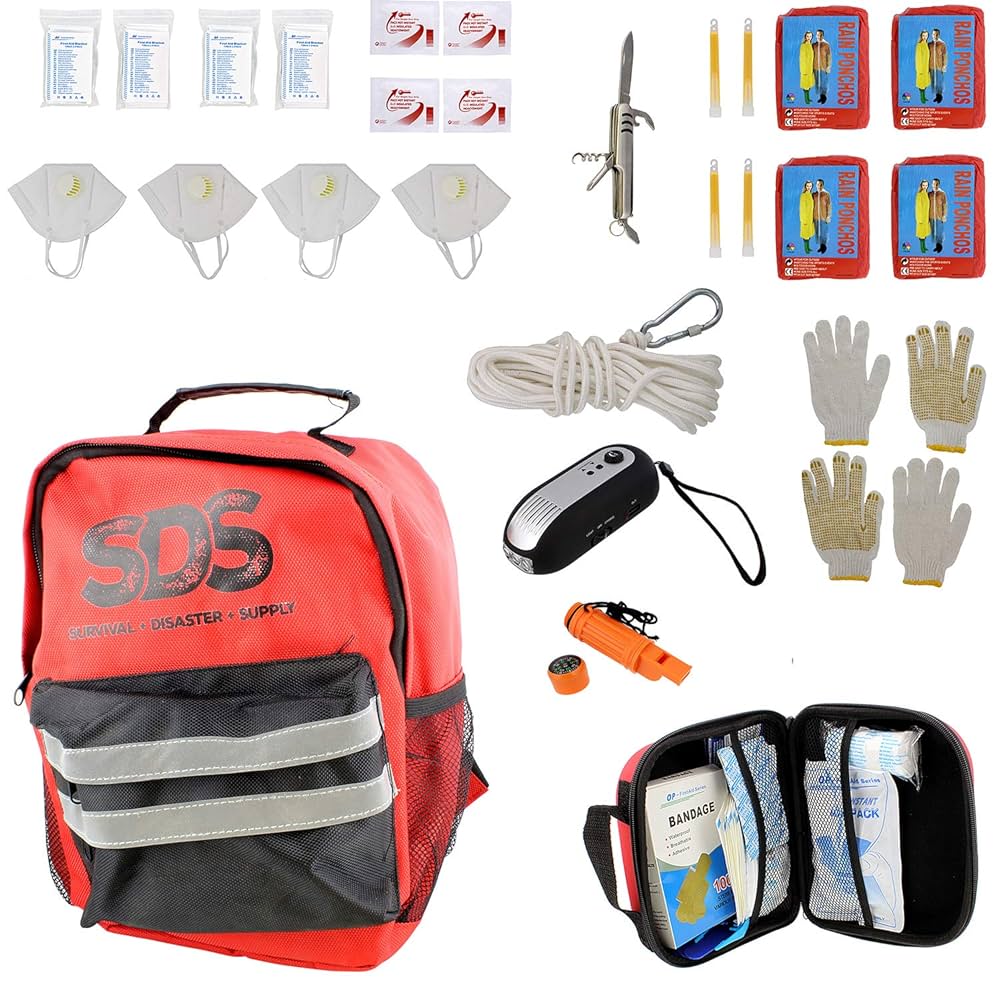
Credit: premierbodyarmor.com
Choosing The Right Container
Choosing the right container for your survival kit is a crucial step that can affect how easily you access your supplies during an emergency. The container needs to protect your items while being easy to carry and store. Think about where and how you will use your kit, and let that guide your choice.
Durability And Size Considerations
Your survival kit container should be tough enough to withstand rough handling and harsh conditions. Look for materials like hard plastic or metal that won’t easily crack or break.
Size matters too. A bulky container might hold more items but can be cumbersome to carry. On the other hand, a small container is portable but may limit what you can pack. Ask yourself: what essentials do you absolutely need, and how much space will they take?
Waterproof And Lightweight Options
Water damage can ruin your survival supplies, so a waterproof container is a smart choice. Consider cases with rubber seals or waterproof zippers to keep moisture out.
At the same time, you want the container to be light enough to carry comfortably. Lightweight materials like high-density polyethylene or aluminum offer good protection without adding unnecessary weight. Have you tested how your container feels when fully packed and ready to go?
Essential Survival Items
Packing your survival kit with the right essential items can make a huge difference when you’re in an emergency. These are the basics that keep you alive and comfortable until help arrives or you find your way to safety. Think about what you would truly need if you had to rely on this kit for days.
Food And Water Supplies
Food and water are your lifelines. Pack lightweight, high-energy food like energy bars, nuts, and dried fruits. These don’t spoil quickly and provide the calories your body needs.
Water is critical. Include water purification tablets or a small portable filter to make any water source safe. Carry enough bottled water to last at least 72 hours, but always plan to find more.
First Aid Essentials
A good first aid kit can be a lifesaver. Include bandages, antiseptic wipes, pain relievers, and any personal medications you need. Don’t forget items like tweezers and medical tape for unexpected injuries.
Knowing how to use your first aid supplies is just as important. Have a small manual or guide in your kit to help you treat wounds and avoid infections.
Tools And Equipment
Reliable tools can make survival tasks easier. A sturdy multi-tool with a knife, scissors, and screwdriver covers many needs. Add a flashlight with extra batteries and a fire starter like waterproof matches or a flint.
Consider a whistle to signal for help and a compact emergency blanket to retain heat. These small items can be critical when you least expect it.
Clothing And Shelter
Weather protection matters. Pack a lightweight, waterproof jacket and thermal layers to stay warm and dry. Extra socks and gloves can prevent frostbite or blisters during long treks.
A compact tent or a durable tarp can provide shelter from rain and wind. Even a simple emergency bivy sack can protect you from hypothermia in unexpected conditions.
Organizing Your Kit
Organizing your survival kit is key to making sure you can find what you need quickly when every second counts. A well-arranged kit not only saves time but also reduces stress during emergencies. Think about how you use your kit and arrange items so that the most important ones are easy to reach.
Categorizing Items For Accessibility
Group your survival items based on their purpose. Keep first aid supplies together, separate from food and water items. This way, you avoid digging through everything to find a bandage or water purification tablets.
Use small, clear bags or labeled compartments to store each category. For example, put all fire-starting tools like matches, lighters, and fire steels in one pouch. This makes grabbing the right tools faster and keeps your kit tidy.
Ask yourself: What will I need first if a disaster strikes? Prioritize those items at the top or in the most accessible spot. Keeping your kit organized this way can save precious moments when you need them most.
Using Packing Techniques To Save Space
Space is limited, so pack smart. Roll soft items like clothing or bandages tightly to reduce bulk. Use vacuum-seal bags or compression sacks for bulky items to save room.
Place heavier items at the bottom and lighter, frequently used items on top. This prevents damage and makes your kit easier to carry. You can also nest smaller items inside larger containers to maximize every inch.
Have you tried packing your kit and then removing unnecessary items? Sometimes less is more. Keeping only what you truly need makes your kit lighter and easier to manage.
Customizing For Different Scenarios
Customizing your survival kit based on the situation you might face is essential for staying prepared and safe. A one-size-fits-all kit can weigh you down or leave you missing critical items when you need them most. Tailoring your kit to match your environment and season makes your survival tools more effective and manageable.
Urban Vs Wilderness Kits
Urban survival kits focus on challenges found in city environments. You’ll want items like a reliable face mask to protect from dust or smoke, a portable phone charger, and a compact multitool for opening cans or cutting materials.
Wilderness kits require gear for outdoor survival—think waterproof matches, a small fishing line, or a sturdy knife for building shelter. You might also add insect repellent and a lightweight tarp. Remember, your wilderness kit should be lightweight but cover all basic survival needs.
Ask yourself: Are you more likely to face power outages and crowded spaces or rough terrain and wildlife? Your answer shapes what you pack.
Seasonal Adjustments
Survival needs change with the seasons. In winter, include extra thermal blankets, hand warmers, and waterproof gloves. Cold weather demands attention to staying warm and dry.
During summer, focus on sun protection, hydration packs, and lightweight clothing. Heat exhaustion can be as dangerous as cold exposure, so plan accordingly.
Don’t forget to swap out food supplies based on season. High-energy snacks like nuts and dried fruit work well year-round, but add vitamin supplements in winter or electrolyte powders for hot months.
Maintenance And Updates
Keeping your survival kit in top condition is crucial. Regular maintenance ensures everything works when needed most. Updating the kit keeps supplies fresh and reliable. This process saves time and stress during emergencies.
Regularly Checking Expiry Dates
Check all food, medicine, and batteries for expiry dates often. Expired items lose effectiveness and can be unsafe. Mark a calendar to remind yourself to inspect the kit every few months. Replace any items that are close to or past their expiration.
Replacing Used Or Damaged Items
After using your kit, immediately replace all used items. Inspect the kit for any damage such as torn packaging or broken tools. Damaged items may not work properly when needed. Always restock with the same quality items to keep your kit ready.

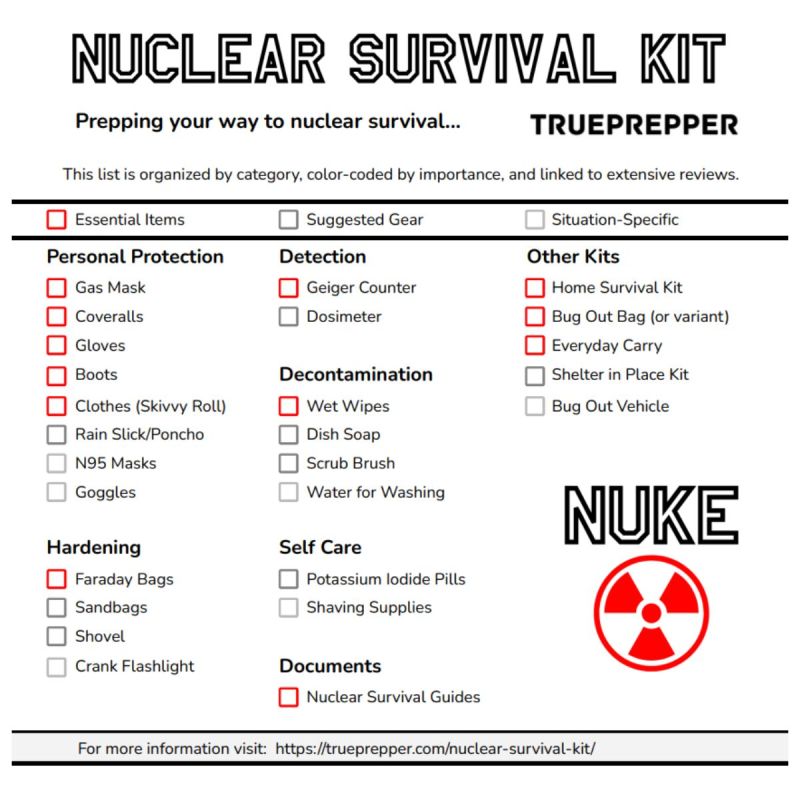
Credit: trueprepper.com
Packing Tips For Weight And Balance
Packing your survival kit isn’t just about fitting everything into a bag. How you manage weight and balance can make a huge difference in comfort and accessibility. Paying attention to these details helps you carry your essentials efficiently and reduces fatigue during emergencies.
Distributing Weight Evenly
Think about how your backpack feels after a long walk. Uneven weight causes strain and imbalance, which can slow you down. Place heavier items close to your back and near the center to keep your pack stable.
Try grouping similar weights together and spread them out vertically. For example, your water supply and canned food should sit low and centered, while lighter gear like clothing can go higher or on the sides. This setup prevents the pack from pulling backward or sideways, improving your posture.
Have you ever felt your pack tipping to one side? That’s a sign to reassess your weight distribution. Adjust straps and reposition items until the load feels balanced and secure.
Minimizing Bulk
Bulky items take up space and make your kit harder to manage. Look for compact versions of essentials, like a foldable stove or multi-use tools. These save room and reduce the overall size of your pack.
Use packing cubes or compression bags to squeeze out extra air and organize gear by category. This method not only saves space but also helps you find items quickly when you need them most.
Think about what you really need. Can you replace a heavy item with a lighter alternative? Eliminating unnecessary bulk keeps your survival kit lean and easier to carry.

Credit: mendovoice.com
Frequently Asked Questions
What Essential Items Should I Include In A Survival Kit?
Include water, non-perishable food, first aid supplies, a flashlight, and a multi-tool. Also add a whistle, fire starters, and emergency blankets for safety and warmth.
How Do I Pack A Compact Survival Kit Efficiently?
Use small, lightweight containers and organize items by priority. Pack essentials tightly to save space and ensure easy access during emergencies.
How Often Should I Update My Survival Kit Contents?
Check and update your kit every six months. Replace expired food, batteries, and medical supplies to keep everything functional and fresh.
Can I Customize My Survival Kit For Different Environments?
Yes, tailor your kit to local weather and terrain. Add insect repellent, sunscreen, or extra clothing based on your specific survival needs.
Conclusion
Packing a survival kit is crucial for safety. Keep it simple and effective. Essentials include water, food, and a first-aid kit. Pack a flashlight and extra batteries. Don’t forget multi-tools and a whistle. Always prioritize lightweight and durable items. Check and update your kit regularly.
Tailor it to your personal needs and environment. Preparation can make all the difference. Being ready means peace of mind. Stay safe and be prepared. Your survival kit is your lifeline.