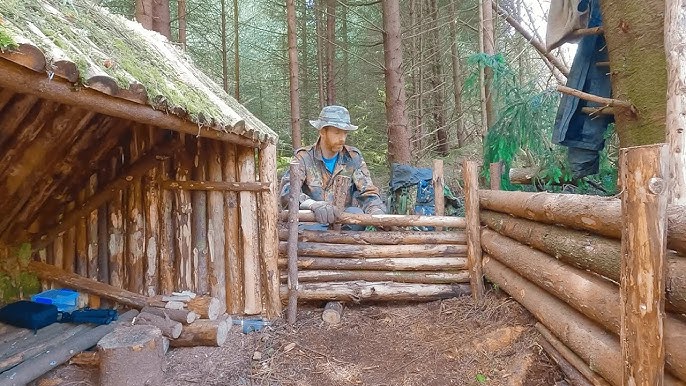
When the temperature drops and you find yourself in the wild, staying warm isn’t just about comfort—it can be a matter of life and death. You might think building a shelter is enough, but without the right techniques, your shelter could leave you cold and vulnerable.
Imagine being able to create a safe, warm space that protects you from biting winds and freezing nights. This guide will show you simple, effective ways to keep your survival shelter warm, using materials and methods you can find or build anywhere.
Keep reading, because mastering these tips could make all the difference when you need warmth the most.
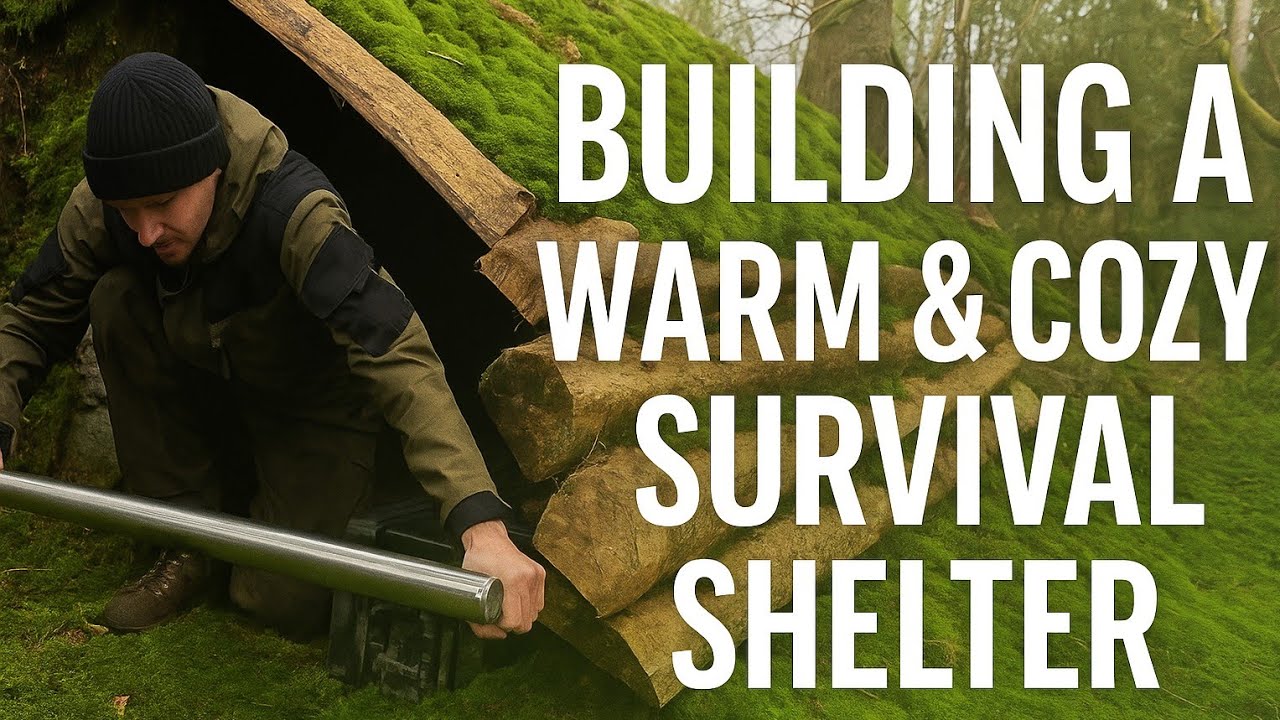
Credit: www.youtube.com
Choosing Shelter Location
Choosing the right location for your survival shelter affects warmth and safety. A good spot offers protection from harsh weather and natural elements. The location should help keep heat inside and block cold air. It can also provide easy access to resources needed for survival. Careful selection of the site improves comfort and chances of staying warm.
Avoiding Wind Exposure
Strong winds strip away body heat fast. Find a spot shielded by hills, rocks, or trees. Avoid open areas like ridges or flat fields. Position your shelter behind natural windbreaks to reduce wind impact. Face the entrance away from prevailing winds. This lowers cold air flow into your shelter.
Finding Natural Insulation
Use the environment to keep warmth inside your shelter. Look for dense bushes, fallen leaves, or thick grass near the site. These materials act as natural insulation. Build your shelter close to them for extra warmth. Ground insulation is vital. Place branches or leaves under your shelter floor to block cold from the earth.
Proximity To Water Sources
Water is essential for survival but can cause cold and dampness. Set your shelter at a safe distance from lakes or streams. Avoid low spots where water collects after rain. Staying near water helps with hydration and cooking. Choose a location that balances access and dryness to maintain warmth.
Building Insulated Shelters
Building insulated shelters is essential for staying warm in survival situations. Proper insulation keeps body heat inside and cold air out. It creates a barrier against wind and moisture. Using available materials wisely can make a big difference. The right shelter design helps conserve energy and prevents hypothermia.
Using Snow As Insulation
Snow is an excellent insulator because it traps air in its structure. Packing snow around a shelter can block wind and retain warmth. Creating a snow wall or dome shelters like an igloo works well. Make sure the snow is compact but not icy. Ventilation holes are necessary to avoid suffocation.
Constructing Debris Huts
Debris huts use branches, leaves, and other natural items to trap heat. Start by forming a sturdy frame with large sticks. Cover the frame with layers of leaves, grass, or pine needles. The thicker the debris, the better the insulation. These huts blend into nature and protect from cold winds.
Utilizing Natural Materials
Natural materials like moss, bark, and grass are great for insulation. They fill gaps in shelter walls to stop cold drafts. Moss and grass also absorb moisture, keeping the inside dry. Use bark strips to cover the shelter’s exterior for extra wind protection. Choose materials that are dry and abundant in the area.
Layering For Warmth
Layering is crucial for warmth in survival shelters. It traps heat and keeps you cozy. Understanding how to layer effectively is essential. Let’s explore some key aspects of layering for warmth.
Selecting Proper Clothing
Choose clothes made from wool or synthetic materials. These fabrics retain heat well. Avoid cotton as it holds moisture. Wear multiple thin layers instead of one thick one. This approach traps warm air better. Ensure your outer layer is wind and water-resistant. This protects you from harsh weather.
Managing Moisture
Moisture can make you cold quickly. Keep your clothes dry to stay warm. Use breathable layers to wick sweat away. Change out of wet clothes immediately. This prevents heat loss and maintains comfort. Always have a dry set of clothes as a backup.
Insulating Sleeping Areas
Insulate your sleeping area to preserve heat. Use materials like leaves or pine needles underneath. These create a barrier from the cold ground. Ensure your sleeping bag is rated for cold temperatures. Wrap yourself in an additional blanket if available. A well-insulated area ensures a restful and warm sleep.

Credit: www.youtube.com
Maintaining Heat Inside Shelter
Maintaining heat inside a survival shelter is crucial for comfort and safety. Cold temperatures can cause hypothermia quickly. A well-heated shelter keeps your body warm and energy up. It also creates a cozy, safe space to rest. Proper heat management balances warmth and air quality. Avoid trapping moisture and smoke inside while keeping the heat steady.
Safe Fire Building Techniques
Choose a dry, clear area inside or near the shelter for fire. Use small, dry twigs and sticks for kindling. Build the fire away from flammable materials like leaves and fabric. Keep the fire low and controlled to avoid accidents. Always have water or dirt nearby to put out the fire fast. Use stones or a fire ring to contain flames and embers. Never leave the fire unattended.
Heat Retention Strategies
- Insulate walls and floors with leaves, pine needles, or blankets.
- Close all openings tightly to block cold air.
- Use natural barriers like snow walls or windbreaks outside.
- Layer sleeping bags or clothing to trap body heat.
- Reflect heat inside by placing shiny objects near the fire.
- Keep the shelter small to concentrate warmth.
Ventilation For Safety
Allow fresh air to enter to prevent carbon monoxide buildup. Create a small vent near the roof or side of the shelter. Keep the vent open just enough to let smoke escape. Avoid sealing the shelter completely. Check airflow regularly to keep the fire burning clean. Proper ventilation reduces the risk of suffocation and fire hazards.
Body Heat And Movement
Body heat and movement play a key role in staying warm inside a survival shelter. Your body produces heat naturally, and movement helps increase this heat. Managing heat loss is just as important as generating warmth. Understanding how to use your body heat effectively can make a big difference in cold conditions.
Generating Heat Through Activity
Small movements boost blood flow and create heat. Stretching, light exercises, or pacing inside your shelter can raise your body temperature. Avoid sweating. Wet clothes cool you down quickly. Stay active but control your effort to prevent getting too wet.
Using Body Heat Sharing
Sharing body heat with others is a proven way to stay warm. Huddle close to share warmth. Skin-to-skin contact traps heat and reduces exposure to cold air. Use blankets or sleeping bags to keep the heat between bodies. This method works best in groups.
Preventing Heat Loss
Heat escapes through the head, hands, and feet. Wear a hat and gloves to keep these areas warm. Use layers of clothing to trap warm air close to your skin. Block drafts in your shelter by sealing gaps. Insulate the floor with leaves or mats to avoid losing heat downward.
Emergency Warmth Tips
Staying warm in a survival shelter is crucial. Emergency warmth tips help prevent hypothermia and keep energy high. Simple techniques and materials can make a big difference. Focus on using what you have around you and staying as insulated as possible.
Improvised Heat Sources
Use natural materials like dry leaves and small branches to create a fire. Build a small, controlled fire inside a safe area of your shelter. Rocks heated by fire can release warmth for hours. Always keep ventilation to avoid smoke inhalation. Body heat shared in close quarters also helps maintain warmth.
Emergency Blankets
Emergency blankets reflect body heat back to you. Wrap yourself tightly to trap warmth. Place a blanket under and over you to reduce heat loss. These blankets are lightweight and easy to carry in a survival kit. Even plastic bags can work if no blanket is available.
Signaling For Help
Staying warm is important, but signaling for rescue is vital. Use bright clothing or materials to attract attention. Create smoke signals by adding green leaves to your fire. Reflect sunlight with a mirror or shiny object. Keep your signals clear and visible from the air or distance.

Credit: www.youtube.com
Frequently Asked Questions
How Can I Insulate My Survival Shelter Effectively?
Use natural materials like leaves, pine needles, or moss to line the shelter walls and floor. These trap heat. Adding a tarp or emergency blanket helps block wind and retain warmth.
What Is The Best Shelter Shape For Staying Warm?
A dome or A-frame shape is ideal. These shapes minimize exposed surface area and help retain body heat inside the shelter.
How Do I Prevent Heat Loss In A Survival Shelter?
Seal gaps and cracks to block cold air. Use a small, safe heat source like a candle or body heat to maintain warmth.
Which Materials Provide The Best Warmth For Shelter Bedding?
Dry leaves, pine needles, or grass are excellent insulators. Place them thickly on the shelter floor to create a warm sleeping layer.
Conclusion
Staying warm in a survival shelter saves lives. Use natural materials for insulation and block wind well. Keep your body heat inside by sealing gaps. Always have dry clothing and bedding ready. Small fires help but keep them safe. Stay calm and focused on warmth.
Your shelter can be a cozy refuge. Remember, warmth means comfort and safety. Prepare, protect, and survive.