When an emergency strikes, making sure your dog has enough food is just as important as having supplies for yourself. You want to keep your furry friend safe, healthy, and comfortable no matter what happens.
But do you know the best way to store dog food so it stays fresh and ready to use when you need it most? You’ll discover simple, effective tips to store your dog’s food properly. By following these easy steps, you’ll avoid wasted food, save money, and ensure your pet never goes hungry during an emergency.
Keep reading to find out how you can be fully prepared for whatever comes your way.

Credit: www.forbes.com
Choosing The Right Dog Food
Choosing the right dog food for emergency storage is important. The food must stay fresh and meet your dog’s needs during tough times. Picking the best type helps keep your dog healthy and happy. Consider how long the food lasts and what nutrients it provides. This ensures your dog gets good care even in emergencies.
Dry Vs. Wet Food For Storage
Dry dog food is easier to store. It lasts longer and needs less space. Dry food is less likely to spoil quickly. Wet food has more moisture and can spoil faster. It needs to be sealed tightly and stored in cool places. Dry food is usually better for long-term storage. Wet food can be stored but in smaller amounts and with care.
Shelf Life Considerations
Check the expiration date before storing any dog food. Dry food can last up to a year if kept sealed. Wet food generally has a shorter shelf life. Store food in airtight containers to keep it fresh. Keep the storage area cool and dry. Avoid places with high heat or humidity. Rotate your stock to use older food first. This prevents waste and keeps food fresh.
Nutritional Needs During Emergencies
Your dog still needs balanced nutrition during emergencies. Food should have proteins, fats, vitamins, and minerals. Avoid foods with too many fillers or artificial ingredients. Emergency food should support energy and health. Choose food that suits your dog’s age and health condition. Keep a variety of foods to ensure proper nutrition. This helps your dog stay strong and comfortable.
Credit: www.nytimes.com
Storage Containers And Materials
Proper storage containers and materials protect dog food during emergencies. They keep food fresh, dry, and free from pests. Choosing the right container extends shelf life and preserves nutrients. Consider durability, sealing ability, and food safety when selecting storage options.
Airtight Containers
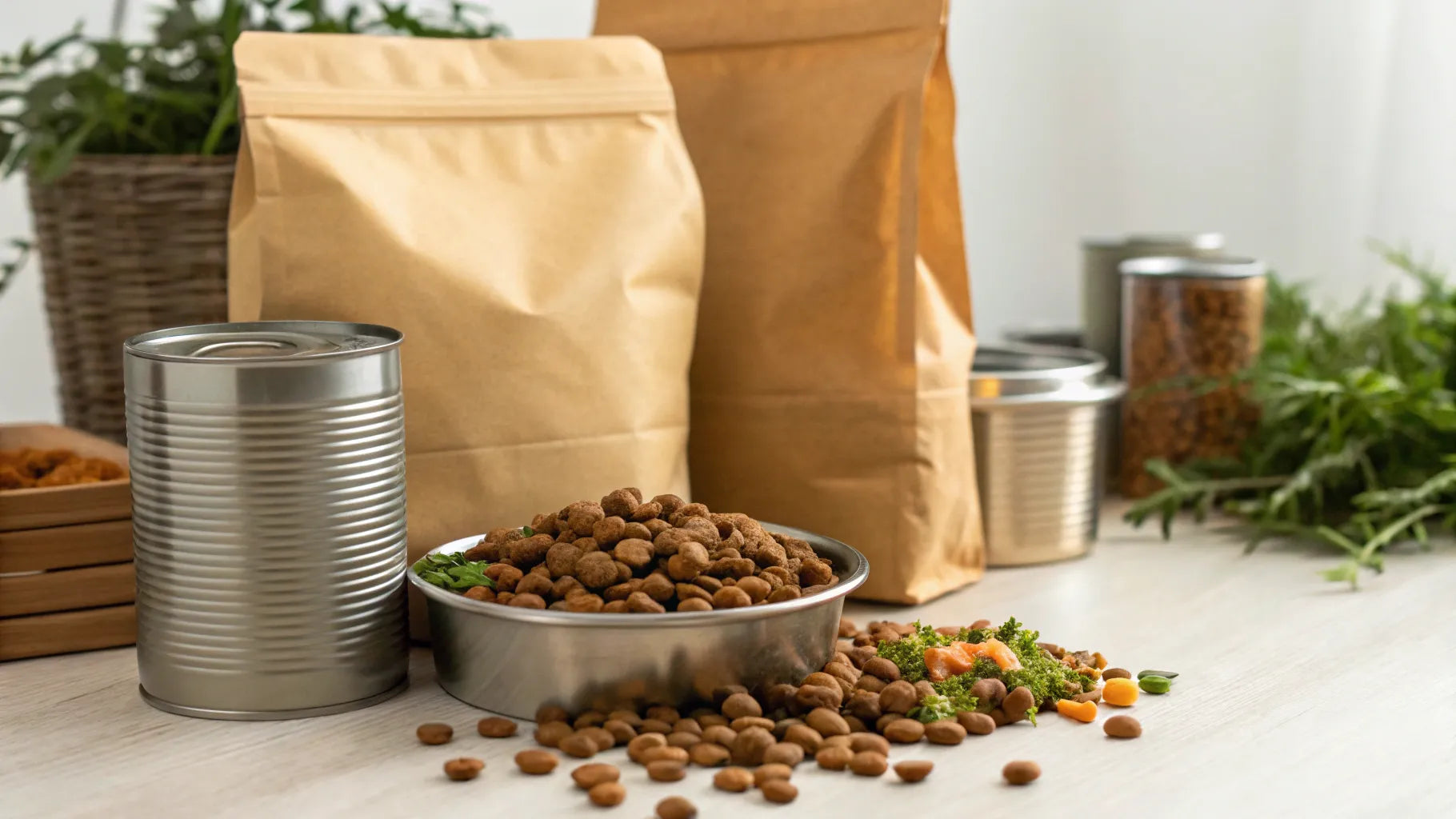
Airtight containers prevent air and moisture from spoiling dog food. They block oxygen, which causes food to go stale quickly. Use containers made of plastic or glass with tight lids. Clear containers help you see food levels easily. Seal containers immediately after each use to maintain freshness.
Food-grade Buckets
Food-grade buckets offer a large, secure storage option. These buckets are made from safe materials that do not leach chemicals. They often come with airtight lids and handles for easy transport. Buckets protect food from pests, moisture, and light. Label each bucket with the food type and date stored.
Vacuum Sealing Benefits
Vacuum sealing removes air to keep dog food fresh longer. This method reduces oxidation and prevents mold growth. Vacuum bags are space-saving and easy to store. They protect against moisture and insects. Use vacuum sealing for both dry kibble and homemade treats.
Ideal Storage Conditions
Store dog food in a cool, dry place away from sunlight to keep it fresh. Use airtight containers to prevent moisture and pests. Proper storage helps maintain the food’s quality during emergencies.
Ideal storage conditions for dog food during emergencies are crucial to ensure your furry friend stays healthy and happy. You might not think twice about where you stash those bags of kibble, but the right environment can significantly extend the shelf life and maintain the nutritional quality of the food. Let’s dive into the essential aspects of creating the perfect storage conditions.Temperature Control
Keeping dog food at a consistent temperature can be a game changer. Ideally, store the food in a cool, dry place with temperatures ranging from 50°F to 70°F. I once left a bag of kibble in the garage, and the fluctuating temperatures made it spoil faster than expected. Extreme temperatures can degrade the quality of the food. Heat can cause fats to go rancid, while freezing temperatures might break down important nutrients. Consider using a basement or a climate-controlled room to store your supplies safely.Humidity And Moisture Prevention
Moisture is a silent enemy for dog food. High humidity can lead to mold growth, ruining the food and posing a health risk to your pet. Use airtight containers to keep moisture out and freshness in. I learned this the hard way when a sudden rainstorm increased the humidity in my storage area, leading to spoilage. Desiccant packs or silica gel can also help absorb excess moisture, providing an extra layer of protection.Light Exposure
Light, especially sunlight, can affect the nutritional quality of dog food. It can cause fats to oxidize, leading to rancidity and nutrient loss. Opt for opaque containers that block out light to preserve the food’s integrity. I once noticed the food stored in a transparent container lost its color and aroma faster. Keeping dog food in a dark corner or using a container with a UV-blocking lid can make a significant difference. Are you ensuring your dog’s emergency food stock is stored under ideal conditions? These small adjustments can mean the world to your pet’s health during unforeseen circumstances.Stock Rotation And Inventory Management
Keeping your dog’s emergency food supply fresh and ready requires more than just storing it away. Effective stock rotation and inventory management ensure that the food stays safe and nutritious when your pet needs it most. Managing this correctly can save you money and prevent waste, all while guaranteeing your dog’s health in emergencies.
First-in, First-out Method
The first-in, first-out (FIFO) method means you use the oldest dog food first before opening a new package. This simple approach helps prevent food from expiring unnoticed at the back of your storage. Place newly bought bags or cans behind the older ones on your shelf to keep this system working smoothly.
Imagine opening an emergency kit only to find the food expired—that’s frustrating and risky for your dog. By practicing FIFO, you avoid that problem entirely. It’s a small habit that can make a huge difference during an emergency.
Labeling And Dating
Label every bag or can with the date you purchased or opened it. Use waterproof markers or stickers for clear, lasting labels. This practice helps you track how long the food has been stored and know exactly when to use or replace it.
You might think you’ll remember purchase dates, but memory fades. Labels prevent guesswork and make your emergency stock more manageable. Keep a simple inventory list with dates alongside your stored food for quick reference.
Regular Inspection
Check your dog food supplies regularly—at least once every few months. Look for signs of spoilage like unusual smells, discoloration, or damaged packaging. This habit helps catch problems early, so you don’t end up with unusable food when you need it most.
During inspections, update your inventory list and remove any expired or damaged items immediately. Staying on top of this task keeps your emergency stash reliable and your dog safe. How often do you inspect your emergency supplies right now? Maybe it’s time to set a reminder.
Emergency Feeding Tips
Feeding your dog during an emergency requires more than just having food on hand. You need a plan that keeps your pet comfortable and healthy while using stored supplies. These emergency feeding tips will help you handle mealtime smoothly when routines are disrupted.
Transitioning To Stored Food
Your dog might be used to fresh or a specific type of food. Suddenly switching to stored food can upset their stomach or cause them to refuse eating. Start by mixing a small amount of stored food with their regular meals to help them adjust.
If your stored food is dry kibble but your dog usually eats wet food, try adding warm water to the kibble. This softens it and makes the texture closer to what they’re used to. How can you tell if your dog is adapting well? Watch for steady eating habits and normal bowel movements.
Portioning For Rations
During emergencies, food supplies might be limited. It’s important to portion meals carefully to make your stock last without starving your pet. Use a measuring cup or scale to serve consistent amounts each day.
- Divide daily food into smaller meals to avoid hunger pangs.
- Keep track of how many meals remain in your emergency stash.
- Adjust portions slightly if your dog’s activity level changes.
Have you ever noticed your dog’s appetite drop during stressful times? Smaller, more frequent meals can encourage eating even when they feel uneasy.
Supplementing Nutrition
Stored dog food might not cover all nutritional needs, especially over long periods. Adding fresh or frozen vegetables like carrots or green beans can provide extra vitamins and fiber. You can also offer small amounts of plain cooked meat or eggs.
Always avoid toxic foods such as onions, garlic, or chocolate. Keep a list of safe supplements handy to prevent mistakes. What safe treats does your dog enjoy that could boost their nutrition during emergencies?
Credit: www.houndsy.com
Common Mistakes To Avoid
Storing dog food for emergencies requires careful attention. Many pet owners make simple mistakes that reduce food quality and safety. Avoiding these errors keeps your dog healthy and well-fed during tough times.
Using Expired Food
Expired dog food loses nutrients and flavor. It may cause stomach upset or illness. Always check the expiration date before storing. Rotate older food first to use it before it expires.
Improper Storage Locations
Storing dog food in humid or hot places damages it quickly. Avoid areas like garages or near heaters. Choose a cool, dry spot with stable temperature. Keep food sealed tightly to prevent pests and moisture.
Ignoring Pet Preferences
Not considering your dog’s taste can waste emergency food supplies. Store the brand and type your dog likes. Sudden diet changes can upset your pet’s stomach. Keep familiar food available to ensure your dog eats well.
Frequently Asked Questions
How Long Can Dog Food Be Stored For Emergencies?
Dry dog food can last 12 to 18 months if unopened. Once opened, use it within 6 weeks. Store in a cool, dry place to maintain freshness and prevent spoilage.
What Is The Best Container For Storing Dog Food?
Use airtight, BPA-free containers to keep dog food fresh. These prevent moisture, pests, and air exposure that cause spoilage. Clear containers help monitor food levels easily.
Should Emergency Dog Food Be Rotated Regularly?
Yes, rotate emergency dog food every 6 to 12 months. This ensures your dog always has fresh food and reduces waste from expired products.
Can I Store Wet Dog Food For Emergencies?
Wet dog food has a shorter shelf life than dry food. Store unopened cans in a cool, dark place and use within their expiration date.
Conclusion
Storing dog food properly keeps your pet safe and healthy. Choose airtight containers to keep food fresh. Store food in a cool, dry place away from sunlight. Check expiration dates regularly to avoid spoiled food. Rotate stock by using older food first.
Preparing for emergencies means less stress later. Your dog depends on you for good care. Ready food storage shows your love and responsibility. Keep these tips in mind for peace of mind. Simple steps make a big difference in emergencies.