Imagine facing an emergency with a survival kit that’s missing key items or has expired supplies. How confident would you feel?
Your survival kit is only as good as how well you maintain it. You might have gathered everything you think you need, but without regular checks and updates, it could let you down when you need it most. You’ll discover simple, effective ways to keep your survival kit ready and reliable.
By following these easy steps, you’ll ensure your kit is always prepared to support you in any crisis. Keep reading to find out how to protect yourself and your loved ones by mastering the maintenance of your survival kit.

Credit: 72hours.ca
Kit Inspection
Regular inspection of your survival kit is vital. It ensures all items are ready for use during emergencies. A well-maintained kit can make a big difference in critical moments.
Inspection helps find expired supplies and broken tools early. It keeps the kit organized and reliable. Spend time checking each item carefully every few months.
Check Expiry Dates
Look at the expiration dates on food and medicine. Expired items can be unsafe or lose effectiveness. Replace anything past its date immediately. Mark the next review date on your calendar.
Assess Item Condition
Examine each item for damage or wear. Packaging should be intact and waterproof. Torn bags or rusted tools need replacement. Keep everything clean and dry to avoid mold or corrosion.
Test Equipment Functionality
Try out devices like flashlights, radios, or fire starters. Make sure batteries are fresh and working. Replace or repair anything that fails to operate properly. Reliable equipment is key for survival situations.
Inventory Management
Keeping your survival kit ready means managing its contents carefully. Inventory management helps you know what is inside and what needs attention. It ensures you have all essentials when an emergency happens. Regular checks prevent missing or expired items. This keeps the kit reliable and useful at all times.
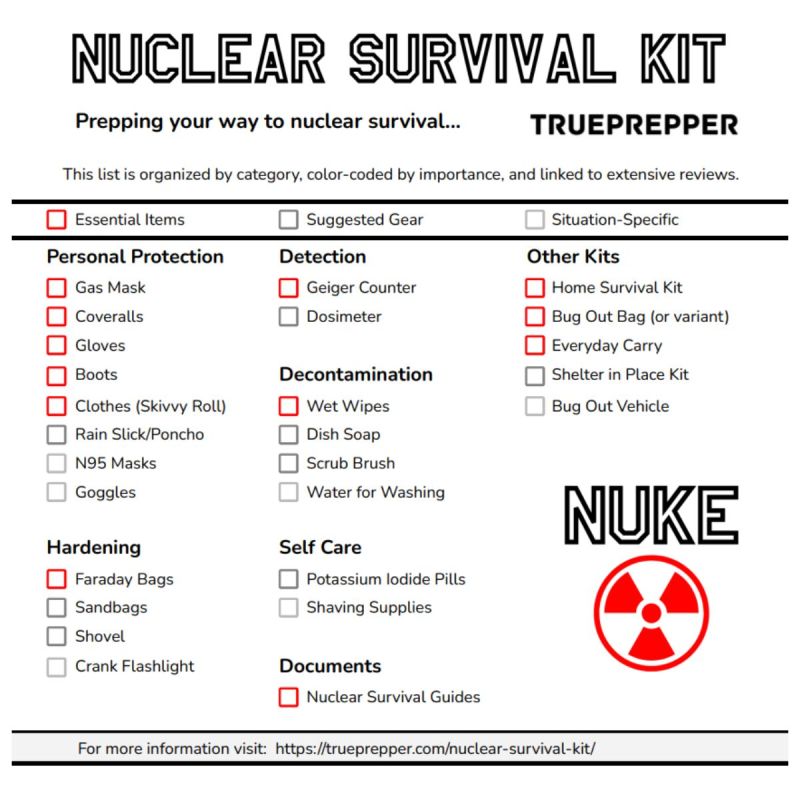
Create A Checklist
A checklist shows all items in the survival kit. Write down each product with quantities and expiration dates. Use simple lists or tables for clarity. This helps spot missing or expired supplies quickly. Keep the checklist updated every time you add or remove items.
Track Usage And Replacements
Note when you use any item from the kit. Replace used items immediately to keep the kit full. Track expiration dates and remove expired goods. Use a calendar or app to remind you of replacements. This prevents surprises during emergencies.
Update Items Seasonally
Weather and seasons affect what you need in your kit. Check your kit every few months. Add or swap items based on changing weather or conditions. For example, include extra water in summer and warm clothes in winter. Seasonal updates keep the kit practical and ready.
Storage Tips
Proper storage of your survival kit is crucial to keep all items safe and usable. Storing the kit in the right place helps protect it from damage and extends its life. This section shares simple tips to store your survival kit effectively.
Choose A Dry Location
Keep the survival kit in a dry place. Moisture can damage food, electronics, and paper items. Avoid basements or areas prone to leaks. A closet or shelf in a dry room works well. Use moisture absorbers like silica gel packets for extra protection.
Use Protective Containers
Store items in strong, waterproof containers. Plastic bins with tight lids work great. They keep dirt, bugs, and water out. Use clear containers to see contents quickly. Label each container with its contents and date. This helps with quick inventory checks.
Ensure Easy Accessibility
Place the survival kit where you can reach it fast. Avoid storing it in hard-to-reach spots. Mark the storage area clearly for all family members. Keep the kit off the floor to prevent damage. Regularly check and update the kit for easy use during emergencies.

Credit: pacificfirstaid.ca
Food And Water Care
Maintaining the food and water in your survival kit is crucial for ensuring you have safe and reliable nourishment when you need it most. Neglecting these essentials can lead to spoiled supplies or contaminated water, which could put your health at serious risk. Taking a few simple steps will help keep your kit ready for any emergency.
Rotate Supplies Regularly
Food items have expiration dates, and even long-lasting ones won’t stay fresh forever. Check your supplies every few months and replace anything nearing its expiry. This practice prevents waste and guarantees you have edible food when the time comes.
Think about your last experience with expired canned goods—did you risk eating them or toss them out? Keeping a rotation schedule can save you from that dilemma. Keep a list or set reminders on your phone to make this easier.
Store Water Properly
Water is the most important part of your survival kit. Store it in clean, food-grade containers that seal tightly to avoid contamination. Avoid using old milk jugs or bottles that can leak or degrade over time.
Place your water containers in a cool, dark place away from chemicals or direct sunlight. This reduces the chances of bacteria growth or plastic leaching into the water. Have you checked your water storage recently to ensure it’s still clear and fresh?
Include Purification Options
Even if you store water properly, having a way to purify it adds an extra layer of safety. Include water purification tablets, a small filter, or a portable purifier in your kit. These tools can make questionable water safe to drink.
Don’t rely solely on stored water. Emergencies may force you to use natural sources, so knowing you can purify water gives peace of mind. Have you tested your purification methods before? Practicing now can prevent surprises later.
First Aid Maintenance
Maintaining the first aid section of your survival kit is crucial for emergency readiness. Supplies must be in good condition and ready to use at all times. Regular checks help avoid surprises during urgent situations.
First aid items like bandages, medications, and tools need careful attention. This ensures they remain effective and safe. Neglecting maintenance could lead to ineffective treatment or harm.
Replace Used Bandages
Bandages protect wounds from infection and aid healing. Replace any bandages that have been used or damaged. Keep extra packs of various sizes for different injuries. Store them in a dry, clean place to avoid contamination.
Check Medication Validity
Expired medicines can lose effectiveness and may cause harm. Check the expiration dates on all medications regularly. Remove expired items and replace them with fresh supplies. Keep a list of the medications and their expiry dates for easy tracking.
Sanitize Tools Periodically
First aid tools like scissors, tweezers, and clamps must be clean. Sanitize these tools after use and regularly to prevent infection. Use alcohol wipes or boiling water for thorough cleaning. Store tools in a sealed container to keep them sterile.
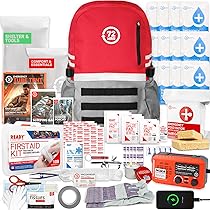
Credit: www.amazon.ca
Skill Refreshment
Keeping survival skills sharp is vital for effective use of your survival kit. Skills can fade without regular practice. A refreshed skill set ensures you act quickly and confidently during emergencies. Regular skill refreshment reduces panic and boosts your chances of survival.
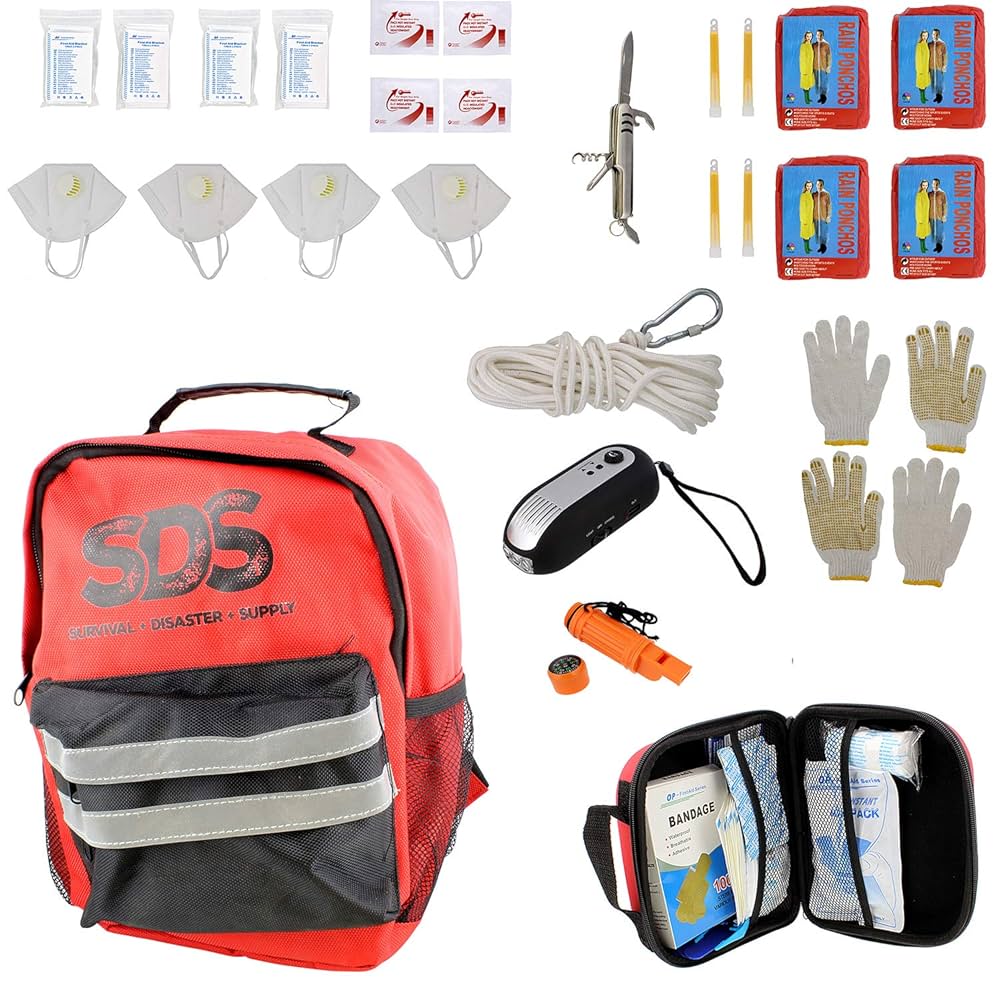
Practice Using Tools
Handle each tool in your kit often. Practice opening, using, and storing tools correctly. Familiarity with tools saves time and prevents mistakes. Try assembling shelters, starting fires, or using first aid items. Skill practice builds muscle memory for real situations.
Review Emergency Procedures
Go over emergency steps regularly. Read instructions aloud to remember them better. Visualize actions like signaling for help or treating wounds. Knowing procedures well helps you stay calm and focused. Keep a checklist handy for quick reviews.
Attend Training Sessions
Join courses on survival and first aid. Learn from experts and ask questions. Training provides hands-on experience with tools and techniques. Group sessions create a chance to practice teamwork. Refreshing knowledge through training improves your readiness.
Family And Group Coordination
Keeping your survival kit ready isn’t just about having the right supplies. It’s about making sure everyone in your family or group knows their role and can act quickly when needed. Coordination creates confidence, reduces panic, and ensures no one is left wondering what to do during an emergency.
Assign Responsibilities
Give each person a clear task related to the survival kit. Maybe one person checks and restocks food and water, while another handles first aid supplies. Assigning roles helps avoid confusion and spreads the workload evenly.
Think about individual strengths or limitations when assigning duties. For instance, if someone is good at organizing, they can keep track of expiration dates. This way, you make the best use of everyone’s skills and ensure all parts of the kit are maintained.
Communicate Kit Location
Make sure every family member or group participant knows exactly where the survival kit is stored. A hidden or hard-to-find location can waste precious time during an emergency. Share the location clearly and remind everyone regularly.
Consider creating a simple map or leaving clear written instructions where the kit is kept. Have a conversation about it rather than just telling, so you confirm everyone understands. How quickly can your group find the kit when seconds count?
Plan Regular Drills
Practicing how to use the survival kit builds muscle memory and confidence. Schedule regular drills where your family or group goes through the steps of accessing and using the kit. This makes sure everyone remembers their responsibilities and knows the location.
Use these drills to identify any gaps or outdated items in the kit. It’s also a chance to refresh skills like first aid or fire-starting. How often do you test your readiness to handle an unexpected situation?
Frequently Asked Questions
How Often Should I Check My Survival Kit?
Regularly inspect your survival kit every 3 to 6 months. Check for expired food, batteries, and damaged items. Replace or update supplies to ensure readiness for emergencies. Frequent checks maintain kit reliability and safety, keeping you prepared for unexpected situations.
What Items Need Frequent Replacement In A Survival Kit?
Food, water, batteries, and medications need frequent replacement. These items have expiration dates and degrade over time. Always monitor their condition during kit inspections. Keeping them fresh ensures your survival kit remains effective and safe for use.
How Do I Store A Survival Kit Properly?
Store your survival kit in a cool, dry place away from sunlight. Use airtight containers to protect contents from moisture and pests. Keep it easily accessible but secure from children. Proper storage preserves the kit’s functionality and extends the life of supplies.
Should I Customize My Survival Kit Regularly?
Yes, customize your survival kit based on seasonal changes and personal needs. Add items relevant to your environment, health, and family requirements. Regular updates ensure the kit suits current conditions and improves your chances of survival.
Conclusion
Keeping your survival kit ready is crucial. Check it regularly. Replace expired items immediately. Ensure everything is in good condition. Store it in a dry, accessible place. Familiarize yourself with each item. Practice using them. It saves time during emergencies.
Keep your kit updated with new essentials. Consider seasonal changes and adjust contents. A well-maintained kit boosts your confidence. It provides safety and peace of mind. Stay prepared for unexpected situations. Your readiness can make a big difference. Prioritize maintenance to ensure reliability.
Your safety depends on it. Remember, preparation is key to survival.