Are you wondering if Florida is giving out emergency food stamps right now? If your budget is tight or unexpected expenses have hit, knowing where to turn for help can make all the difference.
Emergency food assistance can provide quick relief when you need it most. You’ll discover exactly what’s available, who qualifies, and how you can apply. Keep reading to find out how you can get the support you deserve, fast and hassle-free.

Credit: www.economist.com
Current Food Stamp Programs In Florida
Florida offers several food assistance programs to support residents in need. These programs help low-income families buy groceries and maintain a healthy diet. Understanding the current food stamp options in Florida can help you find the right support quickly. The main program is SNAP, which stands for Supplemental Nutrition Assistance Program. It provides monthly benefits to eligible individuals and families. Florida also provides emergency food benefits during times of crisis.
Standard Snap Benefits
SNAP provides monthly funds loaded on an EBT card. This card works like a debit card for groceries. Eligible participants use it at most grocery stores and some farmers markets. Benefits depend on income, household size, and expenses. The program aims to cover a portion of monthly food costs. Participants must meet income and resource limits. Florida’s Department of Children and Families manages SNAP applications and benefits. It is open to citizens, legal residents, and certain other groups.
Emergency Allotments Explained
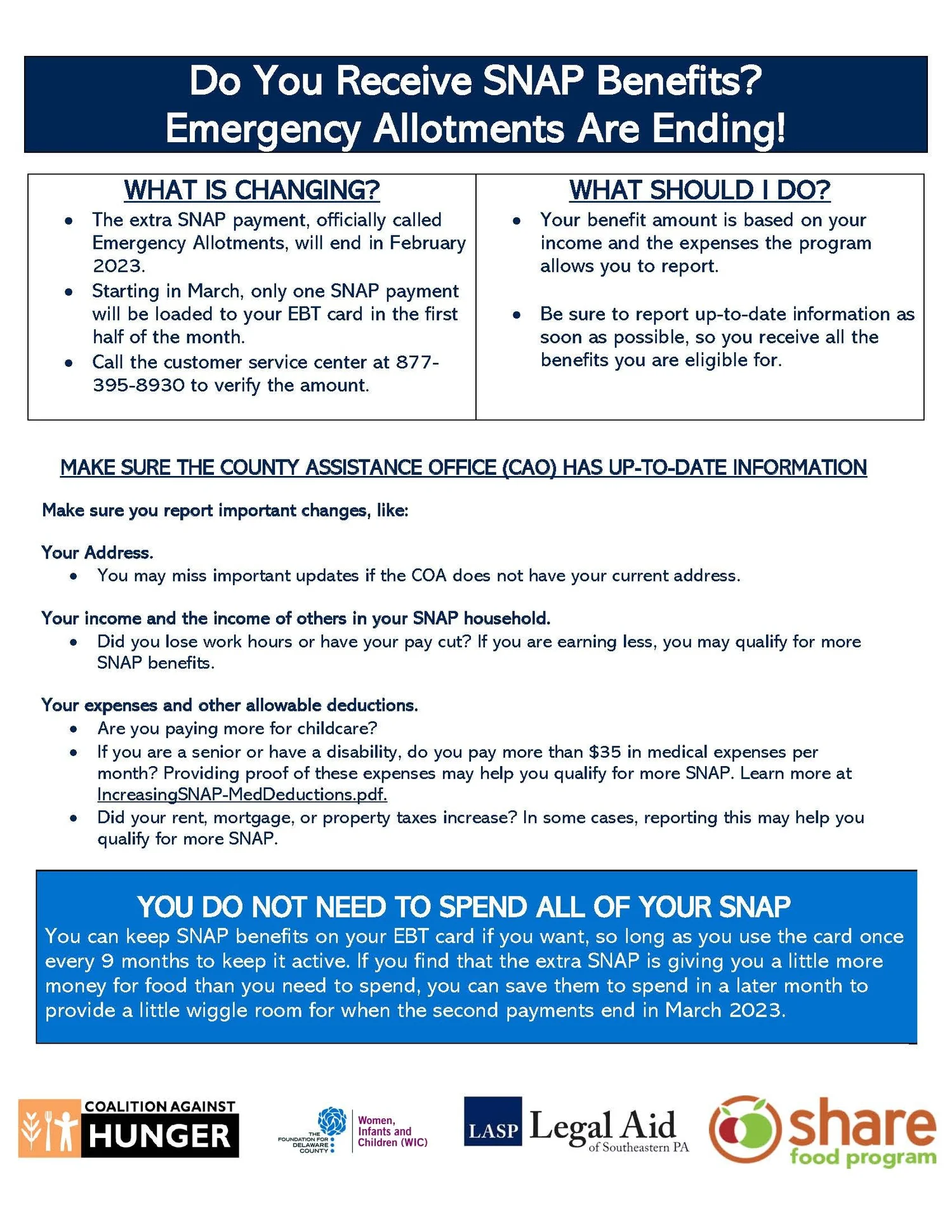
Emergency allotments provide extra food benefits during tough times. These are temporary boosts to regular SNAP benefits. Florida issues emergency allotments in cases of natural disasters or economic hardship. The extra funds help families buy more food quickly. Not all SNAP recipients qualify for emergency allotments. The state announces when these benefits become available. They help prevent hunger during emergencies or widespread crises.
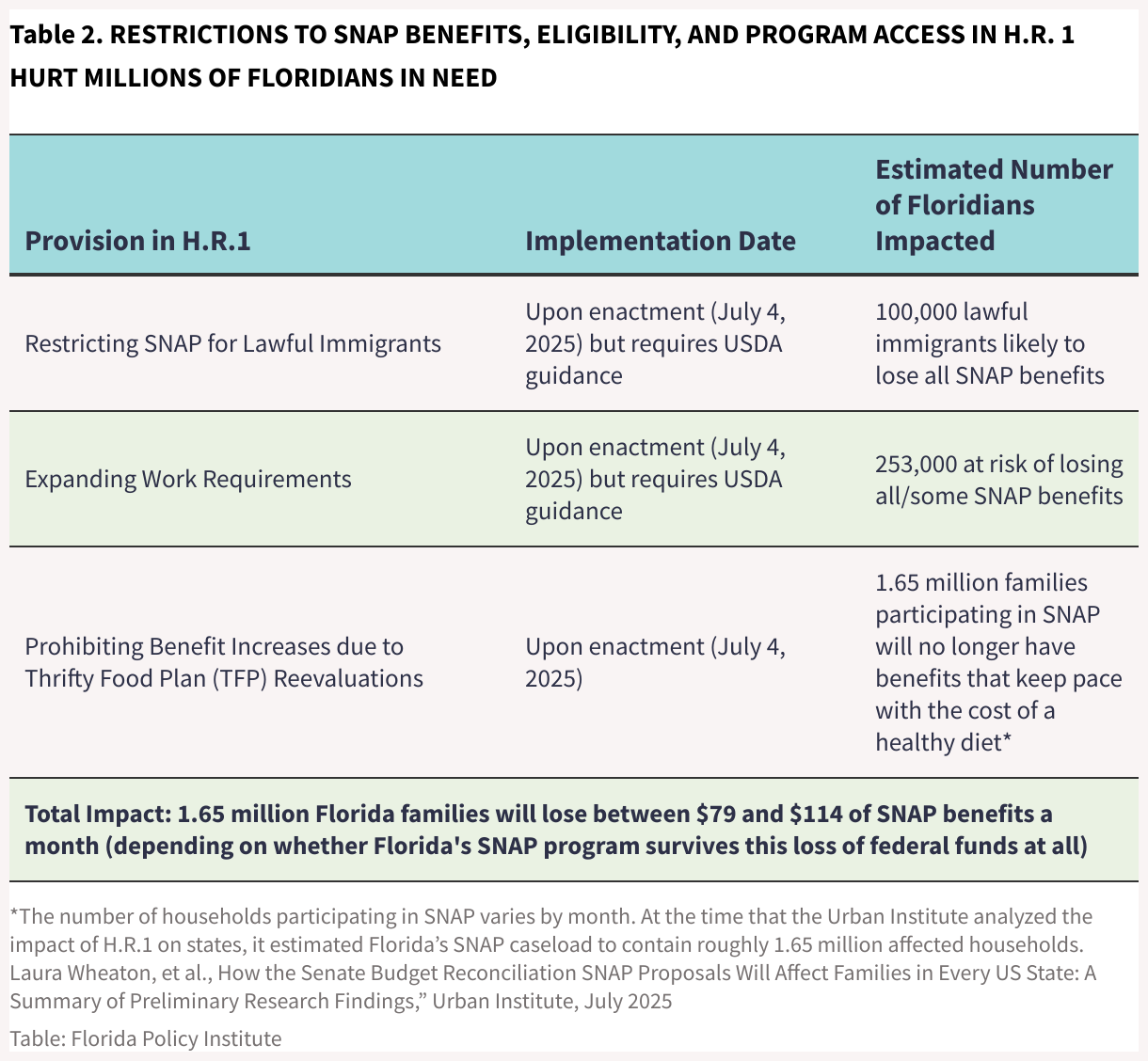
Credit: www.floridapolicy.org
Emergency Food Stamp Availability In 2025
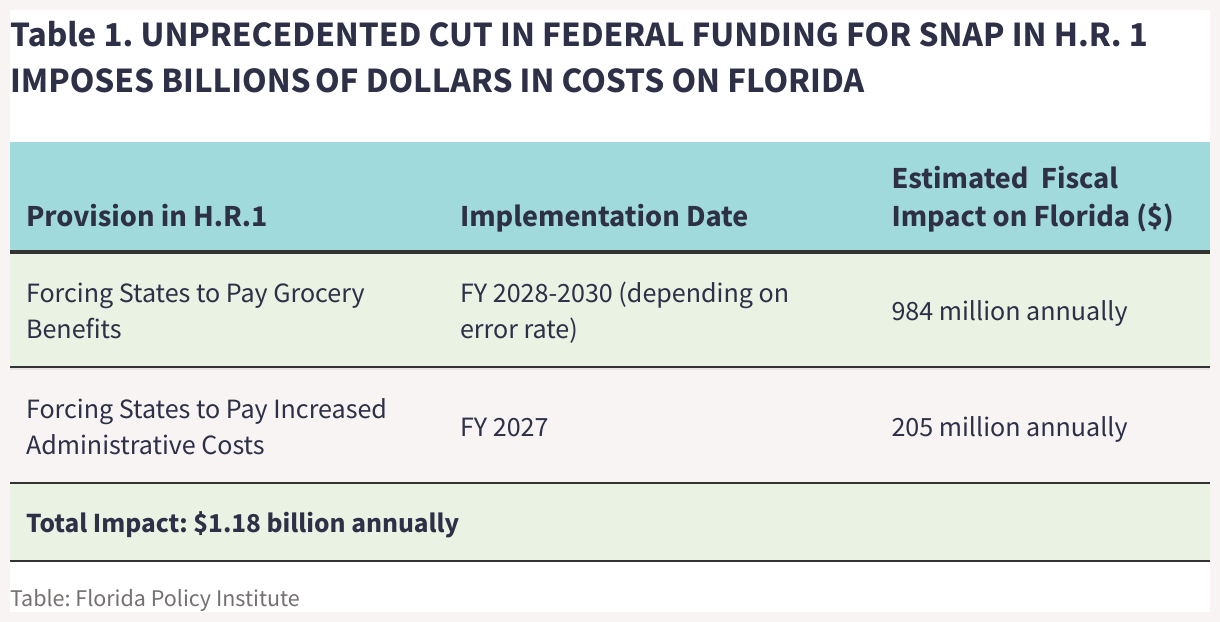
Emergency food stamps remain a crucial lifeline for many Floridians facing sudden financial hardship in 2025. The state continues to adapt its programs to meet urgent needs, especially during unexpected crises like natural disasters or economic downturns. Understanding the current availability and rules can help you access this support quickly when it matters most.
Recent Policy Changes
Florida has made several updates to emergency food stamp policies this year to improve access and speed up assistance. One notable change is the streamlined application process, allowing faster approvals for those impacted by emergencies. The state also expanded outreach efforts to ensure vulnerable groups, such as seniors and disabled individuals, are aware of these benefits.
Another key update includes temporary increases in benefit amounts during declared emergencies. This adjustment helps cover rising food costs and supports families who suddenly lose income. Have you checked if your area is currently under any emergency declarations affecting food stamp benefits?
Eligibility Criteria Updates
Eligibility for emergency food stamps in Florida has been slightly broadened to include more households experiencing sudden income loss. Now, even those who typically wouldn’t qualify under normal circumstances might get help if they face unexpected job loss or disaster-related expenses.
The state requires proof of emergency impact, such as eviction notices or disaster damage reports, to process applications faster. You should gather these documents early to avoid delays. Also, keep in mind that eligibility now considers recent changes in household size or income, so updating your information promptly can be crucial.
Are you aware of all the documents you need to prove your emergency status? Preparing them ahead can make a big difference in how quickly you receive assistance.
How To Apply For Emergency Food Stamps
Florida offers emergency food stamps to help families in urgent need. Applying is quick and done online or at local offices. Proof of income and residency is usually required.
Accessing emergency food stamps in Florida is crucial during tough times. Knowing the application process can ease stress and provide support. Two main options exist for applying: online and in-person. Each method has unique steps and benefits.Online Application Process
Applying online is convenient and quick. Here’s a simple guide:- Visit the official Florida Department of Children and Families website.
- Create an account or log in if you already have one.
- Fill out the application form with accurate information.
- Submit required documents, like ID and proof of income.
- Review all details before submitting your application.
In-person Assistance Locations
Prefer personal guidance? Visit a local assistance center. They offer support for those without internet or needing help:- Find the nearest Florida Department of Children and Families office.
- Bring necessary documents, such as identification and income proof.
- Staff will guide you through the application process.
- Ask questions to ensure you understand each step.
Additional Resources For Food Assistance
Access to food assistance extends beyond emergency food stamps in Florida. Various resources provide vital help to individuals and families facing food insecurity. These options ensure no one goes hungry during tough times. Exploring local and community options can connect people with reliable food support quickly.
Local Food Banks And Pantries
Food banks and pantries offer free groceries to those in need. Many are spread throughout Florida, serving communities directly. They provide fresh produce, canned goods, and sometimes household items. Visiting a local pantry can ease immediate hunger without paperwork. Most food banks operate on a walk-in or appointment basis. They rely on donations and volunteers to help families.
- Check for nearby locations through local government sites.
- Some pantries offer special services for seniors and children.
- Food distribution events occur regularly in many neighborhoods.
Community Support Programs
Community programs focus on long-term food stability and support. They often include meal services, nutrition education, and food delivery. These programs work with schools, churches, and nonprofit groups. Some programs help with applying for state aid like SNAP. They create networks of support for ongoing food security. Participation may require basic registration but usually no fees.
- Look for community kitchens providing free meals daily.
- Programs may offer help with budgeting and meal planning.
- Transportation assistance is available in some areas for food access.
Tips For Managing Food Benefits Effectively
Managing food benefits wisely can ease financial stress and improve nutrition. Careful planning helps you stretch your benefits further. Understanding rules and staying organized prevents delays and errors. Simple habits make a big difference in using food stamps effectively.
Maximizing Your Benefits
Plan your shopping list based on your monthly benefit amount. Buy nutritious foods like fruits, vegetables, and whole grains first. Use coupons and discounts to save more money. Shop sales and bulk deals for items you use often. Avoid buying non-food items with your benefits to keep your balance intact.
Keep track of your benefit balance regularly. Use apps or notes to monitor spending. This helps avoid running out of benefits before the month ends. Cooking meals at home saves money and stretches your food supply. Freeze leftovers to reduce waste and enjoy meals later.
Avoiding Common Application Mistakes
Fill out forms carefully and double-check all information. Mistakes can delay approval or reduce your benefits. Submit required documents on time to prevent application rejection. Keep copies of all paperwork for your records. Respond promptly to any requests from the office handling your case.
Update your address, income, or household changes immediately. Failure to report changes can cause problems with your benefits. Ask for help if you don’t understand any part of the application. Many offices offer assistance in simple language to guide you.

Credit: ediblesouthflorida.ediblecommunities.com
Frequently Asked Questions
Is Florida Currently Issuing Emergency Food Stamps?
Yes, Florida is providing emergency food stamps through the SNAP program. This aid supports families facing sudden financial hardship. Eligibility depends on income, family size, and emergency circumstances. Applications can be submitted online or at local social services offices.
How Do I Apply For Emergency Food Stamps In Florida?
You can apply online through the ACCESS Florida portal or visit your local Department of Children and Families office. Required documents include ID, proof of income, and residency. The process is quick to ensure timely support during emergencies.
Who Qualifies For Emergency Food Stamps In Florida?
Individuals or families with urgent financial needs may qualify. Low income, job loss, or natural disasters are common qualifying reasons. Eligibility is assessed case-by-case, considering household size and income limits set by the state.
How Long Does Emergency Food Stamp Assistance Last In Florida?
Emergency food stamp benefits are typically granted for a limited period, often 3 to 6 months. Extensions depend on ongoing financial need and updated eligibility reviews. Recipients should reapply or update information as required.
Conclusion
Florida provides emergency food stamps to help many families in need. These benefits offer quick support during tough times. Applying is simple through local offices or online. Stay updated on eligibility rules and deadlines. Getting help can ease food worries and bring peace.
Remember, assistance programs exist to support you. Don’t wait if you need extra food aid now. Reach out and find the help available today.