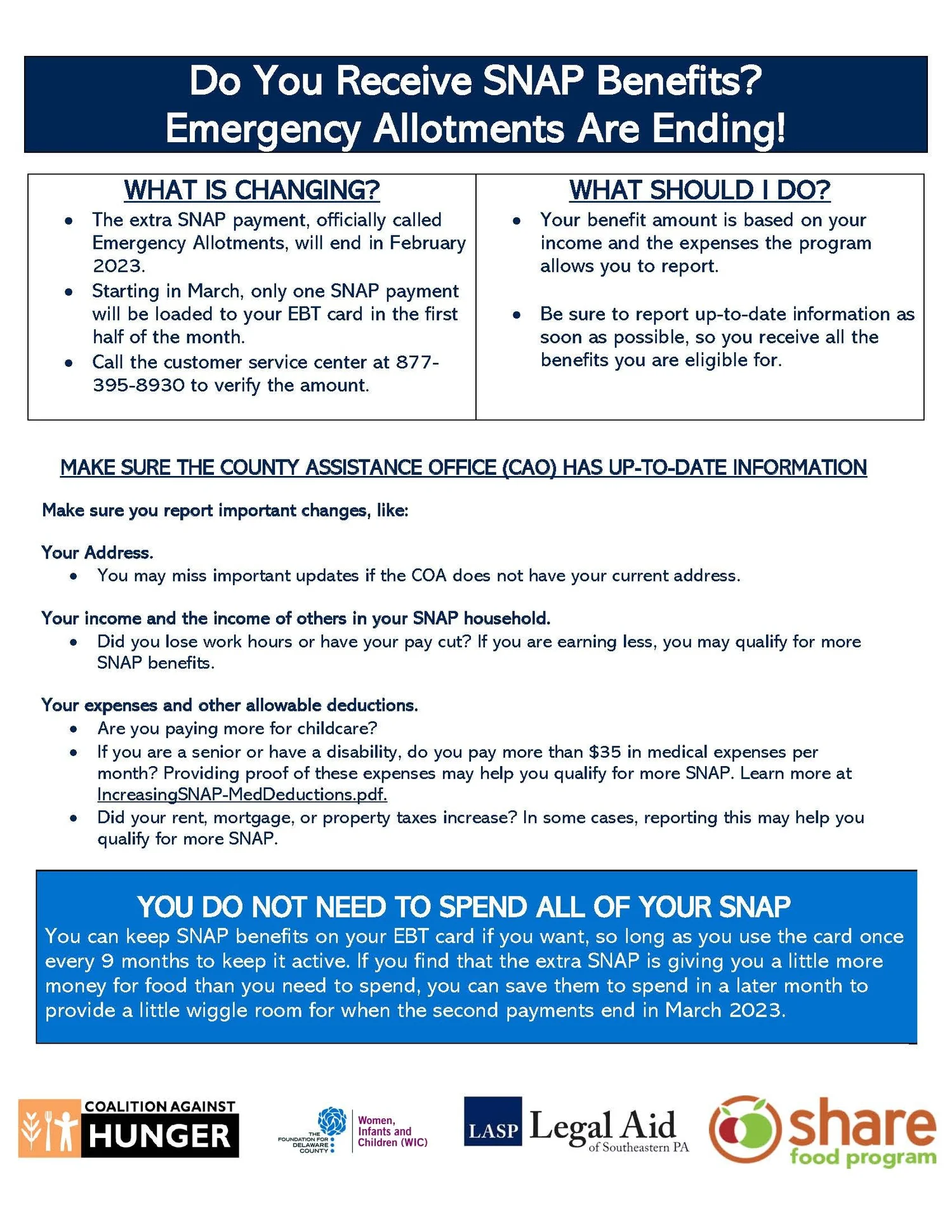
Are you wondering if you’ll receive emergency food stamps this month? With rising prices and unexpected expenses, getting extra help with groceries can make a big difference for you and your family.
You might be asking yourself when and how this support will arrive, or if you even qualify. Keep reading to find out everything you need to know about emergency food stamps—so you can plan ahead and ease your worries. Don’t miss the key details that could help you put food on the table sooner than you think.
Current Status Of Emergency Food Stamps
Understanding the current status of emergency food stamps is essential if you’re counting on this support to manage your monthly groceries. Emergency food stamps, often provided through special government programs, can change based on policy updates, funding, and local administration. Staying informed helps you plan better and avoid unexpected gaps in assistance.
Availability Of Emergency Food Stamps This Month
As of now, emergency food stamps are being distributed in many areas, but the availability varies by state and local agencies. Some states have extended emergency benefits due to ongoing economic challenges, while others have returned to regular SNAP schedules.
Check with your local Department of Social Services or SNAP office to see if emergency benefits are active in your region this month. Have you reached out to your local office recently? That quick call or visit could save you a lot of stress.
How To Apply Or Renew Emergency Food Stamps
If you’re eligible for emergency food stamps, the application process is usually straightforward but requires up-to-date documentation. You will need proof of income, residency, and household size, similar to regular SNAP applications.
Many agencies now offer online applications or phone renewals to speed up the process. Have you gathered your documents yet? Being prepared can make the difference between receiving benefits on time or facing delays.
Impact Of Emergency Food Stamps On Your Budget
Emergency food stamps can provide a vital boost to your monthly food budget, especially if unexpected expenses arise. This support helps you focus your resources on other essentials like rent, utilities, or medicine.
Consider tracking your spending before and after receiving emergency benefits to see how much relief they provide. How would an extra $100 or $200 for groceries change your month?
What To Do If Emergency Food Stamps Are Not Available
Sometimes, emergency food stamps may not be offered due to funding limits or policy changes. If this happens, explore other local resources like food banks, community pantries, and nonprofit organizations.
Don’t hesitate to ask for help—many communities have multiple options for food assistance beyond government programs. Have you checked online community boards or social media groups for local aid?

Credit: www.youtube.com
Eligibility Criteria Changes
Changes to the eligibility criteria for emergency food stamps can directly affect whether you receive assistance this month. Understanding these changes helps you prepare your application and know what to expect. The latest updates focus on income limits, household size, and documentation requirements.
Income Limits Adjustments
The income thresholds have been updated to reflect the current cost of living. This means some households that previously qualified might now be ineligible, while others on the edge could qualify. Have you checked your recent income against the new limits?
- Gross monthly income limits have increased slightly in many states.
- Some states now consider deductions like childcare costs when calculating income.
- Self-employed individuals may need to provide more detailed income proof.
Household Size Redefinition
The way household size is counted has changed in certain areas, impacting eligibility. For example, some programs now include foster children or temporarily absent family members. This change can increase the number of people considered in your household, affecting benefit amounts.
- Include all dependents living with you, even if temporarily away.
- Verify if non-relatives who share your home are counted.
- Changes like these might raise the benefits you receive.
Documentation Requirements
Proving eligibility now demands more thorough paperwork in many places. You might need to provide recent pay stubs, rent receipts, or utility bills. Missing documents can delay or reduce your benefits, so getting organized is key.
- Keep copies of identification for all household members.
- Prepare to show proof of income for the last 30 days.
- Some states require proof of expenses like medical bills or childcare.
Have you gathered all necessary documents for your application? Staying ahead ensures you won’t miss out on the support you need this month.
Application Process Updates
Applying for emergency food stamps can be daunting. Recent updates simplify the application process. These changes aim to help families quickly. Understanding the steps can reduce stress. Here’s what you need to know.
Where To Apply
Start your application online or in person. Most states offer both options. Visit your state’s official website for details. Local Department of Social Services offices can assist. They provide guidance and support.
Required Documents
Gather necessary documents before applying. This ensures a smooth process. Typically, you’ll need:
- Proof of identity, like a driver’s license
- Income verification, such as pay stubs
- Proof of residency, like a utility bill
- Social Security numbers for household members
Having these ready speeds up the application.
Processing Times
Processing times vary by state. Most applications process within 30 days. Emergency requests might process faster. Check with local offices for specific timelines. Stay informed about your application’s status.
Federal And State Program Coordination
Federal and state governments work closely to manage emergency food stamp programs, ensuring timely support for those in need. This coordination is crucial because it affects how quickly and effectively you might receive assistance during tough times. Understanding how these programs align can help you navigate the process better and know what to expect.
How Federal Guidelines Shape State Implementation
The federal government sets broad rules for food stamp programs, including eligibility criteria and benefit amounts. States then apply these rules but have some flexibility in how they run their own programs. This means the speed and availability of emergency food stamps can vary depending on where you live.
For example, some states may approve emergency benefits within days, while others might take longer due to administrative processes. This can feel frustrating if you need help urgently. Are you aware of how your state handles these timelines?
Communication Between Agencies
Federal and state agencies communicate regularly to update policies and share data. This helps prevent delays and errors when you apply for emergency food stamps. A smooth flow of information means your application moves faster through the system.
Still, technical glitches or staffing shortages can slow things down. Have you encountered issues where your case seemed stuck because of miscommunication? Understanding this can prepare you to follow up more effectively.
Impact On Your Emergency Food Stamp Benefits
The coordination between federal and state programs directly affects the amount and timing of your emergency benefits. If both levels work well together, you receive the right support quickly. If not, you might face waiting periods or reduced benefits.
Knowing these dynamics can help you stay proactive. For instance, keeping track of updates from your state’s food assistance office or reaching out early can make a difference. How often do you check for program changes that could affect your benefits?
Impact Of Recent Legislation
Recent laws have shaped how emergency food stamps work this month. These changes affect who qualifies and how much help is given. Understanding these updates helps you know what to expect.
Some new rules increase funding for food assistance programs. This means more resources may be available for families in need. Other changes focus on simplifying the application process.
Lawmakers aim to reach more people quickly. They also want to reduce paperwork and delays. These efforts can make emergency food stamps easier to get.
Changes In Eligibility Criteria
New legislation adjusts income limits for food stamp eligibility. More low-income households can now qualify for aid. Some asset limits have also been relaxed to include more applicants.
Increased Funding For Emergency Assistance
The government allocated extra funds for emergency food programs. This helps states provide more benefits during crises. It also supports food banks and local organizations.
Streamlined Application Process
Recent laws promote faster, simpler applications. Online and phone options have expanded to reduce delays. This helps applicants get support without long waits.
Temporary Benefit Boosts
Some legislation includes short-term increases in benefit amounts. These boosts provide extra help during emergencies. They aim to ease food insecurity quickly.
Tips For Maximizing Benefits
Maximizing emergency food stamp benefits helps stretch your budget further. Small actions can make a big difference in your monthly food supply. Planning and smart choices increase the value of your assistance.
These tips guide you to use benefits wisely and avoid waste. They focus on making every dollar count and improving your food security during tough times.
Track Your Spending Carefully
Keep a record of your food purchases. This prevents overspending early in the month. Knowing your balance helps plan meals better. Use simple notes or apps to track expenses daily.
Plan Meals Ahead
Create a weekly meal plan based on your benefit amount. Choose affordable and nutritious foods. Planning avoids last-minute buying and impulse purchases. It also reduces food waste.
Buy In Bulk For Non-perishables
Purchase items like rice, beans, and pasta in larger quantities. Bulk buying usually costs less per unit. These foods last longer and provide good nutrition. Store them properly to keep them fresh.
Use Coupons And Store Deals
Look for coupons and sales on essential items. Combine coupons with store discounts to save more. Check weekly ads before shopping. This helps buy needed items at lower prices.
Choose Fresh Produce Wisely
Select fruits and vegetables that are in season. They are cheaper and taste better. Frozen vegetables can be a good alternative. They last longer and keep nutrients well.
Cook At Home More Often
Home-cooked meals cost less than takeout or ready-made food. Prepare simple recipes using your food stamps. Cooking in bulk saves time and money. Freeze leftovers for future meals.
Understand Benefit Rules
Know what items are allowed for purchase. Avoid buying non-eligible products to prevent loss of benefits. Contact your local office for clarification. Staying informed helps use benefits correctly.
Resources For Additional Support
Finding extra help beyond emergency food stamps can ease financial stress. Many local and national programs offer support for food, housing, and healthcare needs. Knowing about these resources helps families stay stable during tough times.
Community centers, food banks, and charities often provide free meals and groceries. Churches and nonprofit groups also distribute food assistance. These groups serve people who face sudden financial hardship.
Government programs can offer more than food stamps. Some provide energy bill help, medical aid, or housing support. Applying to multiple programs increases your chances of getting needed help.
Local Food Banks And Pantries
Food banks supply groceries to those in need. They work with local partners to reach many families. Pantries often have fresh and canned food available. Visiting these places can fill gaps in your food supply.
Nonprofit Organizations And Charities
Charities provide meals and food boxes regularly. Many groups focus on children, seniors, or veterans. They also offer emergency help during disasters or crises. Contacting these organizations can open new support options.
Government Assistance Programs
Besides food stamps, programs like WIC help pregnant women and kids. Medicaid offers health coverage for low-income families. Temporary Assistance for Needy Families (TANF) gives cash aid for essentials. Each program has different rules and benefits.
Community Centers And Religious Groups
Community centers host food drives and free meal events. Religious groups often run soup kitchens and food distributions. They welcome everyone regardless of faith. These centers create a sense of support and belonging.
Online Resources And Hotlines
Websites list food and financial aid programs by location. Hotlines connect callers to local help quickly. Using these tools saves time and effort. They guide you to the best available support near you.
Credit: springwell.com

Credit: www.economist.com
Frequently Asked Questions
Will Emergency Food Stamps Be Issued This Month?
Emergency food stamps depend on government decisions. Check official updates regularly to see if extra benefits are approved this month.
Who Qualifies For Emergency Food Stamp Benefits?
Individuals facing financial hardship may qualify. Eligibility varies by state and current federal guidelines. Apply through your local SNAP office.
How Can I Apply For Emergency Food Stamps Quickly?
Apply online via your state’s SNAP website or visit local offices. Submit required documents promptly for faster processing.
When Do Emergency Food Stamp Benefits Typically Arrive?
Benefits usually arrive within 7-14 days after approval. Timing depends on state processing times and workload.
Conclusion
Emergency food stamps can provide vital support this month. Stay updated with local agencies and official announcements. Check eligibility requirements and apply early if possible. Keep documents ready to speed up the process. Remember, help is available, but timing matters.
Reach out for assistance to avoid missing out. Food support programs aim to ease difficult times. Keep hope and stay informed every step of the way.