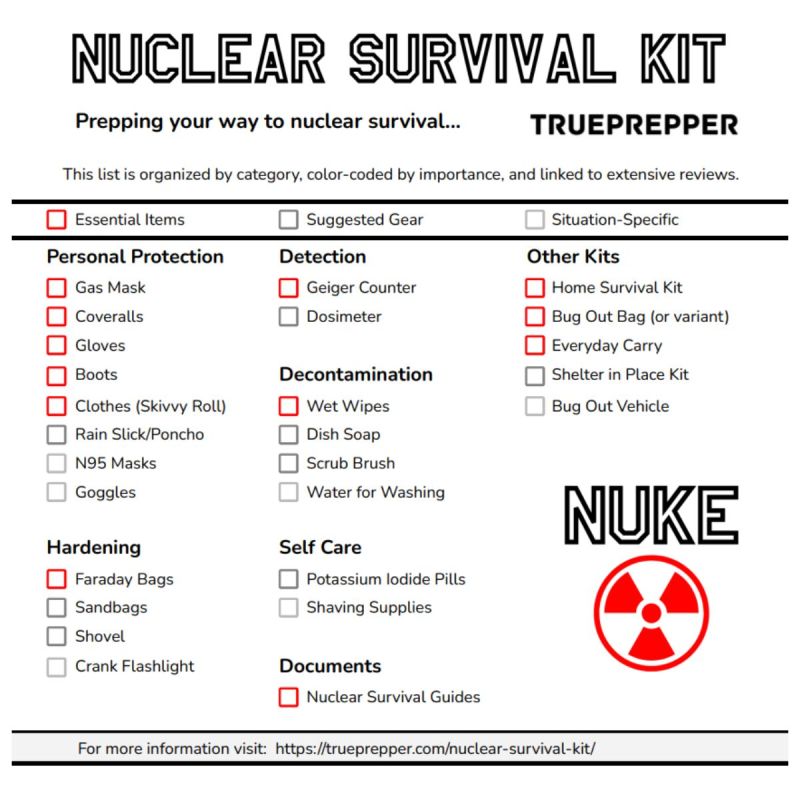
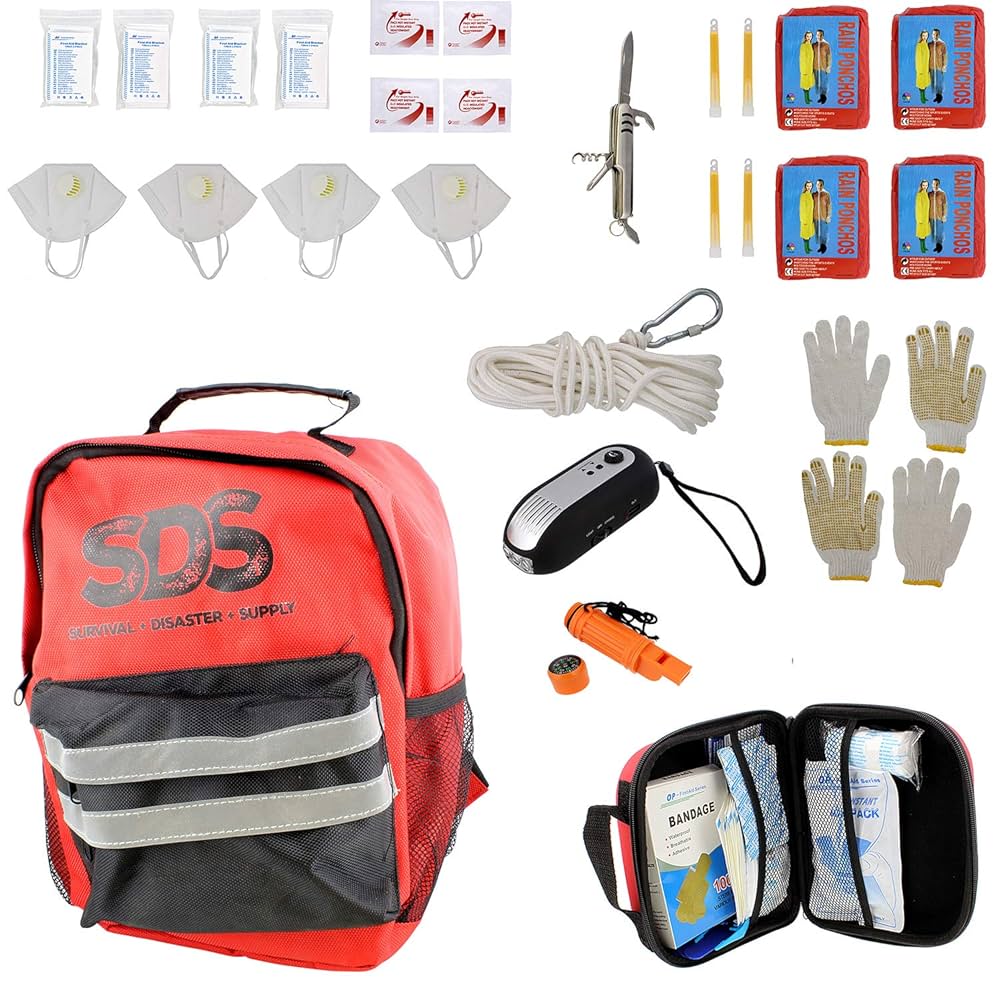
When it comes to being prepared for emergencies, one question often pops into your mind: should you buy a survival kit or make your own? This choice isn’t just about convenience or cost—it can affect how ready you really are when it counts.
You want a kit that fits your needs perfectly, but is a store-bought option truly reliable? Or does building your own give you better control over what you carry? Keep reading, because by the end of this article, you’ll know exactly which option suits your situation best—and how to get started right away.
Your safety depends on it.
Pros Of Buying A Survival Kit
Choosing between buying or making a survival kit is a big decision, and understanding the advantages of buying one can help you make the best choice. Buying a survival kit offers distinct benefits that save you effort and ensure readiness. It’s not just about convenience—there’s real value in the quality and design you get from a professionally made kit.
Convenience And Time-saving
Buying a survival kit saves you hours of research and shopping. You don’t have to worry about forgetting essential items or buying duplicates. The kit arrives ready to use, so you can focus on other preparations or just have peace of mind knowing you’re covered.
Think about how much time you spend trying to figure out what to pack or where to find each item. A purchased kit eliminates that hassle instantly. It’s perfect for busy people who want to be prepared without the headache.
Professional Assembly And Quality
Survival kits from reputable brands are assembled by experts who know exactly what you need. They include tested, high-quality gear designed to work well in emergencies. You avoid the risk of buying cheap or incompatible items when you trust a professional kit.
For example, a bought kit often contains items like reliable fire starters, durable first aid supplies, and water purification tools that meet safety standards. This reliability can make a big difference when you really need these tools to perform.
Compact And Portable Designs
Many commercial survival kits are designed to be compact and lightweight. They fit easily into backpacks, glove compartments, or emergency bags without adding bulk. This makes them easy to carry whether you’re hiking, driving, or simply keeping one at home.
Have you ever struggled to fit your homemade kit into a small space? Professionally packed kits solve that problem with smart organization and efficient use of space. Carrying a ready-made kit means you’re more likely to have it with you when it counts.
Pros Of Making Your Own Survival Kit
Making your own survival kit offers several clear advantages. It lets you tailor the kit exactly to your needs. You control what goes inside. This ensures every item has a purpose.
Building a kit can also save money. Buying ready-made kits often means paying for extras you won’t use. Making your own lets you pick affordable options.
Creating a survival kit teaches valuable skills. It helps you learn about important supplies and how to use them. This knowledge can be crucial in emergencies.
Customization To Personal Needs
Each person’s survival needs differ. Custom kits match your lifestyle, location, and health conditions. You can include items for allergies or specific tools you know how to use. This prevents carrying unnecessary weight and clutter.
Cost-effectiveness
Pre-made kits often have high prices. They include many items you might not need. Buying supplies separately allows you to choose budget-friendly brands. You can spend money on quality essentials and skip extras.
Learning And Skill Development
Assembling your own kit builds survival knowledge. You understand why each item is important. This process improves your preparedness and confidence. Skills gained can aid in real emergencies and future planning.
Key Items To Include In Any Survival Kit
Building or buying a survival kit means focusing on the right items that can truly make a difference when you need them most. Your kit should cover the basic needs of survival: tools to help you navigate and build shelter, food and water to keep you going, and medical supplies to handle injuries. Let’s break down what you really need to include so your kit is practical and ready for action.
Essential Tools And Supplies
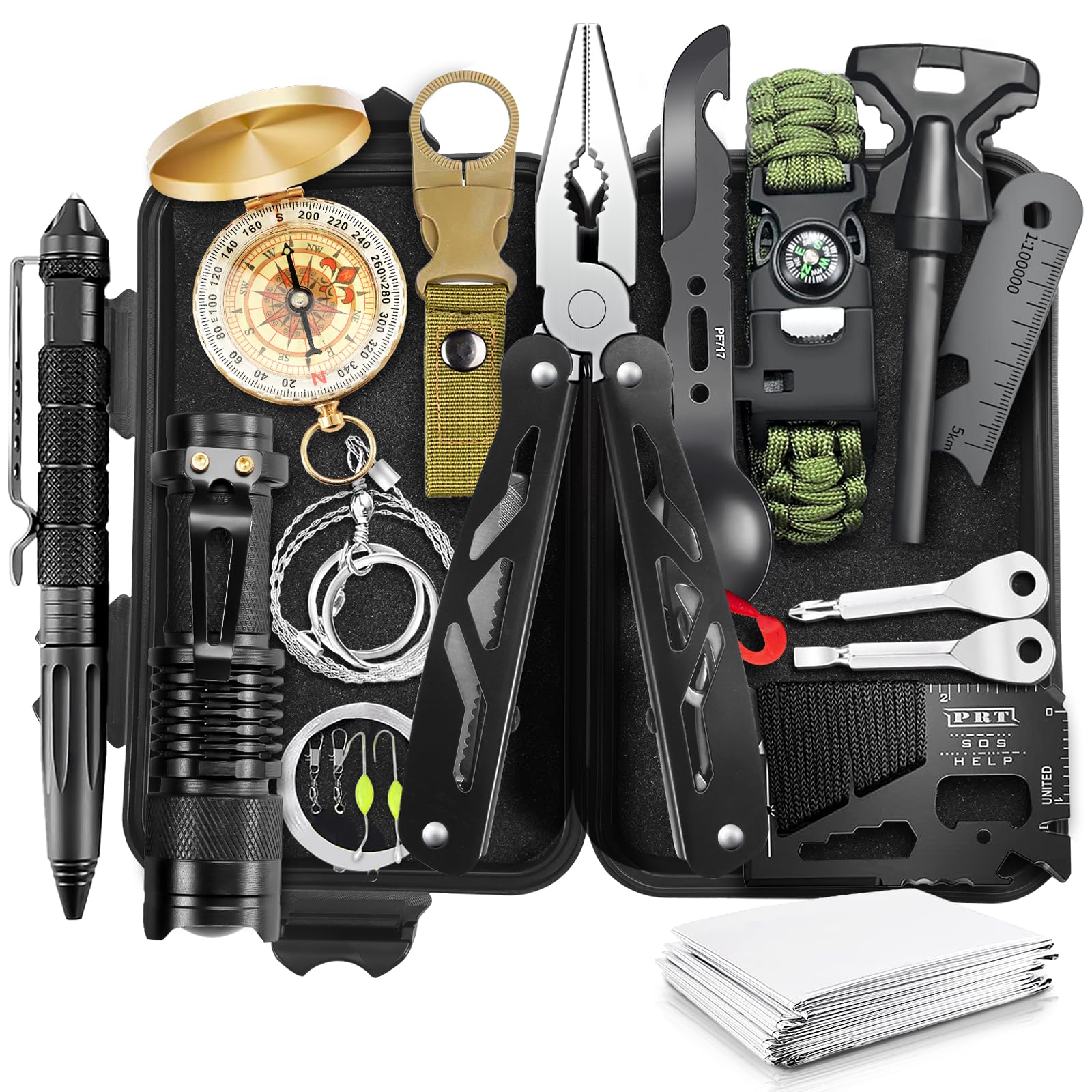
Think about tools that serve multiple purposes. A sturdy knife is a must-have—it can cut rope, prepare food, and even help with first aid. Add a reliable fire starter like waterproof matches or a ferrocerium rod; fire means warmth, cooking, and safety.
Don’t forget a compact flashlight or headlamp with extra batteries. In a dark, uncertain situation, light can give you confidence and keep you safe. A whistle is simple but powerful for signaling for help when your voice won’t carry.
Food And Water Provisions
Focus on non-perishable, high-energy foods that don’t take up much space. Energy bars, dried fruits, nuts, and freeze-dried meals are excellent choices. Avoid foods that require refrigeration or complicated preparation—your kit should be ready to go, anytime.
Water is often overlooked until it’s too late. Include water purification tablets or a small portable filter. Carry enough water for at least 72 hours; dehydration can become a serious issue fast. Ask yourself if your kit can keep you hydrated and fed for a few days without outside help.
First Aid And Medical Supplies
Basic first aid items can prevent minor issues from becoming emergencies. Bandages, antiseptic wipes, tweezers, and adhesive tape are essentials. Include pain relievers and any personal medications you may need.
Think about your environment. If you’re in an area with a risk of insect bites, add insect repellent and sting relief. You might not be a medic, but your kit should help you handle cuts, burns, and sprains effectively until you get professional care.
Credit: www.amazon.ca
Factors To Consider When Choosing
Choosing between buying or making a survival kit involves many factors. Each choice has benefits and drawbacks. Understanding your needs helps make the best decision. Consider your budget, environment, and skill level carefully. These points affect the kit’s effectiveness and usability.
Budget Constraints
Your budget often decides whether to buy or make a kit. Buying a ready-made kit can be costly but saves time. Making your own kit can be cheaper but needs effort. Think about how much you can spend on supplies. Balance cost with quality to avoid missing important items.
Environment And Climate
The place you live affects what your kit should include. Cold climates need warm clothes and fire starters. Hot areas require water purification and sun protection. Rainy or humid zones call for waterproof gear. Tailor your kit to survive the specific conditions around you.
Skill Level And Experience
Your survival skills matter in choosing a kit. Beginners may prefer buying kits with basic tools and instructions. Experienced people might like customizing kits with advanced gear. Making a kit requires knowledge to pick the right items. Match your kit to your ability to use its contents well.
Common Mistakes To Avoid
Building or buying a survival kit requires care. Mistakes can waste money and put you at risk. Knowing what to avoid helps you prepare better. Here are common errors people make with survival kits.
Overpacking Or Underpacking
Too many items make your kit heavy and hard to carry. Too few items leave you unprepared. Balance is key. Include essentials like water, food, first aid, and tools. Avoid bulky extras that add weight without value.
Ignoring Expiration Dates
Food and medicine expire. Using old supplies can be dangerous. Check expiration dates regularly. Replace expired items to keep your kit safe and useful. Fresh supplies mean better chances in emergencies.
Neglecting Regular Maintenance
A survival kit is not a one-time purchase. Parts wear out or get damaged. Batteries die. Check your kit every few months. Test equipment and replace broken items. Staying ready means staying safe.

Credit: www.servpro.com
Tips For Maintaining Your Survival Kit
Keeping your survival kit ready is key for any emergency. Regular care ensures each item works when you need it most. A well-maintained kit saves time and stress. Simple actions can keep your kit reliable and useful.
Routine Checks And Updates
Check your survival kit every three to six months. Look for expired food, medicines, and batteries. Replace any damaged or missing items quickly. Update your kit with new tools or supplies as needed. Keep a checklist to track what you have and what you need.
Proper Storage Practices
Store your kit in a cool, dry place. Avoid direct sunlight or damp areas. Use waterproof containers to protect against moisture. Keep the kit easy to reach but safe from pets or children. Label your kit clearly for quick identification.
Training And Familiarization
Practice using the items in your kit regularly. Learn how to operate tools and equipment safely. Teach family members or friends how to use the kit. Run simple drills to build confidence. Familiarity helps reduce panic during real emergencies.

Credit: www.kennedyblue.com
Frequently Asked Questions
What Are The Benefits Of Buying A Survival Kit?
Buying a survival kit saves time and ensures essential items are included. Kits are often compact, tested, and ready to use. This option suits beginners or those needing convenience. However, quality varies, so research brands before purchasing for best value and reliability.
Is Making A Survival Kit More Cost-effective?
Making a survival kit can be cheaper since you choose items yourself. It allows customization based on personal needs and preferences. However, it requires research and time to gather quality supplies. This option suits experienced individuals who want full control over contents.
How To Decide Between Buying Or Making A Survival Kit?
Consider your budget, experience, and time availability. Buy a kit for convenience and tested gear. Make a kit if you want customization and cost control. Evaluate your survival skills and specific needs before deciding. Both options can be effective with proper preparation.
What Essential Items Should A Survival Kit Contain?
A survival kit should include water, food, first aid, shelter, fire-starting tools, and navigation aids. Include a knife, flashlight, and communication device. Tailor contents to your environment and potential emergencies. Regularly check and update your kit to maintain readiness.
Conclusion
Deciding between buying or making a survival kit depends on your needs. Buying offers convenience and time-saving. Pre-made kits have everything ready. Making your own can be cost-effective. It allows customization to your specific needs. Consider your skills and time available.
Evaluate the importance of each item. Remember, a well-prepared kit is crucial for emergencies. Whether bought or made, ensure it meets your requirements. Safety and preparedness should always come first. Choose the option that gives you peace of mind. That’s what truly matters.