Have you ever felt sudden stomach pain, nausea, or vomiting after a meal and wondered, “Should I go to the emergency room for food poisoning?” It’s a tough call when you’re feeling awful and unsure if your symptoms are serious enough. Knowing when to seek urgent care can protect your health and ease your worries.
This article will help you understand the signs that mean you need immediate medical attention and when it’s safe to treat food poisoning at home. Keep reading to make the right decision for you and your loved ones.
When Food Poisoning Becomes Serious
Food poisoning can hit hard and fast, but most cases clear up with rest and hydration. However, sometimes the symptoms escalate beyond a typical stomach bug, signaling a more serious health risk. Knowing when to seek emergency care can make a crucial difference in your recovery.
Common Symptoms Of Food Poisoning
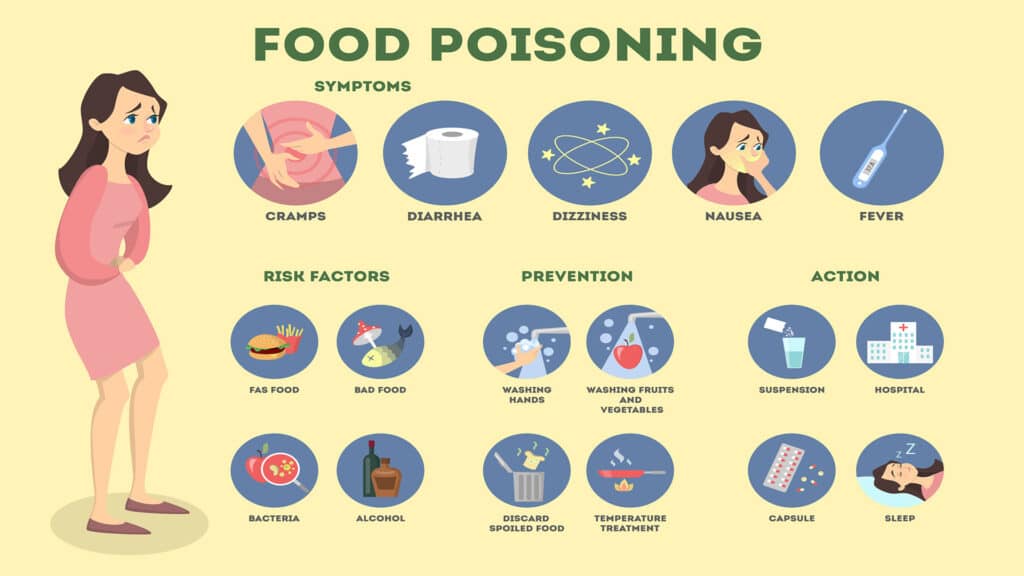
Most food poisoning cases come with nausea, vomiting, stomach cramps, and diarrhea. You might also experience mild fever and fatigue. These symptoms usually start within hours to a couple of days after eating contaminated food.
But how do you tell if these symptoms are just uncomfortable or something more dangerous? Pay attention to how long they last and how intense they become. Persistent vomiting that won’t stop or diarrhea that’s severe can quickly dehydrate you.
Signs Of Severe Dehydration
Dehydration is a serious complication of food poisoning that often requires urgent care. Watch for dark urine, dizziness, dry mouth, and extreme thirst. If you or someone you’re caring for feels faint or confused, seek emergency help immediately.
Severe dehydration can lead to low blood pressure and organ failure. Don’t wait for symptoms to worsen; early intervention can save lives. Have you ever ignored mild dehydration only to regret it later?
High-risk Groups
Certain people need to be extra cautious with food poisoning symptoms. This includes young children, older adults, pregnant women, and anyone with a weakened immune system. Their bodies might not fight infection as effectively, making complications more likely.
If you fall into one of these groups, don’t hesitate to go to the emergency room if symptoms worsen quickly. Your health needs extra attention, and medical staff can provide the care to prevent serious outcomes.
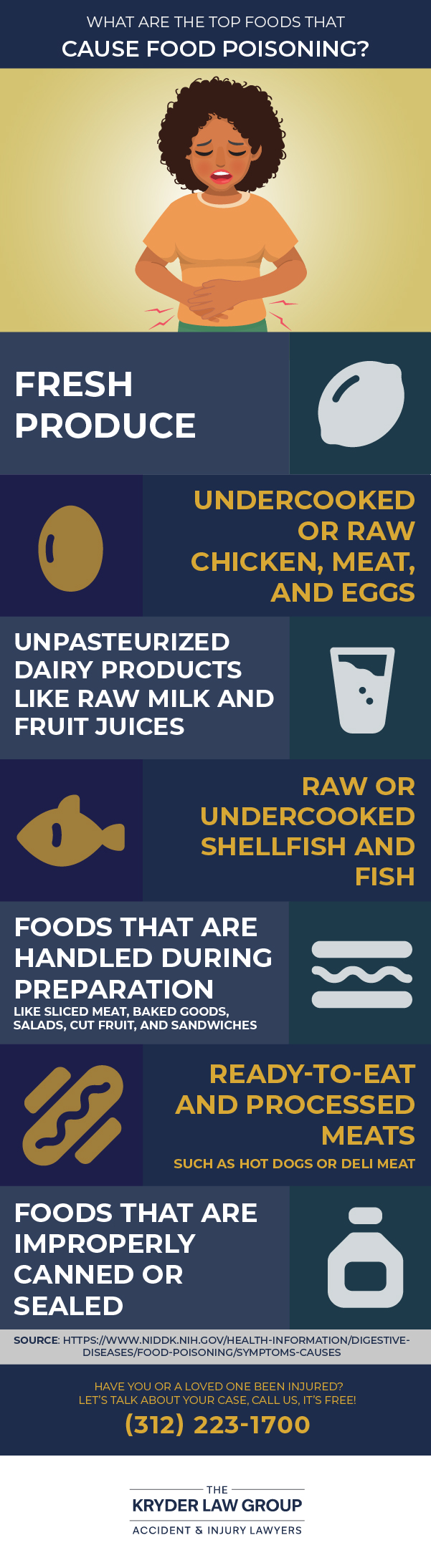
Credit: www.kryderlaw.com
Critical Symptoms Requiring Er Visit
Food poisoning can be a distressing experience, and knowing when to seek emergency care is crucial. Not every case requires a trip to the ER, but certain symptoms should never be ignored. Understanding these critical signs can help you make an informed decision and ensure your well-being.
Persistent Vomiting And Diarrhea
When vomiting and diarrhea refuse to relent, dehydration becomes a serious risk. Your body loses essential fluids and electrolytes, which can quickly lead to severe complications. If these symptoms persist for more than 24 hours, an ER visit might be necessary to prevent further health issues.
Blood In Vomit Or Stool
Spotting blood in your vomit or stool is alarming and should not be taken lightly. This could indicate significant internal bleeding or a severe infection. Seeking immediate medical attention can help identify the root cause and prevent potential complications.
Extreme Abdominal Pain
Severe abdominal pain that makes it hard to move or function is a red flag. This pain could point to a more serious underlying condition, such as appendicitis or a perforated ulcer. Trust your instincts—if the pain feels unbearable, it’s time to head to the ER.
Confusion And Dizziness
Food poisoning can sometimes lead to confusion and dizziness, signaling dehydration or an electrolyte imbalance. These symptoms could impair your ability to think clearly and maintain balance. If you feel lightheaded or disoriented, don’t hesitate to seek emergency care.
When faced with these symptoms, ask yourself: Is this manageable at home, or do I need professional help? Your health is paramount, and acting promptly can make all the difference.
Home Care For Mild Food Poisoning
Handling mild food poisoning at home can often be manageable if you take the right steps early on. Recognizing the signs and responding quickly can help you recover comfortably without the need for emergency care. Let’s look at practical ways to care for yourself during this uncomfortable time.
Hydration Tips
Keeping hydrated is your top priority. Food poisoning can cause vomiting and diarrhea, which quickly deplete your body’s fluids and electrolytes.
- Drink small sips of water frequently instead of large amounts at once to avoid triggering nausea.
- Consider oral rehydration solutions or electrolyte drinks to replace lost salts and minerals.
- Avoid caffeine, alcohol, and sugary drinks as they can worsen dehydration.
I once had a bout of food poisoning and found that sipping on clear broth and electrolyte drinks made a huge difference. Have you noticed how your body feels when you don’t drink enough fluids during illness?
Diet Adjustments
Eating might not be appealing, but your body needs gentle nourishment to heal. Start with bland, easy-to-digest foods and gradually return to your normal diet.
- Stick to plain crackers, toast, bananas, rice, and applesauce initially.
- Avoid spicy, fatty, or dairy-heavy foods until your stomach settles.
- Eat small portions frequently rather than large meals to avoid overwhelming your digestive system.
When I recovered from mild food poisoning, small meals of simple foods helped me regain strength without upsetting my stomach. What simple food do you find easiest to eat when feeling sick?
When To Monitor Symptoms Closely
While many mild cases improve with home care, some symptoms require more attention. Watching your condition closely helps you decide if medical care is necessary.
- Keep an eye on persistent vomiting or diarrhea lasting more than 24 hours.
- Note any signs of dehydration, such as dry mouth, dizziness, or dark urine.
- Be alert to high fever, severe abdominal pain, or blood in stool.
During my food poisoning episode, I stayed alert for worsening symptoms and sought help when dehydration signs appeared. Are you confident in recognizing when your symptoms demand emergency care?
:max_bytes(150000):strip_icc()/HDC-IsIt-the-Stomach-Flu-or-Food-Poisoning-565872471b0541e5a425f4f24900a363.jpg)
Credit: www.health.com
Risks Of Delaying Emergency Care
Delaying emergency care for food poisoning can lead to serious health risks. Symptoms may worsen quickly and cause lasting damage. Immediate treatment helps prevent complications and reduces recovery time.
Complications From Untreated Food Poisoning
Untreated food poisoning can cause severe dehydration. This happens due to vomiting and diarrhea. Without fluids, your body struggles to function properly. In some cases, kidney failure may develop. Weakness and confusion can also occur. These complications need urgent medical attention.
Potential For Serious Infections
Some bacteria in food poisoning cause infections beyond the stomach. These infections can spread to the bloodstream or other organs. This condition, called sepsis, can be life-threatening. Early treatment stops infections from spreading. Antibiotics and supportive care may be needed in the emergency room.
Preparing For Your Er Visit
Preparing for your emergency room visit can ease stress and speed up care. Being ready helps you share key details clearly. It also helps the medical team act fast and give the right treatment. Keep calm and focus on what to bring and what to say.
Information To Share With Medical Staff
Tell the staff when your symptoms started. Describe your main symptoms like vomiting, diarrhea, or fever. Mention any food or drink you think caused the problem. Share any allergies you have. List medicines or supplements you take. Include any past health issues, especially stomach or immune problems. Say if you are pregnant or have young children with you. This info helps doctors decide the best care for you.
What To Expect At The Emergency Room
You will wait briefly before a nurse checks your vitals. Expect questions about your symptoms and health history. The doctor may order tests like blood or stool samples. They check for dehydration and infection signs. Treatment may include fluids through an IV or medicine to ease nausea. Staff will watch you closely to see how you respond. You might get advice on home care or need to stay for more treatment.
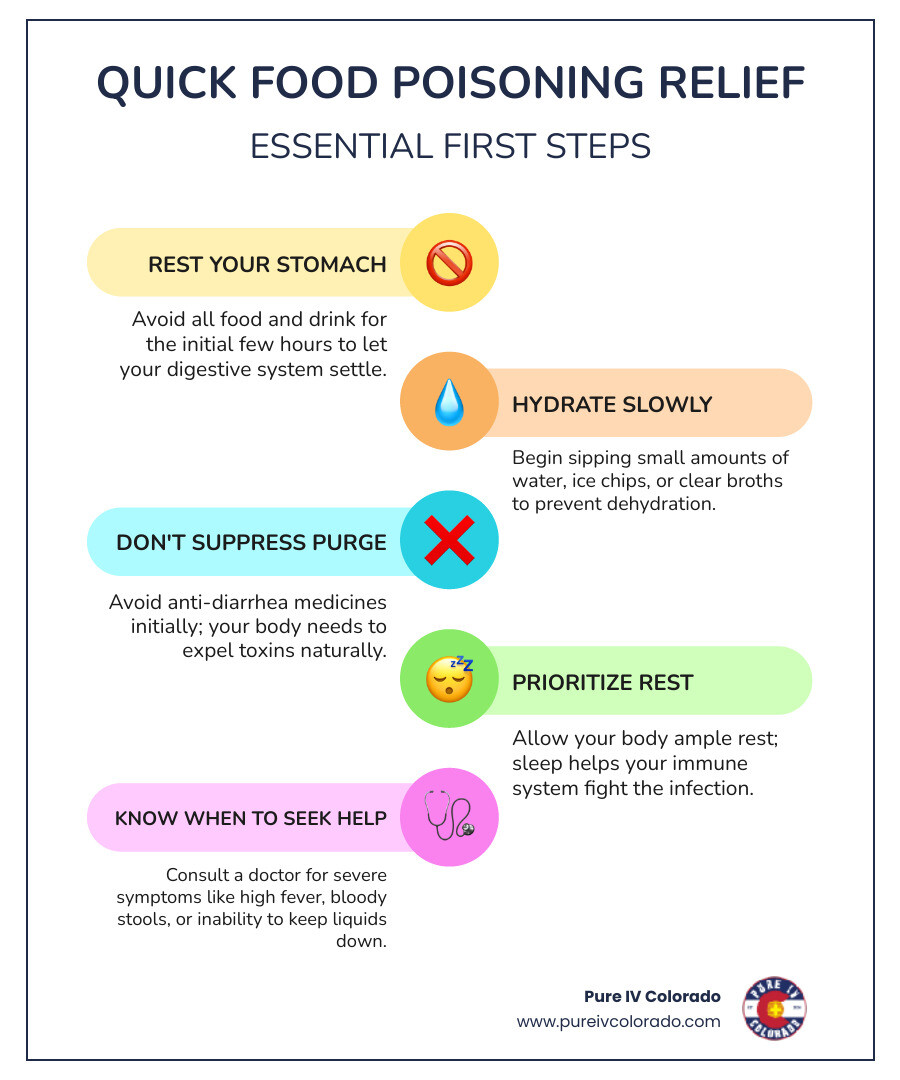
Credit: www.pureivcolorado.com
Frequently Asked Questions
When Should I Visit The Emergency Room For Food Poisoning?
Visit the ER if you experience severe dehydration, persistent vomiting, high fever, or bloody stools. Also, seek urgent care if you have confusion or difficulty breathing. These symptoms indicate serious complications needing immediate medical attention.
How Can I Tell If Food Poisoning Is Severe?
Severe food poisoning symptoms include intense abdominal pain, prolonged vomiting, high fever, and blood in vomit or stool. If symptoms last more than 2 days or worsen, consult a healthcare professional promptly to avoid complications.
Can Dehydration From Food Poisoning Require Emergency Care?
Yes, dehydration from food poisoning can be serious. Signs include dizziness, dry mouth, dark urine, and decreased urination. If unable to keep fluids down or symptoms worsen, emergency care is necessary to prevent further health risks.
What Treatments Does The Emergency Room Provide For Food Poisoning?
ER treatment focuses on rehydration, electrolyte balance, and symptom relief. Intravenous fluids and medications may be administered to control vomiting and pain. Severe infections might require antibiotics or hospitalization for close monitoring.
Conclusion
Severe symptoms need quick medical care. Persistent vomiting, high fever, or blood in stool are warning signs. Mild cases may improve with rest and fluids at home. Trust your body and seek help if feeling very weak. Emergency rooms provide the right treatment for serious food poisoning.
Stay safe and listen to what your body tells you.