Have you ever felt sick after eating something and wondered, “Should I go to the emergency room for food poisoning?” It’s a common question that can feel confusing and scary.
You might be worried about your symptoms or unsure if you should wait it out at home. Knowing when to seek urgent care can protect your health and give you peace of mind. You’ll discover clear signs to watch for and simple steps to take, so you can make the right choice fast.
Keep reading to learn exactly what to do if food poisoning hits you or someone you care about.

Credit: www.presnow247.org
Symptoms That Need Emergency Care
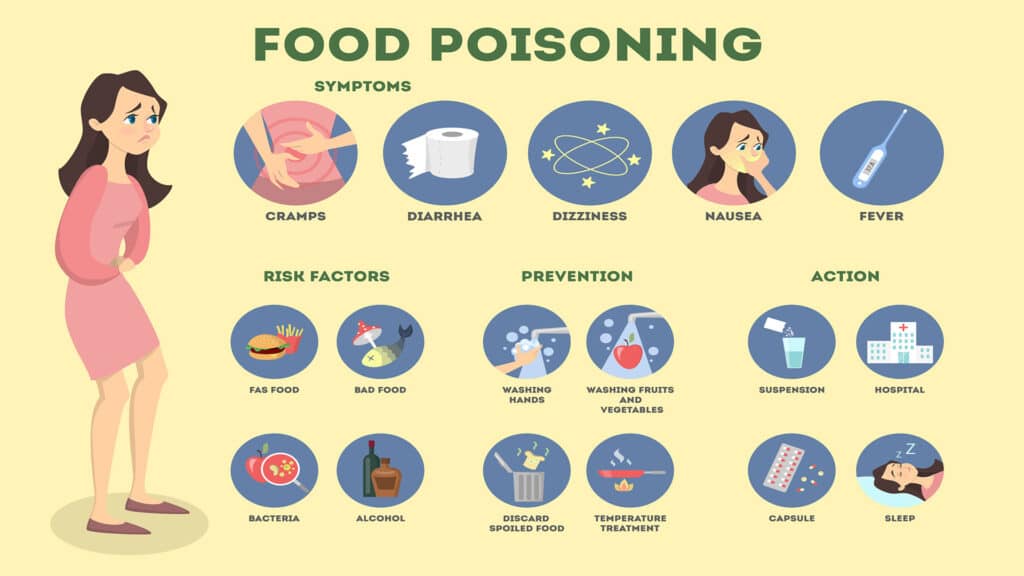
Recognizing symptoms that require emergency care can make a huge difference when dealing with food poisoning. Some signs indicate that your body is struggling severely and immediate medical attention is necessary. Knowing these symptoms helps you decide when to seek urgent help instead of waiting it out at home.
Severe Dehydration Signs
Severe dehydration from food poisoning can be dangerous. Watch for dry mouth, extreme thirst, little or no urination, and dizziness when standing up. If you feel weak or your skin stays pinched when pinched gently, it’s time to get emergency care.
High Fever And Chills
A high fever over 101.5°F (38.6°C) combined with chills may signal a serious infection. This isn’t just a regular stomach bug anymore. If your fever won’t come down or you start shaking uncontrollably, head to the emergency room immediately.
Persistent Vomiting And Diarrhea
Vomiting or diarrhea that lasts more than 24 hours can quickly drain your body of fluids and nutrients. If you can’t keep anything down, even water, or the diarrhea is nonstop, don’t wait. Emergency care can prevent dangerous complications.
Blood In Stool Or Vomit
Seeing blood is a clear warning sign. Blood in your stool or vomit means there’s internal bleeding or severe irritation in your digestive tract. This symptom requires urgent evaluation and treatment by medical professionals.
Confusion Or Dizziness
Confusion, difficulty focusing, or feeling faint are signs your brain isn’t getting enough oxygen or nutrients. These symptoms are alarming and can signal severe dehydration or infection. If you or someone with food poisoning shows these signs, seek emergency help right away.
Credit: www.kryderlaw.com
Common Causes Of Food Poisoning
Understanding the common causes of food poisoning can help you recognize when your symptoms might require a trip to the emergency room. Food poisoning happens because harmful agents contaminate what you eat or drink. Knowing these causes can guide you in identifying the severity of your condition and deciding on the right care.
Bacterial Infections
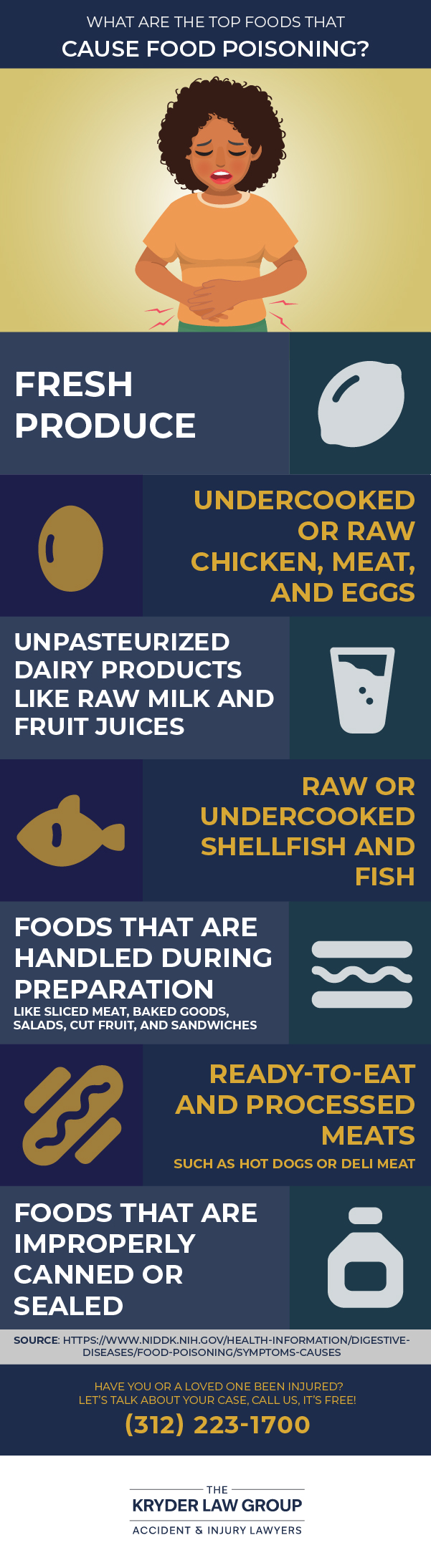
Bacteria are the most frequent culprits behind food poisoning. Salmonella, E. coli, and Listeria are common offenders that thrive in improperly cooked or stored food.
Symptoms like severe stomach cramps, diarrhea, and fever often signal a bacterial infection. Have you ever noticed how quickly symptoms appear after eating undercooked chicken or unpasteurized dairy? This rapid onset can be a warning sign that you need urgent medical attention.
Viral Contaminations
Viruses such as norovirus and rotavirus can contaminate food or water, especially in crowded places like restaurants or cruise ships. They spread easily and cause vomiting, diarrhea, and stomach pain.
Viral food poisoning usually resolves on its own, but dehydration is a serious risk. If your vomiting won’t stop or you can’t keep fluids down, it’s time to consider emergency care.
Parasitic Sources
Parasites like Giardia and Cryptosporidium hide in contaminated water or raw food. They often cause prolonged diarrhea and abdominal discomfort.
Unlike bacterial or viral infections, parasitic symptoms can linger for weeks. If you find your symptoms worsening or lasting longer than expected, you should seek medical advice promptly.
Toxins From Contaminated Food
Some food poisoning cases come from toxins produced by bacteria rather than the bacteria themselves. Staphylococcus aureus and Clostridium botulinum are examples that produce dangerous toxins.
Toxin-related poisoning can cause sudden and severe symptoms like paralysis or intense vomiting. If you experience muscle weakness or difficulty breathing after eating, go to the emergency room immediately.
When To Manage At Home
Knowing when to manage food poisoning at home can save you unnecessary trips to the emergency room. Many cases involve mild symptoms that your body can handle with simple care. Understanding what to watch for and how to support your recovery helps you stay comfortable and safe without overloading healthcare resources.
Mild Symptoms And Self-care
If your symptoms include mild nausea, slight stomach cramps, or occasional diarrhea without fever, you can usually manage at home. Rest is key—your body needs time to fight off the infection. Pay attention to how your symptoms change; if they worsen or last more than a couple of days, reconsider seeking medical help.
Hydration Tips
Dehydration is a common risk with food poisoning, especially if vomiting or diarrhea is frequent. Sip small amounts of water, oral rehydration solutions, or clear broths throughout the day. Avoid sugary drinks and caffeine as they can make dehydration worse.
Dietary Recommendations
Stick to bland, easy-to-digest foods like toast, bananas, rice, and applesauce once you feel ready to eat. Avoid fatty, spicy, or heavy meals that can irritate your stomach. Gradually reintroduce your regular diet as your symptoms improve.
Over-the-counter Remedies
Medications like anti-diarrheal drugs or antacids can ease discomfort but use them with caution. Some cases of food poisoning require your body to expel toxins, so blocking diarrhea too soon might prolong the illness. Always read labels carefully and consult a pharmacist if you’re unsure about what to take.
Risks Of Delaying Emergency Care
Delaying emergency care for food poisoning can lead to serious health risks. Symptoms might seem mild at first but can worsen quickly. Knowing the dangers helps you act fast. Acting fast can protect your health and prevent serious problems.
Complications From Severe Dehydration
Food poisoning often causes vomiting and diarrhea. These symptoms lead to fluid loss. Severe dehydration can cause dizziness and confusion. It can also lower blood pressure and cause shock. Without quick treatment, dehydration can become life-threatening.
Spread Of Infection
Bacteria or viruses causing food poisoning can spread in the body. If untreated, the infection may reach the bloodstream. This condition, called sepsis, requires immediate medical care. Delaying care increases the risk of serious infection complications.
Long-term Health Effects
Some food poisoning bacteria cause lasting damage. Nerves, kidneys, or other organs may be affected. Conditions like kidney failure or nerve problems can develop. Early medical care helps reduce the chance of long-term harm.
What To Expect At The Emergency Room
Visiting the emergency room for food poisoning can feel overwhelming. Knowing what to expect helps ease anxiety and prepares you for the process. The ER team focuses on quick, accurate diagnosis and effective treatment to relieve symptoms and prevent complications.
Medical Assessment And Tests
Doctors begin with a detailed medical history and symptom review. They check vital signs like temperature, heart rate, and blood pressure. Physical exams focus on the abdomen to find tenderness or swelling.
Tests may include:
- Blood tests to detect infection or dehydration
- Stool samples to identify harmful bacteria or toxins
- Urine tests to check kidney function and hydration
Treatment Options
Treatment depends on the severity of symptoms and test results. Mild cases often need only fluids and rest. The ER may provide intravenous (IV) fluids to treat dehydration. Medicines can reduce nausea, vomiting, and diarrhea. Antibiotics are rare and used only if bacteria cause the poisoning.
Hospitalization Criteria
Most food poisoning cases improve without hospital stay. Admission happens if you have:
- Severe dehydration or inability to keep fluids down
- High fever lasting more than 48 hours
- Signs of organ damage or severe infection
- Persistent vomiting or bloody diarrhea
Hospital care includes continuous monitoring and advanced treatments. The goal is to stabilize your condition and prevent complications.
:max_bytes(150000):strip_icc()/HDC-IsIt-the-Stomach-Flu-or-Food-Poisoning-565872471b0541e5a425f4f24900a363.jpg)
Credit: www.health.com
Preventing Food Poisoning
Preventing food poisoning is crucial for maintaining good health. Simple practices can greatly reduce the risk. Awareness and action in the kitchen are key. Let’s explore some effective methods to prevent foodborne illnesses.
Safe Food Handling
Wash hands before and after handling food. Clean surfaces and utensils regularly. Use separate chopping boards for raw meats and vegetables. This avoids cross-contamination. Keep raw meats away from other foods. Always use clean, sanitized utensils.
Proper Cooking Techniques
Cook food to the right temperature. Use a food thermometer to check. Meats should reach safe internal temperatures. Poultry should be cooked to 165°F (75°C). Reheat leftovers to 165°F as well. Boil sauces and soups before eating.
Storage Best Practices
Store food in the fridge within two hours of cooking. Keep your fridge below 40°F (4°C). Label and date leftovers before storing. Use airtight containers to preserve freshness. Regularly check expiration dates and discard old items.
Frequently Asked Questions
When Should I Visit The Emergency Room For Food Poisoning?
Go to the ER if you have severe symptoms like high fever, persistent vomiting, bloody stools, or dehydration. These signs may indicate a serious infection needing immediate medical care. Mild symptoms usually improve with home treatment and rest.
How Can I Tell If Food Poisoning Is Serious?
Serious food poisoning includes symptoms like intense abdominal pain, confusion, difficulty breathing, or inability to keep fluids down. If symptoms worsen or last more than 48 hours, seek emergency medical help to prevent complications.
What Are Emergency Room Treatments For Food Poisoning?
ER treatments often include IV fluids to prevent dehydration, anti-nausea medication, and monitoring vital signs. Severe infections may require antibiotics or hospitalization. Quick care helps reduce complications and speeds recovery.
Can Dehydration From Food Poisoning Be Life-threatening?
Yes, severe dehydration can be dangerous, especially for children, elderly, and those with weakened immune systems. It requires prompt medical attention to restore fluid balance and prevent serious health issues.
Conclusion
Severe symptoms need quick medical help. Mild cases often improve with rest and fluids. Watch for signs like high fever or dehydration. Trust your body and seek care if unsure. Staying safe means knowing when to visit the emergency room.
Taking action early can prevent serious problems. Stay informed and prioritize your health always.