When disaster strikes, having the right emergency food can make all the difference for you and your loved ones. But what exactly should you store to stay safe, healthy, and comfortable when supplies run low?
You might be wondering how to choose foods that last long, provide energy, and taste good when it matters most. You’ll discover simple, smart choices for emergency food storage that anyone can use. Keep reading to learn how to build your perfect emergency food kit—so you’ll never be caught unprepared.

Credit: www.goodhousekeeping.com
Choosing Long-lasting Staples
Choosing long-lasting staples is key to building a reliable emergency food supply. These staples stay fresh for months or even years. They provide essential nutrients and energy during uncertain times. Focus on foods that store well, taste good, and cook easily.
Long-lasting staples help reduce waste and save space. They offer variety and balance in meals. Keep a mix of grains, legumes, canned goods, and dried foods. This ensures you have options for different recipes and needs.
Grains And Legumes
Grains like rice, oats, and quinoa last for years when stored properly. They provide carbohydrates, fiber, and some protein. Legumes such as beans, lentils, and chickpeas are rich in protein and fiber. Store them in airtight containers to keep pests and moisture out. These foods form the base of many nutritious meals.
Canned Goods
Canned goods have a long shelf life and are easy to use. They include vegetables, fruits, meats, and soups. Cans protect food from air and light, preserving nutrients. Choose low-sodium and low-sugar options for healthier choices. Store cans in a cool, dry place for best results.
Dehydrated And Freeze-dried Foods
Dehydrated and freeze-dried foods lose moisture but keep nutrients intact. They weigh less and take less space, ideal for small storage areas. These foods rehydrate quickly with water. Examples include fruits, vegetables, and full meals. Check packaging for shelf life and resealing features.
Incorporating Protein Sources
Protein is vital for energy and body repair during emergencies. Storing enough protein keeps you strong and helps your body heal. Different protein sources suit various tastes and dietary needs.
Choose items that last long without refrigeration. They should be easy to prepare with minimal water and heat. Variety is important to avoid boredom and ensure balanced nutrition.
Canned Meats And Fish
Canned meats and fish offer ready-to-eat protein with long shelf life. Options include:
- Chicken
- Turkey
- Tuna
- Salmon
- Sardines
These products require no cooking and provide essential nutrients. Check cans for dents or rust before storing. Rotate stock regularly to keep items fresh.
Nuts And Seeds
Nuts and seeds are nutrient-dense and easy to store. They provide healthy fats and protein. Good choices include:
- Almonds
- Walnuts
- Sunflower seeds
- Pumpkin seeds
Store them in airtight containers to avoid spoilage. They are perfect for snacking or adding to meals.
Powdered And Shelf-stable Dairy
Powdered milk and shelf-stable dairy products supply protein and calcium. These include:
- Powdered milk
- Powdered cheese
- Evaporated milk
- Shelf-stable yogurt
These items last months or years unopened. Use them in cooking or to boost drinks. Keep packaging sealed and store in a cool, dry place.
Selecting Fruits And Vegetables
Choose fruits and vegetables that last long without refrigeration, like apples, carrots, and potatoes. Focus on items rich in vitamins and easy to store. Fresh produce with sturdy skins often stays good for weeks.
Selecting fruits and vegetables for your emergency food stash can be both practical and rewarding. Fresh produce may not be an option during a crisis, but with a little foresight, you can maintain a healthy diet. It’s all about choosing the right preserved options that can last, ensuring you have essential nutrients on hand when you need them most.Canned And Jarred Options
Canned and jarred fruits and vegetables are a staple in emergency food supplies. They come packed with a long shelf life, often lasting years. Think about stocking up on canned peaches, green beans, and tomatoes. Look for options that have no added sugars or preservatives to keep your diet as natural as possible. Many brands now offer low-sodium versions, which is a smart choice. Imagine the convenience of grabbing a can of your favorite fruit or veggie when fresh options are limited.Dried Fruits
Dried fruits are a sweet and nutritious addition to your emergency pantry. They are lightweight, easy to store, and can last for months. Consider adding raisins, apricots, or apple slices to your collection. They are great for snacking or adding to your morning oatmeal for an energy boost. Have you ever thought about how a handful of dried mango can brighten up a dull day? It’s a small delight that packs a punch of vitamins and minerals.Freeze-dried Vegetables
Freeze-dried vegetables provide a versatile and space-saving option for long-term storage. They retain most of their nutrients, ensuring you have a healthy choice during emergencies. Broccoli, peas, and bell peppers are popular choices. Rehydrating them is simple—just add water and watch them spring back to life. You might be surprised by how fresh they taste, making them a valuable addition to soups and stews. Are freeze-dried vegetables part of your emergency plan yet? They should be!Adding Cooking Essentials
Adding cooking essentials to your emergency food storage can make a huge difference in your meals’ taste and nutrition. Basic ingredients like oils, spices, and baking items help transform simple staples into satisfying dishes. Think about the last time you cooked something bland—having the right essentials changes everything.
Oils And Fats
Oils and fats are vital not only for flavor but also for energy. Store long-lasting options like olive oil, coconut oil, and vegetable oil. These oils can be used for sautéing, baking, and even as a source of calories when food is scarce.
Butter and ghee are great if you have refrigeration or a cool storage spot. They add richness and help with cooking variety. Don’t forget to keep these sealed tightly to extend their shelf life.
Spices And Seasonings
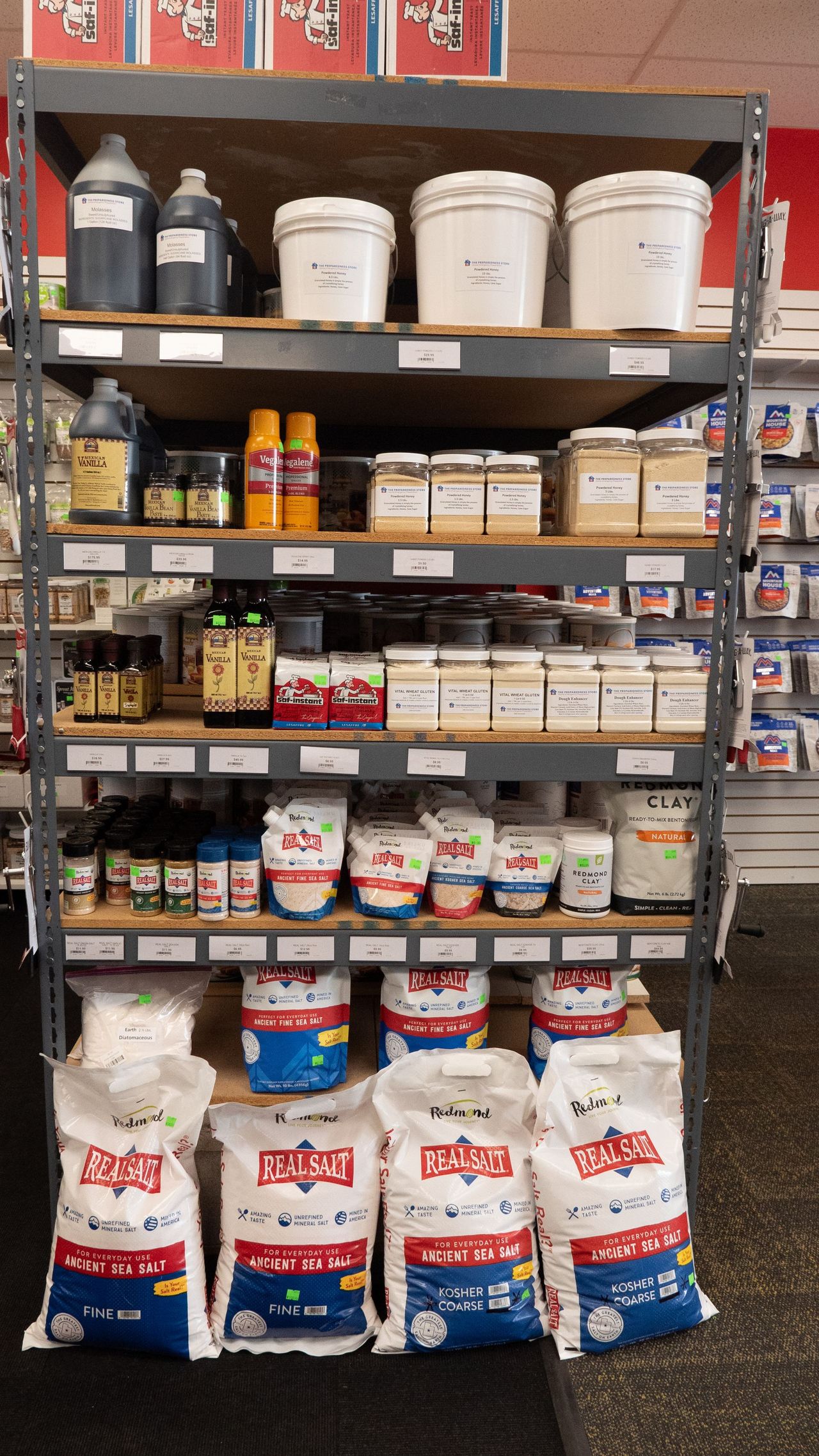
Your emergency food supply will feel dull without spices. Salt is non-negotiable—it preserves and enhances flavor. Beyond salt, consider pepper, garlic powder, paprika, and dried herbs like oregano and basil.
Spices don’t just add taste; they can boost morale during tough times. Imagine a warm stew with a pinch of cinnamon or cumin—it makes a difference you’ll appreciate. How often do you overlook the power of simple seasonings in everyday cooking?
Baking Ingredients
Baking ingredients open up meal possibilities beyond just boiling or frying. Stock up on flour, baking powder, baking soda, and yeast if you want to bake breads or quick treats. These items can turn basic ingredients into comforting homemade foods.
Don’t forget sugar and salt, which are often used in baking recipes. Even if you don’t bake regularly now, having these on hand means you can adapt recipes or create simple desserts to boost spirits. What small comfort foods would help you most in an emergency?
Including Hydration Supplies
Including hydration supplies in your emergency food storage is essential for survival. Food alone won’t keep you going without enough water. You need both quantity and quality in your water supply to stay healthy and hydrated.
Water Storage
Start by storing enough water for each person in your household. A general rule is one gallon per person per day for at least three days. This covers drinking, cooking, and basic hygiene.
Use sturdy containers designed for water storage, such as food-grade plastic jugs or water barrels. Avoid containers that have held chemicals or non-food items. Label your containers with the date you filled them, so you know when to replace the water.
Think about space. If you don’t have much room, consider collapsible water containers or water bricks that stack neatly. These can save space while ensuring you have enough water stored.
Water Purification Methods
Stored water can become unsafe over time, so have a plan to purify water from other sources. Boiling is a simple and effective way. Just boil water for at least one minute to kill most pathogens.
Water purification tablets or drops are lightweight and easy to store. They can be a lifesaver if you need to treat water quickly. Always keep an extra supply and check expiration dates regularly.
A portable water filter can remove bacteria and protozoa. Some advanced filters also reduce viruses and chemicals. Choosing the right filter depends on your environment and water sources.
Ask yourself: How will you access clean water if your stored supply runs out? Preparing multiple purification options ensures you won’t be left without safe drinking water.

Credit: www.msn.com
Packing Ready-to-eat Snacks
Packing ready-to-eat snacks is essential for any emergency food supply. These snacks provide quick energy and nutrition without needing cooking. They are easy to carry and store, making them perfect for urgent situations. Choose snacks that stay fresh long and deliver good calories.
Energy Bars
Energy bars are compact and high in calories. They contain a mix of protein, fats, and carbohydrates. Choose bars with natural ingredients and low sugar. They last for months without refrigeration. Energy bars can keep you full and energized during emergencies.
Trail Mix
Trail mix is a great snack with nuts, seeds, and dried fruit. It offers a balance of healthy fats and natural sugars. This mix provides quick energy and essential nutrients. Trail mix is lightweight and easy to store. It can help maintain energy levels in stressful times.
Jerky And Snack Packs
Jerky is dried meat that lasts long and needs no cooking. It is high in protein and low in fat. Snack packs with cheese, crackers, or nut butters are also good choices. These packs are convenient and mess-free. They offer variety and nutrition in a small package.
Storing Vitamins And Supplements
Storing vitamins and supplements is a crucial part of emergency food preparation. These items help maintain health when fresh food is scarce. Proper storage keeps them effective and safe to use. Vitamins can lose potency if exposed to air, light, or moisture. Supplements may degrade quickly without the right conditions.
Keep vitamins and supplements in a cool, dry place. Avoid storing them in bathrooms or near heat sources. Use airtight containers to protect from humidity. Original packaging often provides good protection. Consider using desiccant packets to absorb moisture.
Choosing The Right Vitamins And Supplements
Select essential vitamins like C, D, and B-complex. Include minerals such as zinc and magnesium. Look for supplements that support immune health and energy. Multivitamins cover many needs in one pill. Keep in mind your family’s specific health requirements.
Proper Packaging For Longevity
Store vitamins in dark bottles to block light. Use glass or high-quality plastic containers. Seal containers tightly after each use. Label each container with the purchase date. Rotate stock regularly to use older supplies first.
Monitoring Expiration Dates
Check expiration dates often to ensure potency. Vitamins past their date may lose effectiveness. Write the expiration date on each bottle if missing. Plan to replace expired items during routine checks. Keep a list of stored vitamins and their expiry.
Temperature And Humidity Control
Store supplements at room temperature or cooler. Avoid freezing, as it can damage some vitamins. Use a dehumidifier in damp storage areas. Keep storage away from direct sunlight and heat. A cool, dry pantry or closet works best.
Organizing Your Vitamins And Supplements
- Group supplements by type or purpose.
- Use clear containers for easy identification.
- Place frequently used vitamins in accessible spots.
- Keep emergency supplies separate from daily use.
- Maintain a checklist to track inventory.

Credit: www.forbes.com
Organizing And Rotating Supplies
Organizing and rotating your emergency food supplies is key to keeping your stash fresh and ready when you need it most. Without a clear system, you might end up with spoiled items or waste valuable resources. Setting up a routine for how you store and refresh your food can save you time, money, and stress.
Proper Storage Techniques
Keep your emergency food in a cool, dry, and dark place to extend its shelf life. Avoid areas with high humidity or temperature fluctuations, like near stoves or windows. Use airtight containers or vacuum-sealed bags to protect food from moisture, pests, and air exposure.
Label each container clearly with the contents and the date you stored it. This helps you identify items quickly and prevents confusion during an emergency. Stack your supplies neatly so you can easily access older stock without disturbing newer items.
Shelf Life And Rotation Schedule
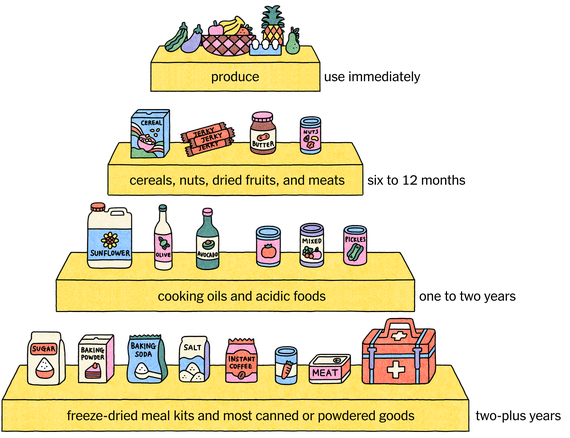
Every food item has a shelf life, and knowing these timelines helps you plan your rotation effectively. For example, canned goods often last 1-5 years, while dehydrated fruits may last 6-12 months. Check expiration dates regularly and use the “first in, first out” rule to consume older items first.
Create a rotation schedule that fits your lifestyle. Set reminders every 3-6 months to review your stock. This simple habit ensures you replace expired items and keeps your emergency food fresh without wasting money.
Frequently Asked Questions
What Are The Best Emergency Food Items To Store?
The best emergency foods include canned goods, dry grains, nuts, and freeze-dried meals. These items have a long shelf life and provide essential nutrients during emergencies.
How Much Emergency Food Should I Store Per Person?
Store at least a three-day supply of food per person. Ideally, keep a two-week supply to ensure safety during prolonged emergencies.
Can I Store Fresh Food For Emergencies?
Fresh food has a short shelf life and is not ideal for long-term storage. Opt for canned, dried, or freeze-dried foods instead.
How Do I Store Emergency Food Properly?
Store emergency food in a cool, dry, and dark place. Use airtight containers to prevent spoilage and pests.
Conclusion
Storing the right emergency food keeps you safe and prepared. Choose items with long shelf life and easy cooking methods. Include a mix of proteins, carbs, and vitamins for balance. Rotate your stock to keep food fresh and usable. Water and comfort snacks also matter during emergencies.
Planning ahead brings peace of mind and helps your family. Start small and build your food supply step by step. Being ready means fewer worries when disaster strikes. Stay calm, prepared, and confident with your emergency food choices.