Have you ever wondered what could help you stay safe and prepared in an emergency? A survival kit might be the answer you’re looking for.
It’s more than just a collection of tools—it’s your lifeline when things don’t go as planned. Whether you’re caught in a sudden storm, lost on a hike, or facing a power outage, having the right survival kit can make all the difference.
You’ll discover exactly what a survival kit is, what it should include, and how it can protect you and your loved ones when you need it most. Keep reading—your safety depends on it.
Survival Kit Basics
A survival kit is a collection of tools and supplies to help in emergencies. It keeps you prepared for unexpected situations. Understanding the basics is important for safety and confidence.
Purpose Of A Survival Kit
A survival kit helps you stay safe during emergencies. It supports basic needs like food, water, and shelter. It also aids in navigation and first aid. The kit improves your chances of staying healthy and calm.
Types Of Survival Kits
Survival kits vary by size and purpose. Some kits are small for everyday carry. Others are larger for camping or natural disasters. Common types include:
- Basic emergency kits
- Outdoor survival kits
- First aid kits
- Vehicle emergency kits
Each type contains specific items for different situations. Choose a kit based on your needs and environment.
Essential Gear Components
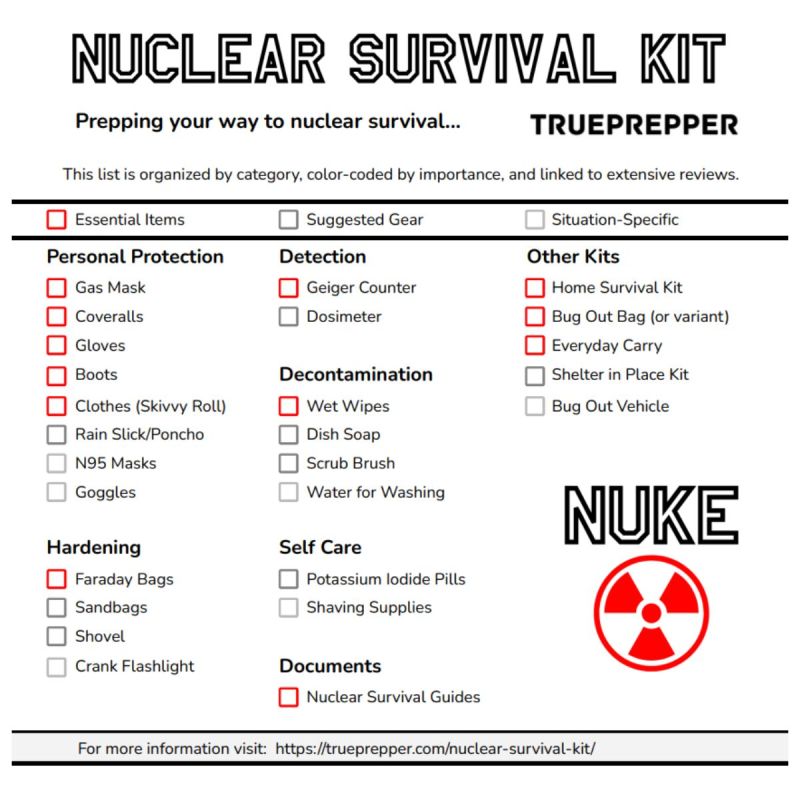
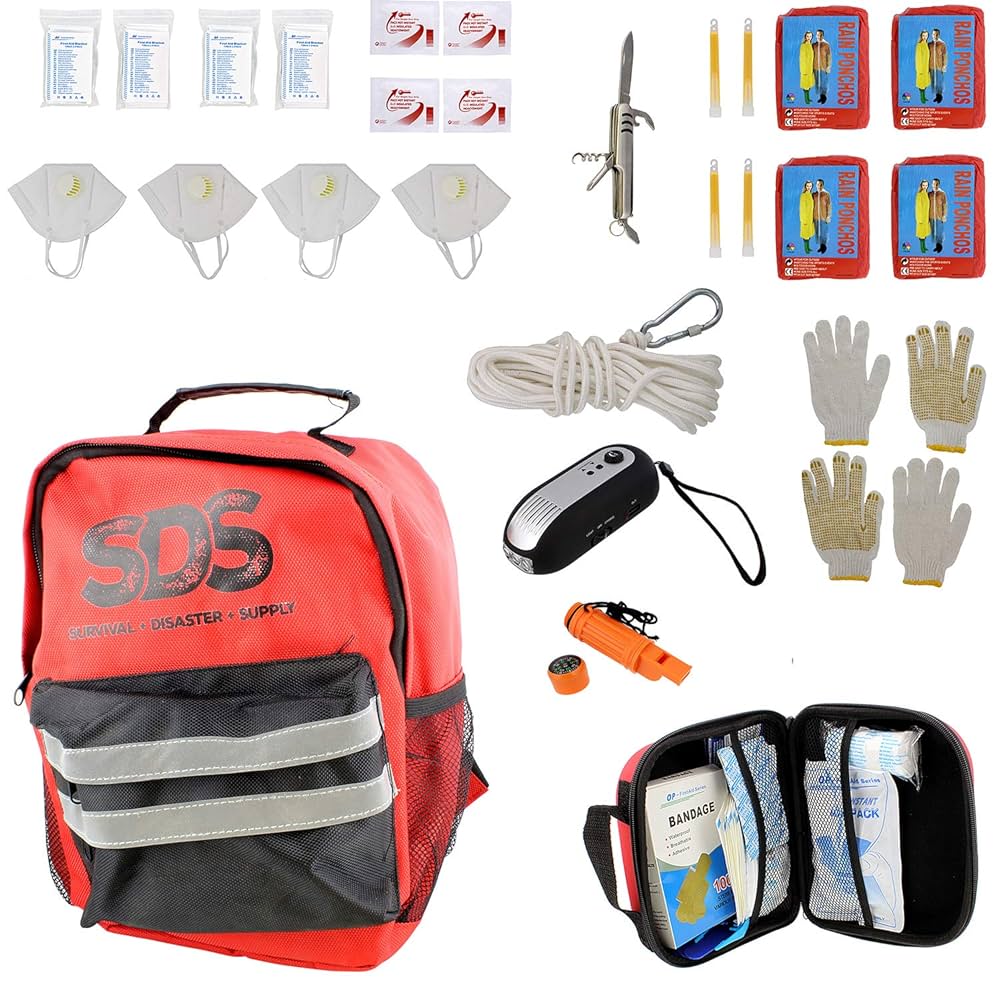
A survival kit must have key items to keep you safe and comfortable. These essential gear components cover basic needs like water, food, shelter, and safety. Each item plays a vital role in helping you survive in emergencies.
Choosing the right gear ensures you are ready for unexpected situations. Pack tools that are lightweight, durable, and easy to use. Focus on items that provide hydration, nourishment, warmth, and protection.
Water And Hydration Tools
Water is the top survival priority. Include tools to store, filter, and purify water. A sturdy water bottle or hydration bladder helps carry liquids. Water purification tablets or portable filters remove harmful germs and bacteria.
Food And Nutrition Supplies
Pack non-perishable, high-energy foods. Examples include energy bars, nuts, and dried fruits. These foods give needed calories and last long. Avoid bulky or heavy items to keep the kit light.
Shelter And Warmth Items
Protect yourself from weather with shelter gear. A compact tent, tarp, or emergency blanket blocks wind and rain. Warmth items like a sleeping bag or thermal blanket prevent hypothermia. Carry extra clothing layers for insulation.
First Aid Essentials
A first aid kit handles minor injuries. Include bandages, antiseptic wipes, pain relievers, and tweezers. Add items for blisters, cuts, and insect bites. Keep it organized and easy to access.
Fire Starting Equipment
Fire is crucial for warmth, cooking, and signaling. Pack waterproof matches, a lighter, or fire starters. Carry tinder or cotton balls to ignite flames quickly. Fire tools should be reliable in wet or windy conditions.
Navigation And Signaling Tools
Find your way and call for help with navigation tools. A compass and map guide you through unfamiliar areas. Signaling devices like a whistle, mirror, or flashlight attract attention. Bright colors and sounds increase chances of rescue.
Multi-purpose Tools
Multi-tools combine several functions in one device. Choose a compact tool with a knife, pliers, screwdriver, and scissors. These tools fix gear, prepare food, and help with many tasks. A good multi-tool saves space and weight in your kit.
Choosing The Right Kit
Choosing the right survival kit is crucial for staying safe in emergencies. Each kit suits different needs and situations. Picking the right one means understanding your surroundings and your own abilities. Tailoring your kit to your needs increases your chances of success.
Consider Your Environment
Think about the place you will be in most often. Different environments demand different tools. For example, a forest requires items to start fires and signal for help. In urban areas, first aid and communication tools matter more. Weather conditions like cold or heat also affect what you need. Choose a kit that fits these conditions well.
Assess Your Skills
Know what skills you have before choosing a kit. Some kits require basic knowledge to use tools properly. Others are for advanced users who can handle complex gear. If you are a beginner, pick a simple kit with easy-to-use items. If skilled, look for kits with more specialized gear. Match your kit to your comfort level and experience.
Customize Your Gear
Every person’s needs are different. Add or remove items to make your kit personal. Think about health issues, local dangers, and how long you might be without help. Include extra supplies like medications or snacks if needed. A customized kit fits you perfectly and prepares you better.

Credit: www.amazon.de
Packing And Maintenance Tips
Packing and maintaining a survival kit requires focus and care. A well-packed kit ensures you have essential tools and supplies ready. Proper maintenance keeps everything in working order and extends the kit’s life.
Efficient Packing Strategies
Start with the basics. Choose compact and lightweight items to save space. Organize your kit by categories like food, first aid, and tools. Use small bags or compartments to separate items. Keep frequently used items on top for easy access.
- Prioritize multi-use tools to reduce bulk.
- Seal food and matches in waterproof bags.
- Label compartments clearly for quick identification.
Regular Gear Checks
Inspect your survival kit every few months. Check for damage or wear on all items. Test electronic devices like flashlights and radios. Make sure batteries are working and replace if needed. Clean and dry everything before repacking to avoid mold.
Replacing Expired Items
Track expiration dates on food, medicine, and batteries. Replace expired or nearly expired items promptly. Keep a list of replacements to update during gear checks. Use older supplies first to avoid waste. Fresh items improve your kit’s reliability in emergencies.
Survival Kit Usage Scenarios
A survival kit is useful in many situations. It helps people stay safe and solve problems quickly. Knowing where and how to use a survival kit can save lives. Different scenarios need different items and skills.
Each setting has unique challenges. A good survival kit fits the environment and tasks. Let’s explore common survival kit usage scenarios.
Outdoor Adventures
Outdoor trips can be risky. Hiking, camping, and fishing may cause accidents or get you lost. A survival kit helps with:
- Starting a fire for warmth and cooking
- Finding clean water or purifying it
- Repairing gear or clothing
- Providing first aid for injuries
- Signaling for help if needed
Carrying a survival kit improves safety and confidence outdoors.
Emergency Preparedness
Emergencies happen suddenly. Natural disasters or power outages create dangerous conditions. A survival kit supports survival by offering:
- Basic medical supplies for wounds
- Non-perishable food and water
- Tools like flashlights and batteries
- Emergency blankets for warmth
- Communication devices or whistles
Having a kit ready reduces panic and helps manage emergencies better.
Urban Survival
Survival kits are useful in cities too. Urban disasters or accidents can disrupt daily life. A kit can assist with:
- Self-defense tools for personal safety
- Basic first aid for minor injuries
- Flashlights and batteries during blackouts
- Water purification methods for safe drinking
- Important documents and cash in emergencies
Urban survival kits prepare people for unexpected city challenges.

Credit: www.trooper.ch

Credit: www.amazon.de
Frequently Asked Questions
What Is A Survival Kit Used For?
A survival kit contains essential tools to help you survive emergencies. It provides basic supplies like food, water, and first aid items. It is designed to keep you safe and self-sufficient in unexpected situations.
What Items Are Included In A Survival Kit?
A survival kit typically includes water, non-perishable food, a flashlight, first aid supplies, and a multi-tool. It may also have matches, a whistle, and emergency blankets. The items vary depending on the environment and expected emergencies.
How Do I Choose The Right Survival Kit?
Choose a survival kit based on your needs, location, and potential risks. Consider the kit’s size, weight, and included items. Ensure it covers food, water, shelter, and first aid essentials for your situation.
Can I Make My Own Survival Kit?
Yes, you can make a survival kit tailored to your needs. Include basic survival items like water, food, first aid, and tools. Personalize it for your environment and potential emergencies for better preparedness.
Conclusion
A survival kit helps you stay safe in emergencies. It holds tools and supplies you might need. Carrying one can give peace of mind. Knowing what to include makes a big difference. Small items can protect you in tough times.
Prepare now, and be ready for surprises. A simple kit can save lives and reduce stress. Always check and update your kit regularly. Stay smart, stay safe with a survival kit.