Have you ever wondered what you would eat if an emergency struck and you couldn’t get to a store? Knowing about emergency foods can make all the difference in keeping you and your loved ones safe and nourished when disaster hits.
These special foods are designed to last long, provide essential nutrients, and be easy to store. If you want to be prepared and avoid panic during uncertain times, understanding emergency foods is a smart step. Keep reading to discover what they are, why you need them, and how they can protect your family when it matters most.

Credit: valleyfood.ca
Essential Emergency Foods
Essential emergency foods provide nutrition during unexpected situations. These foods last long without spoiling. They supply energy and keep you healthy. Choosing the right emergency foods ensures survival and comfort.
Non-perishable Staples
Non-perishable staples are foods that stay safe for months or years. They do not need refrigeration. Examples include:
- Rice
- Dried beans
- Canned vegetables and fruits
- Pasta
- Canned meats and fish
- Powdered milk
- Flour and sugar
These foods offer essential nutrients and can form many meals. Store them in a cool, dry place.
High-energy Snacks
High-energy snacks provide quick calories and keep energy up. They are easy to carry and eat. Ideal snacks include:
- Nuts and seeds
- Granola bars
- Trail mix
- Peanut butter
- Chocolate
- Energy bars
These snacks help maintain strength during stress or physical activity.
Hydration Essentials
Water is vital for survival. Emergency food supplies must include water or ways to get clean water. Consider:
- Bottled water
- Water purification tablets
- Portable water filters
- Electrolyte powders
Staying hydrated supports all body functions. Always plan for enough water per person per day.
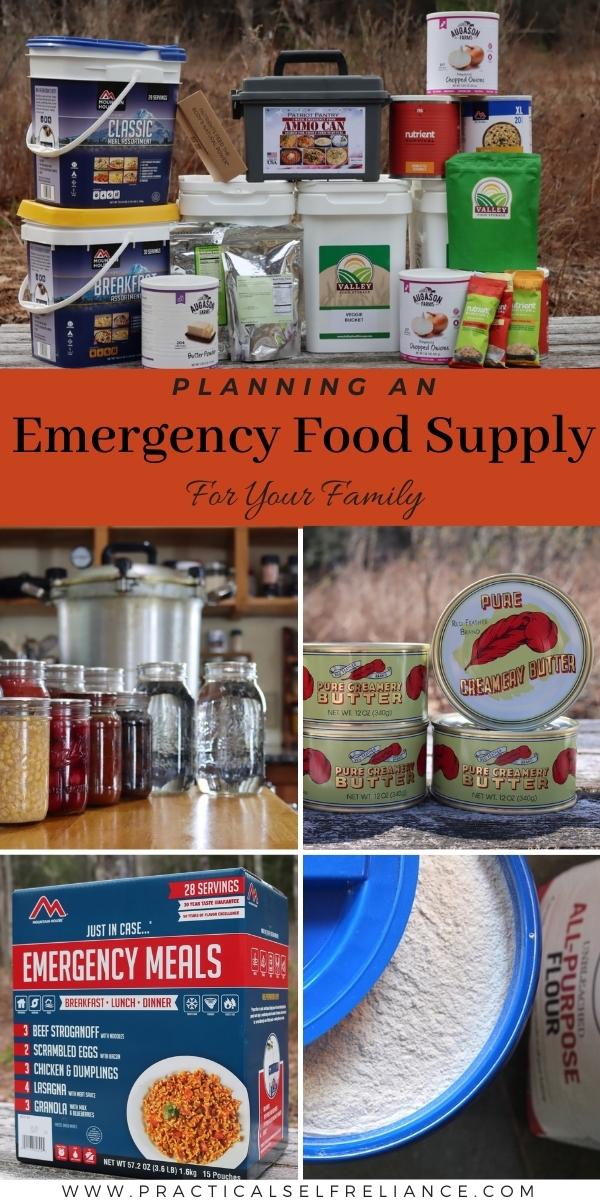
Credit: practicalselfreliance.com
Nutritional Value In Emergencies
Emergency foods must provide enough nutrients to keep the body strong. In tough times, your body needs energy and essential nutrients to function well. Choosing the right emergency foods helps maintain health and energy levels during crises. Nutritional value is key for survival and recovery.
Calorie-dense Options
Emergency foods should offer many calories in small servings. Calories give the energy needed to stay active and alert. Foods like nuts, dried fruits, and energy bars pack a lot of calories. These options are easy to store and carry. They help prevent fatigue and keep the body warm.
Balanced Macronutrients
Macronutrients include carbohydrates, proteins, and fats. All three are vital during emergencies. Carbohydrates provide quick energy. Proteins help repair muscles and tissues. Fats give long-lasting energy and support brain function. A balanced mix keeps the body working well and supports immunity.
Vitamins And Minerals
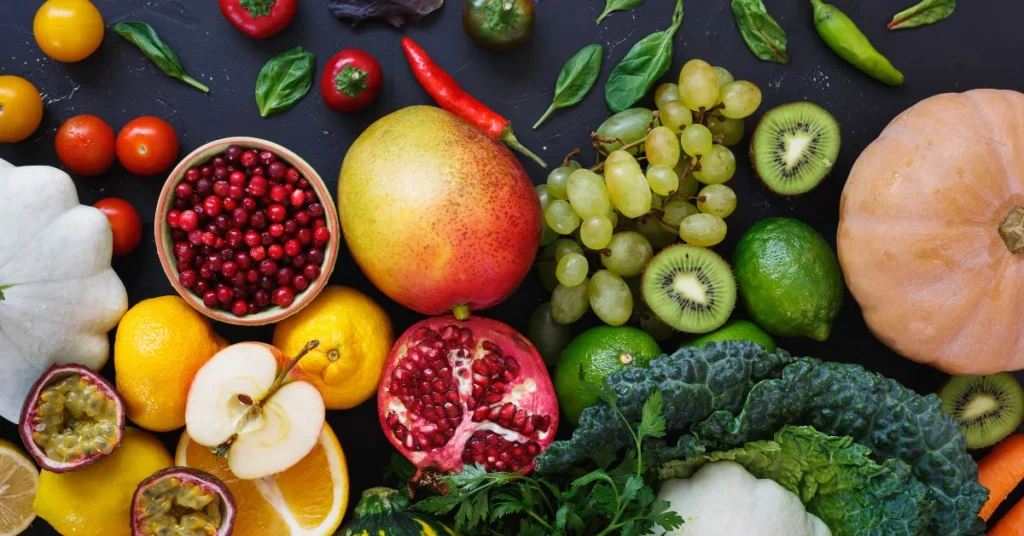
Vitamins and minerals protect the body from illness. They support immune health and help wounds heal faster. Emergency foods should include sources of vitamin C, vitamin A, iron, and calcium. Dehydrated vegetables, fortified cereals, and multivitamin supplements work well. These nutrients prevent deficiencies and keep the body strong.
Storage Tips For Longevity
Emergency foods last longer when stored in cool, dry places away from sunlight. Sealing packages tightly helps keep pests and moisture out. Proper storage keeps food safe and ready for use during emergencies.
When stocking up on emergency foods, proper storage is crucial. Good storage ensures your food remains safe and nutritious. It also helps in minimizing waste. Let’s explore some key tips for storing emergency foods for maximum longevity.Proper Containers
Choose airtight containers to keep food fresh. Mason jars, vacuum-sealed bags, and Mylar bags are excellent choices. These containers protect food from moisture and pests. They are also durable and reusable. Ensure containers are clean and dry before use.Optimal Temperature
Store food in a cool, dry place. Avoid areas with direct sunlight or high humidity. The ideal temperature is around 50 to 70 degrees Fahrenheit. Basements or pantries are great storage spots. Temperature fluctuations can shorten food shelf life.Rotation And Expiry
Check expiry dates regularly. Use older items first to avoid waste. Label containers with purchase or expiration dates. This helps in easy rotation. A simple rule: “First in, first out.” It ensures you’re always consuming fresh food.Best Emergency Food Brands
Choosing the best emergency food brands can make a huge difference when you face unexpected situations. The right brand offers reliability, taste, and nutritional value, which are critical when you need sustenance without hassle. I’ve tried several options, and some brands stood out because they balanced convenience with quality, helping me stay prepared without sacrificing flavor or health.
Popular Ready-to-eat Meals
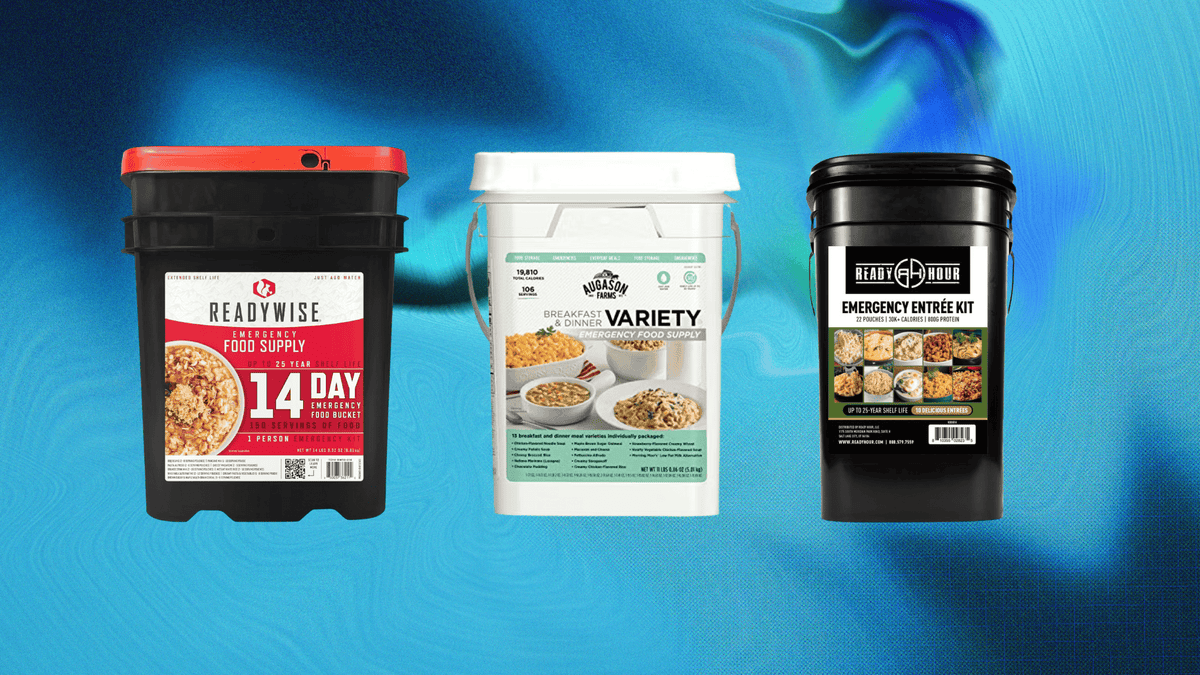
Ready-to-eat meals are a lifesaver when you want something quick and filling. Brands like Mountain House and Wise Company provide meals that require no cooking—just open and eat. These meals often include familiar dishes like beef stew, chicken and rice, or pasta, making it easier to stay comfortable during stressful times.
Many people overlook taste in emergency foods, but these brands focus on flavor too. Have you ever felt stuck eating bland survival food? These ready-to-eat options prove it doesn’t have to be that way. Plus, their long shelf life means you can keep them stocked without worry.
Freeze-dried And Dehydrated Foods
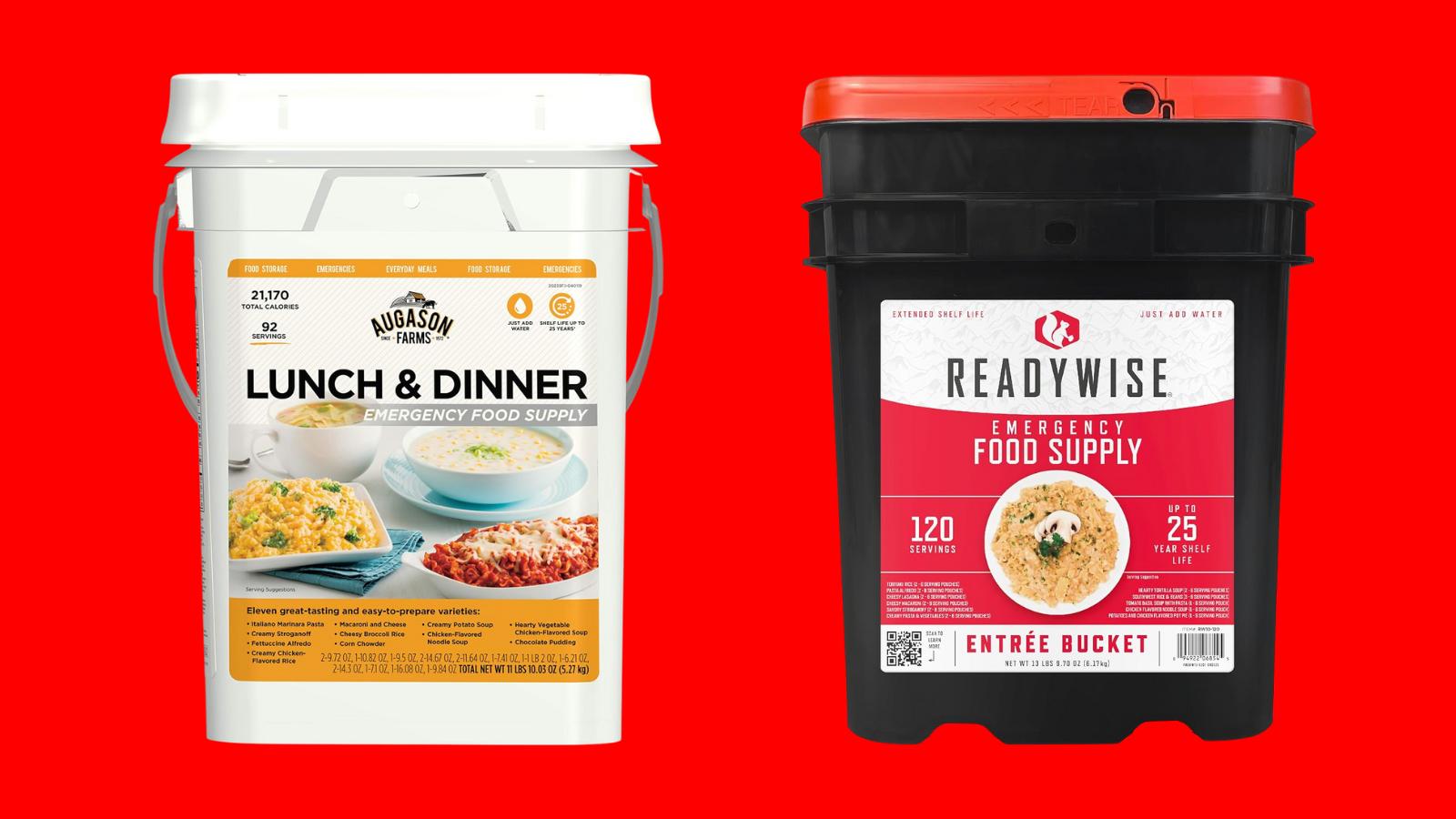
Freeze-dried foods lock in nutrients and flavor by removing moisture, making them last for years. Brands like Legacy Food Storage and Augason Farms offer extensive freeze-dried selections that include fruits, vegetables, and full meals. These foods are lightweight and easy to store, which is perfect if space is limited.
Dehydrated foods work similarly but usually have a denser texture. They’re ideal if you want to rehydrate meals quickly with hot water. Have you tried adding freeze-dried veggies to your soups or stews? It’s an easy way to boost nutrition without fresh ingredients.
Diy Food Kits
If you prefer control over ingredients and portion sizes, DIY food kits might be your best choice. Brands like Thrive Life provide kits with separate components like grains, proteins, and vegetables, letting you mix and match. This approach fits different tastes and dietary needs better than pre-made meals.
Building your own emergency meals can feel rewarding and practical. You decide what goes in, ensuring no unwanted additives or allergens. Have you considered creating your personalized emergency food stash? It might take more effort, but the flexibility could pay off during an emergency.
Preparing Emergency Food Kits
Preparing emergency food kits is a crucial step in ensuring your family stays nourished during unexpected situations. These kits act as a reliable food source when regular meals aren’t accessible. Thoughtful preparation can make a difference between stress and comfort in times of crisis.
Customizing For Family Needs
Your emergency food kit should reflect the unique preferences and needs of your family members. Consider the number of people and their typical appetite sizes. Packing enough food to sustain everyone is key, but avoid overloading with items no one will eat.
Think about the ages of your family members. Kids might prefer simpler, familiar foods, while adults may need more calorie-dense options. Including a mix of snacks, main meals, and easy-to-prepare items can keep everyone satisfied.
Incorporating Dietary Restrictions
Do you or your family members have allergies or special diets? Make sure your emergency food kit respects those limitations to avoid health issues. This means checking labels carefully and choosing safe alternatives.
Vegetarian, gluten-free, or diabetic-friendly foods should be clearly identified. Including a variety of options ensures no one feels left out or at risk. Have you ever realized the importance of safe food choices only after an emergency?
Portability And Packaging
How easy is it to carry your emergency food kit if you need to move quickly? Compact, lightweight packaging can make a big difference in portability. Opt for vacuum-sealed bags or canned goods that stack well and resist damage.
Consider resealable packaging to keep food fresh after opening. Also, include utensils and a small manual can opener if necessary. Proper packaging not only protects the food but also makes your kit more convenient when time is critical.

Credit: mountainhouse.com
Using Emergency Foods Effectively
Using emergency foods effectively can make a significant difference during unexpected situations. It’s not just about having supplies but knowing how to manage and use them wisely. Proper use ensures you stay nourished, reduce waste, and maintain your energy when it matters most.
Meal Planning During Crises
Planning your meals ahead helps stretch your emergency food supplies further. Think about balanced meals that include proteins, carbs, and fats to keep your energy levels steady.
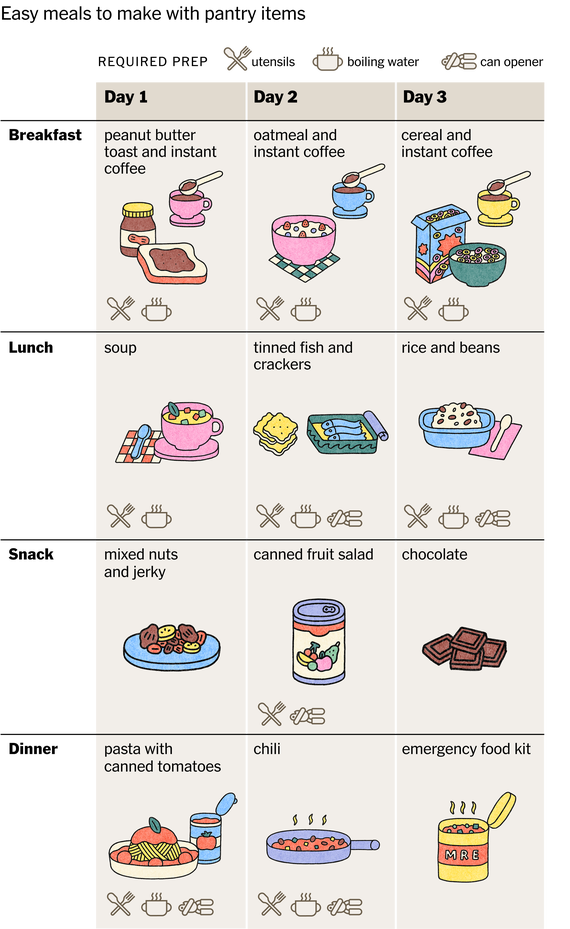
Write down simple meal ideas using what you have. This avoids last-minute stress and keeps you organized. Have you ever tried making a weekly meal plan during a power outage? It can save time and prevent unnecessary food spoilage.
Cooking Without Power
Cooking without electricity requires creativity and preparation. Stock up on portable stoves, canned heat, or even solar ovens if possible.
Use foods that don’t need cooking, such as nuts, dried fruits, or ready-to-eat canned goods. Remember, water sources may also be limited, so consider meals that require minimal water. Have you tested your emergency cooking methods before a real emergency? Practicing can reduce frustration.
Rationing Supplies
Rationing ensures your food lasts longer, especially if help takes time to arrive. Divide your daily food into measured portions and stick to them strictly.
Track your inventory regularly and adjust your rationing based on how long you expect to be without resupply. Avoid the temptation to eat more than planned, even when stressed. How do you keep your morale up while rationing? Sometimes, sharing small treats can boost spirits without using too many resources.
Frequently Asked Questions
What Are Emergency Foods And Why Are They Important?
Emergency foods are non-perishable items stored for crisis situations. They provide essential nutrition during disasters or shortages. Having them ensures survival and maintains energy when regular food sources are unavailable.
How Long Do Emergency Foods Typically Last?
Emergency foods can last from several months to 25 years. Shelf life depends on packaging and storage conditions. Properly sealed and stored foods retain nutrients longer, making them reliable for long-term emergencies.
What Types Of Foods Qualify As Emergency Foods?
Emergency foods include canned goods, freeze-dried meals, and dehydrated fruits. These items are nutrient-dense, lightweight, and easy to store. They require minimal preparation and have extended shelf lives.
How Should I Store Emergency Foods For Best Preservation?
Store emergency foods in cool, dry, and dark places. Use airtight containers to prevent moisture and pests. Rotate stock regularly to keep foods fresh and replace expired items promptly.
Conclusion
Emergency foods keep you safe during power outages or disasters. They last long and need little preparation. Choose foods that suit your taste and nutrition needs. Store them properly to avoid spoilage. Rotate your supplies to keep them fresh. Being prepared brings peace of mind.
A small effort today can make a big difference tomorrow. Stay ready, stay safe.