When disaster strikes, having the right emergency food supply can make all the difference for you and your family. But with so many options available, how do you choose the best one?
You want food that lasts long, tastes good, and gives you the energy you need when it matters most. You’ll discover the top emergency food supplies that experts recommend. By the end, you’ll feel confident knowing exactly what to stock up on to keep you safe and nourished, no matter the situation.
Keep reading to protect your future and take control of your emergency preparedness today.

Credit: www.goodhousekeeping.com
Criteria For Emergency Food
Choosing the right emergency food requires careful thought. The food must last long, provide good nutrition, be easy to prepare, and fit well in your storage space. These factors ensure you stay healthy and safe during unexpected situations.
Shelf Life And Durability
Emergency food should last for years without spoiling. Long shelf life means less worry about expiration dates. Foods sealed in airtight packaging keep well. Choose items resistant to moisture, heat, and pests. Durability helps food stay edible even in tough conditions.
Nutritional Value
Food must supply essential nutrients like protein, vitamins, and minerals. Balanced nutrition supports energy and immune health. Avoid foods high in sugar or empty calories. Look for meals with a good mix of carbs, fats, and proteins. Proper nutrition helps your body stay strong during emergencies.
Ease Of Preparation
Emergency food should be simple to prepare with minimal tools. Some require only water or heating, while others can be eaten cold. Quick preparation saves time and effort. Avoid foods needing complex cooking or many ingredients. Ready-to-eat options are ideal for urgent situations.
Portability And Storage
Food must be easy to carry and store in small spaces. Lightweight and compact packaging is best. Stackable containers help organize your supplies. Choose food that does not need refrigeration. Proper storage protects food from damage and contamination.
Top Emergency Food Types
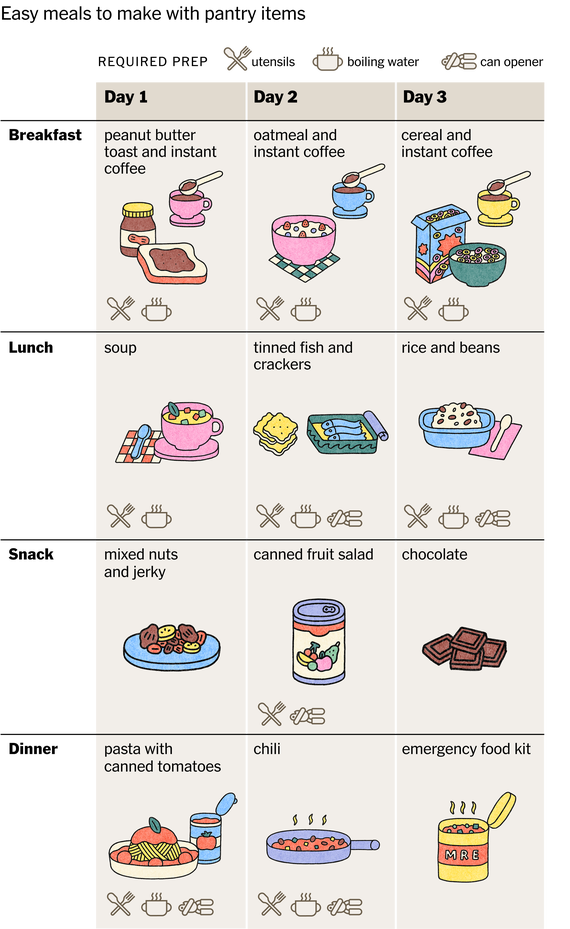
Choosing the right emergency food types is crucial for survival. Food must last long, be easy to store, and provide good nutrition. Various options fit these needs and suit different tastes and situations.
Below are some top emergency food types that balance shelf life, convenience, and nutrition.
Freeze-dried Meals
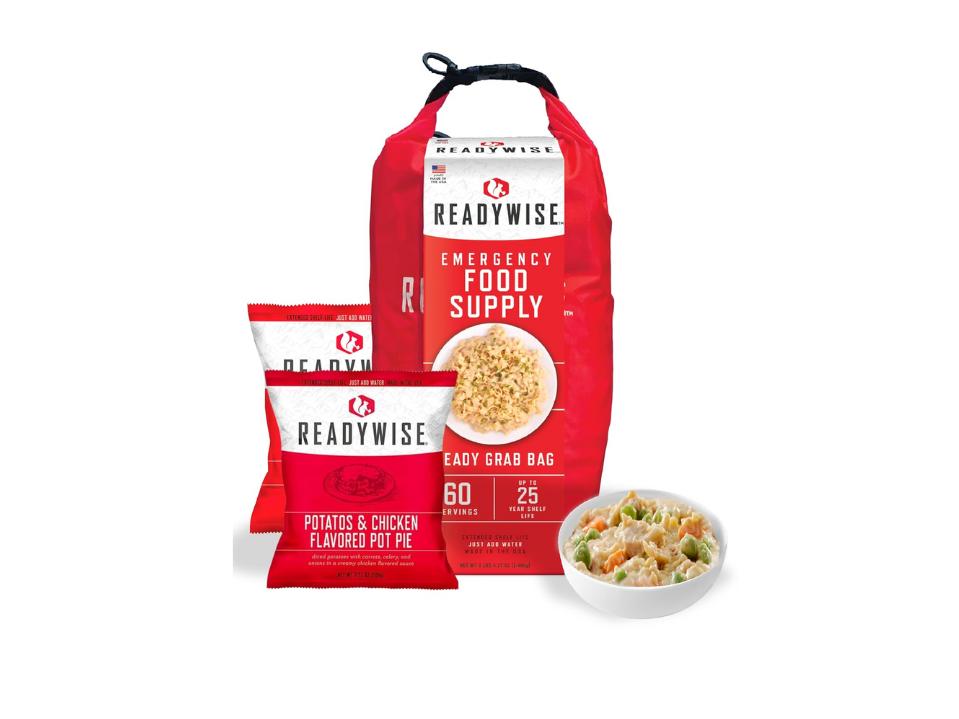
Freeze-dried meals keep almost all nutrients and flavor. They are lightweight and easy to store. Just add water to eat. These meals can last 25 years or more. They come in many varieties like pasta, rice dishes, and soups.
Canned Goods
Canned goods last for years and do not need refrigeration. They include vegetables, fruits, beans, and meats. Cans are heavy but very durable. Canned food is ready to eat or heat quickly. They provide good nutrition and variety.
Dehydrated Fruits And Vegetables
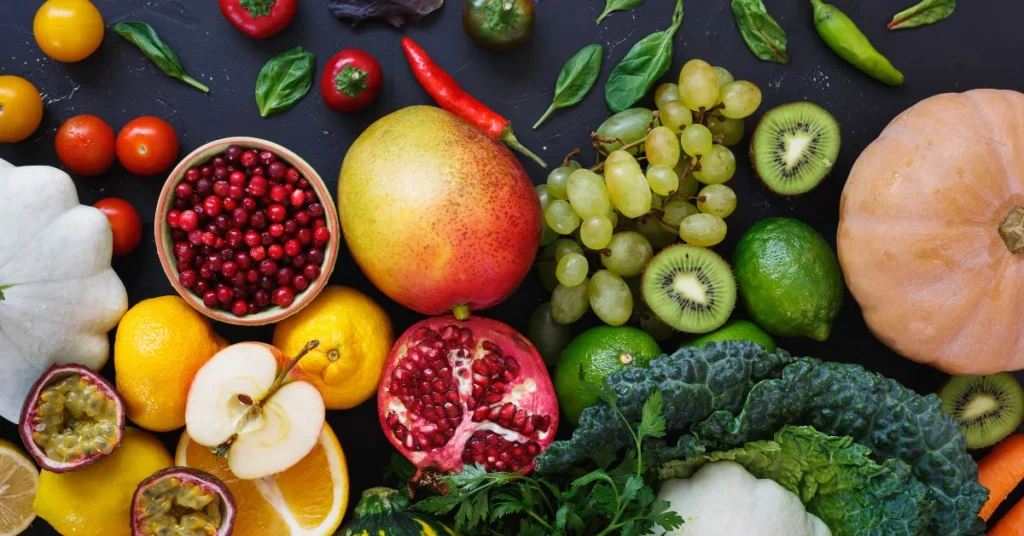
Dehydrated fruits and vegetables keep vitamins and fiber. They are light and easy to pack. These foods need little or no water to eat. They add flavor and nutrients to meals. Ideal for snacking or mixing with other foods.
Energy Bars And Protein Packs
Energy bars and protein packs give quick calories and nutrients. They are compact and portable. Perfect for short bursts of energy. Many bars last years without spoiling. They contain carbs, protein, and fats for balance.
Grains And Legumes
Grains and legumes store well and provide lasting energy. Rice, beans, lentils, and oats are common choices. They need cooking but can last for decades if stored properly. These foods supply fiber, protein, and essential minerals.
Best Brands For Survival Food
Choosing the right brand for your emergency food supply can make a huge difference in how well you cope during unexpected situations. Quality, taste, shelf life, and nutritional value matter a lot when your survival depends on what’s in your food storage. Here’s a look at some of the best brands that consistently deliver reliable survival food.
Mountain House
Mountain House is known for its tasty freeze-dried meals that don’t compromise on flavor or nutrition. Their food lasts up to 30 years, making it a solid choice for long-term storage. I once tried their beef stroganoff on a camping trip, and it was surprisingly delicious—proof that survival food doesn’t have to taste bland.
They offer a wide variety of meals, from breakfast options to hearty dinners, all easy to prepare with just hot water. Have you considered how important it is to enjoy your food when under stress?
Augason Farms
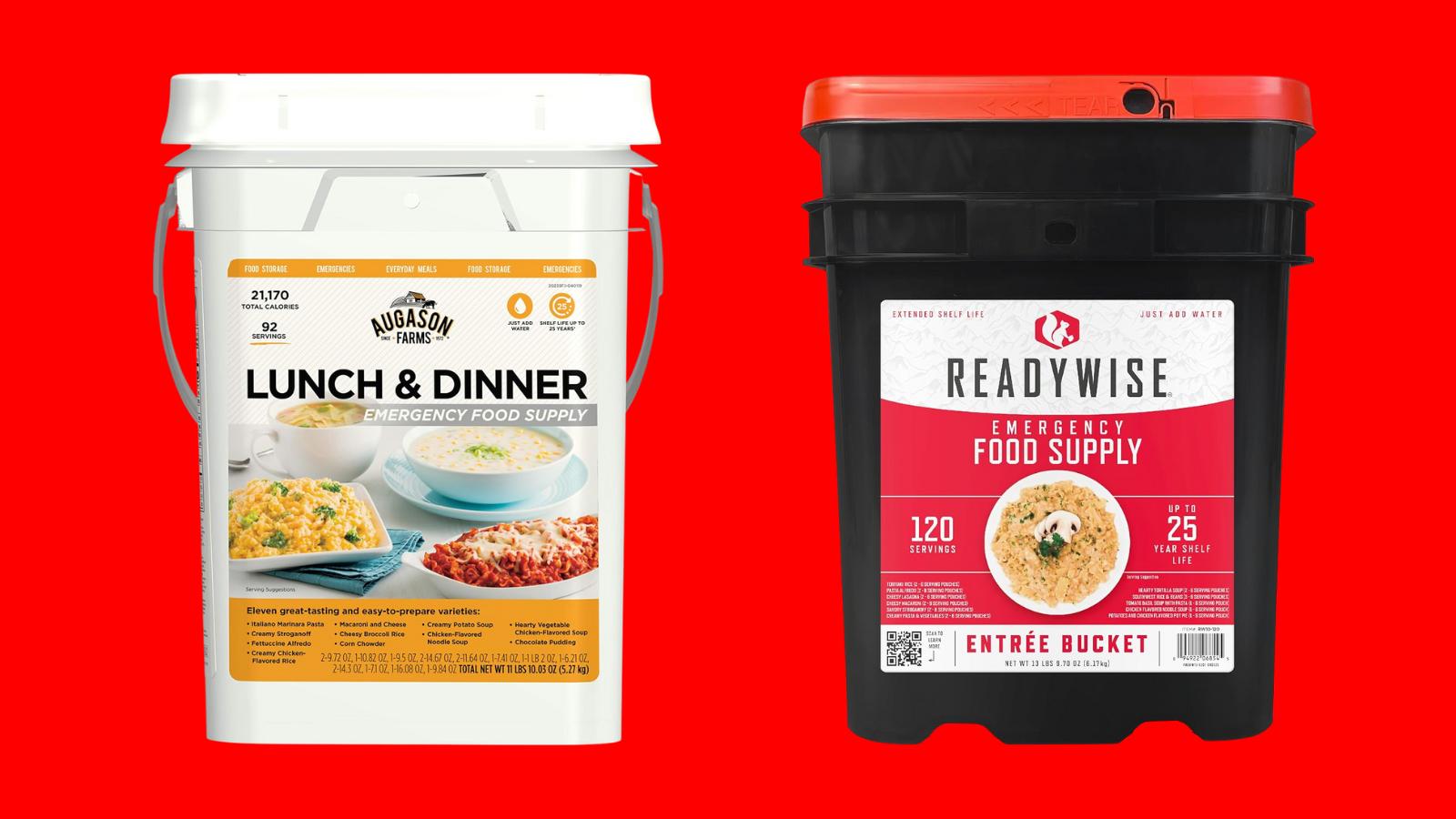
Augason Farms focuses on bulk storage solutions, perfect if you want to build a comprehensive emergency pantry. Their products include everything from grains and beans to full meal kits. What’s useful is their clear labeling and detailed prep instructions, which can save time during an emergency.
They also offer smaller cans and buckets, so you can tailor your supply based on your family size and needs. Would having flexible portion sizes make you feel more prepared?
Wise Company
Wise Company stands out for its balance between affordability and quality. Their survival kits often come with a variety of meals that are easy to cook and have a shelf life of up to 25 years. If you’re looking for variety, their offerings include pasta, rice meals, and even breakfast items.
Another plus is their commitment to packaging that protects food from moisture and air, which is crucial for maintaining freshness. How much does packaging influence your choice when picking survival food?
Legacy Food Storage
Legacy Food Storage specializes in large emergency food kits designed for long-term survival. Their meals are gluten-free and made with natural ingredients, which is great if you have dietary restrictions. I’ve found their customer service very helpful when I had questions about shelf life and meal prep.
They also provide detailed nutritional information, helping you plan balanced meals even in a crisis. Have you thought about how diet quality impacts your energy and mood during emergencies?
Emergency Essentials
Emergency Essentials offers a broad range of freeze-dried and dehydrated foods, plus water purification and survival gear. Their food kits vary from small to very large, giving you options whether you’re prepping solo or for a whole family. Their reputation for quality and taste has earned them many loyal customers.
They also provide easy-to-understand prep guides, which can be a lifesaver when you’re under pressure. What would make you feel more confident using emergency food when time is limited?

Credit: trueprepper.com
Building A Balanced Food Supply
Choosing the best emergency food supply means focusing on long-lasting, nutritious, and easy-to-store items. Balanced options include dried fruits, nuts, canned vegetables, and protein sources. These foods help maintain energy and health during unexpected situations.
Building a balanced emergency food supply is crucial for preparedness. It ensures you and your family have nutrition during unexpected situations. A well-rounded food stash keeps energy levels stable and supports overall health. Let’s explore the key components of a balanced food supply.Combining Macronutrients
Macronutrients include carbohydrates, proteins, and fats. Each plays a vital role in your diet. Carbohydrates provide quick energy. Opt for items like rice, pasta, and oats. Proteins are essential for muscle repair. Canned meats, beans, and nuts are good choices. Fats help with energy storage. Store oils and nut butters for this purpose. A mix of these macronutrients ensures a balanced intake.Including Vitamins And Minerals
Vitamins and minerals support immune function and overall health. Canned fruits and vegetables are excellent sources. Choose items like canned spinach, carrots, and peaches. Multivitamins can also fill nutritional gaps. Ensure your supply includes a variety of nutrient-rich foods. This diversity helps maintain body functions during emergencies.Hydration Considerations
Water is essential for survival. Store enough water for drinking and cooking. Aim for at least one gallon per person per day. Consider water purification tablets for emergencies. Powdered drink mixes can improve water taste. Proper hydration supports digestion and nutrient absorption. Keep water storage in mind when planning your food supply.Storage Tips For Longevity
Proper storage is crucial for keeping emergency food fresh and safe to eat. Good storage practices extend shelf life and preserve taste and nutrition. Follow these simple tips to store your emergency food supply effectively.
Optimal Temperature And Humidity
Store food in a cool, dry place. Ideal temperature is between 50°F and 70°F (10°C to 21°C). Avoid areas with high heat like near ovens or direct sunlight. Keep humidity low, below 60%, to prevent mold and spoilage. Use a dehumidifier or moisture absorbers if needed.
Rotation And Replacement
Use the “first in, first out” rule. Eat older food before newer stock. Check expiration dates regularly. Replace expired or damaged items promptly. This keeps your supply fresh and ready for use. Keep a list of stored items for easy tracking.
Packaging And Containers
Use airtight containers to protect food from air and moisture. Vacuum-sealed bags, Mylar bags, and food-grade buckets work well. Avoid plastic bags that can tear easily. Label containers with content and date of storage. Store food off the ground to prevent pests and water damage.
Special Dietary Needs
Special dietary needs require careful planning in emergency food supplies. People with allergies, intolerances, or lifestyle choices need safe, nutritious options. Emergency kits should include foods that meet these unique requirements. This ensures everyone can stay healthy and comfortable during a crisis.
Gluten-free Options
Gluten-free emergency foods are vital for those with celiac disease or gluten sensitivity. Choose canned or packaged foods labeled gluten-free to avoid cross-contamination. Good options include:
- Rice and quinoa
- Gluten-free pasta and noodles
- Canned vegetables and beans
- Gluten-free energy bars
Make sure to check ingredient lists carefully. Store items in sealed containers to keep them safe.
Vegetarian And Vegan Choices
Vegetarian and vegan diets need plant-based emergency foods rich in protein and nutrients. Include a variety of options such as:
- Dried lentils, beans, and chickpeas
- Nuts and seeds
- Dehydrated vegetables and fruits
- Plant-based protein powders
These foods provide energy and essential vitamins. They also have long shelf lives and are easy to store.
Allergy-friendly Foods
Allergy-friendly emergency foods avoid common triggers like nuts, dairy, and soy. Safe choices include:
- Rice cakes and crackers
- Fresh or dried fruits
- Vegetable soups without allergens
- Allergen-free protein bars
Label all emergency foods clearly. Keep allergen-free items separate from others to prevent contamination.
Diy Emergency Food Ideas
DIY emergency food ideas help you prepare for unexpected situations. These ideas focus on easy, nutritious options you can make or grow. Preparing your own food supply saves money and ensures freshness. It also gives you control over ingredients and storage methods.
Homemade Trail Mix
Trail mix is a quick, energy-rich snack. You can combine nuts, seeds, dried fruits, and a bit of chocolate or coconut flakes. Choose ingredients based on your taste and nutritional needs. Store the mix in airtight containers to keep it fresh for months.
- Almonds or peanuts for protein
- Sunflower or pumpkin seeds for healthy fats
- Dried cranberries, raisins, or apricots for natural sweetness
- Small pieces of dark chocolate for flavor
This mix offers a good balance of carbs, protein, and fat. It’s easy to carry and doesn’t require cooking.
Canned And Preserved Foods
Canned foods last long and provide essential nutrients. You can buy or make your own preserves at home. Vegetables, beans, fruits, and meats are common choices. Use a pressure canner or water bath canner for safe preservation.
- Tomato sauce, soups, and stews
- Canned beans and lentils
- Fruits like peaches and pears
- Pickled vegetables for variety
Label each jar with the date and content. Store them in a cool, dark place for best shelf life.
Gardening For Survival
Growing your own food ensures a fresh supply during emergencies. Focus on easy-to-grow vegetables and herbs. Leafy greens, radishes, carrots, and beans grow quickly and yield well. Herbs like basil, parsley, and chives add flavor and nutrients.
- Use containers or small garden beds
- Water regularly and use natural fertilizers
- Harvest vegetables as they ripen for continuous supply
Gardening reduces dependence on store-bought food. It also helps maintain a healthy diet with fresh produce.
Planning For Different Scenarios
Planning for different scenarios ensures your emergency food supply meets actual needs. Each situation demands specific types of food and storage methods. Preparing with clear goals helps avoid waste and stress during emergencies.
Natural Disasters
Natural disasters like hurricanes, earthquakes, or floods can cut off access to stores. Foods should be easy to store and quick to prepare without power. Focus on:
- Non-perishable items such as canned goods and dried fruits
- Ready-to-eat meals that require no cooking
- Foods rich in calories and nutrients for energy
- Water or water purification options
Keep food supplies in waterproof containers and rotate them regularly. This ensures freshness and usability during sudden events.
Long-term Survival
Long-term survival needs food that lasts months or years. Storage space, shelf life, and nutrition are key factors. Choose items like:
- Freeze-dried meals with extended shelf life
- Grains, beans, and legumes for balanced nutrition
- Powdered milk and vitamins to supplement diets
- Seeds for growing your own food
Store food in airtight, cool, and dark places. Regularly check expiration dates and replace items when needed.
Bug-out Bags
Bug-out bags require lightweight, compact, and high-energy foods. These supplies support short-term survival during quick evacuations. Ideal food options include:
- Energy bars and trail mix
- Dehydrated fruits and jerky
- Instant noodles or soups
- Small packets of peanut butter or nut butter
Pack food in resealable bags to save space and maintain freshness. Keep enough food for at least 72 hours in every bug-out bag.
Credit: www.forbes.com
Frequently Asked Questions
What Are The Best Emergency Food Supply Options?
The best emergency food supplies include freeze-dried meals, canned goods, and dehydrated fruits. These options have long shelf lives and provide essential nutrients. They are easy to store and prepare, making them ideal for emergencies.
How Long Can Emergency Food Supplies Last?
Emergency food supplies can last from 1 to 30 years, depending on the type. Freeze-dried foods often last 25+ years, while canned goods usually last 1-5 years. Proper storage in a cool, dry place extends their shelf life.
What Nutrients Should Emergency Food Supplies Contain?
Emergency food supplies should contain carbohydrates, proteins, fats, vitamins, and minerals. Balanced nutrition ensures energy, muscle repair, and immune support during emergencies. Including a variety of foods helps meet daily dietary needs.
Are Freeze-dried Foods Better For Emergency Storage?
Yes, freeze-dried foods are lightweight, nutrient-rich, and have long shelf lives. They retain most nutrients and flavor, making them ideal for emergency kits. Their ease of preparation with just water adds convenience during crises.
Conclusion
Choosing the best emergency food supply helps you stay safe and prepared. Focus on foods that last long and provide good energy. Include a mix of proteins, carbs, and vitamins for balanced nutrition. Store your food in a cool, dry place to keep it fresh.
Check expiration dates regularly to avoid surprises. A well-planned emergency food supply gives peace of mind during tough times. Start small, then build your stock over time. Being ready means you can face emergencies with confidence. Simple steps today make a big difference tomorrow.