Imagine being millions of miles away from Earth, surrounded by the vast emptiness of space. What if something goes wrong?
This is where a survival kit becomes your lifeline. But what exactly can a survival kit do for space engineers like you? It’s more than just a box of tools—it’s a carefully designed set of essentials that can save your life, keep your mission on track, and give you peace of mind when every second counts.
You’ll discover how a survival kit supports your work, protects you from unexpected dangers, and why it’s a must-have for anyone venturing beyond our planet. Keep reading to find out how to turn a simple kit into your ultimate space companion.
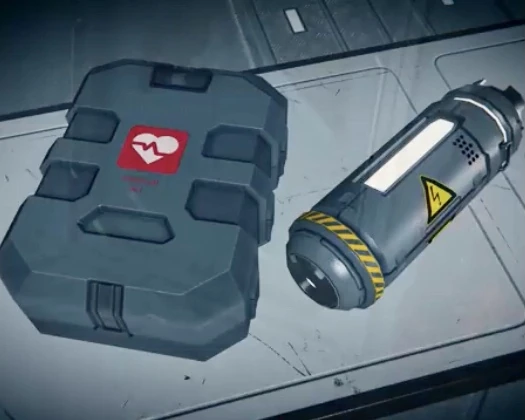
Credit: spaceengineers.fandom.com
Key Components Of A Space Survival Kit
A space survival kit contains essential items for life support and safety. Each component plays a vital role in helping space engineers survive harsh environments. The kit focuses on sustaining oxygen, food, and body temperature. It also ensures medical care and communication remain reliable. Understanding these key components helps prepare for space emergencies.
Oxygen Supply And Management
Oxygen is crucial for breathing in space. The kit includes oxygen tanks and scrubbers to clean carbon dioxide. Portable rebreathers help recycle air efficiently. Sensors monitor oxygen levels and alert for any drops. Proper management prevents suffocation and maintains safe breathing.
Food And Water Storage
Space food is compact and nutrient-rich. It comes in sealed packages to avoid contamination. Water is stored in flexible containers that resist leaks. Both food and water have long shelf lives. This storage system ensures engineers stay nourished and hydrated.
Thermal Regulation Tools
Space has extreme temperatures. Insulated clothing and thermal blankets protect against cold. Heating packs provide extra warmth when needed. Cooling vests help prevent overheating during activity. These tools maintain stable body temperatures for survival.
First Aid And Medical Supplies
Injuries require immediate care. The kit contains bandages, antiseptics, and pain relief medicine. Tools for wound cleaning and minor surgery are included. Medical guides help with self-treatment. Quick access to these supplies reduces health risks.
Communication Devices
Clear communication is vital for rescue and coordination. Radios and signal transmitters are part of the kit. Backup batteries ensure devices remain powered. Emergency beacons send distress signals automatically. These devices connect engineers to help when needed.
Critical Uses During Emergencies
During emergencies, a survival kit is vital for space engineers. It provides essential tools and supplies that support immediate needs and safety. These kits help manage critical situations where quick action saves lives and equipment. Their design focuses on functionality in harsh, unpredictable space conditions.
Life Support In Vacuum Exposure
Space engineers face extreme risks from vacuum exposure. A survival kit contains oxygen supplies and pressure stabilizers. These items help maintain breathable air and body pressure. Emergency suits and masks protect against harmful vacuum effects. Without these, exposure can cause rapid injury or death.
Navigating And Signaling For Rescue
Getting lost in space or on other planets is a real threat. Survival kits include navigation tools like compact compasses and maps. Signal devices such as flares, beacons, or radios help alert rescuers. Clear signals increase chances of quick location and rescue. These tools ensure engineers can communicate their position effectively.
Handling Equipment Failures
Space equipment can fail unexpectedly. Survival kits offer repair tools like wrenches, screwdrivers, and patch materials. Spare parts are often included to fix common issues. These supplies let engineers perform quick repairs and continue missions. Being prepared reduces downtime and risk during critical tasks.
Dealing With Medical Emergencies
Injuries and health problems can occur in space. Kits contain first aid items such as bandages, antiseptics, and pain relief. Some kits also have emergency medications and diagnostic tools. Immediate medical care can prevent conditions from worsening. Survival kits equip engineers to stabilize health until help arrives.
Design Considerations For Space Kits
Designing a survival kit for space engineers requires careful thought. Space environments are harsh and unpredictable. Every item in the kit must serve a clear purpose. The design must balance safety, efficiency, and ease of use. Engineers rely on these kits during emergencies and routine tasks. Each design choice affects their ability to respond quickly and effectively.
Compactness And Portability
Space kits must be small and lightweight. Engineers have limited space inside suits and stations. Bulky kits slow down movement and cause discomfort. Items should fit neatly in pockets or attach to gear. Portable kits allow engineers to carry essential tools easily. Compact design helps keep everything organized and accessible.
Durability Against Space Conditions
Space kits must withstand extreme temperatures and radiation. Materials need to resist corrosion and damage from micrometeoroids. Seals and containers protect sensitive components from dust and vacuum. Durability ensures the kit works when needed most. Long-lasting gear reduces the need for frequent replacements.
Ease Of Use Under Stress
Stressful situations demand quick and simple actions. Kits should have clear labels and intuitive layouts. Tools must be easy to handle with gloved hands. Quick access to critical items saves valuable time. The design minimizes confusion and reduces errors during emergencies.
Integration With Space Suits And Stations
Kits must fit seamlessly with existing gear and environments. Attachment points on suits secure kits without hindering movement. Station storage areas keep kits within reach during operations. Integration ensures no extra burden on engineers. Compatibility supports smooth workflows and safety protocols.
Innovations Enhancing Survival Gear
Survival gear for space engineers has come a long way, blending cutting-edge technology with practical design to keep you safe in harsh extraterrestrial environments. Innovations in materials, sensors, and automation now mean your survival kit can do much more than just carry supplies. These advancements transform survival gear into a smart, responsive system that adapts to your needs and the unpredictable conditions of space.
Advanced Materials For Protection
New materials provide better protection against extreme temperatures, radiation, and micrometeoroids. Lightweight alloys and layered composites reduce bulk while maintaining strength, making your gear easier to carry during spacewalks. Imagine having a suit that can self-heal small tears—these materials extend the lifespan of your equipment and keep you safer.
Smart Sensors And Monitoring
Integrating smart sensors into your survival kit allows real-time monitoring of vital signs and environmental hazards. These sensors can alert you to dangerous radiation spikes or oxygen level drops before they become critical. Wouldn’t you want your gear to warn you early, giving you time to act and avoid life-threatening situations?
Automated Life Support Systems
Automation has made life support systems more reliable and easier to manage. Your kit can now regulate oxygen, temperature, and humidity without constant manual adjustments. This means you can focus on your mission while your gear silently maintains a safe environment around you.
3d Printing For On-demand Supplies
Carrying everything you might need is impossible, but 3D printing changes that. With onboard printers, you can create tools, spare parts, or even medical supplies on demand. This capability reduces weight and bulk in your survival kit while ensuring you’re never without critical items.
Training Space Engineers For Survival
Training space engineers for survival is essential. Space is unpredictable and dangerous. Engineers must prepare for emergencies that can happen anytime. Their survival skills can save lives and missions. Training focuses on practical skills and mental readiness. It builds confidence and quick thinking under pressure.
Simulated Emergency Drills
Simulated emergency drills mimic real space crises. Engineers practice handling fires, equipment failures, and oxygen loss. These drills build muscle memory for quick reactions. Repeated practice helps reduce panic during actual emergencies. Drills also reveal weak spots in procedures and gear.
Equipment Familiarization
Engineers learn to use every tool in their survival kits. Understanding each item’s purpose is crucial. Training covers how to operate life-support devices and repair tools. Familiarity speeds up response time in critical moments. It prevents errors that could endanger lives.
Stress Management Techniques
Stress can cloud judgment and slow reactions. Engineers train to stay calm during high-pressure situations. Techniques include controlled breathing and mental focus exercises. Managing stress helps maintain clear thinking and steady hands. This training improves overall mission safety and success.
Team Coordination Skills
Space survival depends on teamwork. Engineers practice clear communication and role assignments. Team drills teach sharing information quickly and accurately. Coordinated efforts ensure efficient problem-solving. Trust and support among team members increase survival chances.
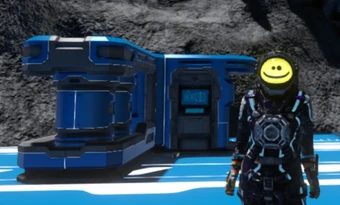
Credit: spaceengineers.fandom.com

Credit: www.reddit.com
Frequently Asked Questions
What Is The Purpose Of A Survival Kit In Space Engineers?
A survival kit provides essential resources like oxygen, food, and tools. It helps players survive and manage basic needs in space environments.
How Does A Survival Kit Enhance Player Safety?
It supplies medical items, energy, and emergency tools. This reduces risks and increases chances of survival during space missions.
Can Survival Kits Be Customized In Space Engineers?
Yes, players can modify kits with different resources and tools. Customization supports diverse mission requirements and personal playstyles.
Where Should Players Place Survival Kits On Their Ships?
Survival kits should be placed near critical areas for easy access. Common spots include cockpits, living quarters, and engineering sections.
Conclusion
A survival kit boosts efficiency for space engineers. Essential tools keep them prepared. It ensures safety in unknown environments. Quick access to resources saves time. Engineers handle emergencies effectively. Survival kits support exploration missions. They enhance problem-solving skills. Engineers gain confidence in their tasks.
With proper gear, they focus better. These kits are vital for success. In space, being prepared matters most. A well-stocked kit makes all the difference. It protects life and aids progress. Survival kits are indispensable for space missions.