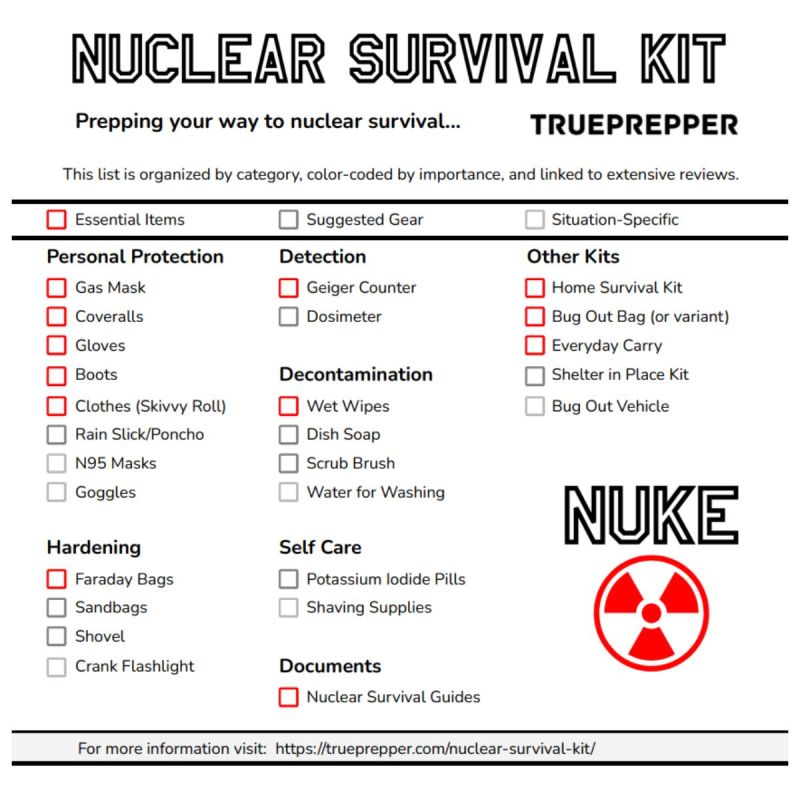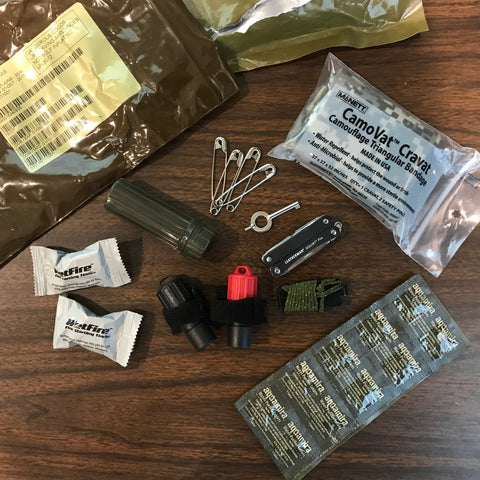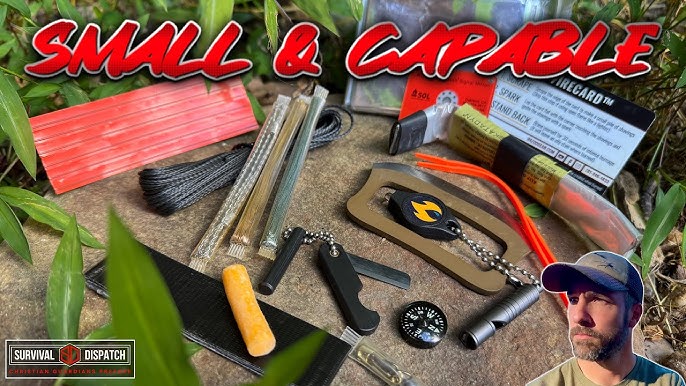
Have you ever wondered what you really need in your survival kit? When an emergency strikes, having the right tools can make all the difference between staying safe and struggling.
You don’t want to waste time searching for essentials or carry extra weight that slows you down. This guide will help you pack smart, giving you exactly what you need—no more, no less. Keep reading, and you’ll discover how to prepare your survival kit so it’s ready for anything life throws your way.
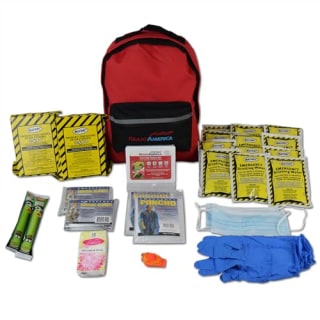
Credit: www.nbcnews.com
Basic Necessities
Basic necessities are the foundation of any survival kit. They keep you alive and comfortable in tough situations. Without these essentials, staying safe becomes much harder. Focus on items that provide food, water, shelter, and warmth.
Food And Water Supplies
Food and water sustain your body and energy. Pack non-perishable food items that are easy to carry and prepare. Think about lightweight options with long shelf lives. Water is even more crucial. Carry enough clean water or tools to purify unsafe sources.
- Energy bars and dried fruits
- Canned goods with pull tabs
- Water bottles or hydration bladders
- Portable water filter or purification tablets
Always plan for more than a day’s supply. Dehydration affects survival faster than hunger. Keep water and food in separate, waterproof bags.
Shelter And Warmth
Shelter protects your body from harsh weather. It stops heat loss and shields from rain or wind. Warmth is vital to avoid hypothermia and maintain strength. Pack a lightweight tent or tarp for quick shelter. Include a sleeping bag or thermal blanket for insulation.
- Compact tent or emergency bivvy sack
- Insulating sleeping bag or space blanket
- Extra clothing layers for warmth
- Waterproof jacket or poncho
Keep shelter items easy to set up and carry. Choose materials that dry quickly and block wind. Warmth and shelter improve rest, healing, and overall survival chances.
Tools And Equipment
Your survival kit’s effectiveness depends largely on the tools and equipment you include. These items can mean the difference between comfort and chaos when you face unexpected situations. Choosing the right gear means thinking about versatility, reliability, and how easy it is to carry.
Multi-tools And Knives
A good multi-tool combines several functions into one compact piece, saving space and weight. Look for models that include pliers, screwdrivers, scissors, and a knife blade. A sharp, sturdy knife alone is essential for cutting rope, preparing food, or making kindling.
Think about your daily habits. If you often fix things around the house, a multi-tool with a variety of bits will be invaluable. Have you ever been stuck without a simple screwdriver? This gear prevents that.
Fire Starting Gear
Fire keeps you warm, cooks food, and signals for help. Pack waterproof matches, a lighter, and a ferrocerium rod for reliable fire-starting options in wet conditions. Don’t overlook cotton balls soaked in petroleum jelly—they ignite quickly and burn longer.
Test your fire-starting tools before you need them. Can you start a fire with just one method? If not, add another. Preparing now saves panic later.
Lighting Devices
Light sources are crucial after dark. A compact LED flashlight and headlamp offer hands-free options. Always carry extra batteries or a rechargeable power bank to keep them running.
Consider the weight and brightness you need. Have you tried using a small flashlight in the dark? Sometimes the brightest light isn’t the best if it drains your battery too fast. Balance power with practicality.
First Aid Essentials
A solid survival kit isn’t complete without first aid essentials. Injuries can happen anytime, and being prepared can make a huge difference in how you handle them. You need items that cover common wounds and health issues, so you can treat yourself or others quickly and effectively.
Basic Medical Supplies
Start with bandages of various sizes to cover cuts and scrapes. Include adhesive tape, gauze pads, and sterile wipes to clean and protect wounds. Don’t forget scissors and tweezers—they help with cutting tape or removing splinters.
Adding antiseptic cream or ointment prevents infections. Pain relievers like ibuprofen or acetaminophen are essential for managing discomfort. A digital thermometer also comes in handy to check for fever.
Have you ever faced a small injury and wished you had the right supplies? Your kit should prepare you for those moments. Think about what you would need if you were alone and had to fix a cut or stop bleeding quickly.
Personal Medications
Everyone’s health needs are different, so include any prescription medications you rely on. Bring extra doses and keep them in a waterproof container. If you have allergies, pack antihistamines and an epinephrine injector if prescribed.
Consider common over-the-counter remedies for upset stomach, allergies, or cold symptoms. These can keep you comfortable when medical help isn’t immediately available. Remember to check expiration dates regularly and replace items as needed.
Imagine being stuck in an emergency without your daily medication. How would that affect your ability to stay safe and alert? Personal medications aren’t just convenient—they’re critical. Make sure your survival kit reflects your unique health requirements.

Credit: unchartedsupplyco.com
Communication And Navigation
Communication and navigation tools are vital in any survival kit. They help you stay connected and find your way if lost. These tools increase your chances of rescue and keep you safe.
Emergency Radios
Emergency radios provide access to weather alerts and rescue signals. Choose radios that receive NOAA weather channels. Battery-powered or hand-crank radios work best without electricity. Some models include flashlight and SOS features. Keep extra batteries or a solar charger in your kit. Radios keep you informed and prepared in critical moments.
Maps And Compasses
Maps and compasses guide you through unfamiliar areas. Carry a detailed topographic map of your region. Paper maps do not rely on batteries or signals. A quality compass helps you find directions accurately. Learn basic map reading and compass skills before an emergency. These tools ensure you can navigate even if technology fails.
Personal Safety Items
Personal safety items are essential in any survival kit. They protect you from danger and help you feel secure. Preparing for emergencies means having tools that can defend and protect you in various situations.
Self-defense Tools
Self-defense tools provide a way to protect yourself from threats. Choose items that are easy to carry and use. Small pepper spray, a whistle, or a tactical flashlight work well. These tools can deter attackers or signal for help. Learning how to use them is important for your safety.
Protective Clothing
Protective clothing shields your body from injuries and harsh weather. Durable gloves, sturdy boots, and long sleeves help avoid cuts and scrapes. A hat protects your head from the sun or cold. Choose materials that are tough but comfortable to wear. This clothing helps keep you safe and ready for any challenge.
Special Considerations
Special considerations help tailor your survival kit to your unique needs. They ensure you are prepared for specific challenges and situations. Thinking about your family, pets, and environment can make your kit more effective.
Family And Pets
Include supplies for every family member, including children and elderly. Pack extra food and water for them. Add medications and personal hygiene items. Don’t forget comfort items like blankets or favorite toys for kids.
Pets need food, water, and any medicine. Include a leash, collar, and ID tags. Consider pet carriers for safety and comfort. Plan for waste cleanup supplies to keep your surroundings clean.
Weather-specific Gear
Prepare for the weather you expect to face. Cold climates need warm clothing, hats, gloves, and thermal blankets. Use hand warmers and waterproof boots for extra protection.
Hot climates require sunblock, hats, and light clothing. Carry plenty of water and electrolyte drinks to stay hydrated. Include insect repellent to avoid bites and stings.
Rainy weather calls for waterproof gear like rain jackets and ponchos. Pack extra socks and quick-dry towels. Keep electronics and important documents in waterproof bags.
Storage And Accessibility
Storage and accessibility are key to a practical survival kit. The right storage keeps your items safe and ready to use. Easy access saves time during emergencies. Organizing your supplies helps you find what you need fast. A well-planned kit improves your chances of staying safe.
Bag And Container Options
Choose a bag or container that fits your needs. Backpacks offer mobility and space. Hard cases protect fragile items from damage. Waterproof bags keep gear dry in wet conditions. Look for durable materials and strong zippers. Bright colors or reflective strips help locate your kit quickly. Small pouches can store specific items like first aid or fire starters.
Organizing Your Kit
Organize items by category for easy access. Use clear plastic bags or small containers inside your main bag. Label each section to avoid confusion. Place essential tools like knives and flashlights at the top. Store heavier items at the bottom to balance weight. Keep food and water separate from medical supplies. Regularly check and update your kit to keep it ready.

Credit: www.youtube.com
Regular Maintenance
Regular maintenance is a crucial part of keeping your survival kit reliable and ready for any emergency. Neglecting this can leave you with expired supplies or outdated information, which can be dangerous when you need them most. Taking a little time now to review and update your kit ensures it serves you well when the unexpected happens.
Checking Expiry Dates
Expired food, medicine, and batteries can fail when you rely on them. Make it a habit to check the expiry dates every few months. Replace anything that’s past its prime or close to expiring to avoid surprises during an emergency.
Think about how frustrating it would be to open your water purification tablets only to find they no longer work. I once learned this the hard way during a camping trip and now I mark expiry dates on my calendar. This simple step saves time and stress when it counts.
Updating Personal Information
Your survival kit should include emergency contacts, medical information, and important documents. These details can change often, so review them regularly. Update phone numbers, addresses, and any medical conditions or allergies that might have changed.
If you have children or dependents, keeping their info current is even more important. Imagine handing over your kit to a rescuer with outdated info—this could slow down help or cause confusion. A quick check-in every few months keeps your kit accurate and useful.
Frequently Asked Questions
What Are The Essential Items In A Survival Kit?
Essential items include water, food, first aid, fire starters, a knife, and shelter materials. These basics ensure safety and sustenance in emergencies.
How Much Water Should I Pack In A Survival Kit?
Pack at least one gallon of water per person per day. Water is critical for hydration and survival during emergencies.
Which First Aid Supplies Are Necessary For Survival Kits?
Include bandages, antiseptic wipes, pain relievers, tweezers, and any personal medications. Proper first aid supports injury treatment and infection prevention.
Why Is A Multi-tool Important In A Survival Kit?
A multi-tool offers versatility with knives, pliers, and screwdrivers. It helps handle various tasks when resources are limited.
Conclusion
A good survival kit keeps you safe in tough times. Choose items that fit your needs and environment. Keep your kit small but packed with essentials. Check and update it often to stay prepared. Being ready brings peace and confidence.
Start building your kit today, and stay secure tomorrow.