When an emergency strikes, having the right food on hand can make all the difference for you and your loved ones. But what should you stock up on to stay safe and comfortable?
You might feel overwhelmed by all the options, or unsure where to start. This guide will help you choose the best food items that are easy to store, nutritious, and ready when you need them most. Keep reading to discover how to build your emergency food supply with confidence and peace of mind.

Credit: www.forbes.com
Non-perishable Staples
Stocking up on non-perishable staples is key to staying prepared during emergencies. These foods last long without refrigeration and provide essential nutrients when fresh options aren’t available. Choosing the right staples can make a big difference in your comfort and health.
Canned Vegetables And Fruits
Canned vegetables and fruits offer convenience and a good source of vitamins. They have a long shelf life, often lasting several years unopened. You can easily add them to meals for flavor and nutrition, especially when fresh produce isn’t accessible.
Try to pick low-sodium or no-sugar-added options to keep your diet balanced. Also, rotate your stock every few months to ensure freshness. Have you checked the expiration dates on your canned goods recently?
Dry Grains And Pasta
Dry grains and pasta are versatile staples that can fill you up quickly. They require minimal cooking and store well in airtight containers. Think beyond just spaghetti—consider quinoa, barley, or couscous for variety and added nutrition.
Keeping a variety on hand helps prevent meal fatigue during stressful times. Plus, dry grains often come with fiber and essential minerals to keep your energy steady. What’s your favorite quick-cook grain that could be your go-to in an emergency?
Rice And Beans
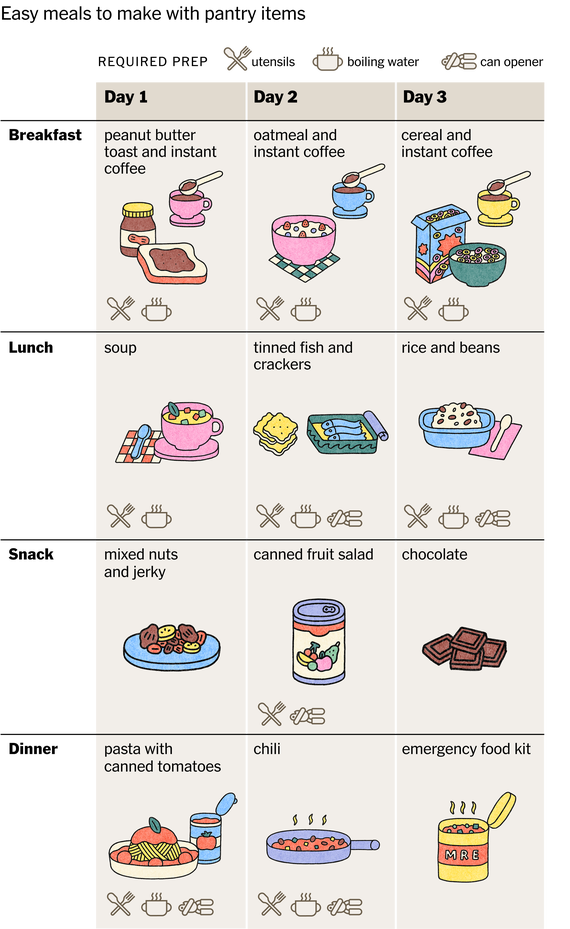
Rice and beans form a classic, complete protein combination. Both are inexpensive and have a long shelf life when stored properly. Brown rice offers more fiber, while white rice cooks faster, so having both types can be useful.
Beans come in many varieties—black, pinto, kidney—each adding unique flavors and nutrients. They also expand when cooked, making a small amount go a long way. How often do you include beans in your meals now, and could they become a staple for tough times?
Powdered Milk And Dairy Alternatives
Powdered milk is a practical dairy option with a long shelf life, great for cooking or drinking. If you’re lactose intolerant or vegan, powdered dairy alternatives like almond or soy milk powders are excellent substitutes. These powders keep your options open without refrigeration.
They also provide calcium and vitamin D, which are important when fresh dairy isn’t available. Consider the recipes you use and how powdered milk could fit into them during emergencies. Have you tried adding powdered milk to your coffee or baking before?
Protein Sources
Protein is essential for energy and body repair during emergencies. It helps keep muscles strong and the immune system active. Stocking up on various protein sources ensures a balanced diet even in tough times. Choose items that last long and need little or no cooking.
Canned Meats And Fish
Canned meats and fish provide a quick protein boost. Options like tuna, chicken, and salmon have a long shelf life. They require no refrigeration and can be eaten straight from the can. These foods are rich in nutrients and easy to store in small spaces.
Nut Butters And Nuts
Nut butters such as peanut and almond butter offer concentrated protein and healthy fats. Whole nuts like almonds, walnuts, and cashews add crunch and nutrition. Both nut butters and nuts need minimal preparation. They stay fresh for months when sealed properly.
Protein Powders And Bars
Protein powders mix easily with water or milk for quick meals. They come in various flavors and types, including whey and plant-based. Protein bars provide convenient snacks packed with protein and calories. These options are lightweight and ideal for on-the-go energy.
Dried And Cured Meats
Dried meats like jerky and cured sausages are flavorful protein sources. They last long without refrigeration and are easy to carry. These meats are low in moisture, which prevents spoilage. Choose low-sodium varieties for a healthier choice.
Shelf-stable Snacks
In an emergency, shelf-stable snacks offer essential nutrition. They don’t spoil easily and are convenient. These snacks can be life-savers when fresh food is scarce. Here are some nutritious options to consider.
Granola And Energy Bars
Granola and energy bars are compact and easy to store. They provide a quick energy boost and are full of fiber. Some bars even offer protein for added nutrition. Choose those with natural ingredients for a healthier choice.
Crackers And Trail Mix
Crackers are versatile and can be paired with many items. They have a long shelf life and are filling. Trail mix combines nuts, seeds, and dried fruits. It offers a variety of nutrients and can satisfy hunger.
Dehydrated Fruits
Dehydrated fruits are rich in vitamins and minerals. They have a sweet taste and can last for months. These fruits are lightweight and easy to pack. They make a healthy snack option during emergencies.
Seeds And Popcorn
Seeds like sunflower and pumpkin are nutrient-dense. They provide healthy fats and proteins. Popcorn is another great snack, easy to prepare. It can be stored for a long time and is low in calories.

Credit: www.goodhousekeeping.com
Beverage Essentials
Having the right beverages during an emergency is as important as food. Staying hydrated keeps your body working well. It also helps keep your mind clear and alert. Choose drinks that last long and need little or no preparation. This section lists essential beverages to stock for emergencies.
Bottled Water
Bottled water is the most basic emergency drink. It has a long shelf life and is ready to drink. Store enough water for each person in your household. Aim for at least one gallon per person per day. Keep bottles in a cool, dark place to maintain quality.
Powdered Drink Mixes
Powdered drink mixes are lightweight and easy to store. They come in many flavors like fruit punch and lemonade. Mix with water to make a tasty drink. These mixes help improve flavor if your water tastes flat. Choose low-sugar options to stay healthy.
Shelf-stable Juices
Shelf-stable juices provide vitamins and a refreshing change. Look for juice boxes or cans that do not need refrigeration. Opt for 100% fruit juice for the best nutrition. Store a variety of flavors to keep things interesting during an emergency.
Instant Coffee And Tea
Instant coffee and tea give a warm, comforting drink. They require only hot water, which you can heat over a fire or with a camping stove. These beverages help boost energy and mood. Pack small, sealed packets for easy use and long storage life.
Cooking And Baking Supplies
Stocking up on cooking and baking supplies ensures you can prepare a variety of meals even when fresh ingredients run low. These essentials help maintain flavor, texture, and nutrition in your dishes. Having these items on hand saves you from last-minute store trips and keeps your meals satisfying during emergencies.
Cooking Oils
Cooking oils are vital for frying, sautéing, and baking. Choose oils with a long shelf life like vegetable oil, canola oil, or coconut oil. Olive oil is great too, but it doesn’t last as long, so use it first.
Think about your cooking style—do you use oils for dressings or high-heat cooking? Stocking a variety covers all your needs and prevents meal monotony.
Salt, Sugar, And Spices
Salt and sugar do more than add taste; they preserve food and balance flavors. Keep iodized salt, kosher salt, and a small supply of sea salt for versatility. Sugar, whether white or brown, is useful for baking and can even help preserve fruits.
Don’t forget spices like black pepper, garlic powder, paprika, and cinnamon. They transform simple ingredients into flavorful meals and can lift your spirits when fresh food options are limited.
Baking Powder And Yeast
Baking powder and yeast are key to making bread, cakes, and other baked goods. Baking powder lets you whip up quick breads and pancakes without yeast. Yeast requires more care but is worth keeping for fresh bread and pizza dough.
Store these in airtight containers in a cool, dry place to maintain their effectiveness. Have you tried making your own bread during a shortage? It’s surprisingly rewarding and comforting.
Shelf-stable Broths And Sauces
Shelf-stable broths and sauces add depth to meals without fresh ingredients. Stock chicken, beef, or vegetable broth in cans or cartons for soups and stews. Ready-made tomato sauce or soy sauce can quickly enhance your dishes.
These items save time and effort, making emergency cooking less stressful. What’s your favorite go-to sauce that instantly improves a meal?
Special Dietary Items
Special dietary needs require careful planning during emergencies. Stocking the right foods ensures everyone stays nourished and healthy. Focus on items that meet specific health and lifestyle requirements.
Choose foods with long shelf life and clear labels. This helps avoid confusion when time is tight. Variety is key to keep meals interesting and balanced.
Gluten-free Options
- Rice and quinoa pack well and last long.
- Gluten-free pasta offers a comforting meal base.
- Canned beans and lentils provide protein without gluten.
- Nut butters and seeds add nutrients and flavor.
- Check labels to avoid hidden gluten sources.
Vegan And Vegetarian Choices
- Canned vegetables and fruits supply essential vitamins.
- Dried beans and peas are rich in protein and fiber.
- Nuts and seeds give healthy fats and calories.
- Plant-based milk powders extend shelf life and variety.
- Look for fortified foods to cover vitamin B12 and iron.
Allergy-friendly Foods
- Identify common allergens in your household.
- Choose allergen-free snacks like rice cakes or fruit leather.
- Use single-ingredient canned or dried foods for safety.
- Label all stored items clearly to prevent mix-ups.
- Store emergency allergy medications alongside food supplies.
Low-sodium And Low-sugar Items
- Select canned goods labeled low-sodium or no salt added.
- Opt for unsweetened dried fruits and plain nuts.
- Choose whole grains over processed snacks.
- Use herbs and spices to enhance flavor without salt.
- Keep sugar-free drink mixes or powders for hydration.
Storage And Preservation Tips
Storing and preserving your emergency food supplies properly can make all the difference when you actually need them. Without the right care, even the best-stocked pantry can spoil or lose nutritional value. Let’s look at how you can keep your emergency food fresh, safe, and ready to use when the moment comes.
Proper Container Choices
Choosing the right containers is key to extending the shelf life of your food. Airtight containers like glass jars or heavy-duty plastic bins keep moisture and pests out. Vacuum-sealed bags are excellent for dried goods and can prevent oxygen from degrading the food.
Think about the size too—smaller containers help you open only what you need without exposing the rest to air. Avoid using thin plastic bags that can easily tear or let in air. Have you checked if your containers are BPA-free and food-safe?
Temperature And Humidity Control
Food lasts longest in cool, dry places. High temperatures speed up spoilage, while humidity encourages mold and bacteria growth. Ideal storage spots are basements or closets away from heat sources like ovens or direct sunlight.
Use a hygrometer to monitor humidity levels—aim for below 60%. If your storage area is too damp, consider using silica gel packs or moisture absorbers. Have you ever found your stored grains clumping together? That’s humidity at work.
Rotation And Expiry Management
Stock rotation ensures you use older food first, preventing waste. Label your containers clearly with purchase or packing dates. Organize your pantry so newer items go to the back and older ones stay in front.
Keep a simple log or checklist to track expiry dates. This habit saves you from unpleasant surprises during an emergency. How often do you check your emergency food stash for expired items?
Emergency Cooking Methods
Preserving food isn’t enough if you can’t cook it during a crisis. Have alternative cooking options ready, such as a portable gas stove, solar oven, or even a simple camping stove. These methods require minimal fuel and are reliable when electricity is out.
Practice using these tools before you need them so you’re confident in an emergency. Don’t forget to stock up on fuel, matches, or lighters. What’s your plan for heating meals if the power goes out?

Credit: www.mypatriotsupply.com
Frequently Asked Questions
What Are The Best Long-lasting Emergency Foods?
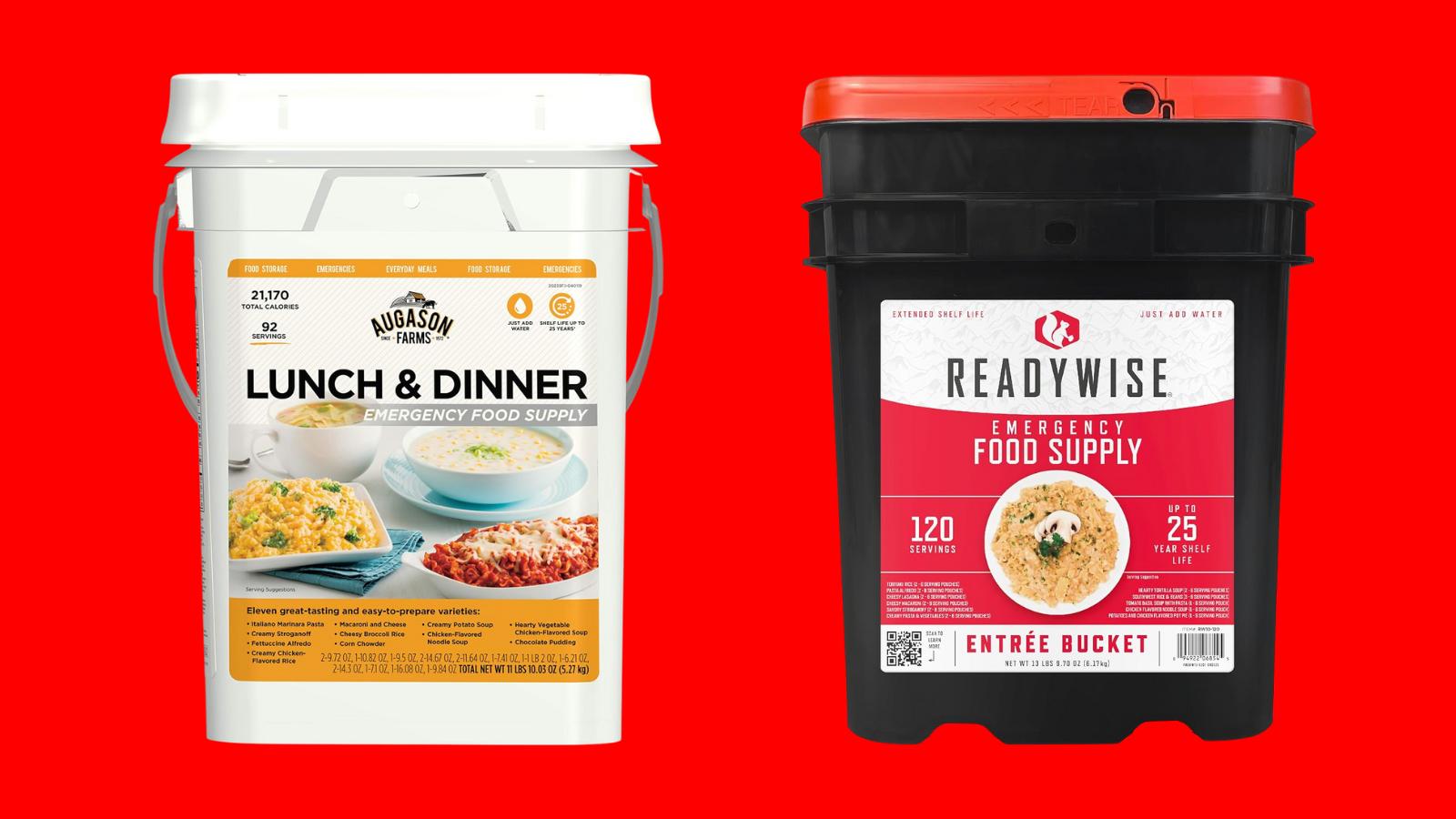
Shelf-stable items like canned beans, rice, pasta, and dried lentils last long. Freeze-dried meals and nuts also stay fresh for months. These foods provide essential nutrients and energy during emergencies. Always check expiration dates and store them in a cool, dry place.
How Much Water Should I Store For Emergencies?
Store at least one gallon of water per person per day. This amount covers drinking, cooking, and basic hygiene. For a three-day supply, multiply by the number of household members. Water storage is crucial for survival during any emergency.
Which Snacks Are Ideal For Emergency Kits?
Choose high-calorie, non-perishable snacks like granola bars, trail mix, and peanut butter. These provide quick energy and are easy to store. Avoid items that melt or spoil quickly. Snacks help maintain energy levels when regular meals aren’t possible.
Can I Store Fresh Produce For Emergencies?
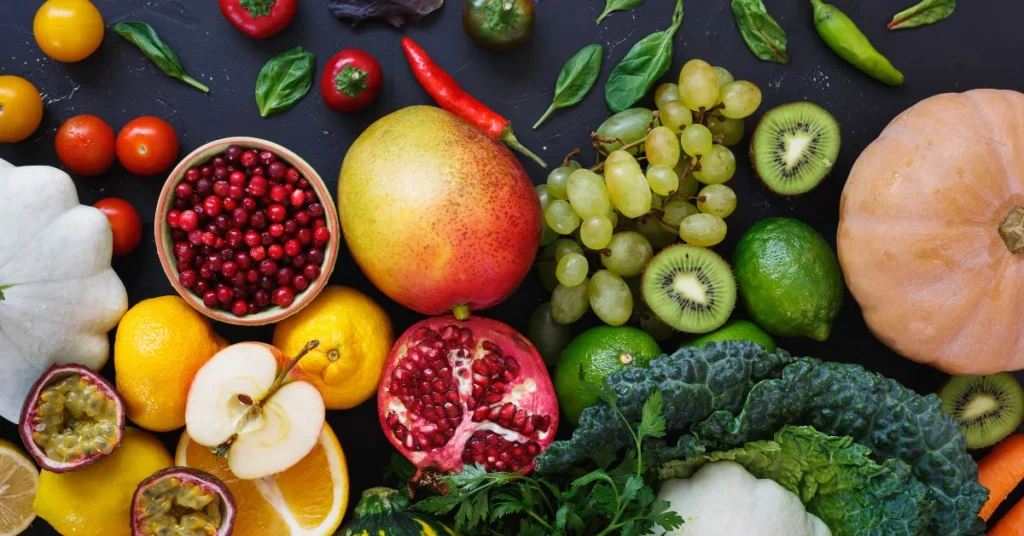
Fresh produce spoils quickly, so prioritize canned or dried fruits and vegetables. These retain nutrients and last longer without refrigeration. Freeze-dried options are also excellent. Fresh produce is best for short-term emergencies only.
Conclusion
Stocking up on the right food keeps you safe in emergencies. Choose items with a long shelf life and good nutrition. Think about water, canned goods, grains, and easy snacks. Rotate your supplies to keep food fresh and ready. Preparing now helps you stay calm and healthy later.
Simple steps make a big difference in tough times. Start small and build your emergency food stash today. Being ready means peace of mind for you and your family.