When you think about a survival kit, food might not be the first thing on your mind. But the right food can make all the difference when you’re in a tough situation.
You want options that keep you energized, last a long time, and are easy to carry. Choosing the right food isn’t just about filling your stomach—it’s about staying strong and alert when it matters most. Keep reading, and you’ll discover exactly what food to put in your survival kit to boost your chances of staying safe and well.
Non-perishable Staples
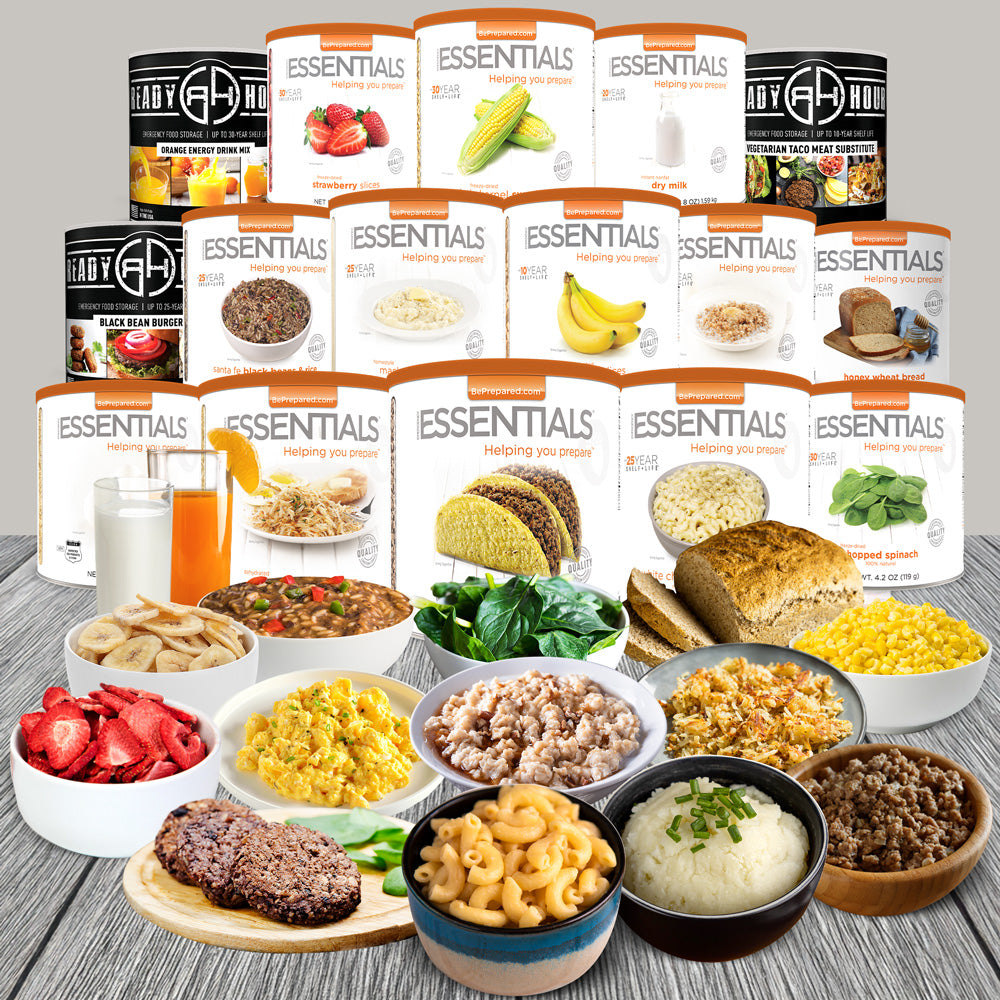
Non-perishable staples form the backbone of any survival kit. These foods last long without refrigeration. They provide energy and essential nutrients when fresh food is unavailable. Choose items that store well and are easy to prepare. Focus on variety to keep meals balanced and satisfying. Packing the right non-perishable staples ensures you stay nourished in tough times.
Canned Goods
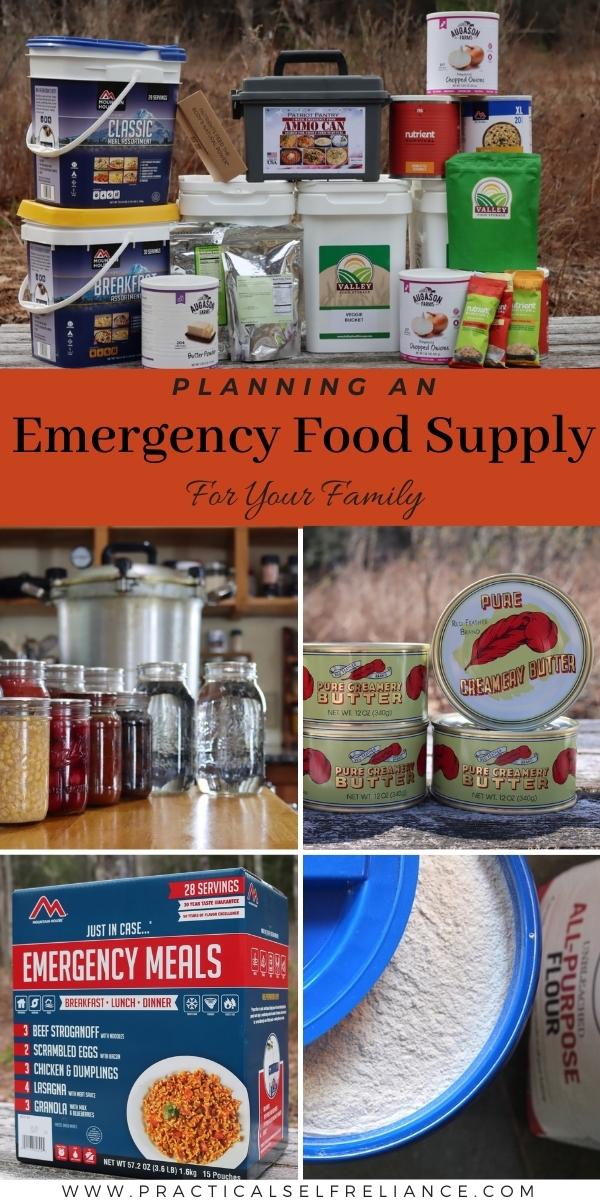
Canned goods are reliable and ready to eat. They include vegetables, beans, meats, and soups. The can seals in nutrients and prevents spoilage. Pick cans with easy-open lids for convenience. Check expiration dates and rotate stock regularly. Canned foods add hydration and protein to your meals.
Dried Grains And Legumes
Dried grains and legumes are compact and long-lasting. Rice, oats, lentils, and beans are excellent choices. They provide carbohydrates and protein for energy. These items cook quickly with boiling water. Store them in airtight containers to avoid moisture. Dried staples are affordable and fill your stomach well.
Dehydrated Vegetables
Dehydrated vegetables keep most nutrients and flavor. Carrots, peas, and spinach are common options. They rehydrate easily in soups or stews. Dehydrated veggies add vitamins and fiber to meals. Choose a variety to improve taste and nutrition. These lightweight foods save space in your kit.

Credit: trueprepper.com
High-energy Snacks
High-energy snacks are essential in a survival kit. They provide quick fuel and keep your energy steady. These snacks are easy to carry and have a long shelf life. They help maintain strength during tough situations. Choosing the right snacks can make a big difference.
Nuts And Seeds
Nuts and seeds offer healthy fats, protein, and fiber. They are compact and lightweight, perfect for survival kits. Almonds, walnuts, and sunflower seeds are great choices. They help keep hunger away and boost energy fast. Store them in airtight bags to keep fresh.
Energy Bars
Energy bars are convenient and packed with nutrients. Look for bars with natural ingredients and low sugar. They often contain oats, nuts, and dried fruits. These bars give a quick energy boost during emergencies. Keep a variety to avoid taste fatigue.
Dried Fruits
Dried fruits provide natural sugars and important vitamins. Options like raisins, apricots, and dates work well. They are lightweight and easy to store for a long time. Dried fruits help satisfy sweet cravings healthily. Combine them with nuts for a balanced snack.
Protein-rich Options
Protein is essential for survival, especially when you need to maintain energy and muscle strength during tough times. Including protein-rich foods in your survival kit can keep you feeling fuller longer and support your body’s repair processes. You want options that last long, are easy to store, and require minimal preparation.
Canned Meats
Canned meats like tuna, chicken, and salmon provide a reliable source of protein that can last for years. They come ready to eat, which means no cooking is necessary, making them perfect for emergencies. Plus, their sealed packaging protects them from spoilage and contamination.
Consider rotating your canned meat supply every couple of years to keep it fresh. Have you checked the expiration dates on your canned goods lately?
Jerky
Jerky is a lightweight, portable protein option that doesn’t need refrigeration. It’s made by drying meat, which preserves it and concentrates its nutrients. Whether you choose beef, turkey, or even exotic jerky, it’s a great way to get protein on the go.
Look for jerky with low sugar and preservatives to keep it healthier. Have you ever tried making your own jerky for a custom flavor and freshness?
Protein Powders
Protein powders are a versatile addition to any survival kit. They can be mixed with water or other liquids for a quick protein boost. Whey, soy, and pea protein powders all have long shelf lives and are easy to pack.
Think about how you could use protein powder not just for shakes but also to fortify soups or baking. Could this be the secret weapon in your survival nutrition plan?
Hydration Essentials
Staying hydrated is vital in any survival situation. Water keeps your body working properly. It helps regulate temperature and supports all vital functions. Carrying the right hydration supplies in your survival kit ensures you have access to clean and replenishing fluids.
Hydration Essentials include items that purify water and restore lost minerals. These keep you hydrated and healthy for longer periods.
Water Purification Tablets
Water purification tablets kill harmful germs in unsafe water. They are lightweight and easy to carry. Tablets work fast and make water safe to drink. Perfect for emergencies when clean water is unavailable.
Electrolyte Packs
Electrolyte packs replace essential minerals lost through sweat. They help maintain fluid balance in the body. These packs come in small sachets, ideal for survival kits. Using them prevents dehydration and fatigue during intense conditions.
Powdered Drink Mixes
Powdered drink mixes add flavor and nutrients to water. They encourage drinking more fluids in tough times. Some mixes include vitamins and electrolytes. Easy to store and carry, they boost hydration and energy.
Comfort Foods
Comfort foods bring a sense of warmth and calm during tough times. They help reduce stress and boost your mood. Including these familiar treats in your survival kit can make difficult moments easier.
Simple, easy-to-prepare items are best. They provide quick relief and a taste of normal life.
Instant Soups
Instant soups are light and soothing. They require only hot water and a few minutes. These soups offer warmth and hydration. Choose varieties with vegetables, noodles, or rice for more energy. They are easy to carry and store.
Chocolate And Candy
Chocolate and candy provide quick energy and comfort. They lift spirits and satisfy sweet cravings. Dark chocolate has antioxidants and lasts longer. Avoid chocolates that melt easily in heat. Hard candies and gummies also work well for long storage.
Coffee And Tea
Coffee and tea bring familiarity and alertness. They are simple to prepare and comforting to drink. Instant coffee and tea bags save space and time. Herbal teas can calm nerves and aid digestion. Pack enough for a few days to maintain your routine.
Credit: practicalselfreliance.com
Long Shelf-life Treats
Long shelf-life treats are essential for any survival kit. They provide comfort and energy during tough times. These foods last for months or even years without spoiling. Their durability makes them perfect for emergencies or outdoor adventures. Simple, reliable, and tasty options keep morale high.
Hard Tack
Hard tack is a classic survival food. This dry, dense biscuit can last for years if stored well. It resists mold and pests, making it ideal for long trips. Hard tack is easy to carry and provides steady energy. Some find it bland, but it pairs well with soups or spreads.
Granola
Granola combines oats, nuts, and honey for a sweet treat. It stays fresh for many months in a sealed container. Granola offers protein, fiber, and healthy fats to fuel your body. Its crunchy texture and natural sweetness boost energy quickly. Keep it dry to maintain its crispness.
Biscotti
Biscotti are twice-baked cookies known for their long shelf life. They stay crunchy and fresh for weeks or more. Biscotti come in many flavors, adding variety to your survival snacks. Their sturdy texture holds up well under tough conditions. Enjoy them with tea or coffee to lift spirits.
Meal Replacement Options
Choosing the right meal replacement options for your survival kit can make a huge difference during emergencies. You need foods that are easy to store, prepare, and consume while still providing enough energy and nutrition. Let’s look at some practical meal replacement choices that fit well in any survival kit.
Freeze-dried Meals
Freeze-dried meals are a popular choice because they last for years without refrigeration. They keep most of their nutrients and flavor, making them a convenient, lightweight option. Just add hot water, and you have a warm, filling meal ready in minutes.
Think about hiking trips where carrying heavy food slows you down. Freeze-dried meals solve that problem perfectly. They also come in a variety of options—from pasta and rice dishes to stews—so you won’t get bored.
Ready-to-eat Pouches
Ready-to-eat pouches require no preparation, which is a huge plus when you have limited resources or no heat source. These pouches often contain beans, meats, or vegetable mixes sealed to keep fresh for long periods.
They are compact and easy to carry, fitting well in any survival kit. Have you ever been caught in a situation where you just needed a quick bite without fuss? These pouches answer that need perfectly.
Meal Replacement Shakes
Meal replacement shakes offer a liquid alternative that’s quick, mess-free, and often packed with vitamins, protein, and calories. They’re great when chewing or digestion might be difficult due to stress or injuries.
Many come in powder form, so you only need to add water to make a complete meal. Keep some handy for times when solid food isn’t an option but you still need to maintain your energy and focus.

Credit: trueprepper.com
Frequently Asked Questions
What Are The Best Non-perishable Foods For Survival Kits?
Non-perishable foods like canned beans, rice, nuts, and dried fruits are ideal. They last long and provide essential nutrients. Choose lightweight, calorie-dense items for energy and easy storage in your survival kit.
How Much Food Should I Pack In A Survival Kit?
Pack enough food for at least 72 hours or three days. Consider calorie needs, typically 2,000 to 2,500 calories daily. Include a variety of foods to ensure balanced nutrition during emergencies.
Can I Include Fresh Food In A Survival Kit?
Fresh food is not recommended due to spoilage risks. Instead, opt for freeze-dried or dehydrated options. These retain nutrients and last much longer without refrigeration or special storage.
Are Energy Bars Good For Survival Kits?
Yes, energy bars are excellent for survival kits. They are compact, calorie-dense, and shelf-stable. Choose bars with balanced carbs, proteins, and fats for sustained energy in emergencies.
Conclusion
Choosing the right food for a survival kit saves lives. Pack items that last long and give energy. Think about foods that need no cooking or water. Include snacks like nuts, dried fruits, and protein bars. Drinkable water is as important as food.
Rotate your supplies regularly to keep them fresh. This simple step keeps you ready for emergencies. Stay safe by planning ahead with the right food. Your survival kit can make tough times easier. Prepare well, and face challenges with confidence.