Imagine facing an emergency without enough food to keep you going. What would you eat?
How long would your supplies last? Having the right foods ready can make all the difference when disaster strikes. You’ll discover exactly what foods you should have on hand to stay strong, healthy, and safe. Keep reading to learn how to prepare your emergency food stash wisely—so you’re never caught off guard.
Choosing Long-lasting Foods
Choosing long-lasting foods is essential for emergency preparedness. These foods must stay safe and nutritious without refrigeration. They should fit limited storage spaces and last through uncertain times. Prioritize foods that provide energy and essential nutrients. Variety helps keep meals interesting and balanced.
Shelf-stable Staples
Shelf-stable staples are basic foods with long expiration dates. They include rice, pasta, and dried beans. These items require minimal preparation and store well at room temperature. Keep a supply of grains, legumes, and powdered milk for balanced nutrition. Store them in airtight containers to extend freshness and prevent pests.
Freeze-dried And Dehydrated Options
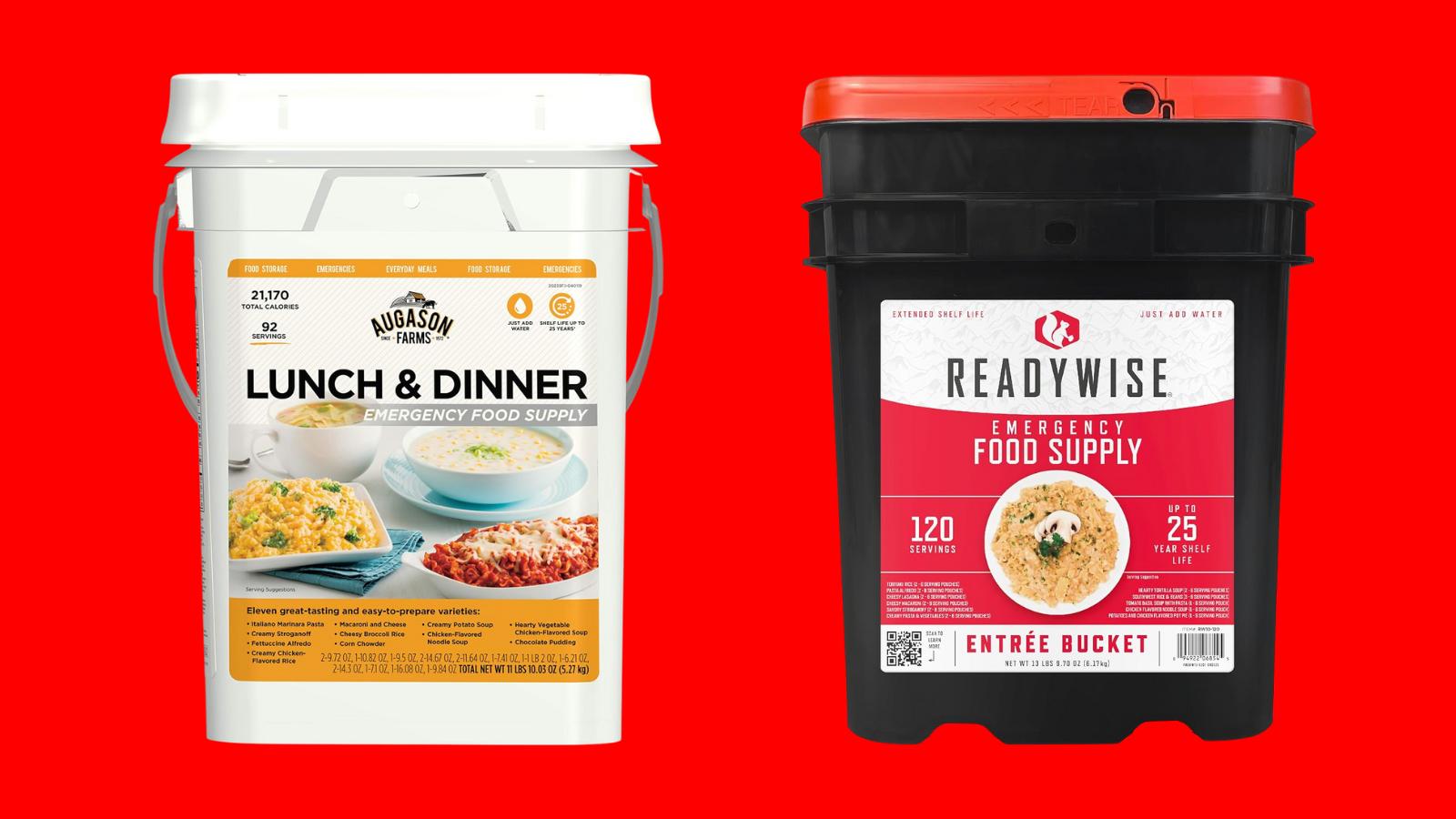
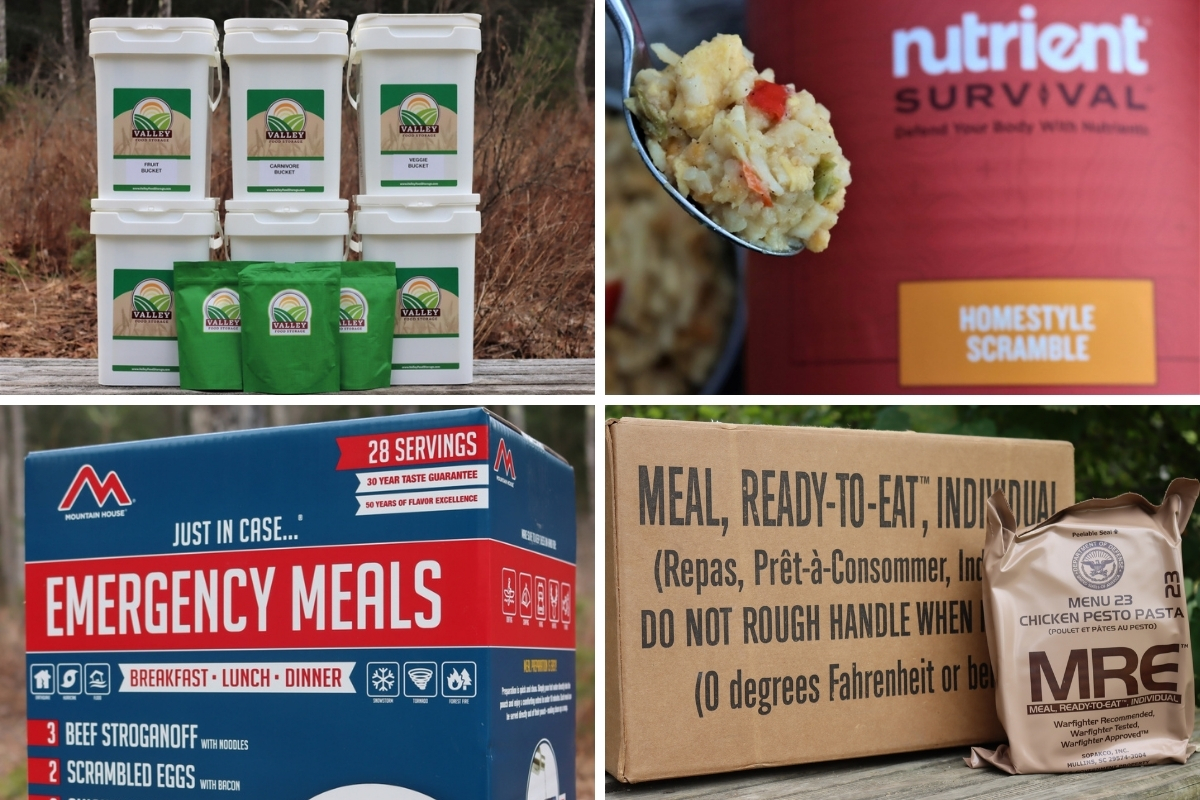
Freeze-dried and dehydrated foods have most water removed. This process preserves nutrients and flavor for years. They are lightweight and easy to store. Examples include fruits, vegetables, and meats. These foods rehydrate quickly with water, making meal prep simple. Choose options with no added preservatives or sugars for healthier choices.
Canned Goods Benefits
Canned goods offer a convenient and reliable food source. They last several years without spoiling. Popular canned items include vegetables, beans, soups, and meats. Canning locks in nutrients and flavor while preventing bacterial growth. Store cans in a cool, dry place and check expiration dates regularly. Rotate stock to use older cans first and reduce waste.
High-energy Foods
High-energy foods are essential in any emergency kit. They provide the calories your body needs to keep going when stress and physical activity spike. Choosing the right snacks can make a big difference in your energy levels and overall well-being during tough times.
Nuts And Seeds
Nuts and seeds are small but mighty energy boosters. They are packed with healthy fats, protein, and fiber, which help sustain energy over long periods. Keep almonds, walnuts, pumpkin seeds, or sunflower seeds in your emergency stash—they don’t spoil quickly and are easy to eat on the go.
Have you noticed how a handful of nuts can curb hunger and keep you alert? This makes them perfect for situations where food options are limited and you need lasting fuel.
Nut Butters
Nut butters like peanut or almond butter offer concentrated energy and are easy to spread on crackers or fruit. They’re rich in fats and protein, helping you feel fuller for longer. A small jar can last a while and doesn’t need refrigeration.
Try pairing nut butter with a banana or an apple for a quick, satisfying snack. Would you consider nut butter as your go-to emergency food after tasting its convenience and energy boost?
Energy Bars And Trail Mix
Energy bars and trail mix combine multiple high-energy ingredients into one compact snack. Look for bars with natural ingredients and minimal added sugar to avoid energy crashes. Trail mix blends nuts, seeds, dried fruits, and sometimes chocolate, offering a balance of carbs, fats, and protein.
These snacks are great for quick energy and easy to carry anywhere. Think about your last outdoor adventure—did you have an energy bar or trail mix on hand? How did it help keep your energy steady?
Protein Sources
Canned beans, nuts, and jerky provide long-lasting protein during emergencies. Dried lentils and powdered eggs are also easy to store and cook quickly. Choose foods that keep well without refrigeration and supply steady energy.
In an emergency, having reliable protein sources can make all the difference in maintaining your energy and health. Protein is essential not just for muscle repair but also for keeping your immune system robust. Whether you’re facing a natural disaster or an unexpected power outage, stocking the right protein sources will ensure you and your family are prepared.Canned Meats And Fish
Canned meats and fish are convenient and have a long shelf life. Think of canned tuna, chicken, or even salmon. They don’t require refrigeration and can be eaten straight out of the can or added to other dishes. Imagine opening a can of tuna, mixing it with some spices, and instantly elevating your meal. Plus, these cans are compact, making them easy to store. Do you have a favorite canned meat that you swear by during emergencies?Dried Beans And Lentils
Dried beans and lentils are not only economical but also rich in protein and fiber. They are perfect for creating hearty meals that keep you full for longer periods. You can soak them overnight, and they’re ready to cook the next day. Keep a variety of beans like black beans, chickpeas, and lentils in your pantry. Ever tried making a comforting bean stew when the lights go out? It’s both satisfying and nourishing.Powdered Protein
Powdered protein is a versatile option that requires no cooking. It’s great for making quick shakes or adding to other foods for an instant protein boost. Choose from whey, soy, or plant-based options depending on your dietary preference. Mix a scoop with water or milk for a quick, energizing drink. Have you considered the convenience of having powdered protein on hand when other options might not be available? It could be a game-changer in an emergency. Having a mix of these protein sources can provide you with the flexibility to create varied and balanced meals even when the situation is less than ideal. So, what protein sources will you stock up on to ensure you’re prepared for anything?
Credit: trueprepper.com
Carbohydrate Options
Carbohydrates are essential for energy, especially during emergencies. They provide the fuel your body needs to stay active and alert. Choosing the right carbohydrate foods can make a big difference in your emergency preparedness. Focus on options that last long and are easy to store.
Rice And Pasta
Rice and pasta are excellent staples. They have a long shelf life and are easy to cook. White rice lasts longer than brown rice due to lower oil content. Pasta comes in many shapes and sizes, offering variety. Both provide good energy and fill you up quickly.
Instant Oats And Cereals
Instant oats cook fast and need little water. They are rich in fiber and keep you full longer. Many cereals are fortified with vitamins and minerals. Choose plain or low-sugar types for better nutrition. These foods are lightweight and easy to store.
Crackers And Hardtack
Crackers and hardtack are dry, crunchy options that last very long. Hardtack is a simple biscuit made from flour and water. Both are convenient for quick snacks or meals. They do not need cooking and can be eaten on the go. Keep them sealed to maintain freshness.
Fruits And Vegetables
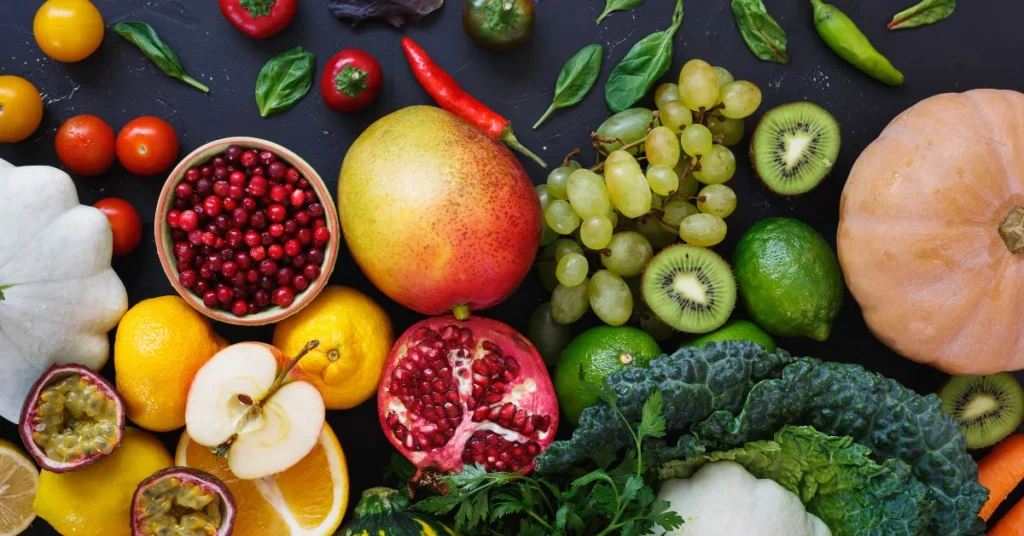
Fruits and vegetables are essential in any emergency food supply. They provide vital nutrients that support your immune system and overall health during stressful times. Having a variety of these foods ensures you get important vitamins and minerals even when fresh options aren’t available.
Canned And Jarred Produce
Canned fruits and vegetables are a practical choice for emergencies. They last for years and can be eaten straight from the can or heated. Look for options without added sugar or salt to keep them healthier.
Keep cans of green beans, corn, peaches, and pineapple on hand. These items can brighten up meals and add variety when your fresh produce runs out. Remember to check the expiration dates regularly and rotate your stock.
Freeze-dried Fruits And Veggies
Freeze-dried produce keeps almost all its nutrients and flavor while being lightweight and shelf-stable. You can store them for a decade or more, making them perfect for long-term emergencies. They rehydrate quickly, so you can add them to soups, oatmeal, or eat as snacks.
Try freeze-dried strawberries, apples, peas, or carrots. These are easy to pack and don’t require refrigeration. Have you considered how much space you save compared to fresh or canned options?
Vitamin-rich Options
Focus on fruits and vegetables that pack the most vitamins per serving. Sweet potatoes, spinach, and carrots offer a good dose of vitamin A. Oranges and bell peppers provide plenty of vitamin C, crucial for your body’s defenses.
Including these in your emergency stash helps prevent deficiencies. Can you imagine how much better you’ll feel with a steady supply of vitamins, even in tough situations?
Hydration Essentials
Staying hydrated is crucial during any emergency. Water supports every function in the body. Without enough water, health problems can arise quickly. Preparing the right hydration supplies ensures survival and comfort. This section covers important hydration essentials to keep on hand.
Water Storage Tips
Store water in clean, food-grade containers. Use sturdy plastic or glass bottles with tight lids. Keep water in a cool, dark place to prevent bacteria growth. Label containers with the date of storage. Replace stored water every six months to maintain freshness. Consider stacking several containers for easy access during emergencies.
Water Purification Methods
Water may not always be clean. Purifying water makes it safe to drink. Boiling water for at least one minute kills germs. Use water purification tablets as a quick and easy option. Portable water filters remove dirt and bacteria. UV light purifiers can disinfect water without chemicals. Carry multiple purification options to handle different situations.
Electrolyte Replenishment
Electrolytes keep the body balanced during dehydration. They help muscles and nerves work properly. Include electrolyte powders or tablets in your emergency kit. Coconut water is a natural source of electrolytes. Sports drinks can help but choose low-sugar versions. Homemade electrolyte drinks with salt, sugar, and water also work well.
Special Considerations
Planning your emergency food supply means thinking beyond just calories and shelf life. Special considerations play a huge role in making sure you and your loved ones stay healthy and comfortable when regular stores are out of reach.
Dietary Restrictions
Do you or your family members have allergies, intolerances, or specific diets? If someone is gluten-free, diabetic, or vegan, your emergency food stash must reflect those needs.
Stock foods labeled clearly, like gluten-free canned soups or sugar-free snacks. Don’t forget to include any necessary supplements or medications related to dietary restrictions.
Have you checked expiration dates on allergy-safe items lately? Rotating these stocks can prevent last-minute surprises during emergencies.
Baby And Pet Food
Babies and pets need special attention because their nutrition requirements differ greatly from adults. Baby formula, baby food jars, and snacks should be stored in adequate quantities.
For pets, dry kibble lasts longer but consider wet food for hydration and palatability. Keep a supply of fresh water and any medications your pets might require.
Have you ever faced a situation where you ran out of baby formula or pet food? It’s stressful and avoidable with proper planning.
Comfort Foods
Emergencies are stressful, and comfort foods can boost morale significantly. Adding small treats like chocolate, tea bags, or instant coffee can make a big difference.
Include familiar snacks and flavors that bring a sense of normalcy. They don’t need to be unhealthy but should be enjoyable and easy to prepare.
Think about what little comforts you miss during tough times. What food or drink lifts your spirits when everything else feels uncertain?

Credit: trueprepper.com
Storage And Rotation
Storing emergency food correctly keeps it safe and fresh. Rotation helps avoid waste and ensures you always have usable supplies. Planning your storage and rotation well means you are ready for any situation with reliable food options.
Proper Storage Techniques
Store food in a cool, dry, and dark place. Moisture and heat can spoil food quickly. Use airtight containers to protect from pests and air. Keep cans and jars off the floor to avoid water damage. Label containers with the date you stored them. This helps track freshness easily.
Monitoring Expiry Dates
Check expiry dates regularly to keep food safe. Use the oldest items first to prevent waste. Create a simple chart or list to track dates. Remove expired items immediately to avoid confusion. This habit ensures your emergency food is always fresh and safe to eat.
Meal Planning For Emergencies
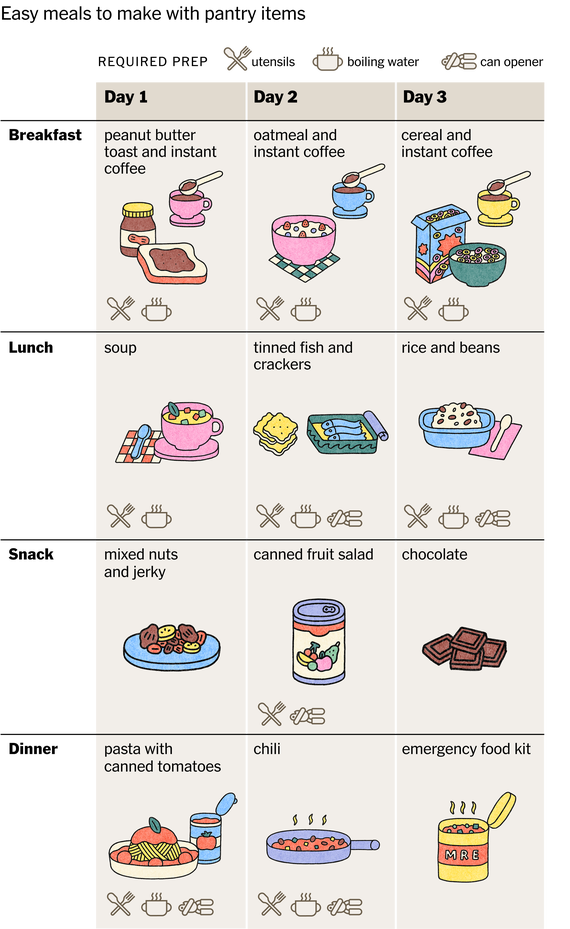
Plan meals that use your stored food efficiently. Combine items to create balanced, nutritious meals. Include protein, carbs, and fats for energy and health. Practice cooking with stored foods before an emergency. This builds confidence and helps avoid surprises during a crisis.
Credit: practicalselfreliance.com
Frequently Asked Questions
What Are The Best Non-perishable Emergency Foods?
Best non-perishable emergency foods include canned beans, rice, pasta, nuts, dried fruits, and canned vegetables. These foods have long shelf lives and provide essential nutrients. They are easy to store and prepare during emergencies when fresh food is unavailable.
How Many Emergency Food Supplies Should I Store?
Store at least a three-day supply of emergency food per person. Ideally, keep a two-week supply for better preparedness. Consider dietary needs and preferences when selecting foods. Rotate supplies regularly to maintain freshness and safety.
Can I Include Fresh Foods In Emergency Kits?
Fresh foods are not ideal for long-term emergency kits due to spoilage. However, fresh fruits and vegetables can be included for short-term emergencies if consumed quickly. Focus on shelf-stable foods for extended emergency situations.
Are Freeze-dried Foods Good For Emergencies?
Freeze-dried foods are excellent for emergencies because they last for years. They retain nutrients, flavor, and texture after rehydration. These foods are lightweight and easy to store, making them ideal for emergency kits.
Conclusion
Choosing the right foods for emergencies keeps you safe and prepared. Focus on items that last long and give good energy. Canned goods, dried fruits, nuts, and grains work well. Don’t forget water—it’s the most important. Store these foods in a cool, dry place.
Check your supplies often to keep them fresh. A well-stocked emergency food supply brings peace of mind. Stay ready, stay safe.