Imagine facing an emergency without the right tools or supplies. Scary, right?
That’s where a disaster survival kit comes in. It’s your lifeline when things go wrong—packed with everything you need to stay safe and secure. But what exactly is a disaster survival kit, and why should you have one ready? Keep reading to discover how this simple preparation can make all the difference for you and your loved ones when disaster strikes.
Disaster Survival Kit Basics
A disaster survival kit is a collection of essential items. It helps people stay safe during emergencies. Preparing this kit is simple and can save lives. It provides basic needs and tools when usual services stop working. Understanding its basics is key to being ready for unexpected events.
Purpose Of A Survival Kit
The survival kit’s main goal is to keep you alive. It provides food, water, and shelter supplies. It also has tools to help with first aid and communication. The kit supports you until help arrives or normal life returns. It reduces panic and increases chances of staying safe.
Types Of Emergencies Covered
A survival kit covers many emergency types. These include natural disasters like earthquakes, floods, and storms. It also helps during power outages and accidents. The kit suits short-term and long-term emergencies. Being prepared for various situations ensures peace of mind.
Credit: www.nbcnews.com
Essential Gear Components
A Disaster Survival Kit is only as good as the gear inside it. The essential components are carefully chosen to keep you safe, healthy, and comfortable during emergencies. Understanding what to pack helps you prepare for unpredictable situations with confidence.
Water And Hydration Supplies
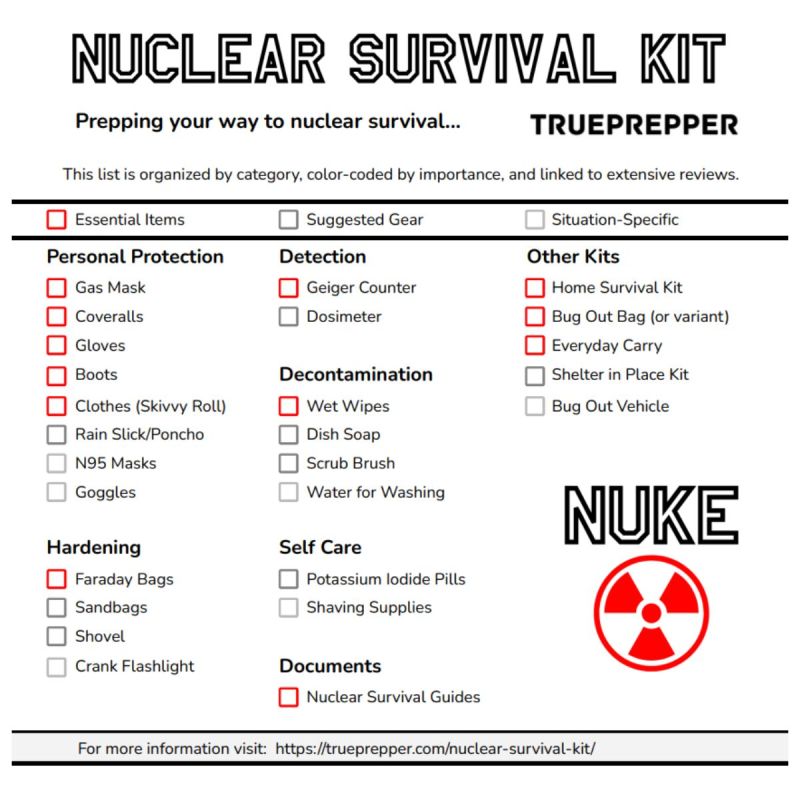
Water is the most critical resource in any survival situation. Your kit should include at least one gallon of water per person per day, stored in durable, BPA-free containers. Don’t forget water purification options like tablets, portable filters, or even a small stove for boiling water.
Have you ever experienced thirst when clean water wasn’t available? Being prepared with reliable hydration supplies can prevent dehydration and serious health risks.
Non-perishable Food Items
Choose foods that last long without refrigeration and provide essential nutrients. Items like canned beans, dried fruits, nuts, and energy bars are excellent choices. Freeze-dried meals are lightweight and easy to prepare, making them ideal for survival kits.
Think about your dietary needs and allergies when selecting food. Would you be able to sustain yourself on the items you pack?
First Aid Essentials
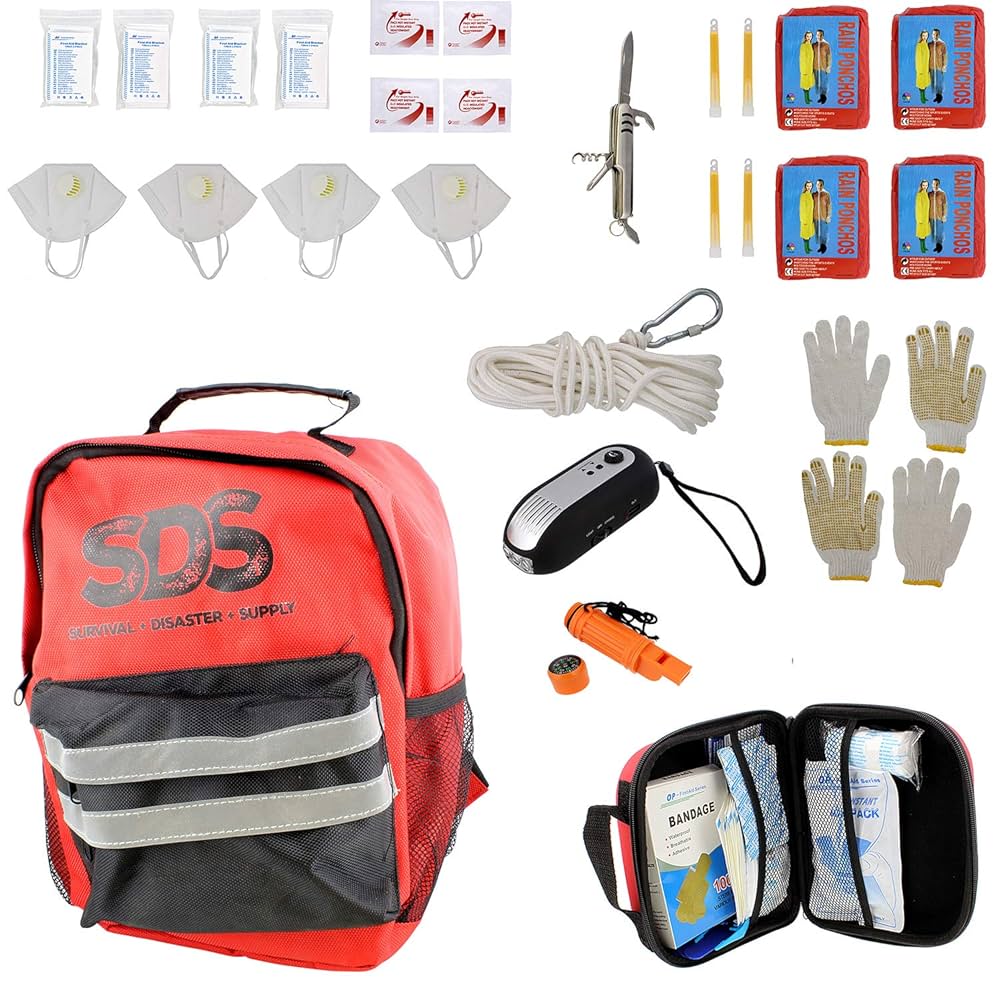
A well-stocked first aid kit can be a lifesaver. Include bandages, antiseptic wipes, pain relievers, tweezers, and any prescription medications you need. Adding a first aid manual or quick-reference guide helps you handle injuries correctly.
Have you ever had to treat a minor injury with limited supplies? Proper first aid gear can prevent complications and speed up recovery.
Tools And Equipment
Basic tools can make a huge difference. Pack a multi-tool, flashlight with extra batteries, whistle, and a sturdy knife. Items like duct tape, paracord, and waterproof matches also prove invaluable in emergencies.
Imagine needing to fix a broken shelter or signal for help—would your tools be up to the task?
Clothing And Shelter
Protect yourself from harsh weather with appropriate clothing and shelter materials. Include extra socks, a warm hat, gloves, and a waterproof jacket. A compact tarp, emergency blanket, or lightweight tent can offer vital protection from the elements.
How well could you stay warm and dry if you were stranded outdoors? Your choices here can affect your comfort and survival chances dramatically.
Choosing The Right Kit
Choosing the right disaster survival kit means thinking carefully about what fits your unique situation. The goal is to have what you need without carrying unnecessary items that weigh you down. Your decision should balance preparedness with practicality, making sure your kit supports you through an emergency effectively.
Customized Vs. Pre-packaged Kits
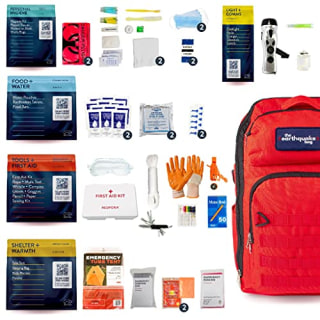
Pre-packaged kits offer convenience. They come ready-made with essentials like water, food, and first aid supplies. But do they match your specific needs? Customized kits let you add or remove items based on your lifestyle and environment.
If you live in a cold climate, adding extra blankets or warm clothing makes sense. For families with small children, including baby formula or special medications is crucial. Think about what you absolutely cannot live without during an emergency.
Considerations For Family Needs
Your kit should reflect the makeup of your family. Are there seniors, children, or pets to consider? Each member may require different supplies, from medications to comfort items.
Ask yourself: What medical conditions or allergies exist? Do you need extra water or food portions? Planning this ahead can prevent panic and ensure everyone’s safety.
- Include prescription medications and copies of important documents.
- Pack comfort items like favorite toys or books for children.
- Don’t forget pet food and supplies if you have animals.
Kit Size And Portability
A bulky kit can be a burden during an emergency. You need to be able to carry your kit easily or move it quickly if needed. Think about where you’ll keep the kit and how you will transport it.
Smaller kits are perfect for quick evacuations or car storage. Larger kits suit those who want long-term supplies at home. Ask yourself: Can you comfortably carry this kit for a mile or more if necessary?
Maintenance And Storage Tips
Maintaining and storing a disaster survival kit properly keeps it ready for emergencies. Regular care ensures all items work well and last long. Good storage protects supplies from damage and loss. Updating the kit with fresh supplies keeps it effective for any situation.
Regular Kit Inspection
Check your survival kit every few months. Look for expired food, dead batteries, and broken tools. Replace anything that is no longer usable. Test flashlights and radios to confirm they work. Make notes of missing items to add later.
Proper Storage Locations
Store the kit in a cool, dry place away from sunlight. Avoid damp areas to prevent mold and rust. Choose a spot easy to reach during emergencies. Consider a waterproof container to protect against water damage. Keep the kit off the floor to avoid pests.
Updating Supplies
Replace perishable items like food and water regularly. Swap out medications before they expire. Update clothing and blankets for the current season. Add new tools or gear based on changing needs. Keep a list of contents to track updates easily.
Additional Preparedness Strategies
Additional preparedness strategies improve your safety during disasters. These plans support your survival kit by organizing actions and roles. They ensure you stay connected, move quickly, and know what to do. Being ready beyond supplies is key to facing emergencies confidently.
Emergency Communication Plans
Communication plans keep families and groups connected in chaos. Decide on contact points outside the disaster area. Use simple tools like text messages or social media updates. Share phone numbers and meeting spots in advance. Keep a list of emergency contacts in your kit.
Evacuation Routes
Evacuation routes guide you to safety during urgent escapes. Identify multiple paths from home, work, and school. Practice these routes to avoid confusion later. Know where shelters and safe zones are located. Keep maps handy or use apps that work offline.
Training And Practice Drills
Training and drills build confidence and reduce panic. Practice using your disaster survival kit regularly. Simulate different emergencies like fires or earthquakes. Teach children and elderly how to respond calmly. Review and update your plans after each drill.

Credit: www.amazon.ca

Credit: www.emergencyzone.com
Frequently Asked Questions
What Is Included In A Disaster Survival Kit?
A disaster survival kit typically contains water, non-perishable food, first aid supplies, flashlight, batteries, and essential tools. It also includes important documents, clothing, and hygiene items to help you survive during emergencies or natural disasters.
How Do I Prepare A Disaster Survival Kit?
Start by gathering essential items like water, food, and first aid supplies. Add a flashlight, batteries, and important documents. Customize your kit based on your family’s needs and local disaster risks. Store everything in an easily accessible, waterproof container.
Why Is A Disaster Survival Kit Important?
A disaster survival kit ensures you have critical supplies during emergencies. It helps you stay safe, healthy, and self-sufficient when help is delayed. Preparing a kit can reduce panic and improve your chances of survival in disasters.
How Often Should I Update My Survival Kit?
You should update your survival kit every six months to one year. Check expiration dates on food, water, and medications. Replace used or outdated items to keep your kit ready for any emergency.
Conclusion
A disaster survival kit is essential for safety. It prepares you for emergencies. With the right items, survival becomes easier. Water, food, and first aid are must-haves. Tools and flashlights provide support. Don’t forget important documents. A whistle and extra batteries help too.
Always update your kit regularly. Stay prepared and stay safe. It offers peace of mind during crises. Simple steps ensure readiness. Your safety kit could save lives. Take action today. Prepare your kit now. Be ready for any disaster.