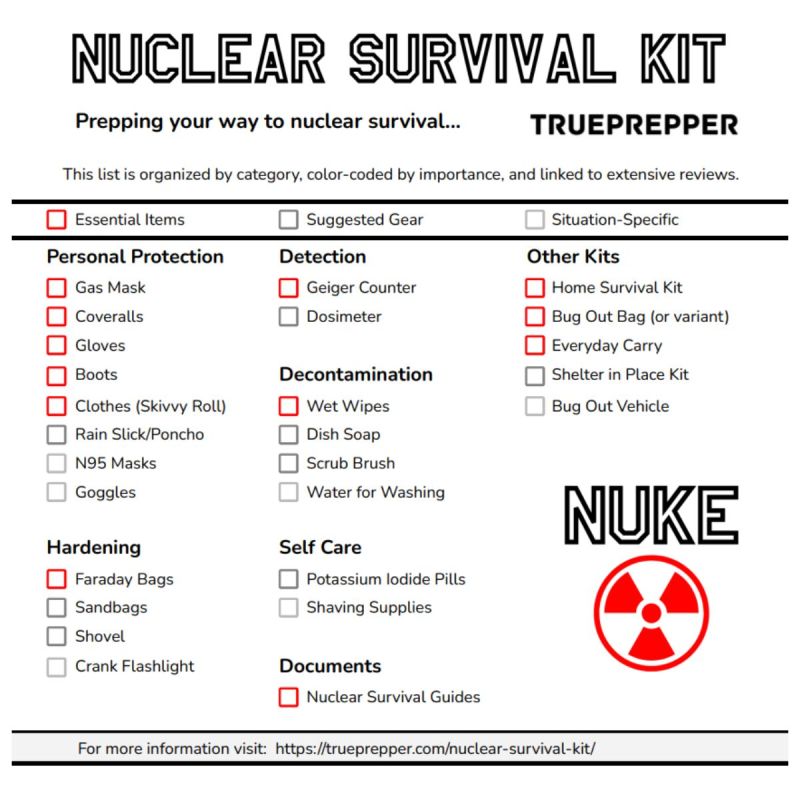
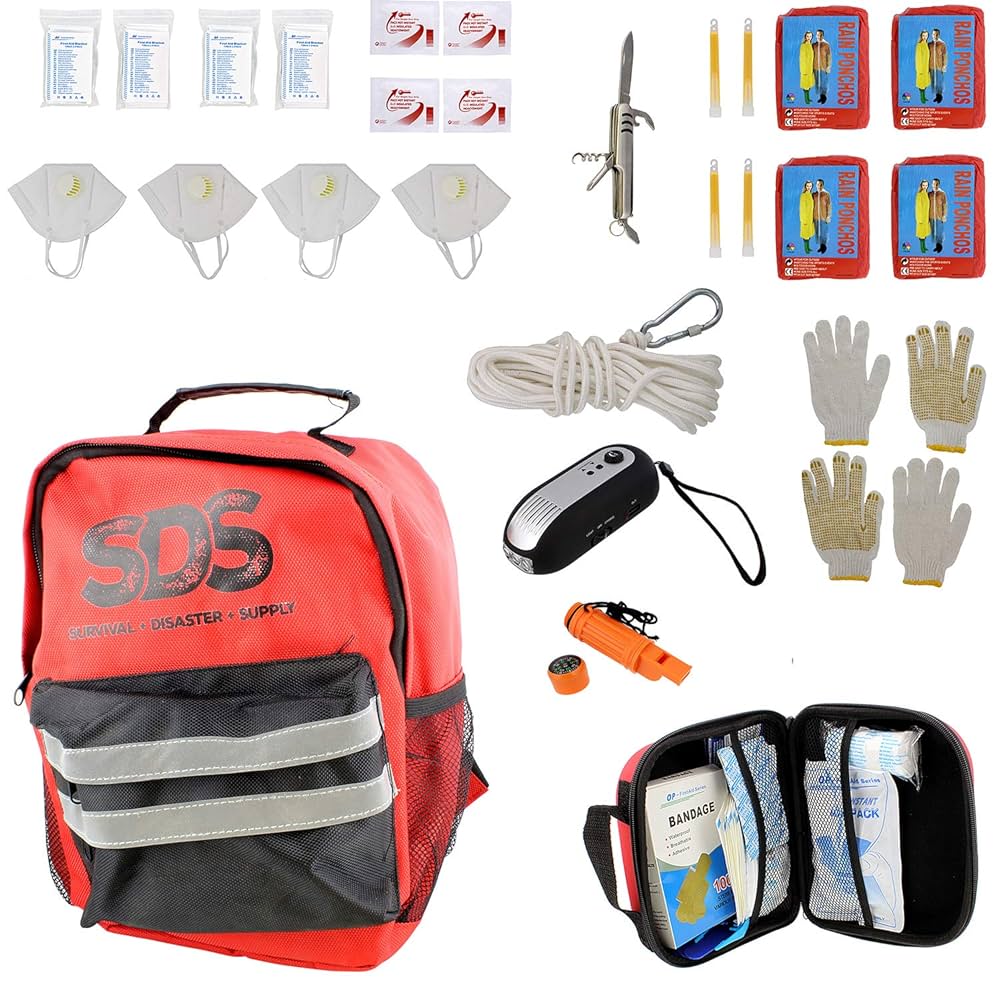
Imagine facing a sudden volcanic eruption near your home or while traveling. Do you know what essentials you need to stay safe and survive?
Your volcano survival kit can make all the difference between chaos and control. You’ll discover exactly what items should be in your kit to protect you and your loved ones. Keep reading to ensure you’re fully prepared when nature’s power strikes.
Key Items To Include
Having the right items in your volcano survival kit can make a critical difference when facing an eruption. Each piece of gear plays a specific role in keeping you safe and connected. Think about what you’d need if you had only minutes to act—this helps prioritize the essentials.
Protective Clothing
Volcanic ash and debris can cause serious harm to your skin and eyes. Include long-sleeved shirts, sturdy pants, and durable gloves to shield yourself from sharp particles. A wide-brim hat or helmet adds extra protection from falling ash and small rocks.
Consider materials that resist heat and are easy to clean. I once had a jacket coated with fine ash after a nearby eruption; it protected my skin and was washable afterward, proving its worth.
Respiratory Gear
Breathing in volcanic ash and gases is dangerous and can damage your lungs. Pack N95 or P100 masks to filter out fine ash particles. Avoid simple cloth masks—they won’t protect you against the smallest, most harmful particles.
Also, goggles or safety glasses prevent eye irritation from ash. Having both respiratory and eye protection lets you stay outside longer and move safely through ash-filled air.
First Aid Supplies
Injuries can happen quickly in volcanic environments. Stock your kit with bandages, antiseptics, burn cream, and pain relievers. Include specific items like eye wash solution to flush out ash.
Think about your personal medical needs too—extra prescription medicines or allergy treatments can be lifesavers. What would you need if medical help took hours to reach you?
Navigation Tools
Visibility may drop sharply during an eruption, making it easy to get lost. A reliable compass and detailed local maps help you find safe routes. GPS devices are useful but don’t rely on them alone; technology can fail.
Mark escape paths before any event if you live near a volcano. Knowing your surroundings is half the battle in an emergency.
Communication Devices
Staying connected is vital for updates and asking for help. Include a battery-powered or hand-crank radio to receive emergency broadcasts. A fully charged power bank for your phone can keep communication lines open longer.
Consider walkie-talkies if you’re with a group; they work without cell towers. How will you call for help if the network goes down?

Credit: www.safecastle.com
Food And Water Essentials
Food and water are the most important supplies in a volcano survival kit. They keep your energy up and help you stay hydrated. You may not have access to fresh food or clean water after a volcanic eruption. Packing the right items ensures you can survive for days or longer.
Non-perishable Food Options
Choose food that lasts a long time without spoiling. Look for high-calorie options to maintain your strength. Foods must be easy to carry and prepare without heat or water.
- Canned beans and vegetables
- Dry nuts and seeds
- Energy bars and protein bars
- Instant oatmeal packets
- Dried fruits like raisins and apricots
- Peanut butter or other nut butters
Pack enough food for at least three days. Rotate your food stock regularly to keep it fresh.
Water Storage And Purification
Water is critical. You need enough clean water to drink and cook. Store water in strong, sealed containers. Aim for at least one gallon per person each day.
- Use BPA-free water bottles or jugs
- Include portable water filters or purification tablets
- Consider a small, manual water pump for larger containers
Water purification options help make unsafe water drinkable. Boiling is best but not always possible. Filters and tablets remove harmful germs and chemicals. Always have backup purification methods.
Shelter And Warmth
Shelter and warmth are crucial in a volcano survival kit. They protect you from harsh weather and help maintain body heat. Without proper shelter, you risk exposure to cold, rain, or ash fallout. Staying warm keeps your energy up and prevents hypothermia.
Emergency Blankets
Emergency blankets are lightweight and compact. They reflect body heat to keep you warm. These blankets resist water and wind, making them ideal in volcanic ash or rain. Carry at least one per person in your kit. They fit easily in pockets or backpacks.
Tents And Tarps
Tents and tarps provide solid protection from the elements. A sturdy tent shields you from ash, wind, and rain. Tarps are versatile and can create quick shelters. Use ropes or branches to secure tarps above your head. Both help create a dry, safe space to rest.
Fire Starting Equipment
Fire starting tools are essential for warmth and cooking. Include waterproof matches, lighters, or fire starters in your kit. Fire offers heat, light, and comfort in harsh conditions. It also helps dry wet clothes and boil water for safety.
Additional Safety Equipment
Additional safety equipment in a volcano survival kit helps during emergencies. It increases chances of staying safe and being found quickly. These tools assist with visibility, communication, and minor repairs in tough situations.
Flashlights And Batteries
Flashlights provide light in dark or smoky conditions. Choose LED flashlights for longer battery life and brighter light. Pack extra batteries to keep your flashlight working when needed most.
Multi-tools And Repair Kits
Multi-tools combine many functions into one compact device. They include knives, screwdrivers, and pliers. Repair kits fix gear like torn clothing or broken equipment. These tools help maintain your survival kit and gear in good shape.
Whistles And Signal Mirrors
Whistles produce loud sounds that carry far. Use them to signal rescuers without shouting. Signal mirrors reflect sunlight to catch attention from a distance. Both are lightweight and easy to carry, making them vital for rescue signals.
Packing And Maintenance Tips
Packing and maintaining your volcano survival kit is more than just throwing items into a bag. It requires thoughtful organization and regular upkeep to ensure everything works when you need it most. How you arrange and care for your supplies can save precious time during an emergency.
Organizing Your Kit
Start by grouping similar items together. Use small waterproof bags or clear containers to separate essentials like first aid, food, and tools. This makes it easier to find what you need quickly without digging through the entire kit.
Label each section clearly. You might be in a stressful situation, so clear labels help you or anyone else access supplies fast. Also, keep frequently used items near the top for immediate reach.
Think about the weight and bulk. Heavy items should be packed at the bottom to maintain balance, especially if you need to carry the kit for a long distance. Have you tested how comfortable your kit feels on your back or shoulder?
Regular Checks And Updates
Set a reminder to check your survival kit every three to six months. Look for expired food, batteries, and medications. Replace anything that’s past its prime or no longer functional.
Test your equipment regularly. Flashlights, radios, and other gadgets should be turned on to confirm they work. You don’t want to discover dead batteries during a crisis.
Update your kit based on seasonal changes or new information. For example, add extra water bottles in summer or warmer clothing in winter. Have you adjusted your kit to fit your current living situation or health needs?

Credit: www.youtube.com

Credit: www.kellykettleusa.com
Frequently Asked Questions
What Essential Items Are In A Volcano Survival Kit?
A volcano survival kit includes a dust mask, goggles, first aid supplies, water, non-perishable food, flashlight, and a whistle. These items help protect against ash inhalation, injuries, and ensure communication during emergencies.
How Does A Dust Mask Help In A Volcanic Eruption?
A dust mask filters volcanic ash particles, preventing lung irritation and respiratory issues. It is crucial for breathing safely during an eruption and ash fall.
Why Include A First Aid Kit In Volcano Survival Gear?
A first aid kit treats minor injuries caused by flying debris or falls. It helps manage cuts, burns, and other common volcanic hazards before professional help arrives.
How Much Water Should I Pack In A Volcano Survival Kit?
Pack at least one gallon of water per person per day. Water is vital for hydration, especially when clean sources are unavailable during eruptions.
Conclusion
A volcano survival kit can save lives. It holds essential items. Water, food, and a flashlight are key components. Add a first aid kit and mask for safety. Pack clothes and blankets for warmth. Keep important documents safe. Be ready for emergencies.
Plan ahead and stay calm. The right supplies make a difference. Protect yourself and your family. Stay informed and prepared. Nature can surprise us. Being ready helps us face challenges with confidence. Always check your kit regularly. Keep it updated and complete.
Safety first in volcanic regions. Your preparedness matters.