Have you ever wondered what it takes to survive in the toughest situations? An army survival kit holds the key.
It’s not just a collection of random tools—it’s a carefully chosen set of items designed to keep you alive when everything else fails. Knowing what’s inside can make all the difference. You’ll discover exactly what an army survival kit contains and why each item matters.
By the end, you’ll be ready to build your own kit or understand the essentials that could save your life. Keep reading—you don’t want to miss this.

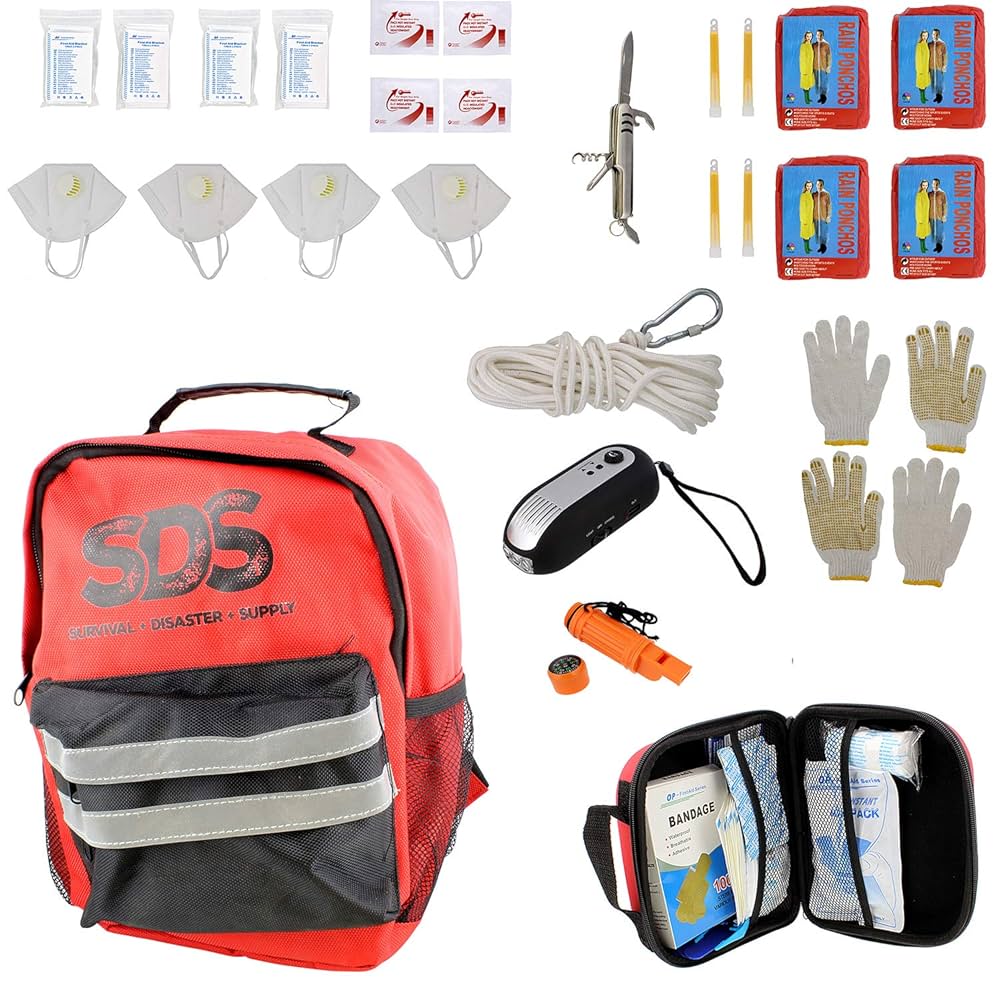
Credit: www.amazon.com
Basic Survival Tools
Basic survival tools are the heart of any Army survival kit. These tools help you handle unexpected situations, keeping you safe and self-reliant. Without them, even the simplest tasks like making a fire or finding your way can become nearly impossible.
Multi-tool Knife
A multi-tool knife is more than just a blade; it’s a compact workshop in your pocket. You can cut rope, open cans, fix gear, or even perform first aid with the right tool at hand. Imagine needing to build a shelter quickly—this tool saves time and effort by combining several functions into one.
Choosing a knife with sturdy construction and reliable locking mechanisms ensures safety during use. Have you ever struggled with a single-purpose tool that just didn’t fit the job? A multi-tool knife eliminates that frustration.
Fire Starters
Fire starters are crucial for warmth, cooking, and signaling for help. Carrying reliable fire-starting items like waterproof matches, magnesium rods, or ferrocerium sticks ensures you can create fire in any weather. If you’ve ever tried rubbing sticks together, you know how challenging it can be; these tools make the process faster and more dependable.
Think about how fire can transform your survival situation. It dries clothes, purifies water, and lifts your spirits. Without a fire starter, you risk losing these advantages when you need them most.
Compass And Navigation Aids
A compass guides you when landmarks vanish and GPS devices fail. It’s a simple tool that can save your life by helping you stay on course or find your way back to safety. Have you ever been lost in unfamiliar terrain? A compass can prevent that panic.
Pair your compass with a detailed map, and you gain a powerful navigation system that doesn’t rely on batteries or signal. Learning to use these aids confidently increases your chances of rescue and survival dramatically.

Credit: www.amazon.com
Shelter And Warmth
Maintaining shelter and warmth is crucial in any survival situation. Without proper protection from the elements, your chances of enduring harsh conditions drop significantly. Your survival kit must include reliable items that keep you dry, insulated, and safe from the cold.
Emergency Blanket
The emergency blanket is one of the most compact and versatile items you can carry. Made from heat-reflective materials, it traps your body heat to prevent hypothermia.
Its lightweight design means you can easily stash it in your pack without adding bulk. I once used one during a sudden storm while hiking—the warmth it provided was immediate and lifesaving.
Think about how much space you can save by relying on this single item for warmth. Could you handle the cold without it?
Tarp And Paracord
A tarp combined with paracord gives you endless shelter options. You can quickly set up a lean-to, a rain shield, or even a makeshift tent.
This setup protects you from wind and rain, reducing heat loss dramatically. Paracord is strong, durable, and can double as a tool or for securing gear.
Imagine having a shelter ready in minutes when the weather turns bad. Wouldn’t it be better than scrambling for natural cover?
Cold Weather Gear
Cold weather gear includes insulated clothing, gloves, and hats designed to retain heat and wick moisture away.
Layering is key: base layers keep sweat off your skin, mid-layers trap heat, and outer layers block wind and rain. Each piece has a purpose in protecting your core temperature.
Have you ever felt chilled despite wearing a jacket? It’s often because your clothing isn’t designed for survival conditions. Your kit should prevent that discomfort.
Food And Water Supplies
Food and water supplies are vital in any army survival kit. Soldiers need reliable sources of nutrition and hydration to stay strong. These supplies ensure energy and health during tough conditions.
Water is essential for survival. Clean water prevents illness and keeps the body working well. Food provides calories and nutrients needed for endurance and focus. Army survival kits include tools and items to secure both.
Water Purification Methods
Water purification is key to safe drinking water. Army kits use simple, effective methods to remove germs and dirt.
- Water purification tablets kill bacteria and viruses quickly.
- Portable water filters remove sediments and harmful microbes.
- Boiling water is a reliable way to kill pathogens.
- Ultraviolet light devices destroy bacteria and viruses using UV rays.
Ration Packs
Ration packs provide ready-to-eat meals designed for soldiers. These packs are compact, lightweight, and high in calories.
- Meals often come with proteins, carbs, and fats for balanced nutrition.
- They have a long shelf life, lasting months or years.
- Easy to carry and consume without cooking.
- Some include snacks like nuts and energy bars for quick boosts.
Portable Cooking Equipment
Portable cooking tools help prepare food and boil water on the go. These items are small and easy to use in the field.
- Compact stoves run on fuel tablets or small gas canisters.
- Lightweight pots and pans designed for quick heating.
- Multi-tools often include utensils like spoons and forks.
- Some kits have fire starters to help ignite cooking fires.
First Aid Essentials
First aid essentials are the backbone of any army survival kit. They prepare you to handle injuries and medical emergencies on the spot. Missing just one critical item could turn a manageable wound into a serious problem.
Basic Medical Supplies
Your kit should start with basic medical supplies like sterile gauze pads, adhesive bandages, and antiseptic wipes. These items help clean and cover wounds to prevent infection. Always check that bandages come in various sizes to fit different cuts or scrapes.
Including a CPR face shield is smart. It protects you while providing rescue breaths if someone stops breathing. Think about how often you might need to clean and protect wounds in the field—these basics are your first line of defense.
Injury Treatment Tools
Tools like tweezers, scissors, and a small flashlight are essential for treating injuries effectively. Tweezers help remove splinters or debris, and scissors cut bandages or clothing quickly. A flashlight lets you see clearly in low-light conditions, which is often when accidents happen.
Adding a tourniquet can save lives in cases of severe bleeding. Many soldiers have shared stories where a tourniquet stopped bleeding long enough to get professional help. Would you be ready to act fast with these tools if an injury occurred?
Medications And Pain Relievers
Stock your kit with over-the-counter pain relievers like ibuprofen or acetaminophen to manage pain and reduce inflammation. Antihistamines can help if you face allergic reactions. Don’t forget antiseptic creams or antibiotic ointments that speed up healing and prevent infections.
Remember, medications can expire, so check them regularly. Keeping a small supply of any personal prescription drugs is also crucial. How prepared are you to handle pain or allergic reactions away from immediate medical care?
Communication And Signaling
Communication and signaling tools are essential in any Army Survival Kit. They help you alert rescuers, stay connected, and navigate through challenging environments. Without reliable communication, your chances of being found quickly and staying safe drop significantly.
Whistles And Mirrors
Whistles are simple yet powerful. A loud whistle can carry much farther than your voice and uses very little energy. Carry one that produces a sharp, clear sound to signal for help or communicate with teammates over long distances.
Signal mirrors are another low-tech tool that can attract attention from miles away. They reflect sunlight, creating a bright flash visible to aircraft or distant search parties. Always keep your mirror in an accessible spot, and practice using it to aim the reflection before heading out.
Signal Flares
Signal flares are highly visible and effective in low visibility conditions like night or dense forests. They produce bright light and smoke, which can guide rescuers to your location. Make sure to store them safely and check their expiration dates regularly.
Using flares requires caution to avoid fire hazards, but in an emergency, they can be life-saving. Consider carrying different types, such as hand-held and aerial flares, for versatile signaling options.
Portable Radios
Portable radios provide a reliable way to communicate with others in the field or with rescue teams. Look for radios with long battery life and multiple channels to increase your chances of making contact. Some models include weather alerts, which help you prepare for changing conditions.
Test your radio before you go and learn the basic codes used in emergency communication. Having a two-way radio means you’re never truly alone, even miles away from civilization.

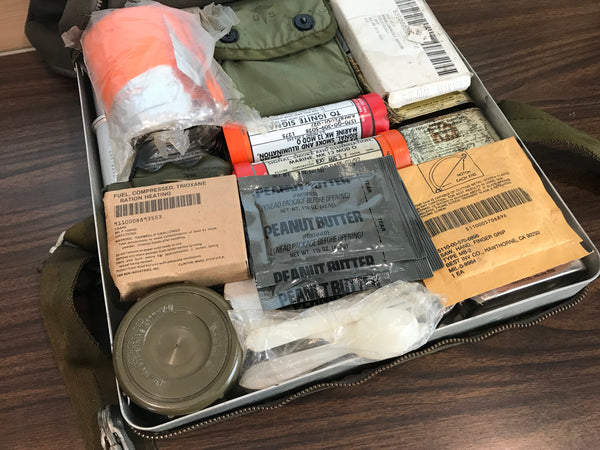
Credit: www.amazon.ca
Clothing And Personal Items
The Clothing and Personal Items section of an Army Survival Kit plays a vital role in ensuring comfort and protection. Proper clothing shields soldiers from harsh weather and rough terrain. Personal items maintain hygiene and boost morale during tough times. These essentials help maintain health and readiness in the wild.
Durable Clothing
Durable clothing is designed to withstand wear and tear in extreme conditions. Items include:
- Camouflage uniforms for blending into surroundings
- Waterproof jackets to stay dry during rain
- Thermal layers for warmth in cold climates
- Strong boots to protect feet and provide grip
- Extra socks to keep feet dry and comfortable
Clothing must be lightweight yet tough. It should allow freedom of movement.
Personal Hygiene Items
Personal hygiene items prevent illness and improve comfort. Common items are:
- Toothbrush and toothpaste for oral care
- Soap or body wipes to stay clean
- Towel for drying off moisture
- Small razor for grooming
- Feminine hygiene products when needed
Keeping clean reduces infections and helps morale.
Insect Protection
Insect protection is crucial in many environments. Bugs can carry diseases and cause discomfort. Common insect protection items include:
- Insect repellent sprays or lotions
- Mosquito netting to cover sleeping areas
- Permethrin-treated clothing to repel bugs
- Anti-itch creams for bite relief
These items reduce bug bites and protect health.
Packing And Maintenance Tips
Packing and maintaining your Army survival kit is as important as choosing the right items to include. A well-organized kit saves time and stress when every second counts. Keeping your supplies in top shape ensures they work perfectly when you need them most.
Organizing Your Kit
Arrange your items by categories such as food, first aid, tools, and shelter. Use small pouches or zip-lock bags to keep things separated and easy to find. Labeling these compartments can save precious seconds during an emergency.
Think about what you might need first and place those items on top or in the most accessible spots. For instance, a water filter or fire starter should never be buried at the bottom. Have you ever fumbled around looking for something urgent? Proper organization prevents that frustration.
Regular Checks And Updates
Check your kit at least once every three months. Look for expired food, damaged packaging, or tools that no longer function. Replace anything that’s worn out or out of date immediately.
Seasonal changes might require swapping certain items, like extra warm clothing or insect repellent. Testing your gear regularly helps you trust it when you’re in a tough spot. When was the last time you tested your fire starter or water purifier?
Weight And Size Considerations
Your kit should be light enough to carry easily but comprehensive enough to cover your needs. Avoid overpacking by prioritizing multi-use items like a knife that also serves as a screwdriver. A bulky kit can slow you down, so balance is key.
Try packing your kit and carrying it for a short walk. Does it feel manageable? If not, rethink what’s essential. Remember, your survival kit should support your movement, not hinder it.
Frequently Asked Questions
What Items Are In An Army Survival Kit?
An army survival kit typically includes a compass, matches, a multi-tool, a first aid kit, fishing gear, and a flashlight. These essentials are crucial for navigation, fire-starting, and basic survival. Each item serves a specific purpose to enhance survival chances in challenging environments.
How Do Soldiers Use A Survival Kit?
Soldiers use survival kits for emergency preparedness during missions. The kit provides essential tools and supplies for navigation, first aid, and sustenance. Soldiers rely on these items to tackle unforeseen challenges and ensure safety in the field, enhancing their survival and mission success.
Why Is A Survival Kit Important For Soldiers?
A survival kit is vital for soldiers as it offers essential tools in emergencies. It enhances their ability to navigate, stay safe, and manage injuries. Having a well-equipped kit increases their survival chances and operational effectiveness in challenging and unpredictable environments.
How Often Do Soldiers Check Their Survival Kits?
Soldiers typically check their survival kits before each mission to ensure readiness. Regular inspections guarantee that all items are functional and available. This routine practice helps maintain preparedness and boosts soldiers’ confidence in handling emergencies effectively during their operations.
Conclusion
An army survival kit holds essential tools and supplies. It helps soldiers stay safe and ready in tough situations. Each item has a clear purpose for survival. Knowing what’s inside can prepare anyone for emergencies. Simple, reliable gear makes a big difference in the wild.
Everyone should understand the basics of a survival kit. Being prepared means staying calm and confident when needed. Survival is about smart choices and the right equipment. Keep your kit updated and practice using its contents. Stay ready, stay safe.