Imagine facing an emergency without the right tools to keep you safe and comfortable. What would you do?
A well-packed preparedness emergency survival kit can make all the difference when disaster strikes. You might wonder what exactly should be inside this kit to ensure you’re ready for anything. You’ll discover the essential items that can protect you, keep you nourished, and help you stay calm during tough times.
Knowing what to include in your survival kit could be the key to staying safe when it matters most. Keep reading to find out how to prepare yourself and your loved ones with the right supplies.
Basic Survival Supplies
Basic survival supplies form the backbone of any preparedness emergency survival kit. These essentials help you maintain your health and safety when usual resources are unavailable. Having the right tools and materials on hand can make a significant difference during unexpected situations.
Water And Filtration
Water is your top priority in an emergency. You should pack at least one gallon of water per person per day for drinking and sanitation. But what if you run out of stored water?
Include portable water filters or purification tablets. These tools allow you to safely use water from natural sources like rivers or rain. I once faced a power outage that lasted days; having a compact water filter saved me from scrambling for bottled water.
Non-perishable Food
Food that lasts without refrigeration is crucial. Stock up on canned goods, dried fruits, nuts, and energy bars. Choose items high in calories and nutrients to keep your energy up.
Don’t forget a manual can opener if your food isn’t easy-open. Think about foods you personally enjoy and can eat without cooking to keep morale high during stressful times.
Shelter And Warmth
Keeping warm and dry protects you from hypothermia and other health risks. Pack a lightweight tent, emergency blankets, and a tarp. These offer quick protection from rain and wind.
Extra clothing like thermal socks and gloves can make a big difference. When I was caught outside during a cold night, my emergency blanket kept me surprisingly warm. What items would you trust to keep you safe and comfortable?
First Aid And Medical Items
First aid and medical items are a vital part of any preparedness emergency survival kit. They help treat injuries and manage health problems until professional help arrives. Having the right supplies can prevent infections and reduce pain.
Every kit needs tools to handle cuts, burns, sprains, and more. It also requires medications to treat common ailments and personal care items to maintain hygiene. Proper first aid materials ensure safety and comfort during emergencies.
Essential First Aid Tools
- Adhesive bandages in various sizes
- Sterile gauze pads and adhesive tape
- Antiseptic wipes and antibiotic ointment
- Elastic bandages for sprains and strains
- Scissors and tweezers for cutting and removing debris
- Disposable gloves to prevent infection
- CPR face shield or mask for rescue breathing
- Thermometer to check body temperature
- Instant cold packs to reduce swelling
Medications And Personal Care
- Pain relievers such as ibuprofen or acetaminophen
- Antihistamines for allergic reactions
- Anti-diarrhea and anti-nausea medicines
- Any prescription medications needed by family members
- Hydrocortisone cream for skin irritations
- Oral rehydration salts to prevent dehydration
- Hand sanitizer and soap for cleanliness
- Moist towelettes for quick cleaning
- Lip balm to protect from chapping
Tools And Equipment
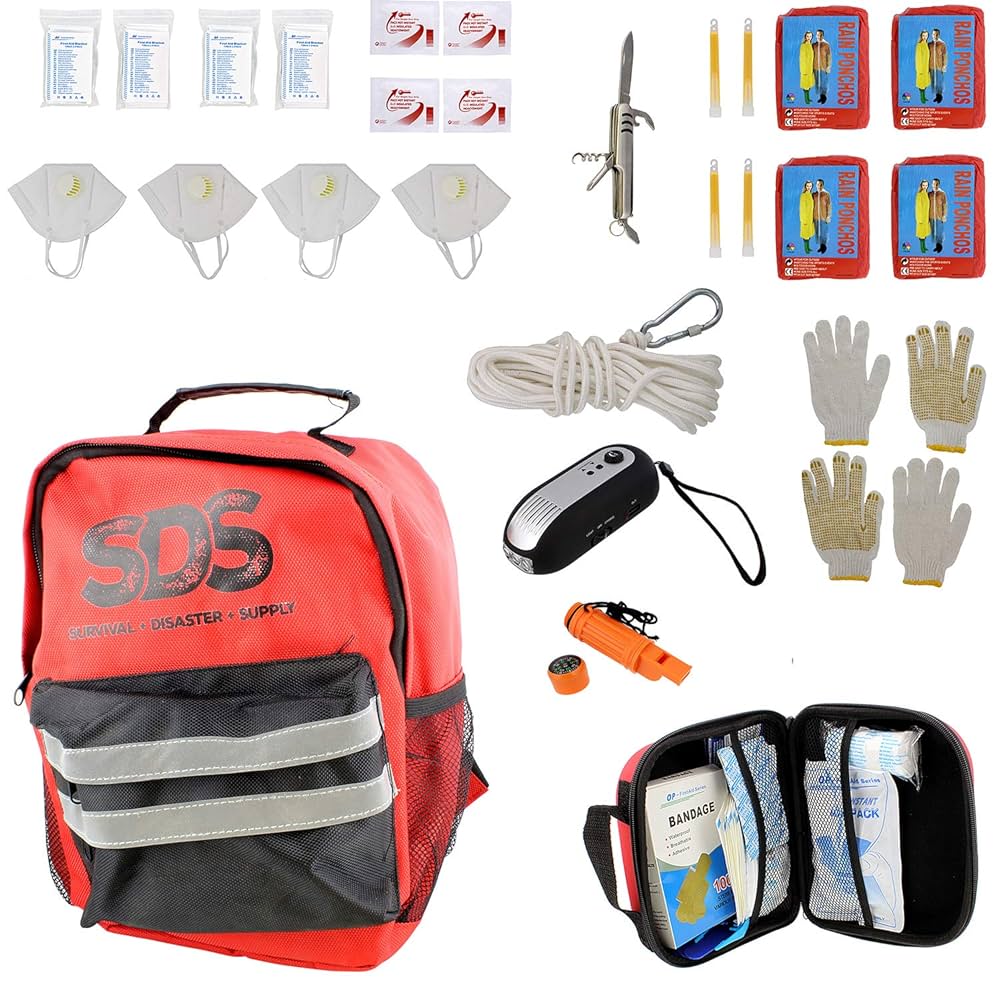
Tools and equipment form the core of any preparedness emergency survival kit. These items help you solve problems, build shelter, and stay safe. Having reliable tools increases your chances of managing tough situations effectively. Each piece serves a specific purpose, making your kit versatile and practical.
Multi-tools And Knives
Multi-tools combine several functions in one compact device. They often include pliers, screwdrivers, scissors, and knives. A sharp knife is essential for cutting rope, preparing food, and self-defense. Choose knives made from strong, rust-resistant materials. Compact multi-tools save space and offer many uses in emergencies.
Fire Starting Devices
Fire is crucial for warmth, cooking, and signaling. Carry reliable fire starters like waterproof matches, lighters, or fire steel rods. Fire steel rods last long and work even when wet. Keep fire-starting tools in a waterproof container to protect them from moisture. These devices help you create fire quickly and safely.
Lighting And Communication
Lighting tools help you see in the dark and signal for help. Include flashlights with extra batteries or hand-crank lanterns. Headlamps free your hands while lighting your path. Communication devices like whistles or small radios keep you connected and alert others. Choose lightweight, durable options for easy carrying.
Clothing And Protection
Clothing and protection are vital parts of any preparedness emergency survival kit. Your choice of clothes can make a huge difference in comfort, safety, and even survival. You want to be ready for harsh weather, rough terrain, and unexpected hazards.
Weather-appropriate Clothing
Choosing the right clothing means thinking about the climate you might face. Layering is key—start with a moisture-wicking base layer to keep sweat away from your skin.
Add an insulating layer like fleece for warmth, and finish with a waterproof, windproof outer layer to protect against rain and wind. Avoid cotton because it holds moisture and chills your body.
Think about versatile items like a packable rain jacket or thermal socks. Have you tested your kit in different weather conditions to see if you stay dry and warm?
Protective Gear
Protection goes beyond just clothes. Gloves, sturdy boots, and a wide-brimmed hat can shield you from cuts, burns, insects, and sunburn.
Include durable gloves for handling rough materials or firewood. Your boots should be waterproof with good ankle support to prevent injuries while walking over uneven ground.
Don’t forget eye protection like sunglasses or safety goggles. They can keep debris or UV rays from damaging your eyes when you least expect it.
Personal Documents And Money
Personal documents and money are vital in any emergency survival kit. They help prove identity, access services, and manage basic needs. Keeping these items safe and accessible can ease stress during a crisis.
Important Paperwork
- Copies of IDs like driver’s license and passport
- Birth certificates and social security cards
- Medical records and prescription information
- Insurance policies and contact details
- Emergency contact list
- Property deeds and vehicle registration
Store these documents in a waterproof, portable folder. Digital copies on a secure USB drive are also useful. This ensures access if the originals are lost or damaged.
Emergency Cash
Cash is crucial when electronic payments fail. Keep small bills in different denominations. This helps pay for food, transportation, and other urgent needs.
Store cash in a hidden, secure spot within the kit. Avoid large amounts to reduce theft risk. Regularly check and update the cash supply to keep it usable.
Additional Survival Gear
Additional survival gear enhances your ability to stay safe and comfortable. These items support navigation, hygiene, and mental well-being. They help you manage daily challenges during emergencies.
Navigation Aids
Reliable navigation tools prevent you from getting lost. Include a compass and detailed maps of your area. A GPS device with extra batteries also helps. Mark important locations like shelters and water sources. These aids guide you through unfamiliar terrain safely.
Sanitation Supplies
Keeping clean reduces illness risk in survival situations. Pack items like biodegradable soap, hand sanitizer, and wet wipes. Include a small trowel for digging latrines. Carry trash bags to dispose of waste properly. Sanitation supplies maintain hygiene and protect health.
Comfort And Entertainment
Comfort items improve morale and reduce stress. Bring a lightweight blanket or small pillow for rest. Simple games, a deck of cards, or a book help pass time. These items keep spirits high during long waits. Comfort and entertainment support mental strength.
Frequently Asked Questions
What Essential Items Are In A Preparedness Emergency Survival Kit?
A preparedness emergency survival kit includes water, non-perishable food, first aid supplies, flashlight, batteries, and a multi-tool. It may also contain emergency blankets, communication devices, and hygiene products to ensure safety and comfort during emergencies.
How Much Water Should A Survival Kit Contain?
A survival kit should include at least one gallon of water per person per day. This amount covers drinking and basic hygiene needs for at least three days during emergencies.
Why Is A First Aid Kit Crucial In Survival Kits?
A first aid kit helps treat injuries quickly to prevent infections and complications. It contains bandages, antiseptics, pain relievers, and other essential medical supplies for emergency situations.
Are Food Supplies Necessary In An Emergency Kit?
Yes, non-perishable food supplies provide essential nutrition when regular food sources are unavailable. Items like canned goods, energy bars, and dried fruits are common choices in survival kits.
Conclusion
Every survival kit should be well-prepared. Essentials matter. Include water, food, and first-aid supplies. Remember basic tools and flashlights. A whistle and multi-tool are handy. Personal items like medications are crucial. Keep everything organized for easy access. Regularly check and update your kit.
Stay ready for unexpected situations. Safety is in preparation.