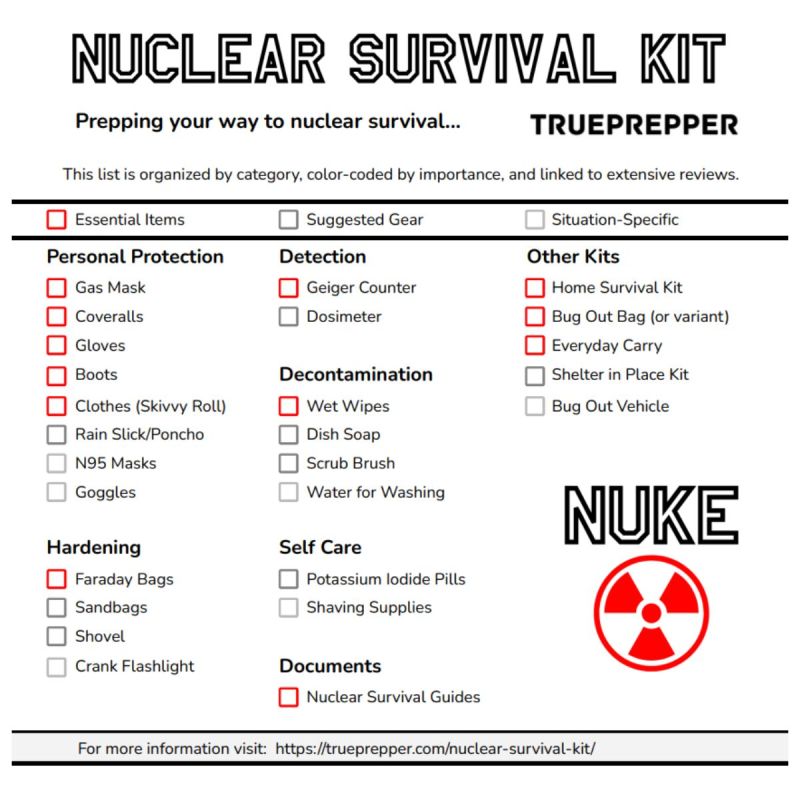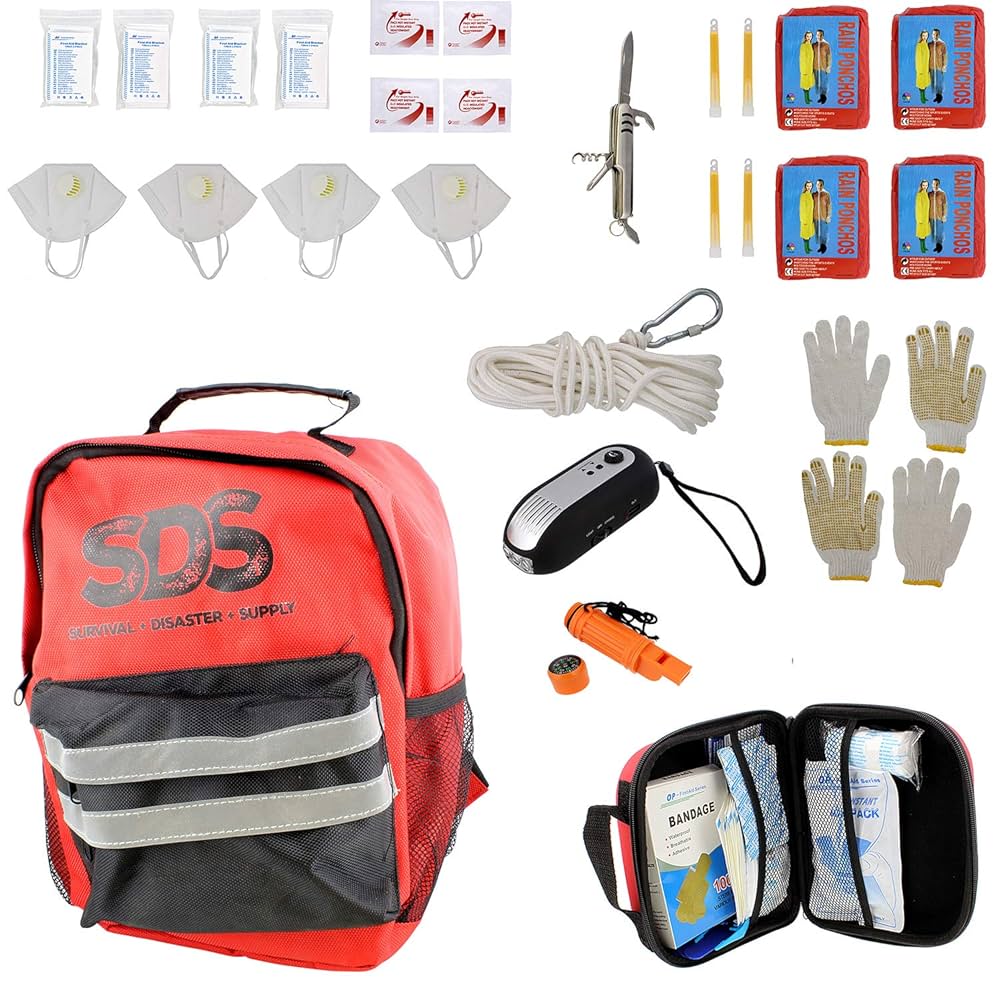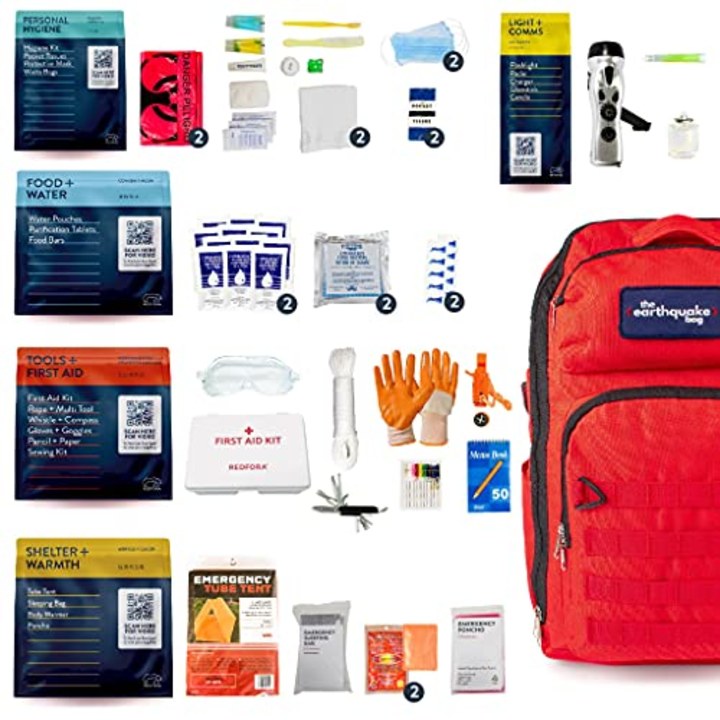
Imagine the ground shaking beneath your feet, power going out, and chaos all around. In those critical moments, having the right items in your earthquake survival kit can make all the difference between safety and danger.
You might think you’re prepared, but do you really know what essentials your kit needs? This guide will walk you through exactly what you must have ready, so when an earthquake strikes, you can protect yourself and your loved ones without panic.
Keep reading to discover how to build a kit that truly saves lives.

Credit: www.amazon.ca
Basic Supplies
Basic supplies form the core of any earthquake survival kit. These items help you stay safe and healthy during and after the disaster. Having the right essentials can make a big difference in tough situations.
Focus on items that cover your most urgent needs. These include water, food, and first aid materials. Each plays a vital role in keeping you alive and comfortable.
Water And Hydration
Water is the most important supply in an earthquake kit. You need enough water to last at least three days. Store water in clean, sealed containers. One gallon per person per day is a good rule. Water purifying tablets or filters are helpful if supplies run low.
Non-perishable Food
Choose food that lasts without refrigeration. Canned goods, dried fruits, nuts, and energy bars work well. Pick items that require little or no cooking. Check expiration dates regularly and replace old items. Keep a manual can opener in your kit too.
First Aid Items
Basic first aid supplies help treat minor injuries. Include bandages, antiseptic wipes, adhesive tape, and gauze pads. Pain relievers and any personal medications are essential. A first aid manual can guide you through emergency care steps.
Tools And Equipment
Having the right tools and equipment in your earthquake survival kit can make a huge difference in how well you manage the chaos that follows a quake. These items help you navigate darkness, perform critical tasks, and signal for help. Let’s look at some essentials you should never overlook.
Flashlights And Batteries
Power outages are common after earthquakes. Flashlights become your eyes in the dark. Choose LED flashlights—they last longer and use less power.
Always pack extra batteries. Imagine being stuck without light because your batteries died. Rechargeable options can work, but make sure you have a backup if charging isn’t possible.
Multi-tool And Knife
A multi-tool is like a mini toolbox you carry in your pocket. It can open cans, cut wires, fix gear, and more. A sturdy knife is also crucial for cutting ropes, preparing food, or crafting makeshift items.
Think about times when a simple tool saved your day. Having one ready can turn a tough situation into a manageable one. Don’t skimp on quality—cheap tools can break when you need them most.
Whistle And Signal Mirror
After an earthquake, rescuers might be looking for survivors. A whistle is a small, lightweight way to call attention without shouting and exhausting yourself. It can carry sound farther than your voice.
A signal mirror reflects sunlight to catch the eyes of rescuers from a distance. It’s a simple but effective tool, especially if you’re trapped or lost. Can you think of a quieter, more energy-saving way to get noticed?
Safety And Protection
Safety and protection are crucial during an earthquake. Protecting your body reduces injuries from falling debris and sharp objects. Proper gear helps you move safely and stay comfortable in harsh conditions.
Protective Clothing And Gloves
Wear sturdy clothes that cover arms and legs fully. Thick pants and long-sleeve shirts shield your skin from cuts and scrapes. Heavy-duty gloves protect your hands from sharp edges and rough surfaces. Choose gloves with good grip to handle debris or tools safely.
Dust Masks And Eye Protection
Dust masks stop you from breathing in harmful particles. Earthquakes often create dust clouds from collapsed buildings. Eye protection, such as safety goggles, keeps dust and debris out of your eyes. Clear vision is vital to avoid accidents and navigate safely.
Emergency Blankets
Emergency blankets keep your body warm in cold or wet conditions. They are lightweight and easy to carry in your kit. These blankets help prevent hypothermia if you are trapped or stranded. Their reflective surface also signals rescuers in low light.
Communication Essentials
Staying connected during an earthquake is crucial. You need reliable ways to get updates, ask for help, and keep in touch with loved ones. Communication essentials in your survival kit can make a real difference when regular networks fail.
Battery-powered Radio
A battery-powered radio is a must-have. It keeps you informed when cell towers and internet go down. You can tune into emergency broadcasts and receive vital instructions from authorities.
Choose a model that can pick up AM, FM, and NOAA weather channels. Some radios come with hand cranks or solar panels, which are great backups if your batteries run out. Think about how you’ve struggled to get news during power cuts—this tool prevents that.
Extra Chargers And Power Banks
Phones and radios need power, and you can’t rely on outlets after a quake. Extra chargers and power banks ensure your devices stay alive. Pack multiple power banks with high capacity to recharge your phone several times.
Don’t forget different charger cables for all your devices. It’s frustrating to have a charged power bank but no compatible cable. Have you ever been stuck with a dead phone and no way to charge it? Avoid that by keeping spares ready.
Personal Documents And Cash
Personal documents and cash are essential in an earthquake survival kit. They help prove your identity and give you access to necessary funds. After a disaster, digital systems may fail. Paper copies and physical cash become very important. Keep these items safe and easy to reach.
Copies Of Id And Important Papers
Store copies of your ID cards, passports, and driver’s license. Include important papers like birth certificates and medical records. Also add insurance documents and property deeds. Use waterproof bags or containers to protect them. Keep copies updated and easy to find.
Cash And Coins
Have small bills and coins ready. ATMs and credit card machines might not work after an earthquake. Cash helps buy food, water, or fuel quickly. Store money in different places for safety. Avoid large amounts to reduce risk of loss or theft.

Credit: www.canadiantire.ca
Additional Survival Items
Additional survival items are essential for a well-rounded earthquake kit. These items help you stay safe, clean, and prepared for various situations. They support your basic needs beyond food and water.
Including these items increases your chances of staying calm and organized. They also help you navigate and maintain hygiene in challenging conditions. Preparing for special needs ensures no one is left behind during an emergency.
Local Maps And Compass
Local maps and a compass help you find safe routes and landmarks. Electronic devices may fail, so paper maps are reliable. A compass helps you keep your direction without power.
- Mark important locations on the map beforehand.
- Learn basic map reading and compass skills.
- Keep maps in a waterproof bag.
Personal Hygiene Supplies
Hygiene supplies prevent illness and improve comfort. Earthquakes can disrupt water and sanitation systems. Cleanliness helps stop the spread of germs.
- Pack items like soap, hand sanitizer, and wet wipes.
- Include toothbrush, toothpaste, and feminine hygiene products.
- Carry a small towel and plastic bags for waste.
Special Needs Items
Special needs items cater to unique health or mobility requirements. These items ensure everyone is supported during an emergency.
- Include prescription medicines and extra glasses.
- Pack hearing aids, batteries, or mobility aids.
- Keep copies of medical records and emergency contacts.

Credit: 72hours.ca
Frequently Asked Questions
What Essential Items Should Be In An Earthquake Survival Kit?
An earthquake survival kit should include water, non-perishable food, a flashlight, batteries, a first aid kit, and a whistle. These items ensure basic needs are met if you’re trapped or isolated after an earthquake.
How Much Water Is Recommended For An Earthquake Kit?
It is recommended to store at least one gallon of water per person per day. This amount covers drinking and sanitation needs for at least three days.
Why Is A First Aid Kit Important In An Earthquake Kit?
A first aid kit helps treat injuries immediately, reducing infection risks. It contains bandages, antiseptics, pain relievers, and essential medical supplies for emergencies.
Should An Earthquake Kit Include Tools And Communication Devices?
Yes, tools like a wrench or pliers help turn off utilities. Communication devices such as a battery-powered radio keep you informed and connected.
Conclusion
Creating an earthquake survival kit is crucial for safety. Keep it simple. Include basic items like food, water, and first-aid supplies. Don’t forget a flashlight and batteries. A whistle can help signal for help. Pack a sturdy bag for easy carrying.
Update your kit regularly. Check expiration dates on food and water. Stay prepared. It can make a big difference. Protect yourself and your loved ones. Preparedness is key. Be ready for any situation. Your safety matters most.