Imagine finding yourself in an emergency where help is hours or even days away. What would you need to stay safe and comfortable until rescue arrives?
Your survival kit can be the difference between panic and confidence. Knowing exactly what to include ensures you’re ready for unexpected situations. You’ll discover the essential items that belong in every survival kit, helping you protect yourself and your loved ones when it matters most.
Keep reading to make sure your kit is truly prepared for anything.

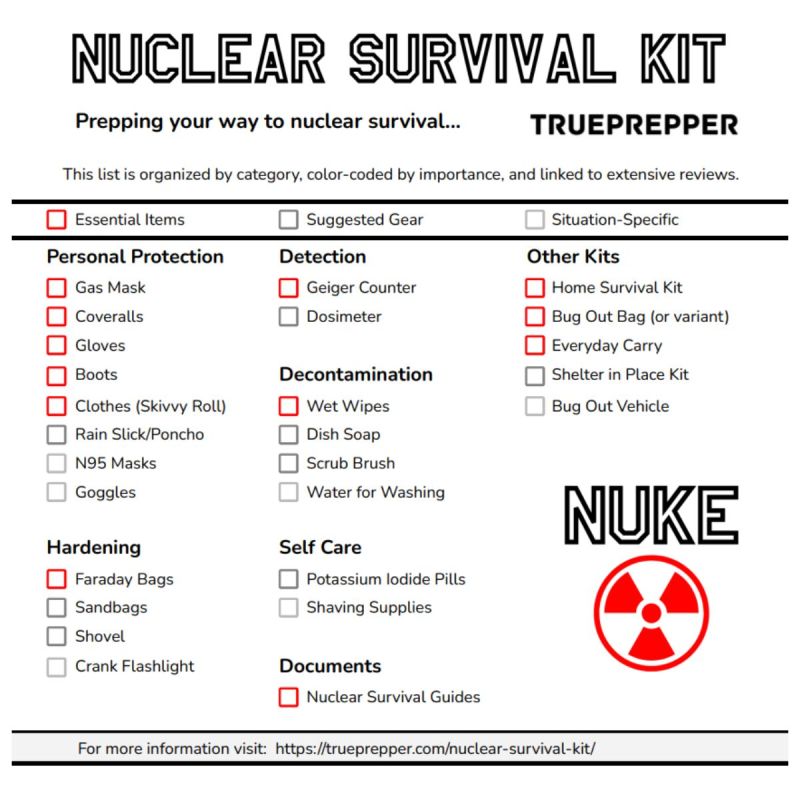
Credit: trueprepper.com
Basic Survival Tools
Basic survival tools form the backbone of any effective survival kit. These items help you handle essential tasks like cutting, starting a fire, and seeing in the dark. Without these, your chances of staying safe and comfortable in an emergency drop significantly.
Multipurpose Knife
A sturdy multipurpose knife is one of the most versatile tools you can carry. It allows you to cut rope, prepare food, and even defend yourself if necessary. Choose a knife with a comfortable grip and a blade that holds its edge well, so it won’t fail when you need it most.
Think about the last time you needed to open a package or fix something quickly. That’s exactly why a good knife should never leave your side.
Fire Starters
Fire is crucial for warmth, cooking, and signaling for help. Relying on just one fire starter can be risky, so pack multiple options like waterproof matches, a lighter, and a ferrocerium rod. These tools give you a better chance to get a fire going, even in wet or windy conditions.
Have you ever struggled to light a fire in damp weather? Having a backup fire starter can turn a frustrating situation into a manageable one.
Flashlights And Batteries
Light sources are vital for navigating in the dark and maintaining your morale. A compact, bright flashlight paired with extra batteries can keep you safe and oriented during night hours. Consider LED flashlights—they consume less power and last longer.
Do you have a reliable flashlight in your survival kit right now? If not, it’s time to add one before you find yourself in a blackout or wilderness emergency.
Water And Hydration
Water is the cornerstone of survival. Without it, your body can only last a few days, no matter how well-prepared you are. Staying hydrated is not just about having water, but having clean, safe water accessible at all times.
Water Bottles And Containers
Choosing the right container for your water is essential. Durable, leak-proof bottles made from BPA-free plastic or stainless steel work best. They should be easy to carry and able to withstand rough conditions.
Consider collapsible water containers for saving space when empty. I once packed a 2-liter collapsible bottle on a hiking trip, and it saved precious room in my backpack. A good water container makes hydration convenient and reliable.
- Look for bottles with wide mouths for easy filling and cleaning.
- Consider insulated bottles to keep water cool in hot climates.
- Have multiple containers to store extra water if needed.
Water Purification Methods
Access to water is only half the battle. You must ensure it’s safe to drink. Even clear water can contain harmful bacteria, viruses, or parasites that cause illness.
Carrying a reliable water purification method is non-negotiable. Portable filters, purification tablets, and UV light devices each have their strengths depending on your situation.
| Method | Pros | Cons |
|---|---|---|
| Portable Water Filters | Removes bacteria and protozoa; tastes better than tablets | Can be bulky; filters need replacement |
| Purification Tablets | Lightweight; easy to carry; effective against viruses | Can leave an unpleasant taste; requires waiting time |
| UV Light Devices | Quick; kills bacteria, viruses, and protozoa | Needs batteries; water must be clear |
Think about your typical environment and how long you expect to be without clean water. Which purification method fits your needs best? Testing your equipment before you head out can save you from unpleasant surprises.
Food Supplies
Food supplies are a cornerstone of any survival kit. Without reliable and nourishing food, your energy and focus will quickly wane in a survival situation. Choosing the right items means balancing nutrition, shelf life, and convenience to keep you fueled and ready for anything.
Non-perishable Snacks
Non-perishable snacks are your go-to source of quick energy. Pack items like nuts, dried fruits, granola bars, and jerky. These foods last long without refrigeration and provide essential calories and nutrients.
Think about snacks that are lightweight and easy to carry. For example, trail mix combines protein, fats, and carbs, helping you stay energized. Have you considered how much space your snacks take up? Compact options mean more supplies in less room.
Also, choose snacks you actually enjoy. In stressful moments, familiar tastes can boost morale. Try testing your kit by eating these snacks during hikes or long days to see which keep you satisfied and energized.
Compact Cooking Gear
Cooking gear can be a lifesaver for turning basic ingredients into a hot, satisfying meal. Look for lightweight stoves, small pots, and utensils that pack down easily. This gear opens up more food options beyond ready-to-eat snacks.
Many survivalists prefer compact, fuel-efficient stoves that work in different weather conditions. A simple, foldable stove combined with a lightweight pot can make a huge difference. How comfortable are you with using such gear in real scenarios?
Don’t forget essentials like a reliable fire starter and a small cutting tool. These tools make cooking safer and more manageable. Having the right equipment means you can prepare food even when conditions are tough.
Shelter And Warmth
Keeping yourself protected from the elements is crucial when you’re in a survival situation. Shelter and warmth directly impact your chances of staying safe and healthy. Without proper shelter, even mild weather can turn dangerous quickly.
Emergency Blankets
Emergency blankets are lightweight and compact, making them an essential item in any survival kit. They reflect your body heat back to you, helping prevent hypothermia in cold conditions.
These blankets don’t just keep you warm; they can also serve as a makeshift shelter or ground cover. Have you ever realized how something so thin can be a lifesaver?
Tents And Tarps
A reliable tent or tarp provides a sturdy barrier against wind, rain, and snow. Unlike emergency blankets, they offer more space and protection, allowing you to rest comfortably and stay dry.
Consider a tarp—it’s versatile and can be set up in various ways to suit your environment. Have you packed a tarp that fits easily into your bag but still offers strong shelter?
Clothing Layers
Wearing multiple layers of clothing traps heat effectively and lets you adjust to changing temperatures. Start with a moisture-wicking base layer to keep sweat off your skin.
Add insulating layers like fleece or wool, and top it off with a waterproof shell. Think about the last time you felt cold because you weren’t dressed right—could layering have changed that?
First Aid Essentials
First aid essentials form the heart of every survival kit. They prepare you to handle injuries quickly and reduce the risk of infection. Having the right supplies can make a big difference during emergencies. Each item should be easy to use and reliable.
Basic Medical Supplies
- Adhesive bandages in various sizes
- Sterile gauze pads for wounds
- Medical tape to secure dressings
- Antiseptic wipes for cleaning cuts
- Scissors and tweezers for precision
- Elastic bandages for sprains
- Disposable gloves to prevent infection
- CPR face shield for resuscitation
Medications And Ointments
- Pain relievers like ibuprofen or acetaminophen
- Antihistamines for allergic reactions
- Antibiotic ointment to prevent infections
- Hydrocortisone cream for skin irritation
- Burn cream or aloe vera gel
- Oral rehydration salts for dehydration
- Any personal prescription medications
Navigation And Communication
Navigation and communication tools are essential in any survival kit. They help you find your way and call for help if you get lost or face an emergency. Without reliable gear, you might waste precious time or miss signals that could save your life.
Maps And Compass
A detailed map and a sturdy compass are your best friends in the wild. GPS devices can fail due to dead batteries or poor signal, but a map and compass work without power. Practice reading them before you need to rely on them—understanding terrain and landmarks can keep you on track.
Think about the last time you got lost while hiking. Did you have a map or compass? Many get disoriented quickly without these simple tools. Carry a waterproof map of your area and a quality compass that won’t break under pressure.
Emergency Radios
Emergency radios keep you connected to weather updates and rescue broadcasts. Choose one that can receive NOAA weather alerts and has hand-crank or solar charging to avoid dead batteries. A radio can alert you to storms or dangers you can’t see, giving you time to react.
Imagine being caught in a sudden storm without warning. A working emergency radio can be the difference between safety and disaster. You want to hear updates on your surroundings and stay informed about rescue efforts.
Signaling Devices
Signaling devices like whistles, mirrors, and flares help rescuers find you faster. A loud whistle can carry farther than your voice and requires less energy. A signal mirror reflects sunlight and can catch the attention of search planes miles away.
Have you ever tried shouting for help in a vast forest? Your voice may not carry far enough. Carry multiple signaling options to ensure you can attract attention no matter the situation.
- Whistle:Lightweight and loud, carry one attached to your pack or worn around your neck.
- Signal Mirror:Use it on sunny days to flash light toward rescuers.
- Flares:Effective at night but bulky and require safe handling.
Personal Safety Items
Personal safety items are essential in any survival kit. They protect you from harm and help you signal for help. These items increase your chances of staying safe in emergencies. Choose lightweight and easy-to-use tools. They should fit your needs and environment.
Whistles And Alarms
Whistles and alarms alert others to your location. They are loud and can carry over long distances. A whistle uses no batteries and works in all weather. Small alarms can scare off animals or attackers. Carry a whistle or a personal alarm on your keychain. Test them often to ensure they work properly.
Protective Gloves
Protective gloves shield your hands from cuts, burns, and infections. Choose gloves made from tough materials like leather or Kevlar. They help when handling sharp objects or rough surfaces. Gloves also provide warmth in cold weather. Keep a pair in your survival kit for various tasks.
Face Masks
Face masks protect you from dust, smoke, and harmful particles. Use masks made from breathable fabric or disposable types. They help you breathe cleaner air during fires or dust storms. Masks also reduce the risk of infections. Always carry a few clean masks in your kit.

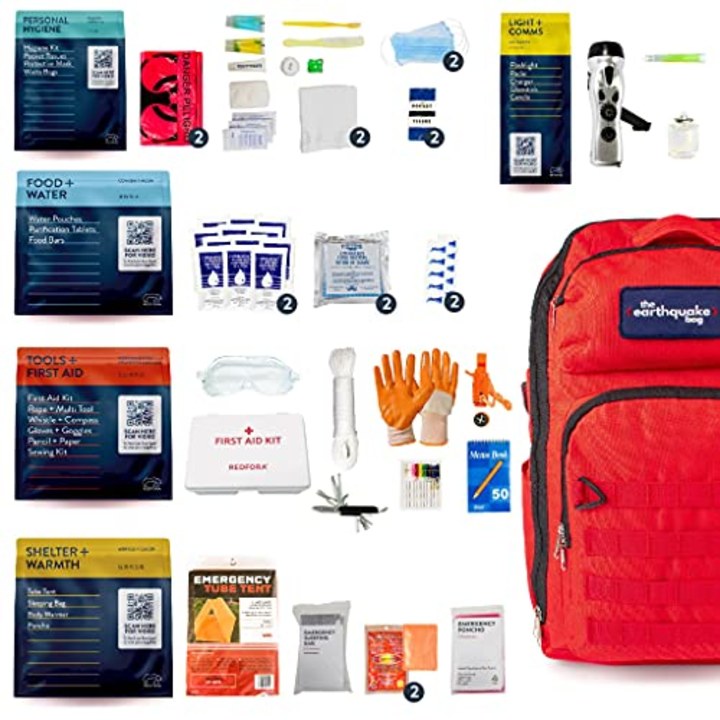
Credit: m.youtube.com
Storage And Organization
Keeping your survival kit well-organized is as important as choosing the right items. You want to find what you need quickly, especially in emergencies. Proper storage and organization help you avoid wasting time and reduce stress when every second counts.
Durable Backpacks
A strong backpack is your best friend in a survival situation. Look for one made from tough materials like nylon or polyester that can handle rough use and heavy loads.
Multiple compartments make it easier to sort items. You can separate first aid supplies from food or tools, so you don’t have to dig through everything to find what you need.
Consider padded straps and back support for comfort if you need to carry your kit long distances. Personal experience taught me that an uncomfortable pack can slow you down and drain your energy fast.
Waterproof Containers
Waterproof containers protect your gear from rain, spills, and humidity. Keeping your items dry is crucial for things like matches, electronics, and food.
Choose containers that seal tightly and are made from sturdy plastic or metal. Transparent ones help you quickly spot what’s inside without opening them.
Organize smaller essentials like pills, batteries, or fishing hooks in these containers to avoid losing them. Have you ever struggled to find a tiny item in a messy bag? Waterproof containers solve that problem perfectly.

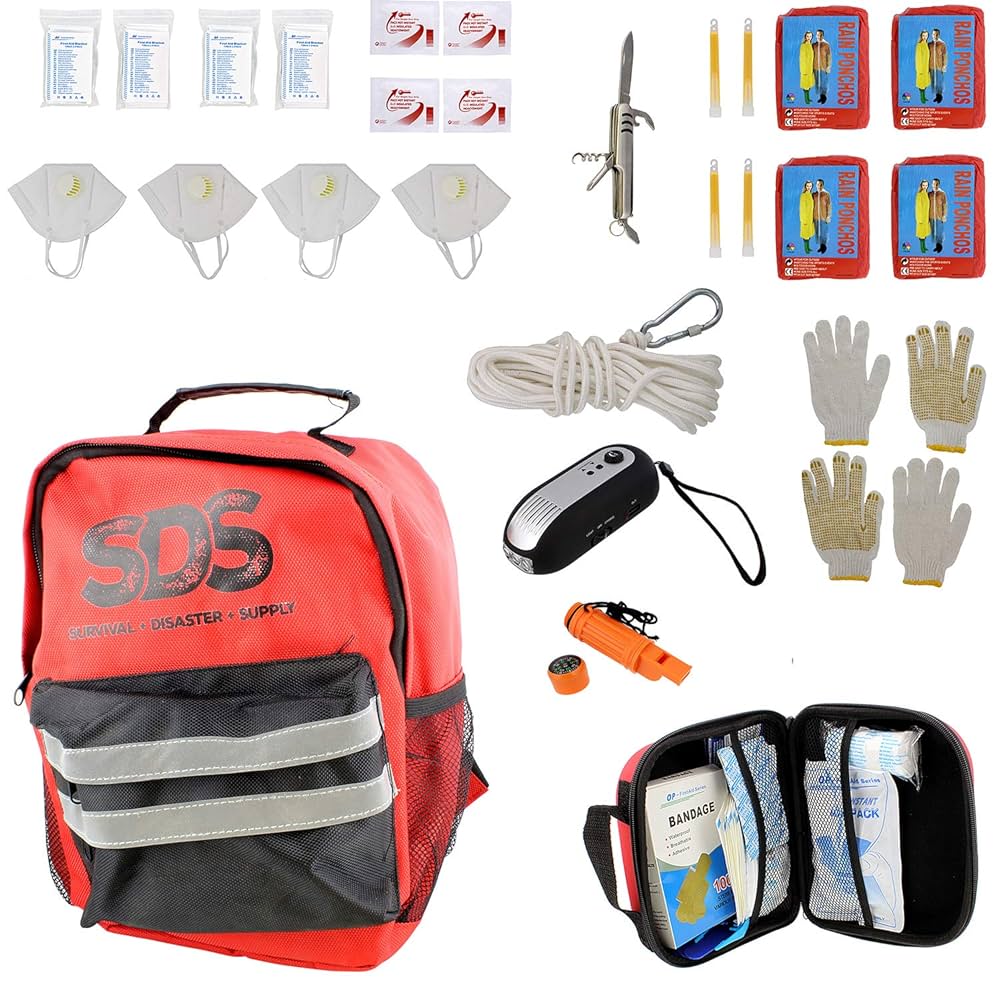
Credit: www.amazon.com
Frequently Asked Questions
What Are The Essential Items In A Survival Kit?
A survival kit must include water, food, first aid supplies, fire starters, and a reliable knife. These basics ensure safety, hydration, and nourishment during emergencies. Additionally, a flashlight, whistle, and emergency blanket improve chances of rescue and warmth.
How Much Water Should Be In A Survival Kit?
A survival kit should contain at least one liter of water per person per day. Water is vital for hydration and health. Including water purification tablets or filters is also recommended to ensure safe drinking water.
Why Is A First Aid Kit Important In Survival Gear?
A first aid kit treats injuries and prevents infection, crucial in emergencies. It should have bandages, antiseptics, pain relievers, and any personal medications. Quick medical care can save lives and reduce complications in survival situations.
What Food Types Are Best For Survival Kits?
Non-perishable, high-energy foods like protein bars, dried fruits, nuts, and freeze-dried meals are ideal. These foods are lightweight, nutrient-dense, and have a long shelf life, ensuring sustained energy during emergencies.
Conclusion
A survival kit holds crucial tools for emergencies. Essential items make a difference. Always include water, food, and a first aid kit. Add a flashlight for nighttime safety. A whistle can signal for help. Matches or a lighter help start fires.
A map guides you when technology fails. Pack a multi-tool for various tasks. Remember, every item counts. Preparing a kit today ensures readiness. Stay safe and smart with your survival kit. Your future self will thank you.