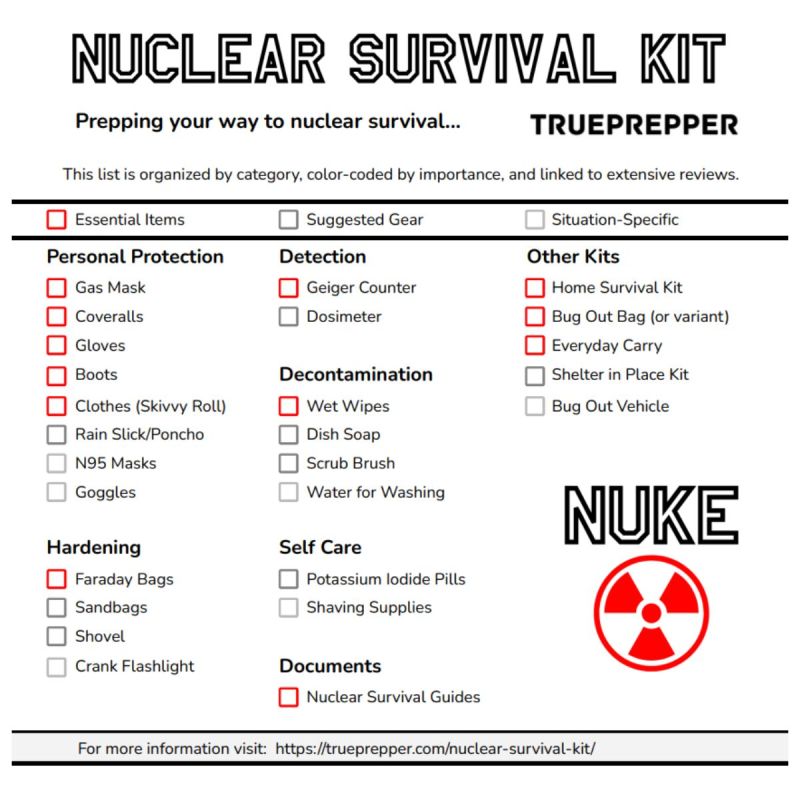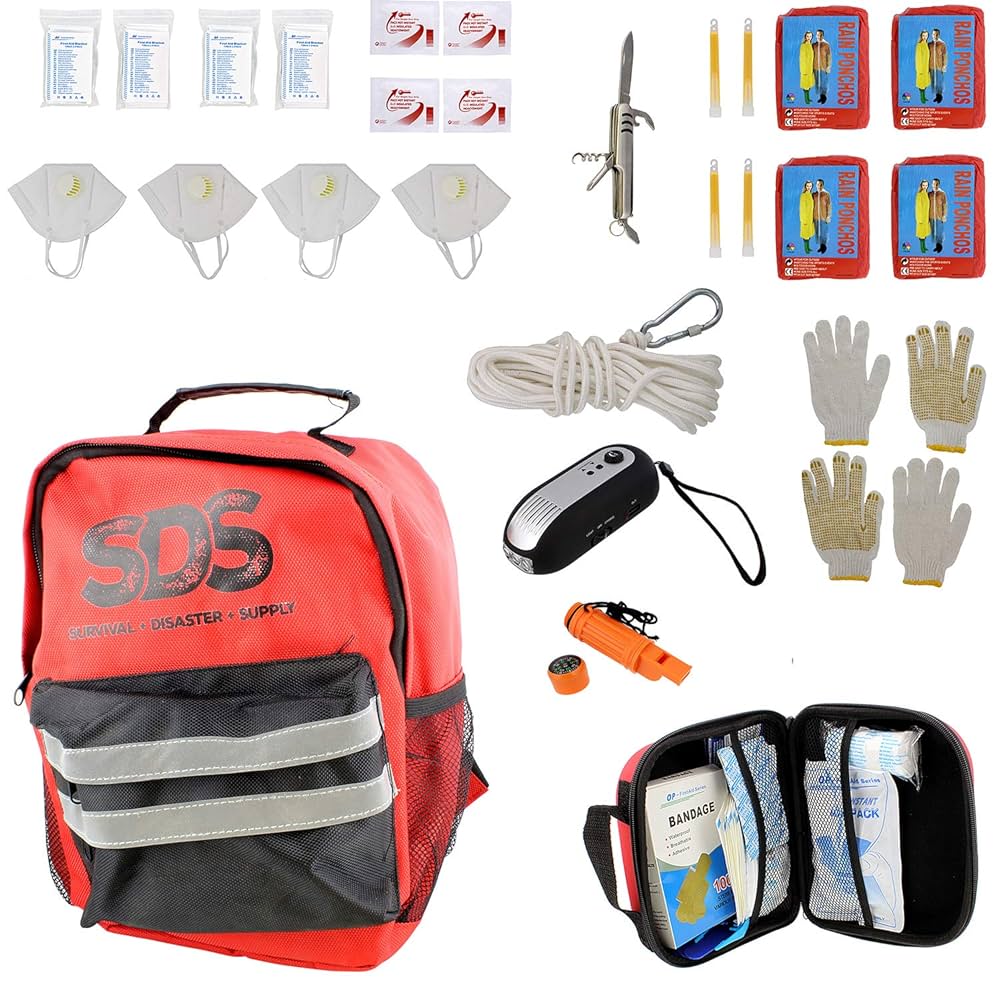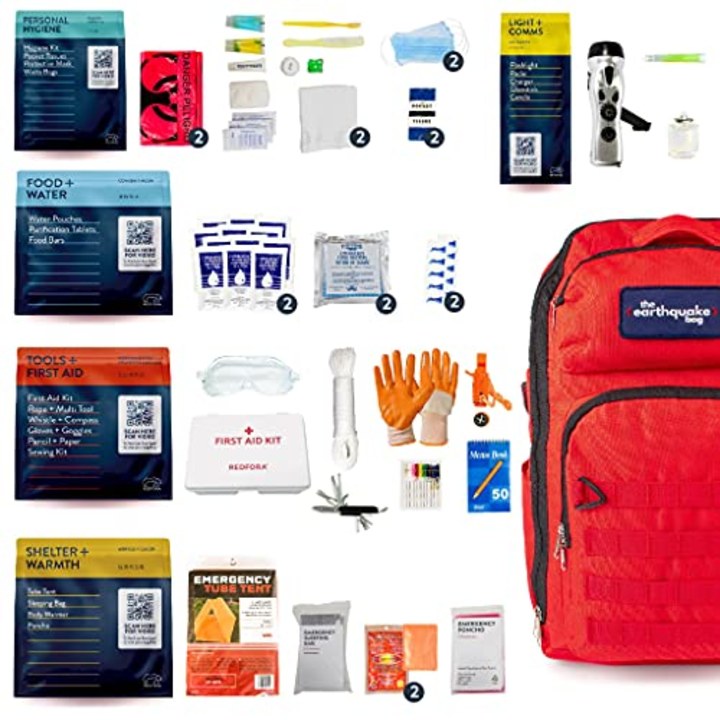
When an earthquake strikes, every second counts. Are you truly prepared to keep yourself and your loved ones safe?
Having the right earthquake survival kit can make all the difference between panic and control. But what exactly should you have in your kit to face this sudden challenge? Keep reading, because knowing what to pack could save your life when it matters most.

Credit: www.amazon.ca
Basic Supplies
Having the right basic supplies in your earthquake survival kit can make a huge difference when disaster strikes. These essentials keep you alive, comfortable, and safe until help arrives. Let’s look at the core items you must include to be truly prepared.
Water And Hydration
Water tops the list because your body can only survive a few days without it. Store at least one gallon of water per person per day for a minimum of three days. Don’t forget to include water purification tablets or a portable filter; clean water might not be available immediately after an earthquake.
Think about your specific needs: Do you have children or pets? They may need extra water. Have you checked expiration dates lately? Regularly refreshing your water supply ensures it’s safe to drink when you need it most.
Non-perishable Food
Choose foods that don’t spoil easily and require no refrigeration or cooking. Canned beans, peanut butter, dried fruits, and energy bars are excellent choices. Include a manual can opener—electric ones won’t work if the power is out.
Consider your dietary restrictions or preferences. Would you need gluten-free or vegan options? Packing foods you actually like increases the chance you’ll eat enough to maintain energy during stressful times.
First Aid Kit
A well-stocked first aid kit is crucial for treating injuries until medical help arrives. Include bandages, antiseptic wipes, tweezers, scissors, and pain relievers. Add any personal medications and allergy treatments you or your family members require.
Have you ever tried to use a first aid item under stress? Label items clearly and practice basic first aid skills to boost your confidence. This preparation can transform a scary situation into something you’re ready to handle.
Tools And Equipment
Tools and equipment are vital parts of any earthquake survival kit. These items help you manage emergencies and stay safe. They allow you to see in the dark, make repairs, and signal for help. Having the right tools can make a big difference in stressful situations.
Flashlights And Batteries
Light is essential after an earthquake. Flashlights help you move safely in the dark. Choose LED flashlights for longer battery life. Always carry extra batteries to avoid running out of power. Keep flashlights in an easy-to-reach place in your kit.
Multi-tool And Knife
A multi-tool is a small device with many useful functions. It often includes pliers, screwdrivers, and scissors. A sharp knife helps with cutting tasks. These tools assist in opening cans, fixing gear, and making shelter. Pick sturdy, reliable tools that fit well in your hand.
Whistle And Signal Devices
Making noise can save your life if trapped. A whistle is loud and uses little energy. It can attract rescuers’ attention from far away. Signal mirrors or small lights also help in signaling. Keep these devices handy to call for help quickly.
Personal Items
Your earthquake survival kit isn’t just about food and water; personal items play a crucial role in keeping you comfortable and secure during a crisis. These essentials help maintain your dignity, health, and peace of mind when everything else feels uncertain. Think about what you would need to feel safe and prepared beyond basic survival.
Important Documents
Keep copies of vital documents in a waterproof bag. Include your ID, insurance papers, medical records, and emergency contact information. Having these handy can speed up recovery efforts and reduce stress if you need to prove your identity or access services.
Consider adding digital backups stored on a USB drive or cloud service, but remember that access depends on your connectivity. How would you prove your identity if everything in your home was destroyed?
Clothing And Blankets
Pack extra clothing suitable for the season and sturdy shoes to protect your feet from debris. Include a warm blanket or sleeping bag to keep you warm during cold nights or if you have to sleep outside. Layers are key—temperatures can change quickly after an earthquake.
Think about the last time you were caught in bad weather without proper clothing. How uncomfortable and vulnerable did you feel? Your kit should prevent that discomfort in a disaster.
Hygiene Products
Maintaining hygiene prevents illness and keeps you feeling human during tough times. Stock up on items like soap, toothbrush, toothpaste, feminine hygiene products, and hand sanitizer. Even a small pack of wet wipes can make a big difference.
Don’t forget to include any personal medications or items you use daily. How would you manage without these basics when access to stores or clean water is limited?
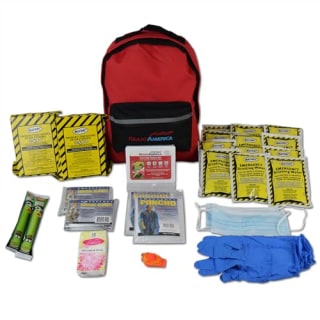
Credit: www.nbcnews.com
Communication And Navigation
Communication and navigation tools are essential in an earthquake survival kit. They help you stay informed and find your way if roads and signals fail. Reliable devices and simple tools can make a big difference in emergencies.
Battery-powered Radio
A battery-powered radio keeps you updated on emergency news and weather alerts. It works without electricity, making it vital during power outages. Choose one with multiple bands to receive local and national broadcasts.
Maps And Compass
Paper maps and a compass help you navigate if GPS devices fail. Mark safe routes and meeting points on your maps before an earthquake. Knowing how to use a compass ensures you can find your direction anywhere.
Mobile Phone Chargers
Chargers keep your phone powered to call for help and get updates. Portable power banks are useful because they work without outlets. Keep chargers fully charged and store them in an easy-to-reach spot in your kit.
Safety And Protection
Keeping yourself safe after an earthquake means more than just having water and food. Your survival kit must include items that protect your body from immediate dangers. Safety and protection gear helps you avoid injuries from sharp debris, dust, and unstable structures, giving you a better chance to stay unharmed.
Dust Masks And Gloves
Dust masks are crucial when the air is filled with dust and particles from collapsed buildings. They help you breathe cleaner air and prevent lung irritation. Pair masks with sturdy gloves to protect your hands from sharp objects and rough surfaces while moving through rubble or clearing debris.
Have you ever tried to clear a broken window without gloves? It’s easy to get cuts that could worsen if untreated. Keeping these items handy means you can act safely and quickly.
Sturdy Shoes
Wearing strong, closed-toe shoes can prevent foot injuries from nails, glass, and other sharp objects scattered on the ground. You might think a pair of sneakers is enough, but boots with thick soles offer far better protection. Think about how a broken bottle or a sharp rock could stop you from moving quickly—your shoes are your first line of defense.
Don’t wait until an emergency to check your footwear. Keep a reliable pair in your kit ready to wear at a moment’s notice.
Emergency Shelter Materials
Sometimes, your safest place after an earthquake is a temporary shelter. Include lightweight tarps, emergency blankets, or even a compact tent in your kit. These materials shield you from the elements if your home becomes unsafe or uninhabitable.
Imagine being exposed to rain or cold without any cover—your risk of getting sick increases dramatically. Having shelter materials can make a huge difference in your comfort and safety during uncertain hours or days.
Special Needs And Extras
Special needs and extras are vital in an earthquake survival kit. They ensure comfort and safety beyond basic supplies. Each person has unique requirements that must be considered. Preparing for these needs can reduce stress and health risks during emergencies.
Medications And Prescriptions
Include a supply of essential medications. Pack enough for at least a week. Store copies of prescriptions in a waterproof bag. Consider over-the-counter pain relievers and allergy medicine. Keep a list of medical conditions and allergies with the kit.
Baby And Pet Supplies
Babies need diapers, formula, and baby food. Pack extra clothes and blankets for warmth. For pets, include food, water, and a leash. Carry any pet medicines and vaccination records. Comfort items help reduce stress for little ones and pets.
Cash And Small Change
Electric systems may fail during an earthquake. ATMs and cards might not work. Keep cash in small bills and coins. Store money in a secure but accessible place. This helps buy essentials if electronic payments are unavailable.

Credit: earthquakekit.biz
Frequently Asked Questions
What Essential Items Are Needed In An Earthquake Survival Kit?
An earthquake survival kit must include water, non-perishable food, a flashlight, batteries, a first aid kit, and a whistle. These items help you stay safe, hydrated, and communicate during emergencies. Additionally, include important documents, cash, and sturdy shoes for safety and convenience.
How Much Water Should Be In An Earthquake Survival Kit?
Store at least one gallon of water per person per day. This supply should cover a minimum of three days. Water is vital for drinking, cooking, and hygiene during an earthquake emergency. Always check and replace water regularly to keep it fresh.
Why Include A First Aid Kit In An Earthquake Kit?
A first aid kit helps treat minor injuries immediately after an earthquake. It contains bandages, antiseptics, pain relievers, and necessary medications. Quick treatment can prevent infections and complications. Being prepared with a first aid kit can save lives and reduce hospital visits.
Should I Include Communication Tools In The Survival Kit?
Yes, include a whistle, battery-powered radio, and extra batteries. These tools help you stay informed and signal for help. Communication devices are essential when mobile networks may be down. They increase your chances of rescue and staying updated during disasters.
Conclusion
A well-prepared earthquake kit saves lives. Keep essentials ready. Water, food, and a flashlight. Add a first-aid kit and warm clothes. Don’t forget personal items. Medications or important documents. Regularly check and update your kit. Ensure everything works. An organized kit means safety.
Practice earthquake drills with family. Knowing what to do helps. Stay informed about local safety guidelines. Your preparedness can make a big difference. Protect yourself and loved ones. Stay safe and be ready.