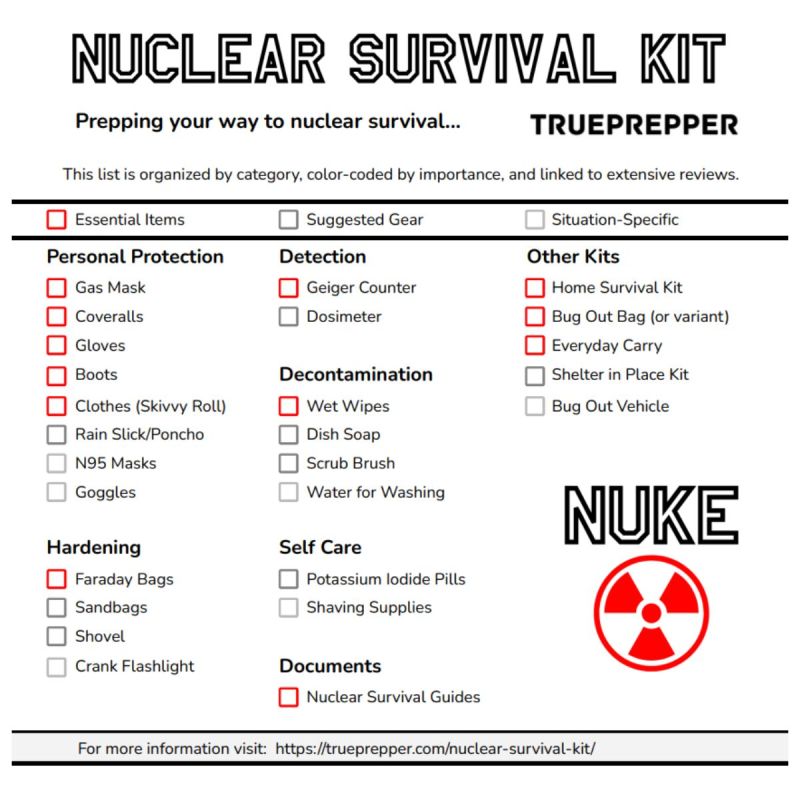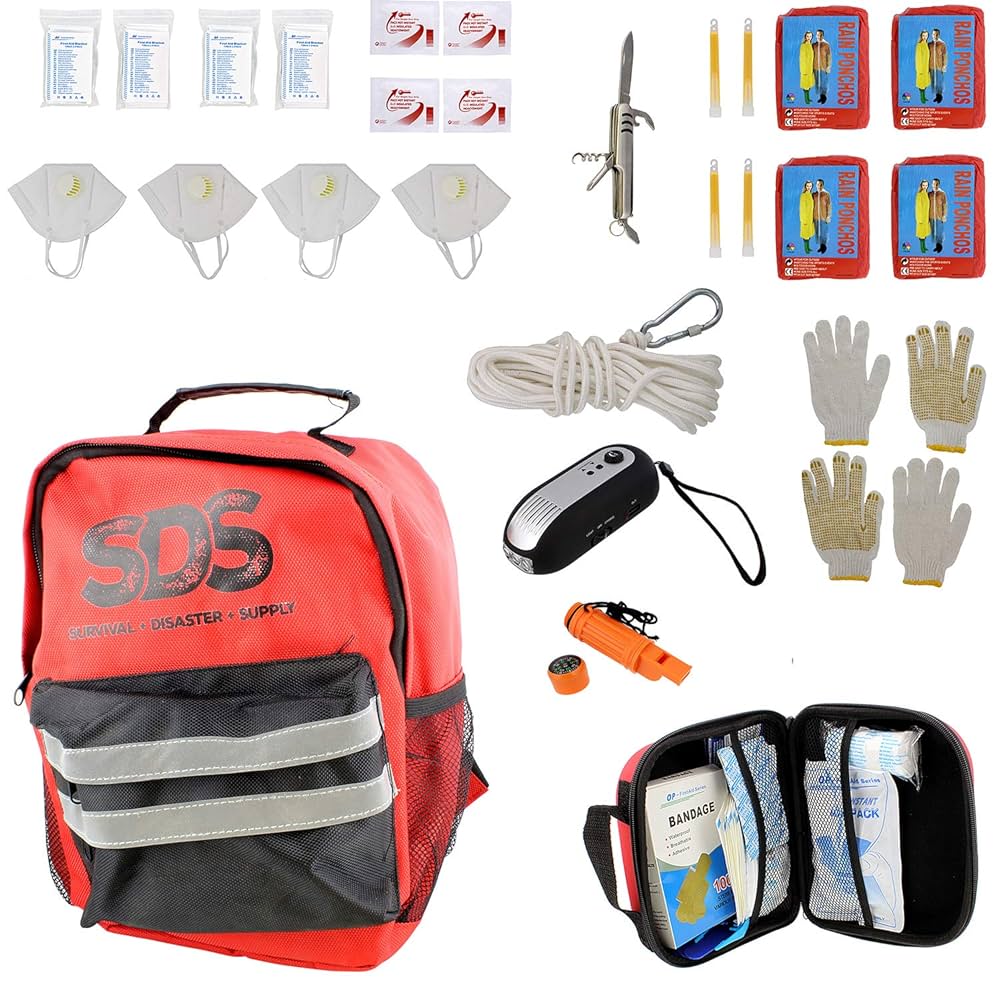
Imagine facing an unexpected emergency with no help nearby. What would you do?
Having a well-packed survival kit could be the difference between staying safe and struggling to get by. But what exactly should be inside your survival kit to keep you prepared for anything? Keep reading, because knowing the right items to include can give you peace of mind and confidence when the unexpected happens.
Let’s dive into the essentials you need to have on hand, so you’re never caught off guard.
Basic Survival Essentials
Having a survival kit ready means you’re prepared for unexpected situations. But what exactly should you pack to cover your basic needs? The essentials focus on keeping you alive by addressing water, food, shelter, and health. Let’s break down these core elements so you can build a kit that truly works when you need it most.
Water And Hydration Tools
Water is your top priority. You need a way to store and purify it because drinking unsafe water can cause serious illness.
- Water bottles or collapsible containers:Choose durable, lightweight options to carry enough water.
- Water purification methods:Pack water purification tablets, a portable filter, or even a small UV purifier.
- Extra hydration aids:Consider electrolyte powders to prevent dehydration and maintain energy.
Think about the environments you might find yourself in—will you have access to natural water sources? If yes, purification is crucial. Can you carry enough water for the first 24-48 hours? That’s a good baseline to start with.
Food And Nutrition Supplies
Your body needs fuel, especially under stress. Pack non-perishable, high-energy foods that don’t require cooking.
- Energy bars and trail mix:Compact, calorie-dense, and easy to eat on the go.
- Freeze-dried meals:Lightweight and long-lasting; just add water if you have a heat source.
- Comfort snacks:Small treats like chocolate or dried fruit can boost morale.
How long do you expect to be self-sufficient? Your food supplies should reflect that. Remember, variety helps prevent food fatigue, which can affect your willingness to eat when it’s critical.
Shelter And Warmth
Protecting yourself from the elements can be a lifesaver. Carry compact, effective tools to create shelter and retain body heat.
- Emergency blanket or bivvy sack:These reflect your body heat and take up minimal space.
- Tarp or lightweight tent:Provides quick shelter from rain, wind, and sun.
- Fire-starting kit:Waterproof matches, lighters, and fire starters to keep warm and signal for help.
Have you ever experienced a cold night outdoors? Even a small heat source changes everything. Your survival kit should help you build a barrier against cold and wet conditions quickly.
First Aid Components
Injuries happen when you least expect them. A well-stocked first aid section can prevent minor wounds from becoming major problems.
- Basic supplies:Bandages, antiseptic wipes, adhesive tape, and gauze pads.
- Medications:Pain relievers, antihistamines, and any personal prescriptions.
- Tools:Tweezers, scissors, and a CPR mask.
Think about your own health needs and possible risks in your environment. Would you know how to treat a cut or insect bite? Having the right supplies ready gives you the confidence to act fast.
Tools For Navigation And Signaling
Tools for navigation and signaling are essential in any survival kit. They help you find your way and alert rescuers to your location. These tools increase your chances of staying safe and being found quickly.
Compasses And Maps
A compass guides you in the right direction even without GPS. It helps you stay on track in forests, deserts, or unfamiliar areas. Pair a compass with a detailed map of your region. Maps show roads, trails, water sources, and landmarks. Together, they provide reliable navigation without batteries or signal.
Emergency Whistles And Mirrors
Whistles are loud and carry far, making them ideal for signaling. Use short, sharp blasts to attract attention. Mirrors reflect sunlight and create bright flashes visible from long distances. Both tools require little effort but can save your life. Keep them within easy reach in your survival kit.
Flashlights And Batteries
Flashlights offer light in darkness and signal to rescuers. Choose a compact, durable flashlight with bright LED bulbs. Carry extra batteries to avoid being left in the dark. Store batteries separately to prevent damage. A reliable light source boosts safety during night or low visibility conditions.
Fire Starting Materials
Fire starting materials are a crucial part of any survival kit. They help you create warmth, cook food, and signal for help. Having reliable fire starters can make a huge difference when you’re in a tough situation.
Lighters And Matches
A simple lighter can be a lifesaver. Choose a waterproof or windproof lighter to ensure it works in harsh conditions. Matches are also essential, but regular matches can get soggy and useless, so pack waterproof or stormproof matches instead.
Keep these items in a sealed plastic bag or a small waterproof container to protect them from moisture. Carrying both lighters and matches gives you backup options if one fails. Have you ever tried striking a match in heavy rain? Waterproof matches can be a real game changer.
Fire Starters And Tinder
Fire starters help ignite your fire quickly and easily. Commercial fire starters, like wax-coated cotton balls or fire sticks, burn longer and catch sparks better than dry leaves. You can also use natural tinder such as dry grass, pine needles, or birch bark.
Store your tinder in a dry, accessible spot inside your survival kit. When I was caught in a damp forest, having cotton balls soaked in petroleum jelly saved me hours of struggling to get a fire going. What kind of fire starter would you trust in a survival scenario?
Safe Fire Handling Gear
Protect yourself and your surroundings when handling fire. Include a small metal container or fireproof gloves to safely manage hot embers or burning materials. A compact, foldable shovel can help you clear space or extinguish fires quickly.
Carrying a lightweight fire extinguisher or a bottle of water can prevent accidents from spreading. Handling fire safely isn’t just about starting it; it’s about controlling and putting it out responsibly. How prepared are you to manage fire risks in the wild?
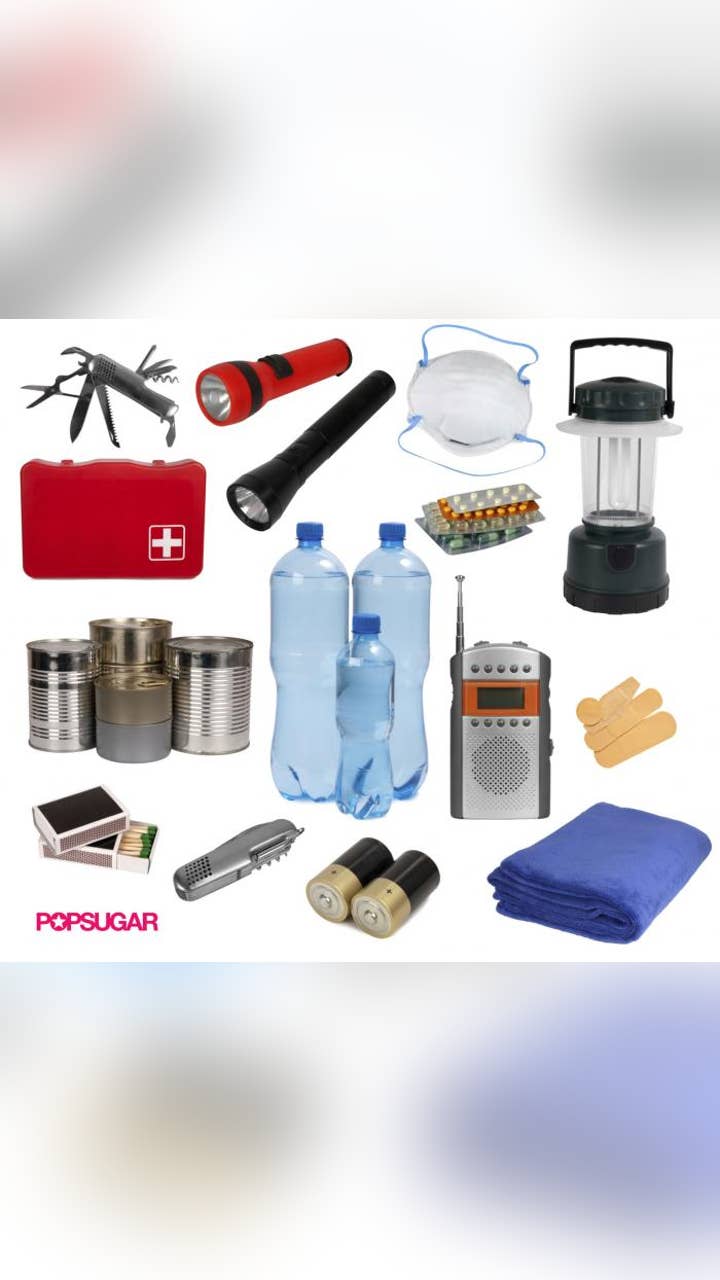
Credit: www.foxnews.com
Personal Safety And Hygiene
Personal safety and hygiene are key to survival in any emergency. Staying clean helps prevent illness and infections. Protecting your body from harsh conditions reduces injuries. A well-packed survival kit must include items that support both safety and hygiene.
Protective Clothing
Clothing shields your body from weather and hazards. Include durable items like:
- Waterproof jacket and pants
- Sturdy gloves
- Warm hat and socks
- Sun-protective clothing
- Comfortable, strong footwear
These help avoid cuts, burns, and hypothermia. Proper clothing keeps you dry and warm.
Sanitation Supplies
Cleanliness stops germs from spreading. Pack essentials such as:
- Antibacterial wipes and soap
- Hand sanitizer with at least 60% alcohol
- Toothbrush and toothpaste
- Small towel or washcloth
- Feminine hygiene products
- Trash bags for waste
These items help maintain body cleanliness and comfort. Dispose of waste safely to protect your environment.
Insect Repellents
Bugs can carry disease and cause discomfort. Bring insect repellents like:
- DEET-based sprays or lotions
- Insect repellent wipes
- Permethrin-treated clothing or gear
- Mosquito netting for sleeping
Use repellents regularly to avoid bites. Protecting skin reduces the risk of infections.
Multipurpose Tools And Equipment
Multipurpose tools and equipment are the backbone of any effective survival kit. They save space and weight while offering multiple functions that can help you handle unexpected challenges. Choosing the right tools means you can adapt quickly and solve problems without carrying a heavy load.
Knives And Multi-tools
A sharp, reliable knife is essential. It can be used for cutting rope, preparing food, or even self-defense. A good survival knife should be sturdy and easy to maintain.
Multi-tools combine several functions into one compact device. Look for one with pliers, screwdrivers, scissors, and a knife blade. These tools can replace several single-purpose items, giving you versatility without extra bulk.
Cordage And Tape
Cordage is incredibly useful in survival situations. Paracord is a popular choice because it is strong, lightweight, and can be unraveled for many uses like building shelter or making traps. Always have at least 10-20 feet of cordage in your kit.
Tape can fix, seal, or secure almost anything. You might think of duct tape first, but also consider electrical tape or medical tape depending on your needs. These can temporarily fix gear, protect wounds, or even create makeshift tools.
Duct Tape And Repair Kits
Duct tape deserves a special mention because of its endless uses. It can patch holes in tents, fix broken straps, or even make emergency bandages. Carry a small roll or wrap some around a credit card to keep it compact.
A basic repair kit with needles, thread, safety pins, and small tools can extend the life of your clothing and gear. Have you ever faced a ripped backpack strap or a torn jacket in the wild? A simple repair kit can turn a potential disaster into a minor inconvenience.
Important Documents And Money
Your survival kit isn’t just about tools and food—it also needs to protect your identity and financial resources. Important documents and money can be lifesavers in emergencies where access to your regular resources is cut off. Having these items organized and accessible helps you stay one step ahead when disaster strikes.
Identification Papers
Always include copies of your essential ID papers in your survival kit. This means passports, driver’s licenses, birth certificates, and any other official documents you might need to prove who you are.
Keep these documents in a waterproof and fireproof pouch. Imagine being displaced and unable to prove your identity—this simple step could make all the difference in getting help or crossing borders.
Emergency Contacts
Write down important phone numbers and addresses on paper, not just in your phone. This list should include family members, close friends, doctors, and local emergency services.
Phones can die or get lost. Having a physical list ensures you can still reach out for help no matter what happens to your electronics.
Cash And Cards
Don’t rely solely on digital payments. Keep some cash in small bills in your kit for places that don’t accept cards or when electronic systems fail.
Include at least one credit or debit card, but keep it separate from your cash to reduce risk. Think about how you’d buy gas, food, or medicine if ATMs are down—having multiple payment options is crucial.
Additional Survival Extras
Survival kits should have basic tools, but extra items boost safety and comfort. These additional survival extras prepare you for tough situations.
They help keep you warm, informed, and connected. Consider these items to improve your survival chances.
Emergency Blankets
Emergency blankets are thin and lightweight. They trap body heat and block wind. Use them to stay warm in cold weather. They also protect against rain and moisture. Compact design fits easily in any kit.
Local Wildlife Guides
Local wildlife guides help identify plants and animals. They show which ones are safe or dangerous. Guides can include small books or waterproof cards. Knowing local wildlife reduces risks during outdoor survival. It helps find food and avoid threats.
Portable Chargers
Portable chargers keep your devices powered. They work for phones, GPS, and flashlights. Having power means staying connected and finding help. Choose chargers with solar panels or high battery capacity. They are essential for long trips or emergencies.
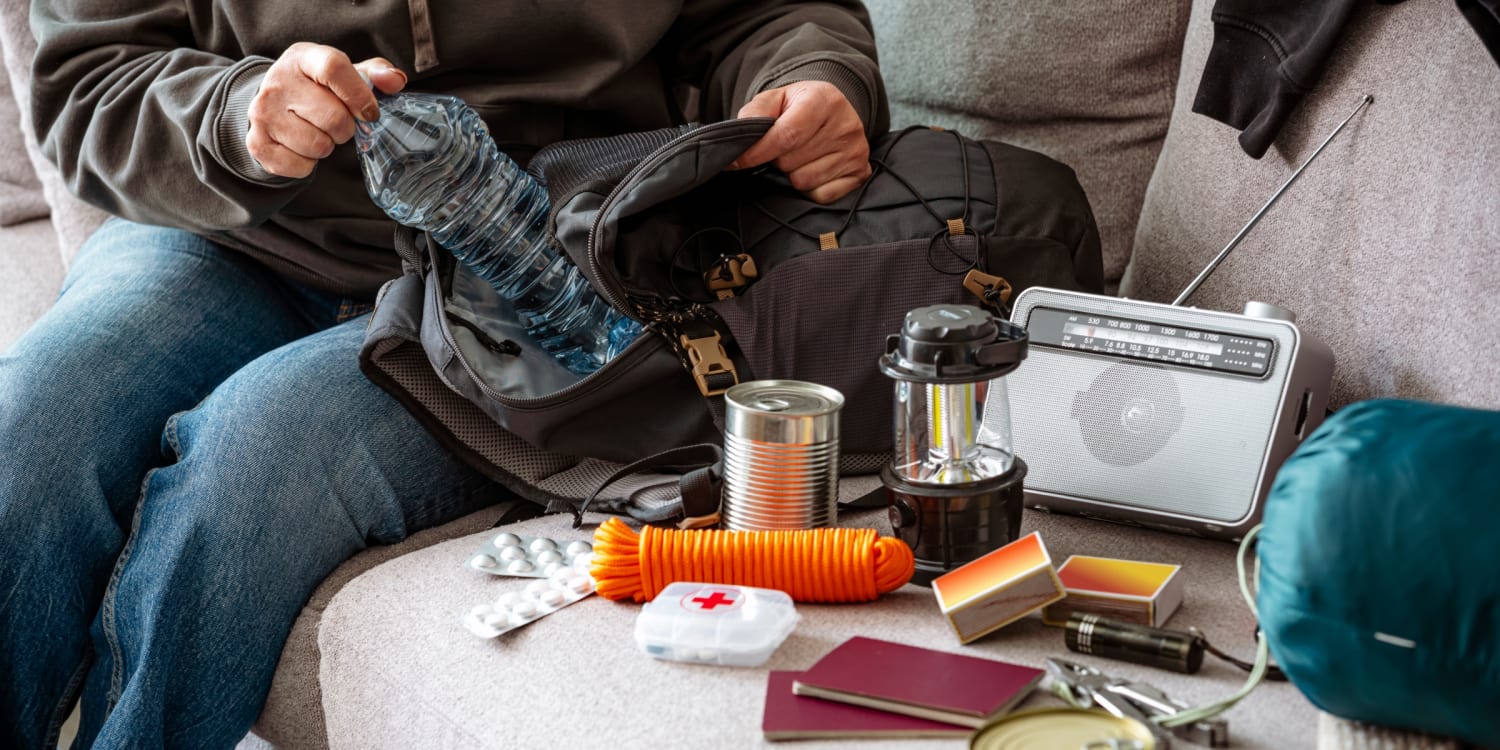
Credit: www.nbcnews.com
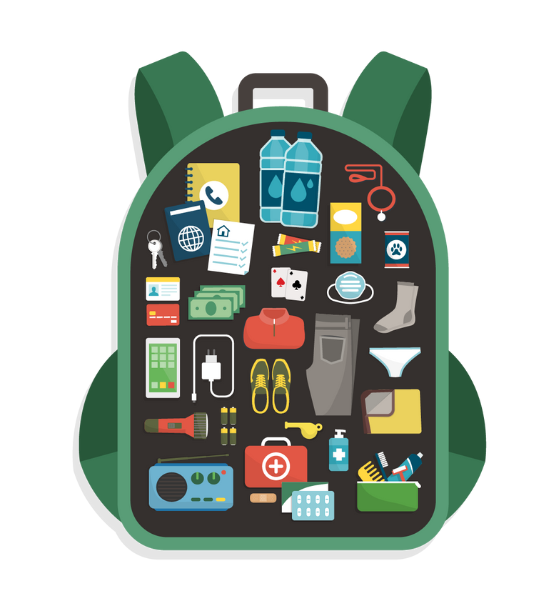
Credit: www.victoria.ca
Frequently Asked Questions
What Essential Items Should A Survival Kit Include?
A survival kit must have water, food, first aid supplies, and a reliable knife. Include a flashlight, matches, and a whistle for emergencies. These basics ensure safety, hydration, and communication during survival situations.
How Much Water Is Needed In A Survival Kit?
Carry at least one liter of water per person per day. Water is vital for hydration and survival. Include water purification tablets or a filter to ensure safe drinking water in emergencies.
Why Is A First Aid Kit Important In Survival Kits?
A first aid kit treats injuries and prevents infections. It contains bandages, antiseptics, pain relievers, and tweezers. Immediate medical care can save lives and reduce complications in survival scenarios.
Should A Survival Kit Include Tools For Shelter Building?
Yes, include a compact tarp, rope, and a multi-tool. These help create shelter and protect from harsh weather. Shelter is crucial for warmth and safety during emergencies.
Conclusion
A well-prepared survival kit can make a huge difference. Essential items ensure safety and readiness. Choose durable tools for long-lasting use. Include food, water, and first aid supplies. Remember, space and weight matter. Pack smartly to avoid burdens. Regularly check and update your kit.
Situations change; so should your preparedness. Keep your kit accessible at all times. Knowledge of its contents boosts confidence. Stay prepared, stay safe.