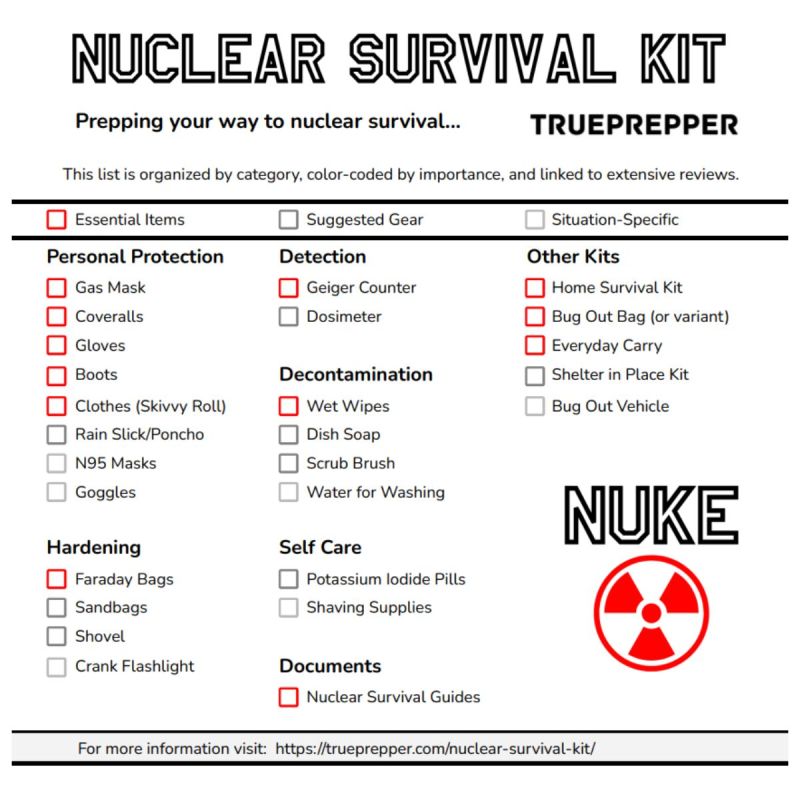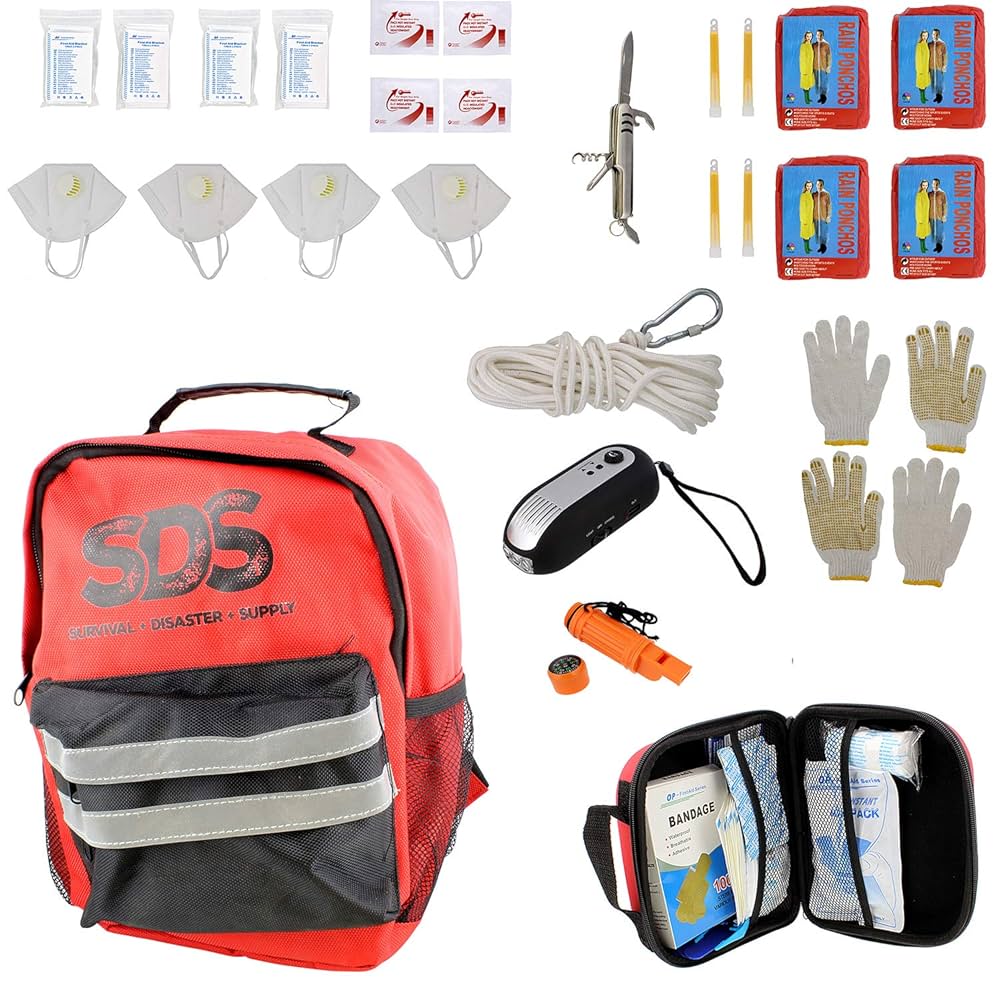
Imagine facing an unexpected situation where you need to rely on yourself. What would you reach for first?
Your survival kit could be the key to staying safe and calm. But do you know exactly what should go in your survival kit to make it truly useful? This guide will help you pack the right items, so you’re ready for anything.
Keep reading to discover the essential gear that could make all the difference when it matters most.
Basic Survival Tools
Basic survival tools form the heart of any survival kit. These tools help you handle everyday challenges and emergencies. They make tasks easier and increase your chances of staying safe. Choosing reliable and versatile tools is key. Keep your kit light but packed with essentials that serve multiple purposes.
Multi-tool And Knife
A good multi-tool combines many functions in one device. It usually includes pliers, screwdrivers, scissors, and a knife blade. A strong knife is vital for cutting, preparing food, and self-defense. Choose a knife with a sharp, durable blade. The multi-tool saves space and weight in your kit.
Fire Starters
Fire is essential for warmth, cooking, and signaling for help. Carry several fire starters to ensure you can create fire in any condition. Waterproof matches, a lighter, and a magnesium fire starter are reliable options. Practice using them before you need them. Keep them dry and accessible in your kit.
Emergency Shelter
An emergency shelter protects you from the elements. It can be a compact tarp, a space blanket, or a lightweight tent. Choose materials that are easy to carry and quick to set up. Shelter keeps you dry and warm, which helps prevent hypothermia. Always include a small, reliable shelter in your survival kit.
Water And Hydration
Water is the cornerstone of any survival kit. Without it, your body cannot function properly, and dehydration can set in quickly, especially under stressful conditions. Keeping yourself hydrated is more than just having water on hand; it’s about ensuring that water is safe and accessible whenever you need it.
Water Purification Methods
Not all water sources are safe to drink directly. You need reliable ways to purify water to avoid harmful bacteria and parasites.
- Boiling:Boiling water for at least one minute kills most pathogens. It’s simple but requires a heat source.
- Water Filters:Portable filters remove impurities and microbes. Look for ones with a pore size of 0.2 microns or less.
- Purification Tablets:These contain chemicals like iodine or chlorine dioxide. They’re lightweight and easy to carry but need time to work.
- UV Light Purifiers:Small devices that use ultraviolet light to kill bacteria and viruses. They require batteries but work fast.
Have you tested these methods before? It’s crucial to practice with them ahead of time to avoid surprises when you’re in a tough spot.
Portable Water Containers
Carrying water is just as important as purifying it. The right containers make transport and storage easier.
- Collapsible Water Bottles:These save space when empty and are lightweight, perfect for backpacks.
- Durable Plastic Bottles:BPA-free and tough, these bottles resist damage and keep water safe.
- Metal Water Bottles:Stainless steel bottles are sturdy and can be used for boiling water directly inside.
- Hydration Bladders:These fit into backpacks and allow hands-free drinking through tubes, ideal for active situations.
Think about how much water you can realistically carry and the ease of access during an emergency. Sometimes, the best container is the one you can grab quickly and refill on the go.
Food Supplies
Your survival kit’s food supplies need to keep you energized and satisfied without taking up too much space or requiring complicated preparation. Choosing the right foods means focusing on items that stay fresh for a long time and provide essential nutrients. Think about what you can realistically eat on the go and what won’t spoil quickly.
Non-perishable Foods
Non-perishable foods are the backbone of any survival kit. These items don’t need refrigeration and can last for months, sometimes years. Canned beans, dried fruits, nuts, and rice are excellent choices because they offer a good mix of carbohydrates, proteins, and fats.
I once relied on canned tuna during a weekend camping trip when fresh food wasn’t available, and it kept my energy stable. Consider packing items like:
- Canned vegetables and meats
- Dehydrated soups and stews
- Instant oatmeal packets
- Jerky and dried sausage
These foods don’t just last—they’re easy to prepare and eat quickly, which matters when time and resources are limited.
Energy Bars And Supplements
Energy bars and supplements are compact powerhouses that fit perfectly into your survival kit. They deliver quick energy when you need it most, especially during physically demanding situations. Look for bars rich in protein and fiber to keep you feeling full longer.
Supplements like electrolyte tablets can also be lifesavers to maintain hydration balance after sweating or in hot conditions. I always pack a few energy bars in my bag, and they’ve saved me during unexpected long hikes without access to meals. Don’t forget to check expiration dates and replace these items regularly to ensure they remain effective.

Credit: trueprepper.com
First Aid Essentials
First aid essentials form the backbone of any survival kit. They help you handle injuries and prevent infections quickly. Having the right supplies can make a big difference in how you manage emergencies and protect yourself or others.
Bandages And Dressings
Bandages and dressings stop bleeding and protect wounds from dirt and germs. Include various sizes of adhesive bandages for small cuts and scrapes. Larger sterile gauze pads and roller bandages are necessary for deeper wounds or burns.
Think about adding butterfly closures or wound strips to help close small cuts without stitches. Don’t forget adhesive tape to keep dressings firmly in place. You want materials that are easy to apply even in tough conditions.
Medications And Antiseptics
Medications and antiseptics prevent infection and relieve pain. Pack antiseptic wipes, hydrogen peroxide, or iodine solution to clean wounds right away. These help reduce the risk of serious infections that can complicate healing.
Include pain relievers like ibuprofen or acetaminophen to manage discomfort. Allergy medications such as antihistamines can be crucial if unexpected allergic reactions occur. Always check expiration dates and replace items regularly to keep your kit ready.
Communication And Navigation
Communication and navigation tools are essential in any survival kit. They help you stay connected and find your way when lost. Without reliable methods to communicate or navigate, even the best-prepared person can face serious risks.
Emergency Radio
An emergency radio keeps you informed about weather updates, rescue signals, and important news. Choose a model that supports multiple power options like batteries, solar, or hand-crank. This ensures it works even if your batteries die or there’s no sunlight.
Look for radios with NOAA weather alerts and the ability to receive AM/FM stations. Some also include a flashlight and USB charger, which add extra value. Having a radio means you won’t miss critical information when you have no phone signal.
Maps And Compass
Digital GPS devices are helpful, but they can fail without power or signal. That’s why a physical map and a compass are crucial parts of your kit. They don’t rely on batteries and always work if you know how to use them.
Pick maps covering the area you might travel through, including topographic details. Practice reading a compass beforehand so you’re confident in finding directions when it counts. Could you find your way if technology stopped working right now?
Clothing And Protection
Clothing and protection are essential parts of any survival kit. They shield you from harsh weather, insects, and injuries. Choosing the right gear can make a difference between comfort and danger when you’re in the wild.
Weather-appropriate Gear
Pack clothing that matches the climate you expect to face. Lightweight, moisture-wicking fabrics work well for hot, humid environments. In colder areas, layer insulated and waterproof items to stay warm and dry.
Think about how quickly weather can change. A compact rain jacket or poncho can save you from hypothermia during unexpected storms. Also, include a sturdy hat—wide-brimmed for sun protection or insulated for cold conditions.
Protective Accessories
Accessories add crucial layers of defense. Gloves protect your hands from cuts and cold, while durable boots guard your feet on rough terrain. Don’t forget sunglasses to shield your eyes from UV rays and debris.
Consider a neck gaiter or bandana—they can filter dust, provide warmth, or be used as a makeshift bandage. These small items often get overlooked but can prove invaluable in survival situations.
Personal Hygiene Items
Keeping clean is essential when you’re out in the wild or facing an emergency. Personal hygiene items help prevent infections and keep you feeling comfortable. Neglecting hygiene can lead to serious health problems, so packing the right supplies is a smart move.
Sanitation Supplies
Sanitation supplies are the foundation of your hygiene kit. You want items that are compact but effective. Think about including:
- Hand sanitizer:A small bottle with at least 60% alcohol kills most germs quickly.
- Wet wipes:Useful for quick cleanups when water isn’t available.
- Toothbrush and toothpaste:Even a travel-size set can keep your mouth fresh and prevent dental issues.
- Biodegradable soap:Good for washing your body and dishes without harming nature.
- Feminine hygiene products:Include enough supplies for your needs, as these are critical for comfort and health.
Have you ever been in a situation where a simple wipe or hand sanitizer made a huge difference? That quick clean can stop sickness before it starts.
Insect Repellent
Insects can carry diseases and cause painful bites, making insect repellent a must-have. Choose a repellent that suits the environment you expect to face. Options include:
- DEET-based sprays:Highly effective for long-lasting protection.
- Picaridin:A good alternative if you prefer something less harsh on the skin.
- Natural repellents:Such as citronella or eucalyptus oil, though they may require more frequent application.
Don’t underestimate how distracting and uncomfortable insect bites can be. Protecting your skin helps you stay focused and healthy during tough times.
Credit: www.nbcnews.com
Additional Survival Gear
Additional survival gear can make a crucial difference when you face unexpected situations. These items go beyond basic essentials and offer practical ways to stay safe, communicate, and maintain your security. Including the right extra tools means you’re better prepared for challenges you might not anticipate.
Signal Devices
Being able to signal for help can save your life. A whistle is a simple, lightweight tool that can carry sound over long distances, especially if you’re lost or trapped. Brightly colored signal mirrors reflect sunlight and attract attention from far away, even from aircraft.
Consider carrying a small flashlight with a strobe or SOS mode. It can be seen from a distance during nighttime emergencies. How would you get help if you were stranded with no phone signal? Signal devices answer that question clearly.
Cash And Important Documents
In emergencies, electronic payment systems can fail. Having some cash on hand allows you to buy necessities without relying on cards or phones. Keep a small amount of cash in different denominations for versatility.
Storing copies of your ID, insurance papers, and emergency contacts in a waterproof pouch protects them from damage. These documents can be critical when you need assistance or must prove your identity quickly. Have you ever thought about how you’d prove who you are if your wallet got lost in a crisis?

Credit: premierbodyarmor.com
Frequently Asked Questions
What Are The Essential Items In A Survival Kit?
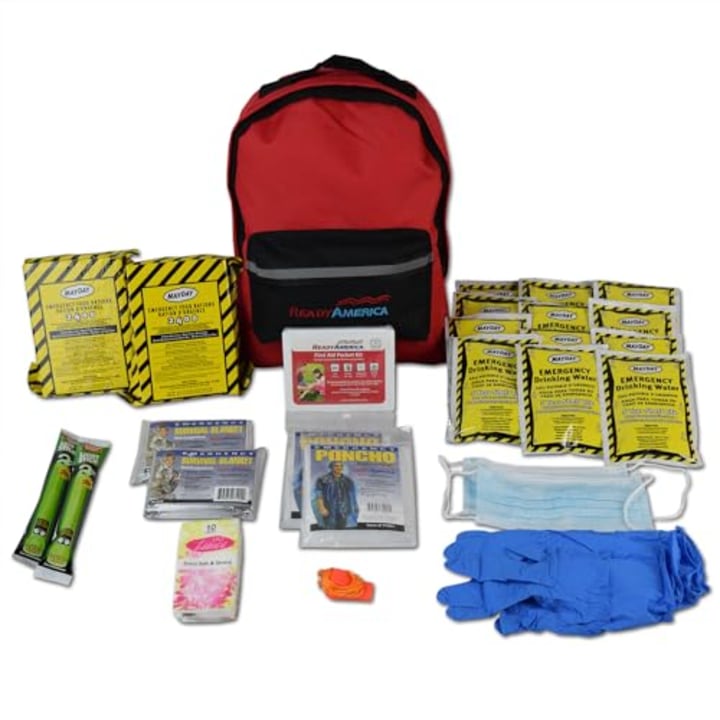
A survival kit should include water, non-perishable food, a first aid kit, and a reliable flashlight. Also pack a multi-tool, fire starters, and emergency blankets to ensure safety and comfort in emergencies.
How Much Water Should A Survival Kit Contain?
Your survival kit should have at least one gallon of water per person per day. This amount covers drinking and basic hygiene for a 72-hour emergency period.
Why Include A First Aid Kit In Your Survival Kit?
A first aid kit helps treat injuries and prevent infections during emergencies. It should contain bandages, antiseptics, pain relievers, and any personal medications.
What Tools Are Vital For Survival In A Kit?
Essential tools include a multi-tool, waterproof matches, a whistle, and a sturdy knife. These items aid in building shelter, signaling for help, and food preparation.
Conclusion
A well-prepared survival kit is essential for safety. Think essentials: water, food, and first aid. Don’t forget tools, like a flashlight and multi-tool. Pack items that suit your environment and potential challenges. Regularly check and update your kit. This ensures it’s ready when needed.
Keep it accessible and easy to carry. In emergencies, being prepared can save lives. Start assembling your kit today. Stay safe, stay ready.