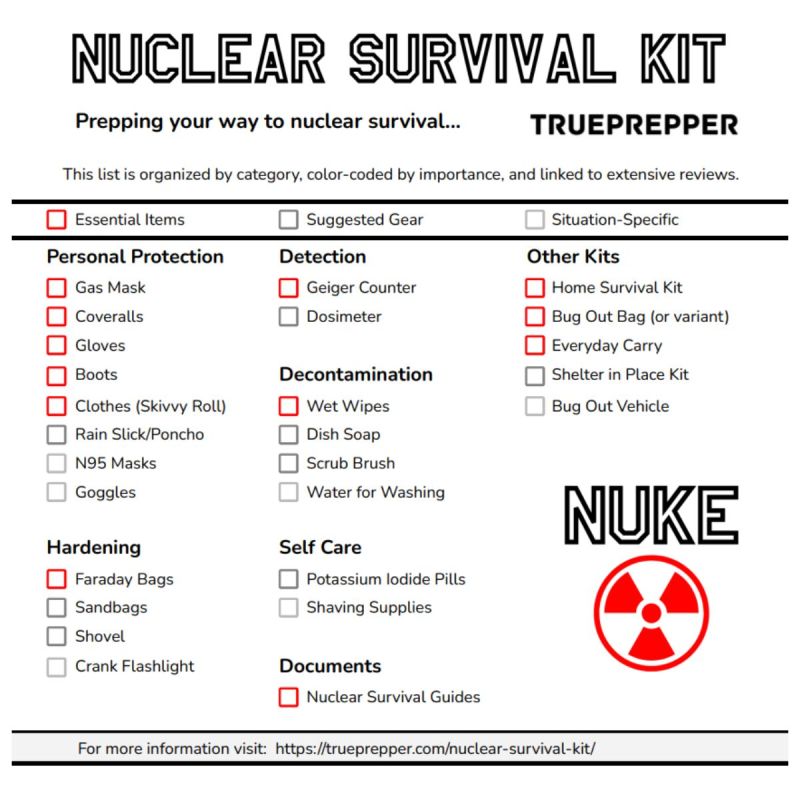
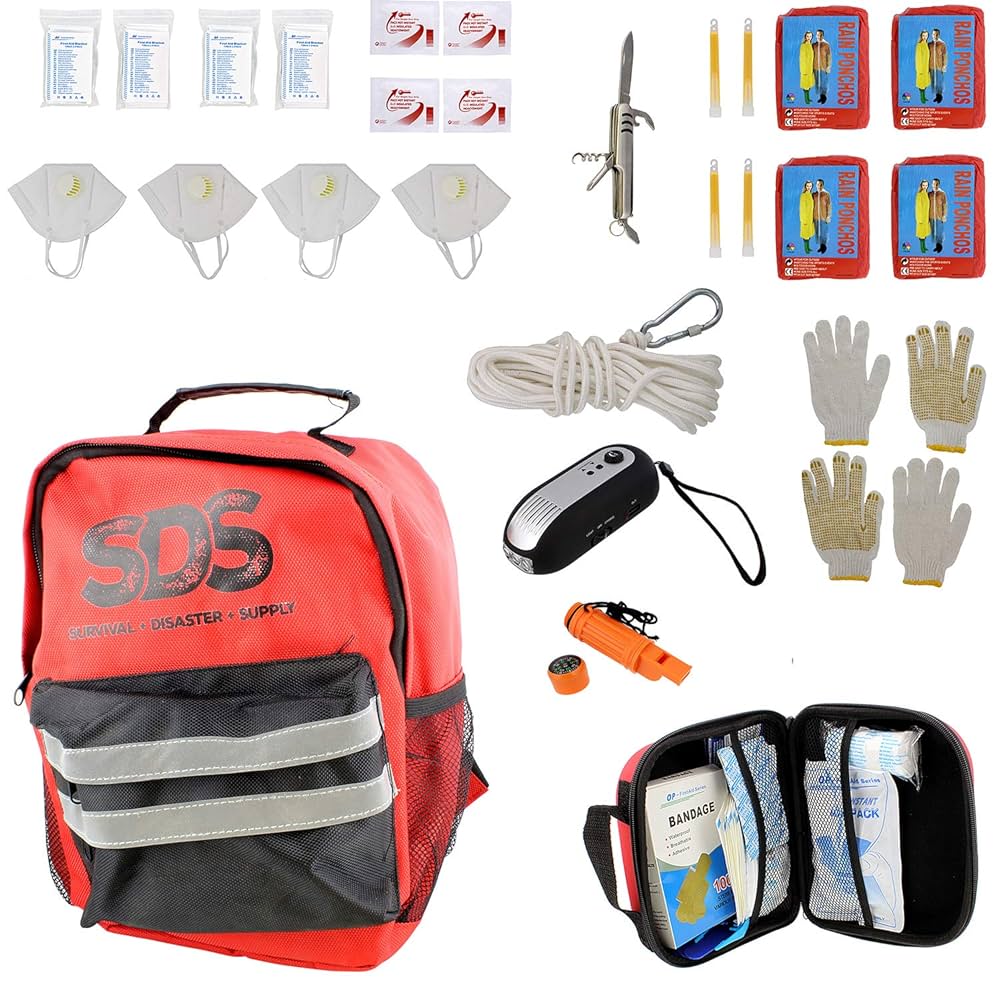
Imagine the world suddenly turning upside down with zombies everywhere. Would you know what to grab to stay alive?
Your survival depends on the right tools and supplies. But what exactly should you have in a zombie survival kit? This guide will help you prepare smartly, so you’re ready for anything. Keep reading, because your safety might just depend on what you pack today.
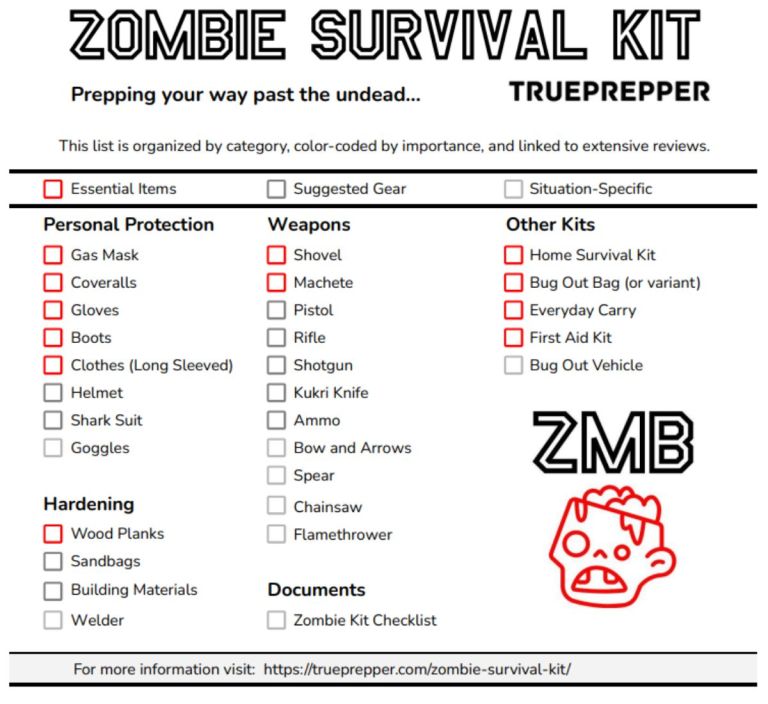
Credit: www.choruscall.co.nz
Basic Survival Tools
Basic survival tools form the foundation of any zombie survival kit. These tools help you stay safe, find food, and manage emergencies. Choose items that are compact and versatile. Each tool must be reliable and easy to use in tough situations.
Multipurpose Knife
A sharp, sturdy multipurpose knife is essential. It helps with cutting, self-defense, and food preparation. Look for knives with a strong blade and a comfortable grip. Folding knives save space. Fixed blades offer more durability. Choose one that suits your needs.
Fire Starters
Fire starters are crucial for warmth, cooking, and signaling. Carry waterproof matches or a lighter. A magnesium fire starter is a good backup. It works even when wet. Practice using them before an emergency. Fire can save your life.
Flashlights And Batteries
Light sources guide you in darkness and warn others. Choose a compact LED flashlight for bright, long-lasting light. Always carry extra batteries. Keep batteries in a waterproof container. Headlamps free your hands for tasks. Test your lights regularly.
First Aid Supplies
First aid supplies treat injuries and prevent infections. Pack bandages, antiseptic wipes, and adhesive tape. Include pain relievers and allergy medicine. Add scissors, tweezers, and gloves. Keep a compact first aid kit in your bag. Update supplies frequently.
Food And Water Supplies
Having reliable food and water supplies is crucial in any zombie survival scenario. Your energy and focus depend on what you consume, so choosing the right items can make all the difference. Let’s dive into what you really need to keep yourself nourished and hydrated when the world goes upside down.
Non-perishable Food
Non-perishable foods are your best friends during a zombie outbreak. These items last a long time without refrigeration, so you can store them safely for months or even years.
- Canned beans, vegetables, and meats provide protein and essential nutrients.
- Dry goods like rice, pasta, and oats are lightweight and filling.
- Energy bars and nuts offer quick boosts when you’re on the move.
Think about foods you enjoy that won’t spoil easily. This makes it easier to stay motivated to eat during stressful times.
Water Purification
Clean water is not always easy to find, so you need a way to purify what you gather. Carrying purification tablets or a portable water filter can save your life.
- Tablets are lightweight and simple—just drop them in and wait.
- Filters remove bacteria and parasites from natural water sources.
Remember, untreated water can cause illness, and sickness is the last thing you want when zombies are nearby. Have you ever tried boiling water in an emergency? It’s a reliable backup method if you have the means.
Portable Water Containers
Carrying water is only half the battle; you also need containers that are durable and easy to transport. Collapsible water bladders and sturdy bottles are both excellent choices.
- Look for containers with wide mouths—they’re easier to fill and clean.
- Choose materials that won’t crack or leak under pressure.
Keep a few smaller bottles handy for quick refills, and a larger container for longer stays. Have you tested your containers for leaks or spills before packing them? Small checks like these can prevent big problems later.
Defense Equipment
Defense equipment is essential in a zombie survival kit. It helps protect you from attacks and keeps you safe. Choosing the right tools can make a big difference in dangerous situations. Focus on items that are reliable, easy to use, and effective. Carrying a mix of weapons and gear prepares you for many scenarios. Here are some key categories to consider for defense.
Melee Weapons
Melee weapons do not need ammo and are quiet. They work well for close combat and save resources. Choose durable weapons that can handle repeated use.
- Baseball bats with metal reinforcement
- Machetes or large knives
- Hatchets or small axes
- Tactical flashlights with strike bezels
Practice using melee weapons to improve your skill and confidence. Keep them sharp and clean for best results.
Firearms And Ammunition
Firearms offer range and stopping power against zombies. Select weapons that are easy to maintain and have available ammo. Carry enough ammunition for emergencies, but avoid overloading.
- Handguns for quick defense
- Shotguns for close-range stopping power
- Rifles for accuracy at a distance
- Extra magazines and ammo boxes
Store ammunition in waterproof containers. Train regularly to handle firearms safely and effectively.
Protective Gear
Protective gear reduces injury risk during encounters. It shields vital areas from bites and scratches.
- Thick gloves to protect hands
- Sturdy boots for foot protection
- Body armor or padded clothing
- Face masks or helmets for head safety
Choose gear that allows movement and comfort. Test your equipment to ensure it fits well and works properly.
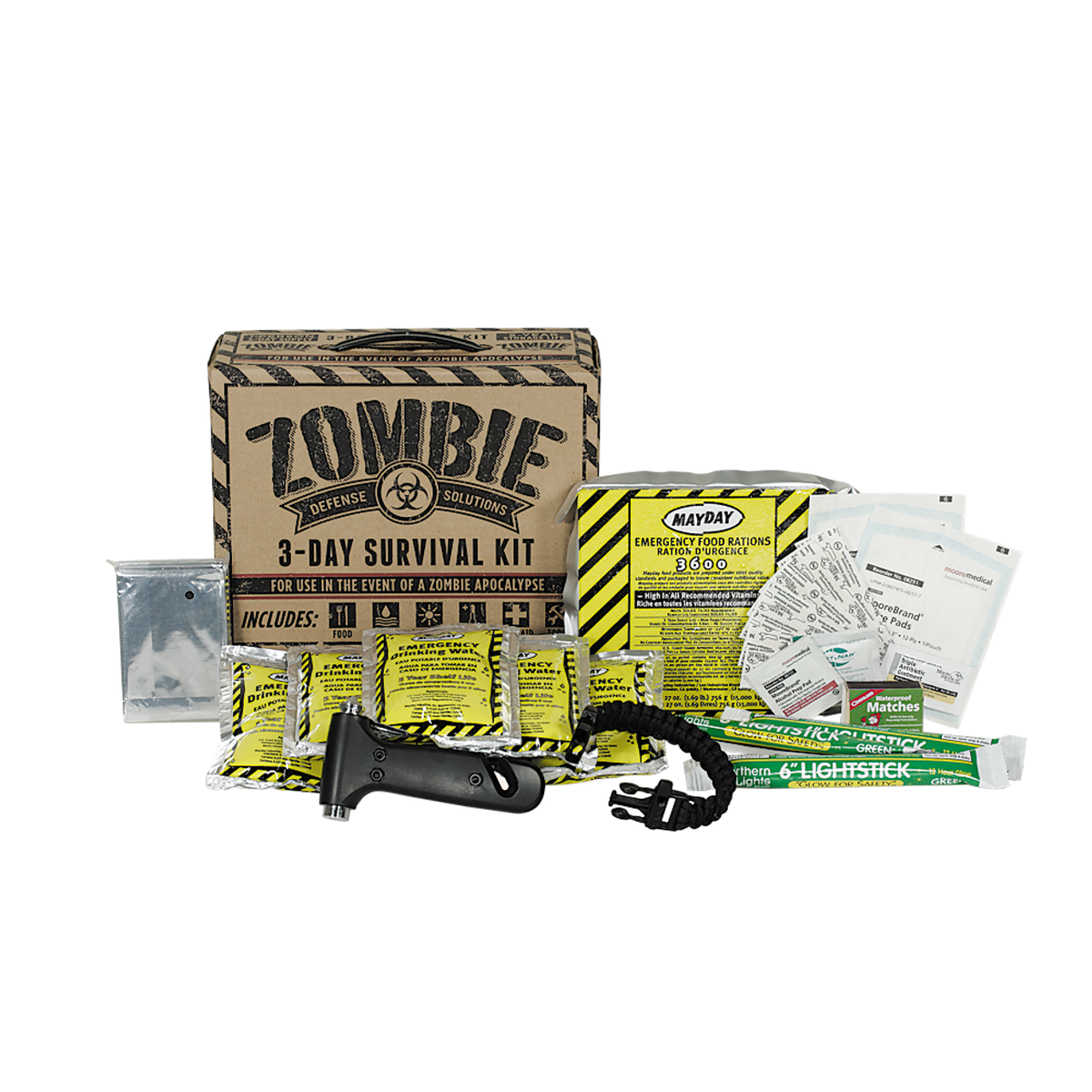
Credit: www.ebay.ca
Communication Devices
Communication devices are vital in a zombie survival kit. They help you stay connected with others. These tools allow you to send and receive messages over distances. In a crisis, clear communication can save lives and coordinate escapes. Choose devices that work without internet or cell towers.
Two-way Radios
Two-way radios are simple and reliable communication tools. They work on radio frequencies, allowing direct contact. No need for phone networks or electricity grids. Compact models fit easily in a survival kit. Keep extra batteries or a hand-crank charger for power. Radios help you share locations and warnings fast.
Signal Mirrors
Signal mirrors use sunlight to send visual signals. They are lightweight and easy to carry. Aim the mirror to reflect a flash of light toward rescuers or allies. This method works well in open areas. Always store a mirror in a protective case to avoid scratches. A small mirror can be a lifesaver when other tools fail.
Whistles And Alarms
Whistles and alarms create loud, attention-grabbing sounds. They help signal for help without using batteries. Whistles are small and quiet until blown. Alarms can scare zombies or alert nearby survivors. Keep these devices within easy reach. Sound signals can guide rescue teams or warn others of danger.
Clothing And Shelter
Your clothing and shelter choices can make a huge difference in a zombie survival scenario. These items protect you from the elements, keep you comfortable, and help you stay unnoticed. Choosing the right gear is about balancing durability, comfort, and portability.
Durable Clothing
Durability is your first priority. You need clothing that resists tears and abrasions since you’ll likely move through rough environments. Look for pants and jackets made from ripstop fabric or heavy-duty canvas.
Sturdy boots with good ankle support are essential too. I once underestimated footwear during a hike, and blisters slowed me down—something you can’t afford in a survival situation. Don’t forget reinforced gloves to protect your hands during physical tasks.
Weather-appropriate Gear
Think about the climate where you’ll be. Are you expecting cold nights or scorching days? Your kit should include layers that you can add or remove quickly.
- For cold weather, pack thermal underwear, a waterproof jacket, and a warm hat.
- In hot climates, lightweight, breathable fabrics and a wide-brimmed hat help prevent overheating.
Consider moisture-wicking materials to stay dry. Wet clothes can cause hypothermia or rashes, which become serious problems fast.
Portable Shelter Options
Having a reliable shelter can be a lifesaver. It provides a safe place to rest and shield yourself from the elements. Look for lightweight tents, tarps, or even compact bivy sacks that fit easily into your pack.
My favorite is a small tarp because it’s versatile—I use it as a ground cover, rain shelter, or windbreak. Can you imagine setting up a bulky tent if you need to move quickly? Portability matters more than comfort when survival is on the line.
Navigation Tools
Navigation tools are essential in a zombie survival kit. They help you find your way through unknown or dangerous areas. Without proper tools, getting lost can put you at serious risk. Choose reliable items that work without power or signal.
Maps And Compass
A detailed map guides you through terrain and landmarks. Paper maps do not rely on batteries or signals. They remain usable even when technology fails. A compass shows your direction and helps you orient the map. Combine these two for effective navigation.
- Choose waterproof, tear-resistant maps.
- Learn basic map reading skills before an emergency.
- Pick a sturdy compass with clear markings.
- Practice using a compass to find directions.
Gps Devices
GPS devices offer precise location tracking. They are handy in unfamiliar areas or dense forests. Some models come with preloaded maps for offline use. Battery life is critical; carry extra power sources or solar chargers. Do not rely solely on GPS; combine with traditional tools.
- Select rugged, waterproof GPS units.
- Test offline maps before use.
- Bring backup batteries or power banks.
- Use GPS as a supplement, not a replacement.
Personal Hygiene Items
Personal hygiene items play a key role in staying healthy during a zombie apocalypse. Cleanliness helps prevent infections and illness. Keeping your body and surroundings clean improves comfort and morale. Pack items that are easy to carry and use in tough conditions.
Sanitation Supplies
- Biodegradable soap for washing hands and body
- Hand sanitizer with at least 60% alcohol
- Toothbrush and small toothpaste tube
- Feminine hygiene products for women
- Travel-size toilet paper or wipes
- Disposable gloves to handle waste safely
- Small towel or washcloth for drying
- Trash bags for waste disposal
Insect Repellent
Insects can spread diseases and cause discomfort. Protect yourself with reliable insect repellent. Choose products containing DEET or natural oils like citronella. Use repellent on skin and clothes for best protection. Consider mosquito nets for sleeping areas. Keep insect bites low to avoid infections and distractions.
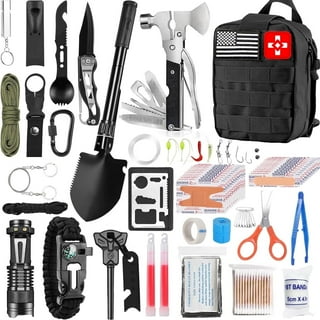
Credit: www.walmart.com
Additional Survival Essentials
Beyond the basic tools and supplies, some extra items can improve survival chances. These additions help manage everyday challenges in a zombie apocalypse. They support safety, energy, and mental well-being.
Cash And Identification
Cash allows quick trades without relying on banks or electricity. Small bills are best for easy transactions. Keep important IDs safe and dry. Passports, driver’s licenses, and medical cards prove identity and help in emergencies. Copies stored separately add extra security.
Backup Power Sources
Electricity may be scarce or unreliable. Portable solar chargers can power small devices. Hand-crank generators offer power without fuel. Extra batteries for flashlights and radios keep essential gear running. These sources provide light, communication, and navigation support.
Entertainment And Morale Boosters
Stress and boredom can hurt mental health. Books, playing cards, and puzzles offer distraction and comfort. Small musical instruments or journals allow creative expression. These items boost mood and help maintain hope in tough times.
Frequently Asked Questions
What Are Essential Items In A Zombie Survival Kit?
A zombie survival kit should include water, non-perishable food, first aid supplies, a flashlight, batteries, and a reliable weapon. These items help ensure safety, sustenance, and communication during a zombie outbreak or any emergency.
How Much Water Should I Pack For Zombie Survival?
Pack at least one gallon of water per person per day. This amount covers drinking, cooking, and hygiene needs. Having enough water is critical for staying hydrated and healthy during extended survival situations.
Which Weapons Are Best For Zombie Defense?
Choose quiet, easy-to-use weapons like a baseball bat, machete, or crossbow. Firearms work but need ammo and training. Select weapons that balance effectiveness, noise level, and ease of maintenance.
Why Include First Aid Supplies In A Zombie Kit?
First aid supplies treat injuries and prevent infections, which are vital during zombie outbreaks. Bandages, antiseptics, pain relievers, and scissors help manage wounds and keep you healthy.
Conclusion
Prepare your zombie survival kit carefully. Choose essentials wisely. Every item counts. Prioritize food and water. Don’t forget first aid supplies. Tools are crucial. A good knife or multitool helps. Pack a flashlight with extra batteries. Stay safe with a reliable communication device.
Clothing should be durable and weather-appropriate. Include a map of the area. Think about your personal needs. Customize your kit for comfort and safety. Staying prepared ensures peace of mind. Surviving a zombie apocalypse takes planning. Be ready for anything.
Stay alert, stay alive. Your kit is your lifeline.