Imagine finding yourself in an unexpected emergency. What if you had everything you needed right at your fingertips?
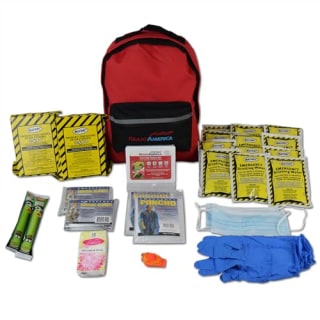
Knowing exactly what to keep in your survival kit can make all the difference between feeling prepared and facing panic. You’ll discover the essential items that should never be missing from your kit. By the end, you’ll have a clear, simple plan to build a survival kit that keeps you safe and confident no matter the situation.
Ready to take control of your safety? Let’s dive in.

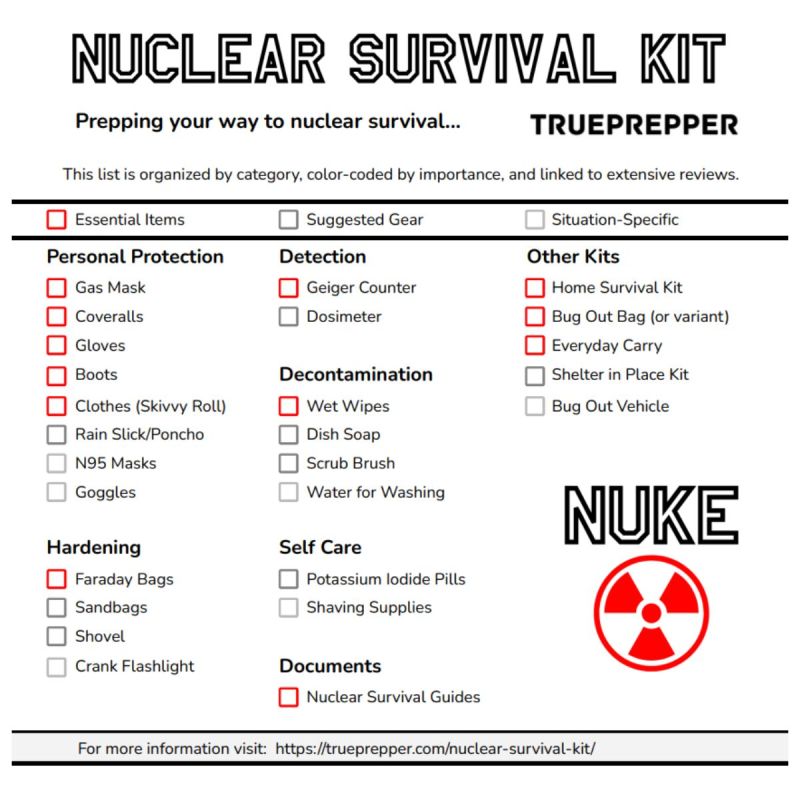
Credit: trueprepper.com
Basic Survival Tools
Basic survival tools form the core of any effective survival kit. These tools help you handle many challenges outdoors. They improve your chances of staying safe and comfortable. Choosing the right tools keeps your kit practical and easy to carry.
Multi-tool And Knife
A multi-tool combines many functions in one compact device. It usually includes pliers, screwdrivers, scissors, and a knife. A sharp knife is essential for cutting, preparing food, and making shelter. Choose a sturdy, reliable knife with a comfortable grip. Both tools save space and weight in your kit.
Fire Starters
Fire starters help you create fire quickly and safely. Carry waterproof matches or a lighter for easy use. Include a ferrocerium rod or magnesium fire starter for tough conditions. Fire provides warmth, light, and a way to cook food. It also signals for help in emergencies.
Flashlight And Batteries
A bright flashlight is crucial for visibility in dark or low light. Choose an LED flashlight for long battery life and durability. Pack extra batteries to avoid running out of power. A reliable light source keeps you safe and helps you navigate at night.

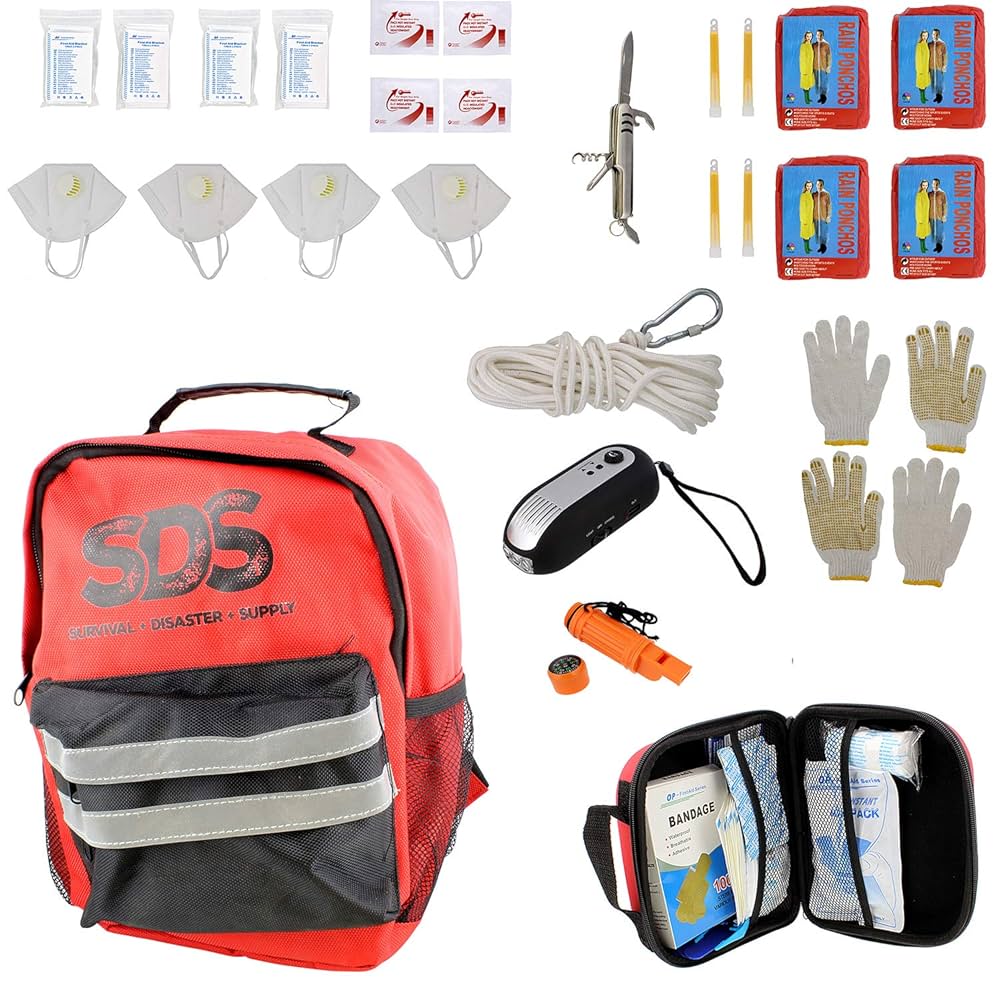
Credit: trueprepper.com
Water And Hydration
Water is the most important item in any survival kit. Staying hydrated keeps your body working well. It helps you think clearly and stay strong. Without clean water, your chances of survival drop fast. Preparing for emergencies means carrying water and ways to keep it safe and drinkable.
Water Containers
Choose containers that are lightweight and tough. Look for bottles made of BPA-free plastic or stainless steel. Collapsible water bags save space when empty. Have enough containers to hold at least one gallon per person per day. Carry extra containers for collecting water from nature.
Water Purification Methods
Water from streams or lakes may have germs. Purification removes harmful bacteria and viruses. Carry portable filters that remove particles and germs. Water purification tablets kill bacteria quickly. Boiling water also makes it safe. Use a small camping stove or fire to boil water for at least one minute.
Electrolyte Supplements
Electrolytes keep your body balanced when you sweat. They replace salts lost through heavy activity. Pack electrolyte powders or tablets in your kit. Add them to water to stay hydrated longer. Choose options low in sugar for better health. Electrolyte drinks help prevent cramps and fatigue in tough conditions.
Food Supplies
Food supplies form the core of any survival kit. They provide essential energy and nutrients for your body. Choosing the right foods helps you stay strong and alert in tough situations. Pack items that last long and are easy to carry. Focus on foods that require minimal or no preparation. Balance your kit with snacks, meals, and cooking tools.
Non-perishable Snacks
Non-perishable snacks are crucial for survival kits. They stay fresh without refrigeration. Choose snacks rich in calories and easy to eat on the go. Some good options include:
- Granola bars
- Trail mix
- Dried fruit
- Beef jerky
- Peanut butter packets
These snacks provide quick energy and keep hunger at bay. They also have a long shelf life, making them reliable in emergencies.
High-energy Foods
High-energy foods fuel your body for longer periods. Look for items rich in protein, fat, and complex carbs. These keep you full and energized. Examples include:
- Canned tuna or chicken
- Nuts and seeds
- Energy bars
- Whole grain crackers
- Powdered milk or protein shakes
Pack a mix of these foods to maintain stamina. They help your body recover and perform well during stress.
Portable Cooking Equipment
Portable cooking equipment adds versatility to your survival kit. It allows you to prepare hot meals and boil water. Choose lightweight and compact tools like:
- Small camping stove
- Fuel canisters
- Lightweight pots and pans
- Portable utensils
- Fire starters or waterproof matches
Cooking equipment helps you use canned and dry foods effectively. It also improves food safety by heating meals properly.
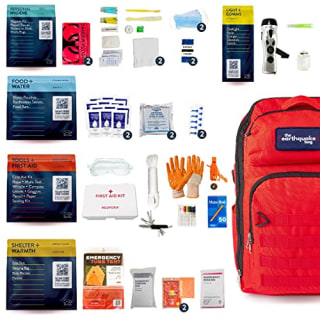
Credit: www.nbcnews.com
First Aid Essentials
Having the right first aid essentials in your survival kit can make a huge difference when unexpected injuries occur. You want to be ready to handle cuts, scrapes, or more serious wounds without panic. Preparing your kit thoughtfully ensures you can treat common ailments quickly and keep everyone safe.
Basic Medical Supplies
Your kit should include basics like adhesive bandages in various sizes, sterile gauze pads, and medical tape. These items help cover wounds and stop bleeding fast. Don’t forget antiseptic wipes to clean injuries and prevent infection.
Adding a pair of tweezers is smart—they’re great for removing splinters or debris. Include scissors for cutting tape or clothing, and disposable gloves to protect yourself while treating wounds. These simple tools save time and reduce risks.
Medications
Think about the medications you might need in an emergency. Pain relievers like ibuprofen or acetaminophen can ease discomfort and reduce inflammation. Antihistamines help with allergic reactions, which can happen unexpectedly outdoors.
Don’t overlook any prescription medications that you or your family members require daily. It’s easy to forget them when packing, but their absence can turn a small problem into a big one. Including anti-diarrheal medicine and antacids can also help manage common digestive issues during survival situations.
Emergency Blanket
An emergency blanket isn’t just for warmth—it prevents hypothermia by reflecting your body heat back to you. It’s lightweight and takes up very little space, making it a must-have in your survival kit. Use it to protect against wind, rain, or cold ground.
In my own experience, having an emergency blanket made a night in the wilderness much more bearable after a sudden temperature drop. It’s a small item that can provide huge comfort and safety when you least expect it.
Shelter And Clothing
Your survival kit’s shelter and clothing components can make a huge difference in staying safe and comfortable during an emergency. Without proper protection from the elements, even a short outdoor stay can turn dangerous quickly. Focusing on compact shelter options, weather-appropriate clothing, and sleeping gear ensures you are ready for various conditions.
Compact Shelter Options
Choosing shelter that fits easily into your kit but still offers solid protection is key. Look for lightweight tents, emergency bivvy sacks, or tarps that pack small but shield you from wind and rain. I once used a simple tarp during a sudden storm, and it kept me dry and warm without the bulk of a tent.
Think about what you can carry comfortably and how fast you can set it up. Shelter should be easy to deploy in stressful moments. Could a reflective emergency blanket double as a quick shelter in your kit?
Weather-appropriate Clothing
Your clothing should match the environment you expect to face. Layering is a smart strategy: a moisture-wicking base layer, insulating middle, and waterproof outer shell cover many scenarios. Carrying extra socks and gloves might seem small but can prevent blisters and frostbite.
Have you tested your clothing in different weather? Comfort and mobility are vital—bulky or wet clothes can slow you down. Pick fabrics that dry fast and resist odors, especially if you might be out for days.
Sleeping Gear
Sleep quality directly affects your survival chances. A compact sleeping bag rated for temperatures you expect is essential. I learned this when a cheap sleeping bag left me shivering overnight; investing in a reliable one made all the difference next time.
Consider adding a sleeping pad to insulate yourself from cold ground. Even a simple foam pad can prevent heat loss. Can your sleeping gear fit into your kit without weighing you down?
Navigation And Communication
Having reliable navigation and communication tools in your survival kit can mean the difference between being found quickly or getting lost for days. When you’re in an emergency, clear orientation and the ability to signal for help are vital. Let’s dive into the essential items you should keep to stay on track and make your presence known.
Compass And Maps
A compass is a simple yet powerful tool that doesn’t rely on batteries or signals. Pair it with detailed topographic maps of the area you’re in, and you can navigate through almost any terrain.
Make sure your maps are waterproof or carry them in a protective case. Learning to read a map and use a compass properly can save you from wandering aimlessly. Have you practiced finding your way without GPS lately?
Emergency Whistle
An emergency whistle is lightweight and can carry your call for help over long distances. Its sharp sound cuts through ambient noise better than shouting, especially if you’re injured or tired.
Keep it attached to your kit or wear it around your neck for quick access. How many times have you thought a whistle would be handy but didn’t have one ready?
Signal Mirrors And Devices
Signal mirrors are excellent for attracting attention when you see planes or distant rescuers. They reflect sunlight in a way that can be seen from miles away.
Additionally, consider including small, battery-powered signaling devices like LED flashlights or strobe lights. These can be invaluable at night or in low-visibility conditions. Do you have a way to signal for help that works both day and night?
Personal Safety Items
Personal safety items are essential for any survival kit. They protect you from harm and help you stay safe in different situations. Carrying the right tools can boost your confidence and readiness. These items can prevent injuries and keep you comfortable outdoors.
Self-defense Tools
Self-defense tools help protect you from threats. Choose items that are easy to carry and use. Pepper spray is a popular option to stop an attacker quickly. A whistle can alert others if you need help. Small personal alarms create loud sounds to scare off danger. Carrying a tactical flashlight helps both with light and defense.
Insect Repellent
Insects can cause serious problems in the wild. Mosquito bites may lead to infections or illness. Use insect repellent sprays or wipes to avoid bites. Choose repellents with DEET or natural ingredients like citronella. Include mosquito nets or head nets for extra protection. Keep insect repellent handy and apply it often.
Sun Protection
Sun exposure can cause burns and heat-related illness. Sunscreen protects your skin from harmful UV rays. Pick a sunscreen with at least SPF 30 for good coverage. Wear a wide-brimmed hat to shield your face and neck. Sunglasses protect your eyes from glare and damage. Lightweight, long-sleeve clothing can block the sun too.
Extra Survival Items
Extra survival items make your kit more useful in many situations. These items help solve unexpected problems. They can improve safety, comfort, and communication. Carrying a few extra tools can save time and effort. Some items are small but very powerful in emergencies.
Duct Tape And Paracord
Duct tape is strong and sticks to many surfaces. It can fix torn clothes, broken gear, or leaks. Use it to make splints or bandages. Paracord is a lightweight rope with many uses. It helps build shelters, secure items, or make traps. Both are compact and easy to carry.
Cash And Identification
Cash is important when cards do not work. Small bills fit easily in your kit. Identification proves who you are and your medical needs. Carry a copy of your ID, driver’s license, or passport. These help you access services and prove your identity quickly.
Important Documents
Keep copies of essential documents in a waterproof bag. Include insurance papers, medical records, and emergency contacts. Store copies of wills or property deeds. These documents help with legal and medical issues during emergencies. Organize them so you can find what you need fast.
Frequently Asked Questions
What Items Are Essential In A Survival Kit?
A survival kit should include water, non-perishable food, a flashlight, a first aid kit, and a multi-tool. These essentials help you stay safe and prepared in emergencies. Customize your kit based on your environment and personal needs. Remember to check and update items regularly.
How Often Should I Update My Survival Kit?
Update your survival kit every six months. Check expiration dates on food and water. Replace any used or expired items promptly. This ensures your kit remains effective in an emergency. Regular updates help you stay prepared for unexpected situations.
What Should I Pack For Outdoor Survival?
For outdoor survival, pack a portable water filter, waterproof matches, a compass, and a space blanket. These items are crucial for navigating, staying warm, and securing clean water. Adjust your kit based on the specific outdoor environment and anticipated challenges.
Always prioritize safety and adaptability.
Can I Customize My Survival Kit?
Yes, you can customize your survival kit. Tailor it to your specific needs, environment, and potential threats. Consider personal medical needs, climate, and local risks. A personalized kit ensures you have the necessary resources during emergencies. Regularly reassess and adjust your kit as circumstances change.
Conclusion
A good survival kit keeps you ready for emergencies. Pack essentials like water, food, and first aid. Tools such as a flashlight and knife help a lot. Keep your kit updated and check it often. Choose items that suit your needs and environment.
Staying prepared brings peace of mind and safety. Remember, a small kit can make a big difference. Start building your kit today and stay safe tomorrow.